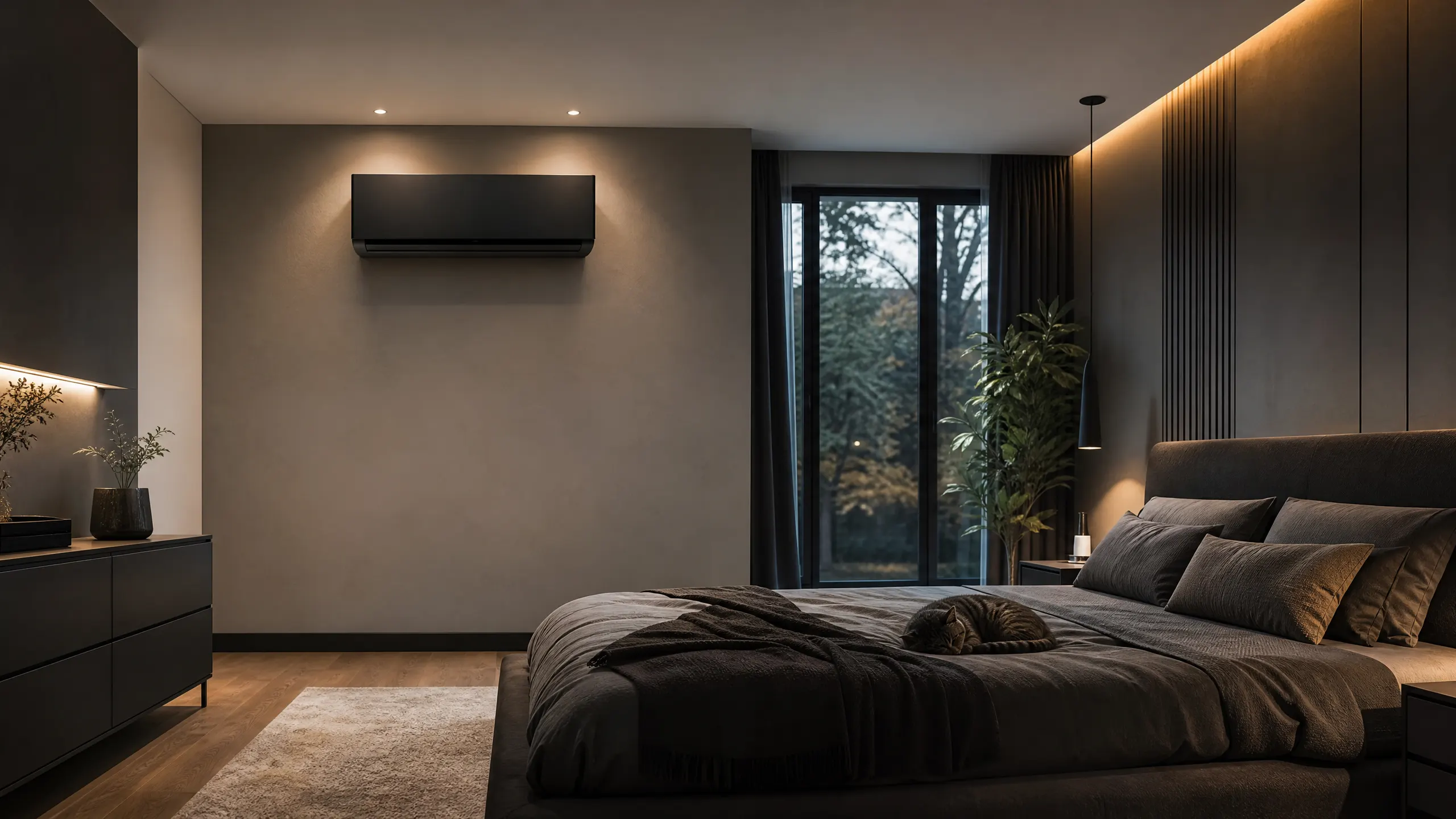




A dark, minimalist bedroom with a king-size bed, wall-mounted air conditioning unit, and large windows, with a cat sleeping on the duvet.

Mini Split Installation in Sandpoint, ID

Tell us about the job

Takes about a minute. No obligation.

New system or replacementMini-splitBonner County, ID
Step 1 of 2

What ZIP code is the job in?

Electricity heats more homes in Bonner County than any other fuel, at 35.8%. Gas service reaches about a fifth of homes here, with bottled or tank gas filling in for another chunk. A mini split runs on electricity, so it fits into what's already wired into most houses in the county. For a home that already heats with electric baseboard or an electric furnace, adding a mini split means better control room by room and a way to cool the house that the old system never gave you. No gas line to run, no venting to plan around.

10 months
September through June, your system heats
22°F
the average winter night it heats against
75°F
the average summer afternoon it cools against
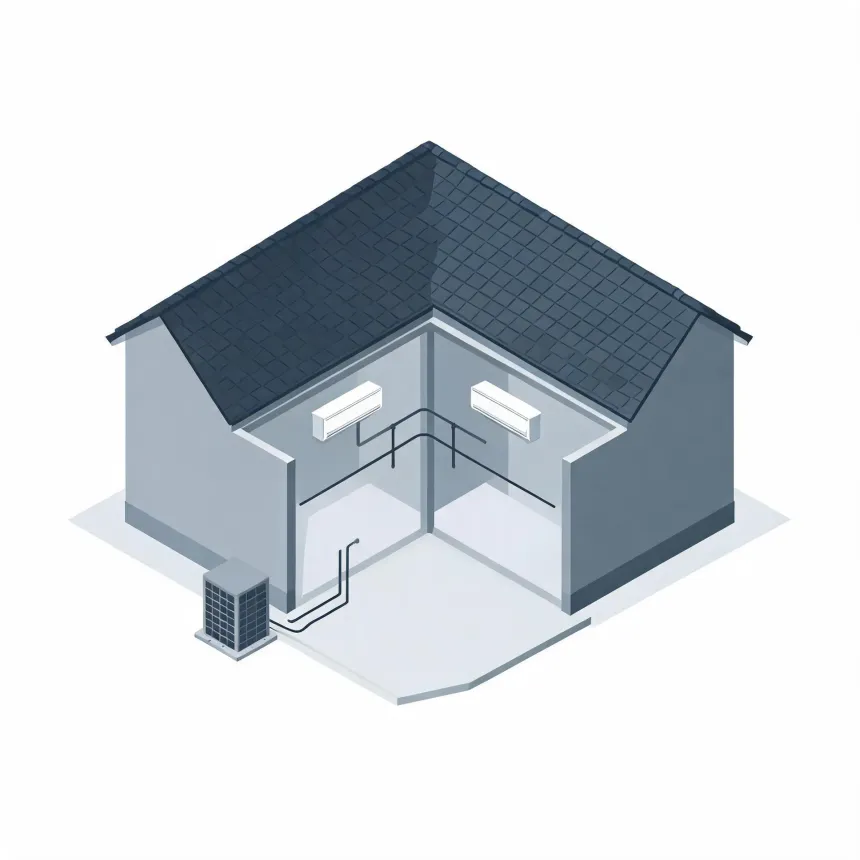
Isometric illustration of a cutaway gray house with a dark shingled roof, showing two wall-mounted indoor air conditioning units connected by piping to an outdoor condenser unit on the ground outside.

Summer afternoons in Sandpoint average 75°F.

A mini split here barely has to work for cooling, so a mid-range system holds up fine.

Winter storms are frequent here, not a reason to size up

392 severe weather events from 2015 to 2024
11% of homes statewide lost power a day or more in 2024
43 damaging wind events from 2015 to 2024

Idaho electricity ran 11.52 cents per kilowatthour in 2024. That's cheap next to most of the country. It changes the math on which mini split to buy. The top-tier models cost more up front for a seasonal efficiency edge that takes years to earn back when power is this inexpensive. What matters more here is whether the unit holds its heat output on the coldest nights and whether the installer sized it right for the rooms it's covering. Put the money into the right size and a sound installation before you pay extra for a few points of efficiency.

Any mini split installed here has to meet zone 6B's efficiency minimums

Bonner County sits in zone 6B, a cold climate zone. A mini split installed here counts as a split-system heat pump under federal rules, so any unit manufactured from 2023 on has to hit at least 14.3 SEER2 and 7.5 HSPF2. That floor is set before you start comparing models. A federal tax credit is available toward the cost of a qualifying system.

Find a contractor
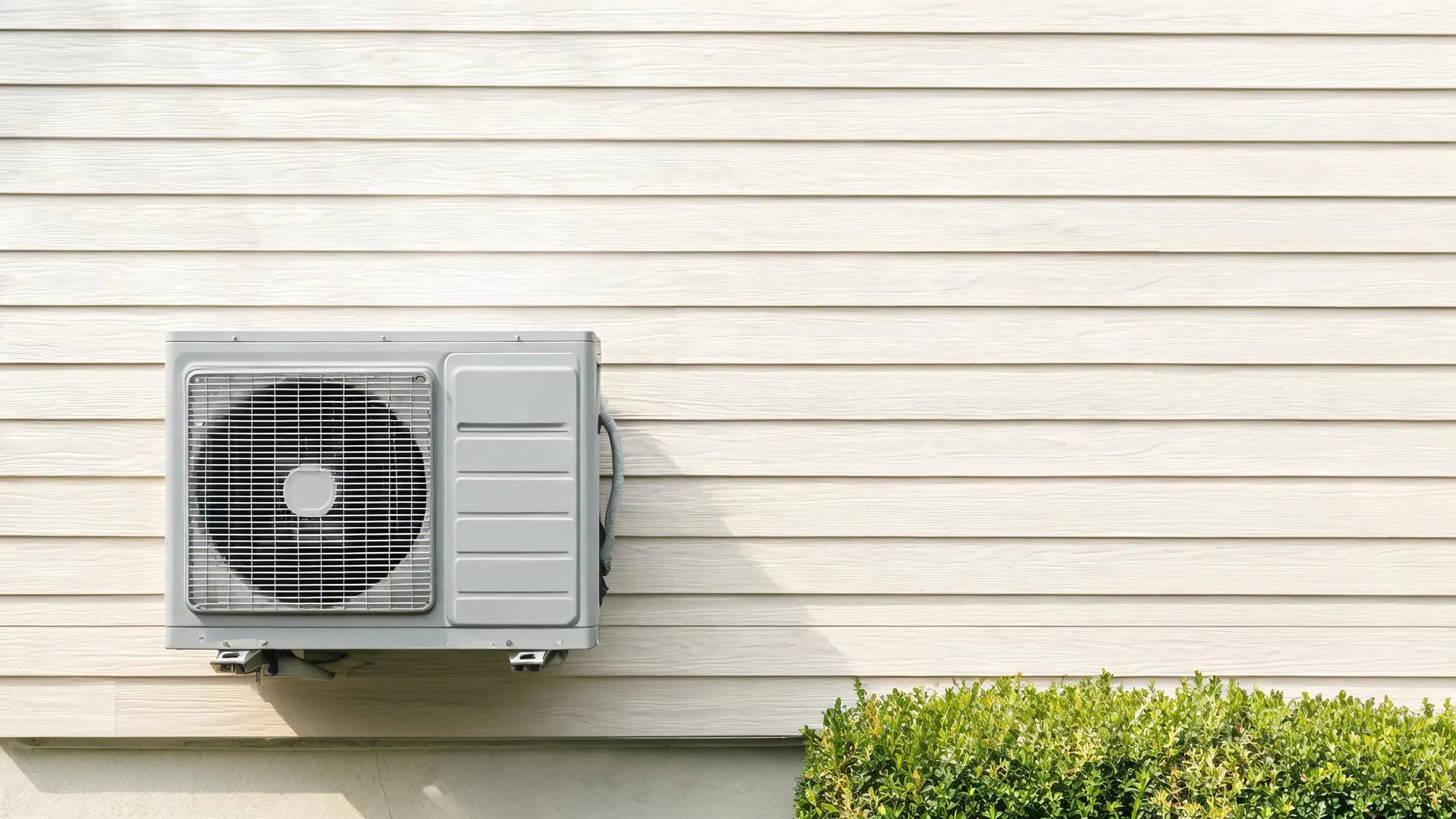
A beige split-system air conditioner outdoor condenser unit mounted on metal wall brackets atop a stucco wall.

Winter is the long season, and sizing decides how the compressor spends it

Heating is the opposite story from cooling. A heat pump here runs for months straight, and on the coldest nights it runs close to constant, cycling less because it never fully catches up before the next call for heat. That's a long load on the compressor and on the reversing valve that switches it between heating and cooling. Sizing decides how that load falls. A unit too small never stops working and still can't hold the room on the hardest nights. A unit too big short cycles even in the cold, slamming on and off instead of settling into a steady run, and that start-stop pattern wears parts faster than the long runtime would on its own. The right size spends the winter running long and steady, which is exactly what this kind of compressor is built to do.

How many rooms it has to reach

A single-zone system covers one room with one indoor head. The moment you want a second or third room done, you're into a multi-zone setup, with its own outdoor unit sized to run them all at once and a line set run to each head. More zones means more labor and more refrigerant line, and the installer has to size the outdoor unit for every head running together, not just one at a time.
What the installer has to work around

Line sets have to run from the outdoor unit to each indoor head, through a wall or up through a chase, and the path matters as much as the distance. A straight run through an exterior wall is a different job than one that has to clear framing, go up a floor, or route around where the electrical panel sits. The condensate line needs somewhere to drain, and the outdoor unit needs a mounting pad or bracket that keeps it clear of snow load and roof runoff.

SEER2 and HSPF2 on the label come from lab tests run at set temperatures, not from the coldest night or the hottest afternoon this unit will ever see. A higher number means the unit moves more heat for the power it draws under those test conditions. It says nothing about whether the unit is sized right for the room it's going into. An oversized unit with a strong rating will still short cycle, kicking on and off before it ever settles into a steady run, and that wastes power no matter what the label says. A correctly sized unit with a lower rating often ends up running longer, steadier, and more efficiently in practice. Treat the rating as a way to compare models against each other, not as a promise about what your power bill will look like.

Installation starts outside, not with the indoor head. The installer mounts the outdoor unit on its pad or bracket first, then runs the line set to wherever each indoor head is going. That line carries refrigerant lines, a condensate drain and electrical wiring together through one wall penetration, so the hole gets sealed once and insulated around the lines. Inside, the head gets mounted to a wall bracket, levelled, and connected before the system gets evacuated of air and moisture with a vacuum pump. That vacuum step matters more than people expect. Any air or moisture left in the lines will cut into how well the system heats once it's running, so a good installer won't skip it or rush it.