
AC Installation in Idaho
Across the counties where its people live, Idaho recorded less severe weather from 2015 to 2024 than 31 of the other 49 states.
Tell us about the job
Takes about a minute. No obligation.
- 83°Fsummer afternoon high where people live
- 2 monthsof cooling, July through August
- 11.52¢ per kWhwhat homes paid for power in 2024 (kWh means kilowatt hours, the unit on an electric bill)
- 235hail events from 2015 to 2024
Cheap power changes the payoff math on a new system here
- Summer highs 84°F in southern counties, 81°F in northern ones
- Summer afternoons average 83°F where people live
- Cooling runs July through August
- 235 hail events from 2015 to 2024
- 1,206 damaging wind events from 2015 to 2024
- 11% of homes lost power a day or more in 2024


- A condenser sized to the house cools evenly instead of short cycling on and off
- Fresh refrigerant lines mean the system charges correctly instead of hiding a slow leak
- The new contactor and capacitor let the compressor start clean instead of humming or tripping the breaker
- Proper airflow across the coil pulls humidity out of the air, so the house feels cooler
- Setting the unit on a level pad keeps vibration and rattling from working loose over time
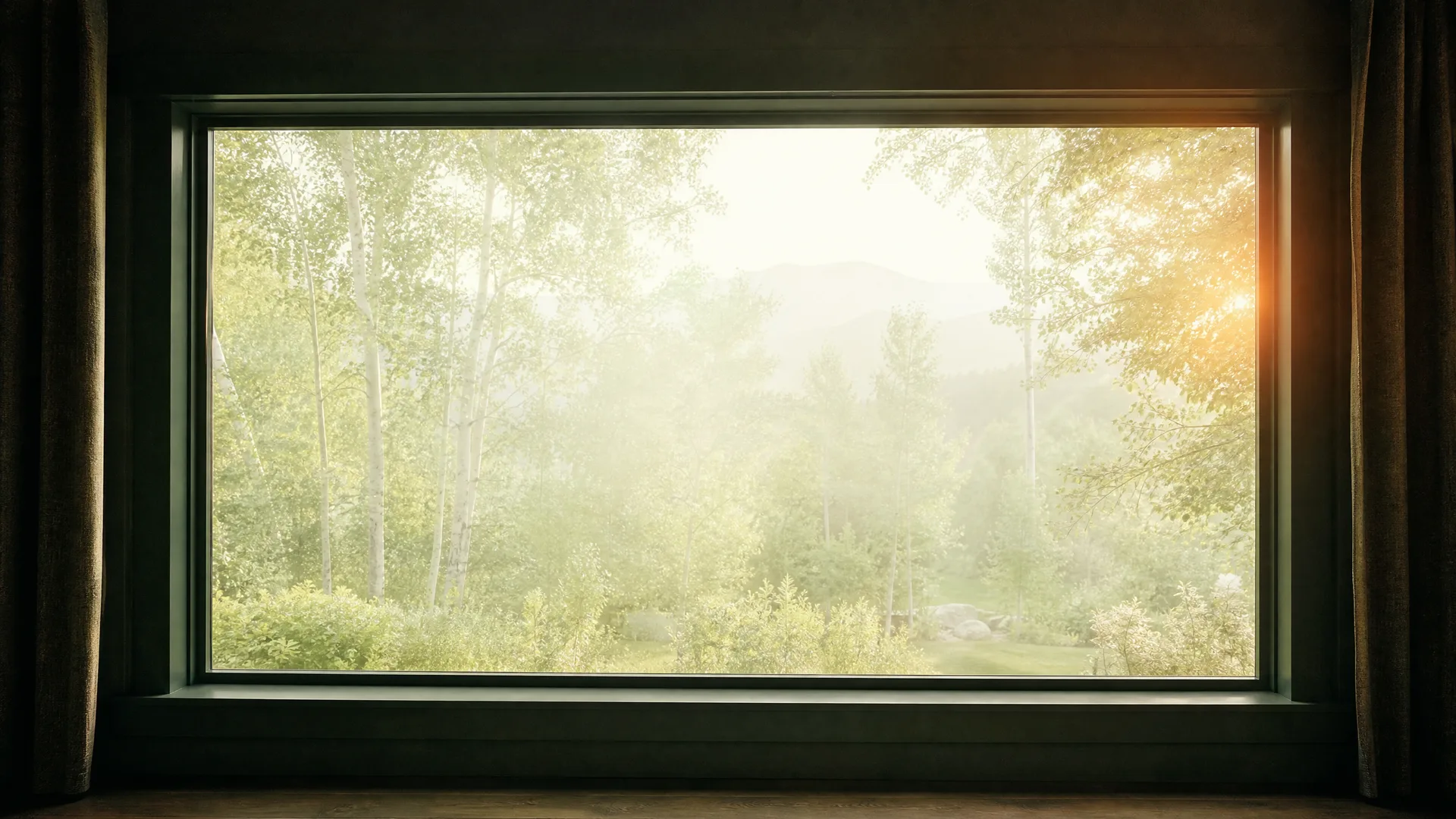
Just over half of homes in Idaho heat with utility gas, and another third use electricity. An AC installation usually taps into whichever system is already moving air through the house, so the furnace or air handler already in place matters as much as the condenser going in outside.
If the house runs on gas heat, the AC usually pairs with the existing furnace and shares its ductwork and blower. If it runs on electric heat, the new condenser may be matching up to a heat pump or an air handler instead. Either way, the question is whether what's already there can handle the added load, not just what goes in the yard.
A two-month season means you install before July, not during it
Cooling runs July through August here, about two months. That's a short season, and it means a new system has almost no time to settle in once the heat hits. Put it in during June and it's already running clean before the first hot day. Wait until July and a contractor is sizing and installing while you're living without AC, or running whatever's failing on borrowed time. Idaho homes run cooling fewer months than 34 of the other states, so there's less pressure here than in places where the season starts earlier. That's room to plan the installation instead of scrambling for it.
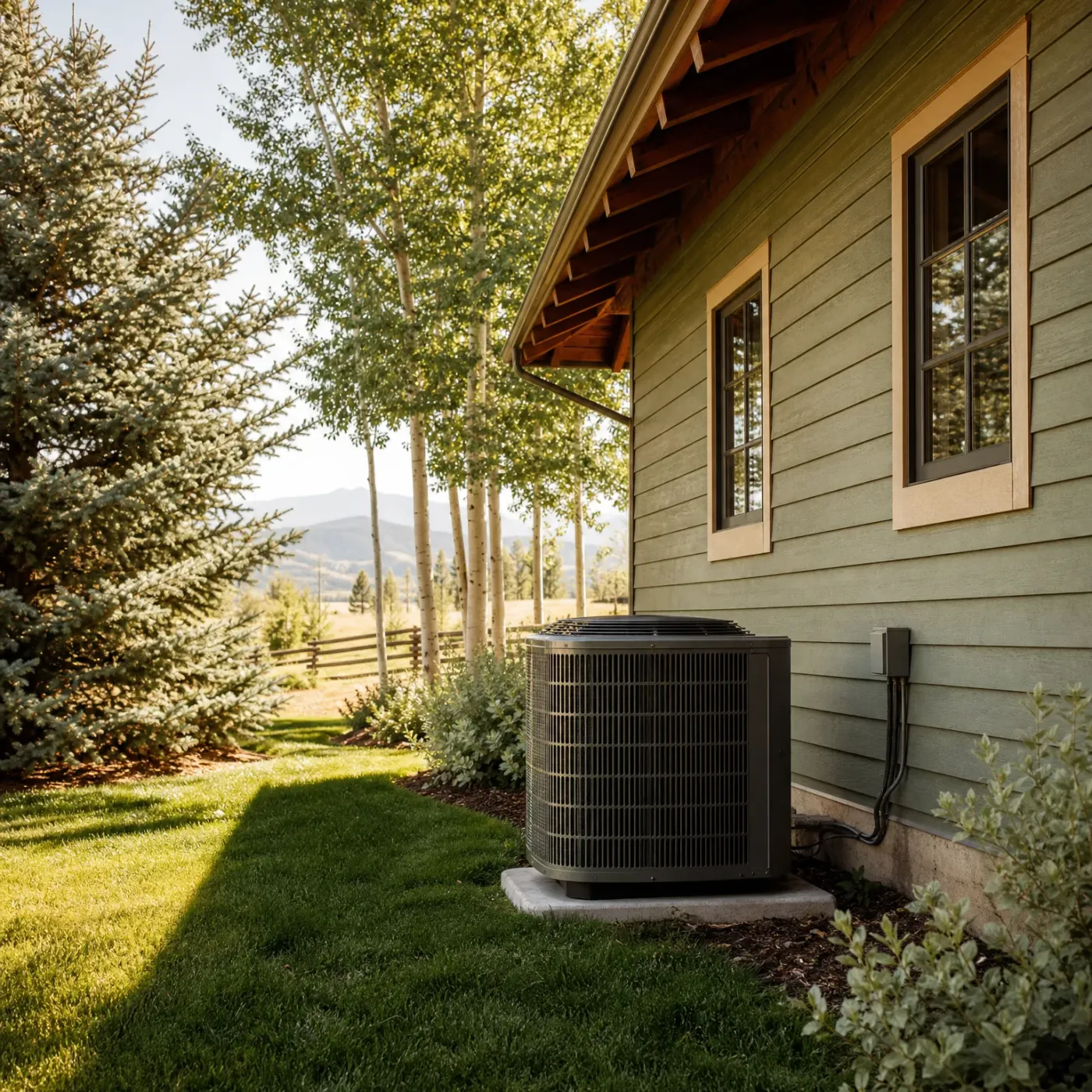
2 months of cooling, July through August
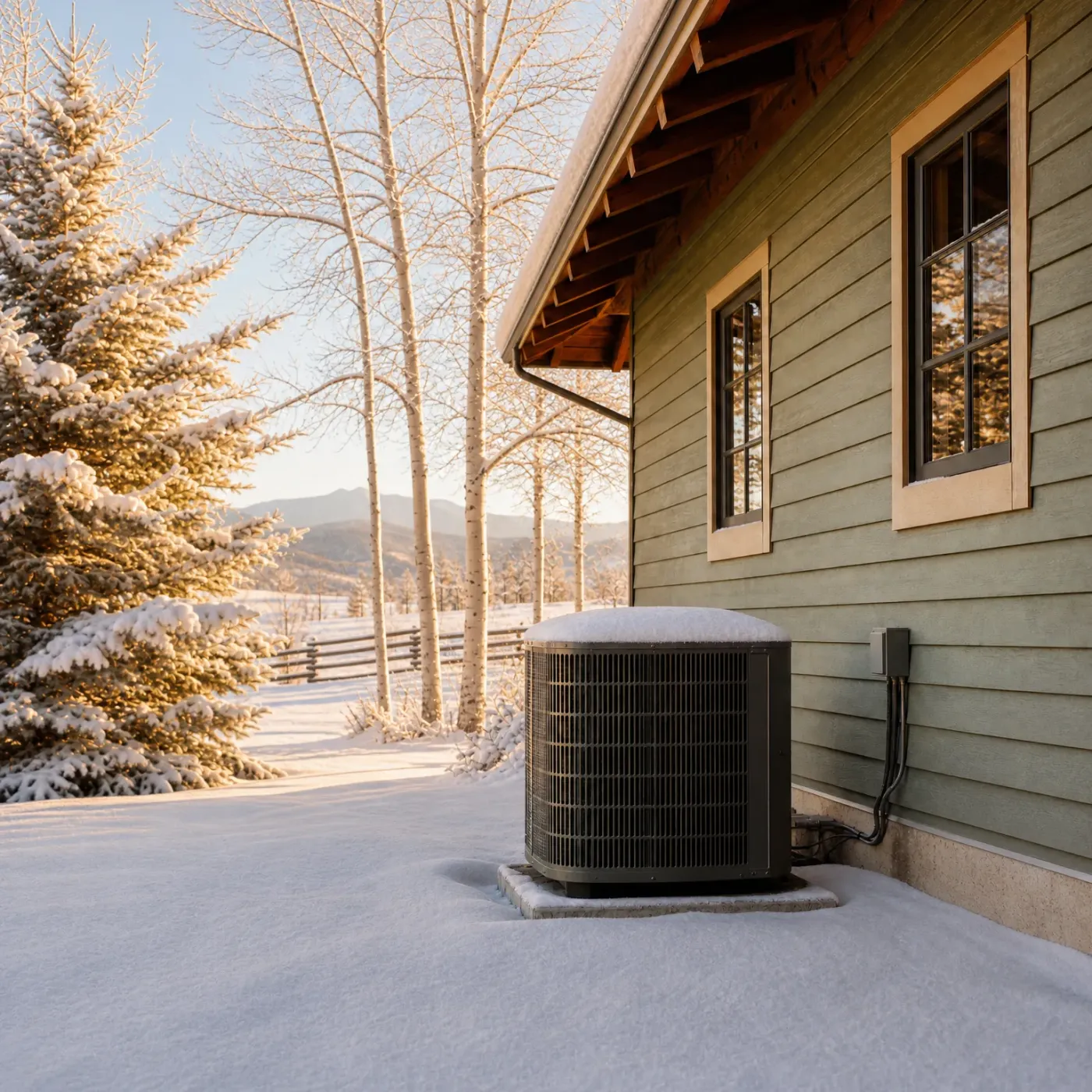
10 months of heat, September through June
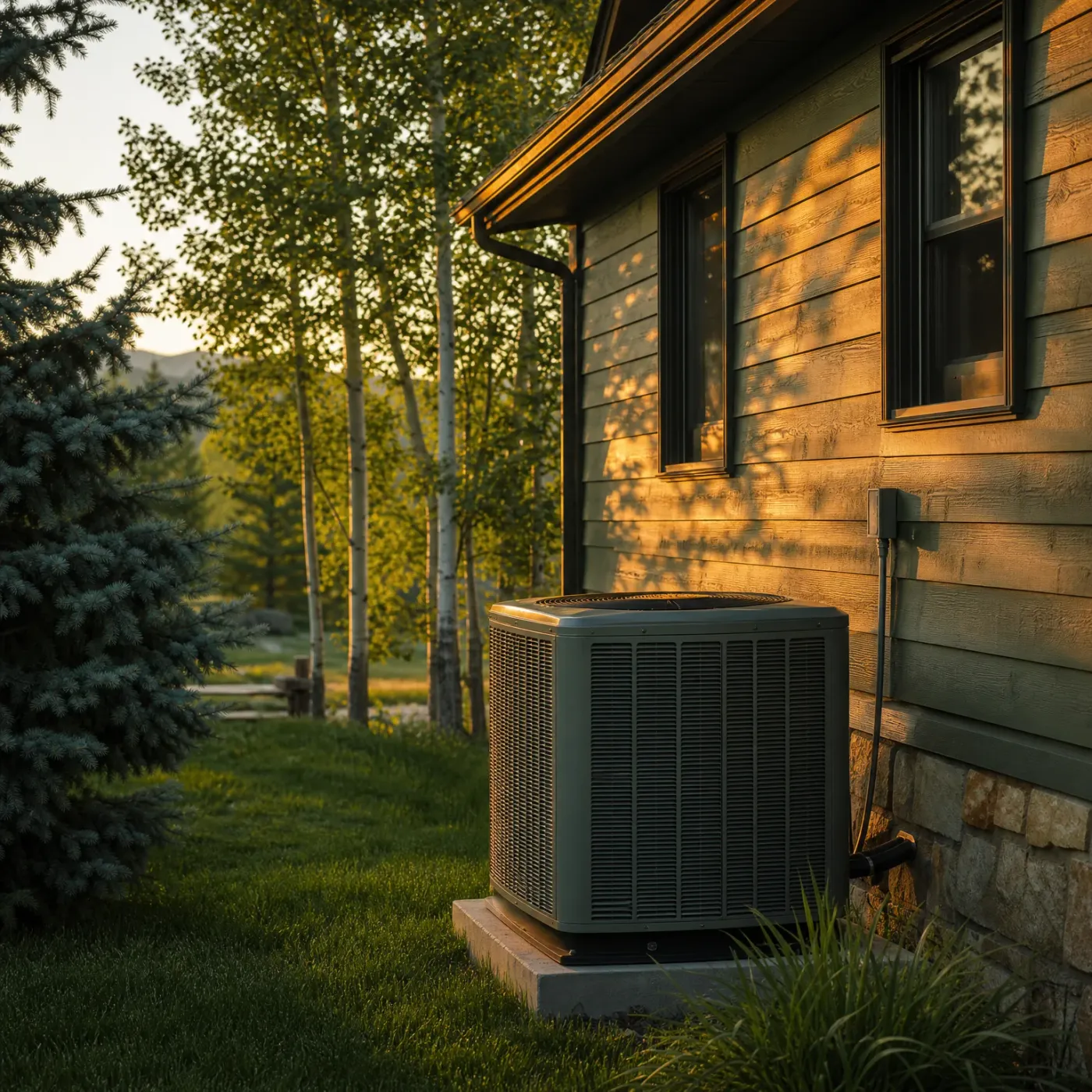
Idaho's summer afternoons average 83°F where most households live, cooler than in 26 of the other states. That number covers a wide range once you look at where people actually live.
Canyon County sees the hottest afternoons in the state, averaging 89°F across June, July and August. Boundary County, in the north, averages 71°F over the same months. A system sized for one would be wrong for the other.
That split shows up statewide too. Homes across Idaho's southern counties need about 39% more cooling over a year than homes across its northern counties, even though the state as a whole averages a two-month season, July through August.
Ada County runs cooling about three months a year, the longest stretch in the state. Bonneville County runs it about zero. A condenser going into an Ada County home is doing real work most summers. One going into Bonneville County may barely turn on.
Where your home falls in that range matters more than the state average does. A system sized off the statewide number alone could end up wrong for either end of it.
What does an AC in Idaho face?
How hot do summer afternoons get?
83°Faverage afternoon high where people live
Alaska66°F
Arizona101°F
How many months does the cooling run?
2 monthsof cooling a year
Alaska0 months
Hawaii12 months
What does electricity cost?
11.52¢per kWh, what homes paid in 2024
North Dakota11.51¢
Hawaii42.86¢
How often do storms hit?
186severe weather events per county from 2015 to 2024
Alaska5
Wyoming1,057
How many homes lost power for a day or more?
11%of homes in 2024
Arizona7%
Maine54%
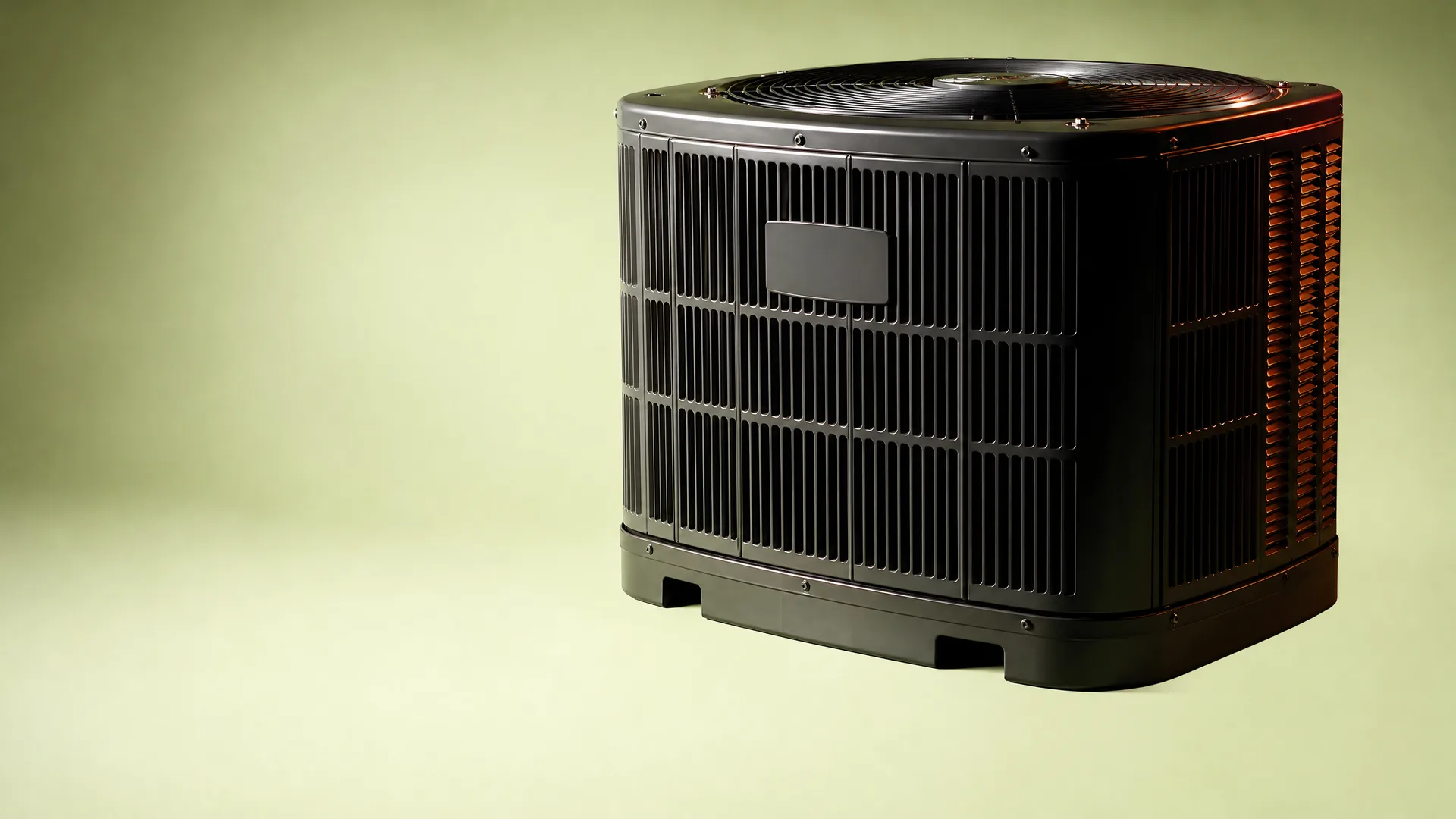
June is the month to do this, not July
A condenser is simplest to put in when nothing else is competing for the contractor's time. June is that month here. The ground isn't frozen, the schedule isn't backed up with emergency calls, and there's no rush to get the house cool while the crew works. Wait until the season's underway and the install happens around a working system, or a broken one, instead of an empty pad.
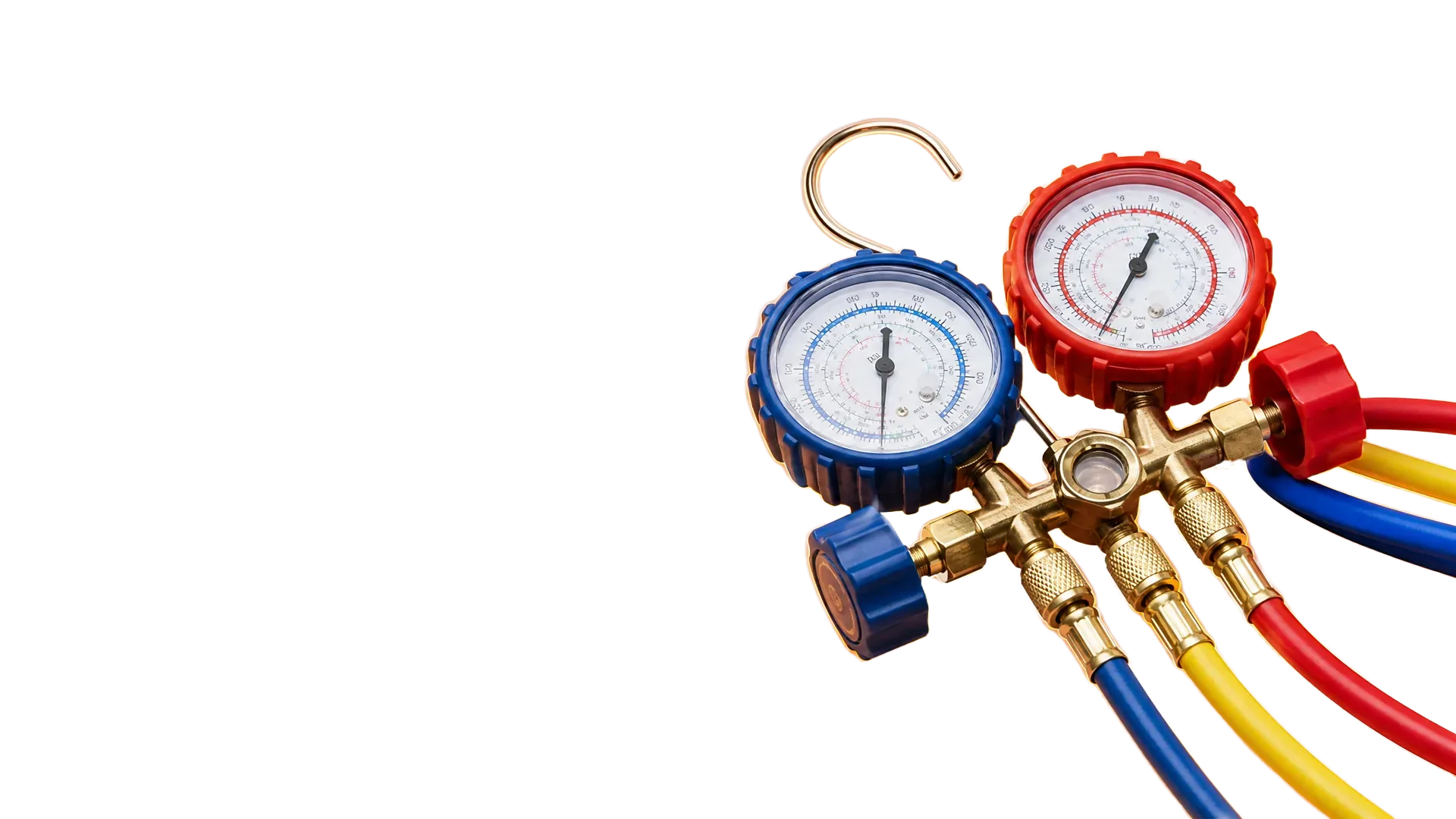
Sizing is a calculation, not a guess
The number on the nameplate comes from a load calculation, not square footage alone. A contractor doing it right measures the house. How much window area faces the sun. How much insulation is in the attic. How many people live there. What the ductwork can actually move. All of that goes into figuring how much heat the house picks up on a hot afternoon, and the condenser gets matched to that number. Too big and the unit blasts cold air, hits the thermostat's setpoint, and shuts off before it's run long enough to pull moisture out of the air. The house ends up cold and clammy at the same time, and the compressor starts and stops far more than it should, which wears it out faster. Too small and it runs flat out all afternoon and still can't catch up, especially once the sun's been on the roof for hours. Neither mistake shows up on the showroom floor. It shows up the first week of real heat.
Cheap power means efficiency isn't what pays off here
Electricity here runs 11.52 cents a kilowatt-hour, cheaper than every state but one. Idaho homes that use air conditioning put about 4.5 million Btu (British thermal units, a measure of heat) of electricity toward it in a year, and at these rates that's a small cost next to what the same cooling runs in most other states. That changes what's worth paying extra for. A high-efficiency condenser costs more up front, and here it takes longer to earn that back in lower bills. A unit sized right for the house and installed clean matters more. The correct charge. Good airflow across the coil. A compressor that starts without straining. Efficiency above that is a smaller factor in this state than in most.
Most Idaho homes match a new AC to the gas furnace or electric system already in place.
Tell us about the job
Takes about a minute. No obligation.
Fill out the form and a licensed Idaho contractor sizes the system to your house.