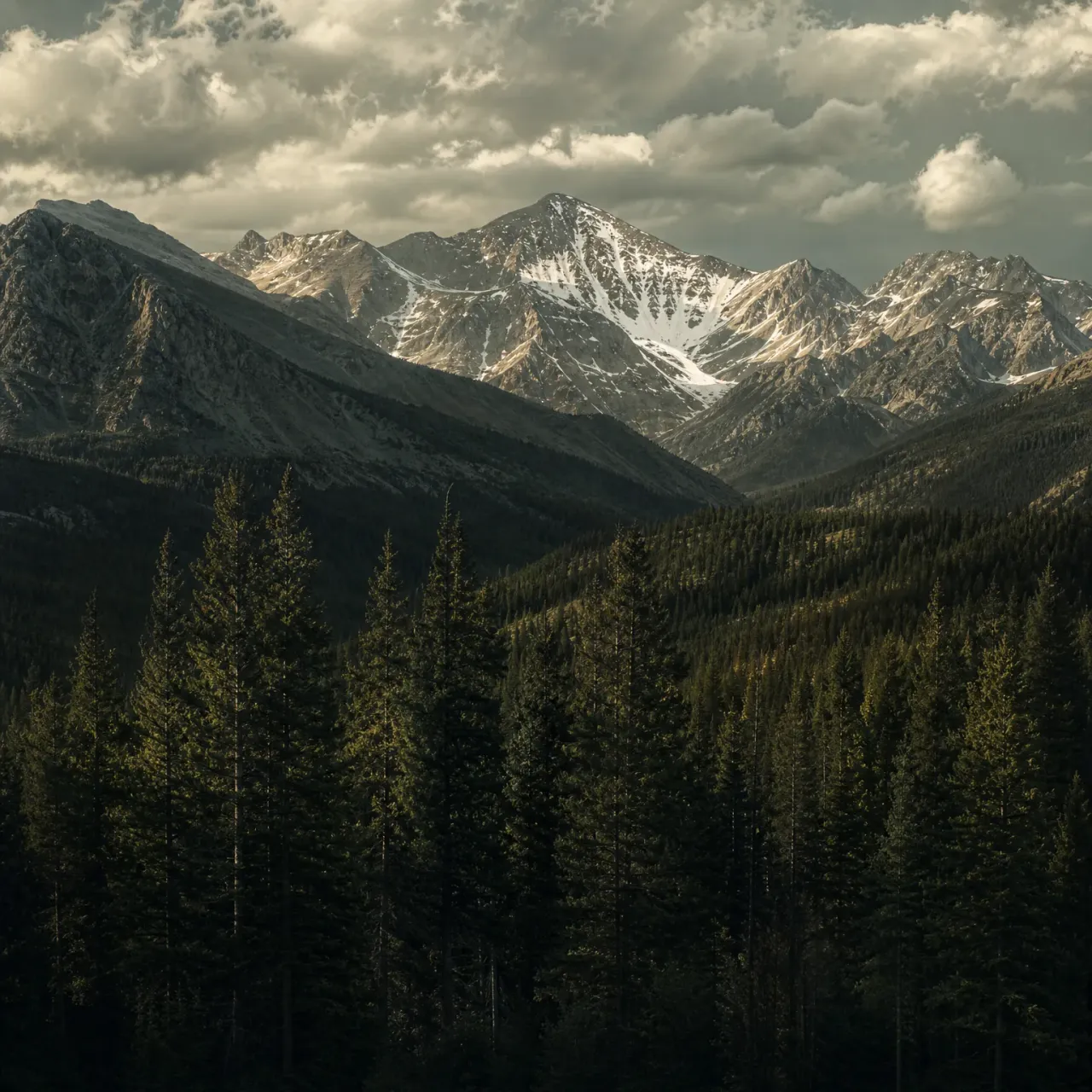
A paved road bordered by a rustic log rail fence and gravel shoulder passes a row of dark-sided cabins with metal gable roofs beneath tall pine trees.

AC Installation in Kellogg, ID

Tell us about the job

Takes about a minute. No obligation.

New system or replacementCentral ACShoshone County, ID
Step 1 of 2

What ZIP code is the job in?

Gas heat is the norm here

Utility gas heats 51.9% of homes in Shoshone County, more than any other fuel. Electricity comes in second at 33.2%. A lot of these homes pair a gas furnace with central air, since the ductwork for the furnace already runs the cold air too.

What that means for your install

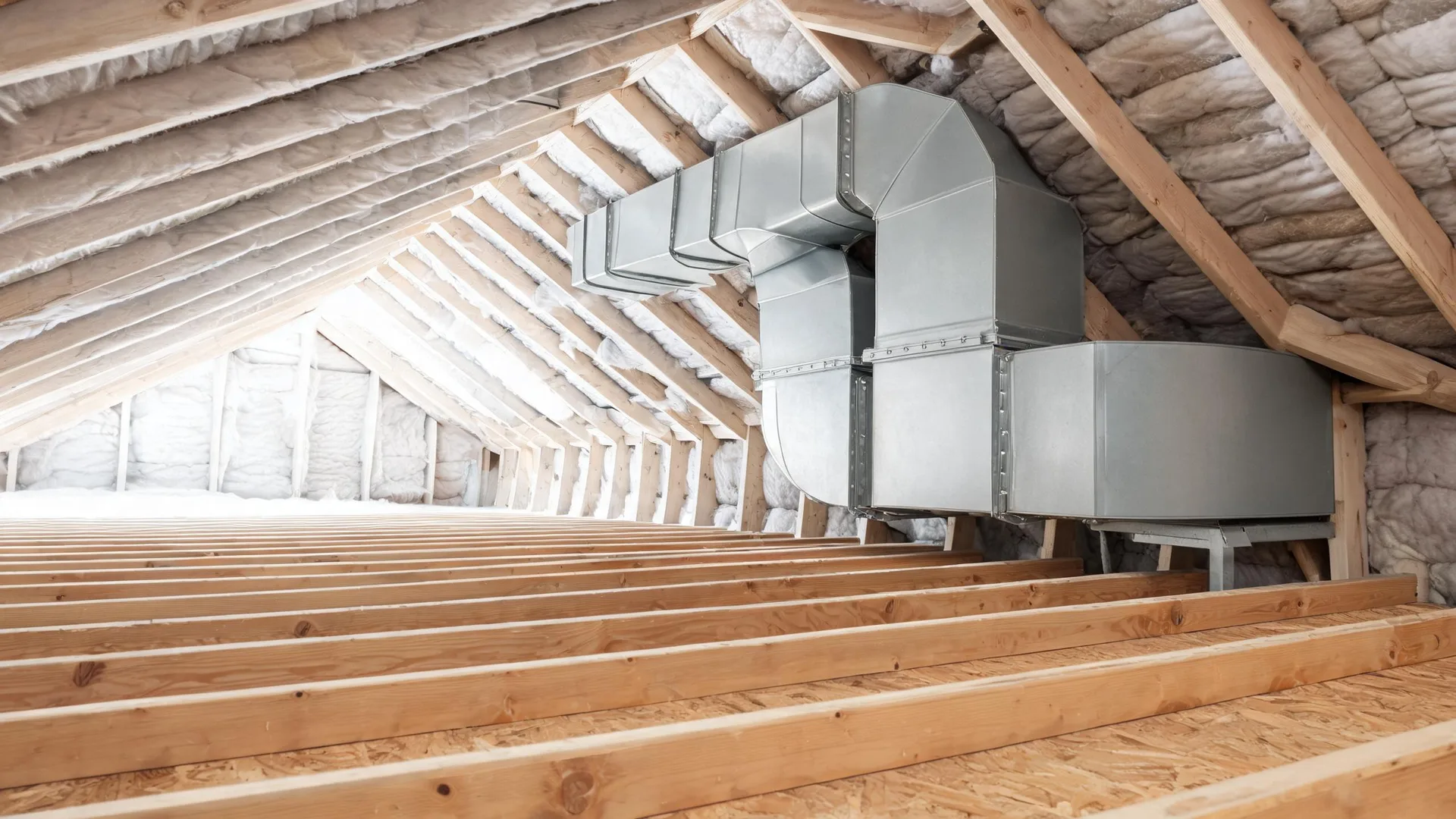
If your house already has a gas furnace, central air usually goes in as a coil added to that same ductwork, with a new outdoor unit. The installer will still need to check your ducts and your electrical panel can handle the new unit before giving you a final plan.

73°F
the average summer afternoon it cools against
2 hail events
in ten years, and hail bends the fins on outdoor coils
13.4 SEER2
the federal minimum any new unit must meet
Isometric line illustration of a cutaway single-story building showing interior rooms, ceiling ductwork and an air handler, connected by lines to an outdoor condenser unit beside the exterior wall.
Your air conditioner works hardest from July through August.

NOAA nClimDiv, 1991–2020 normals

Half the homes in Shoshone County were built in 1959 or earlier.

An install in a house that old has to work with the house you have, not one built to spec for central air.

Winter storms are the weather risk here, not heat. Your AC can be sized like anywhere else.

205 severe weather events from 2015 to 2024
11% of homes statewide lost power a day or more in 2024
13 damaging wind events from 2015 to 2024
A mild summer here, not a reason to undersizeAfternoon highs average 73°F in June, July and August here.

Ask every contractor for a load calculation, not a guess based on square footage. The size of your old unit does not tell you what the new one should be, especially if anything about the ductwork or insulation changed since it went in. Ask what SEER2 rating they are quoting and get it in writing. That number is what determines how much the unit costs to run, not the tonnage. Ask whether the quote includes a new coil or just the outdoor condenser. A mismatched coil will keep the system from hitting its rated efficiency no matter how good the new unit is. Ask whether they plan to test your existing ductwork for leaks or just connect to it as is. A contractor who wants to look at your attic, your panel and your ducts before naming a price is doing it right. One who quotes a number over the phone without seeing any of that is guessing too.

Cheap power here means fit matters more than efficiency rating

Electricity in Idaho ran 11.52 cents per kilowatthour in 2024, cheaper than most of the country. That changes the math on which unit to buy. A high-SEER2 system costs more up front and takes longer to earn that back when power is this cheap. For a lot of homes here, a reliable mid-range unit sized right for the house is the better call than paying extra for the top efficiency rating. Get the load calculation done and compare quotes on fit, not just the SEER2 number.

Find a contractor
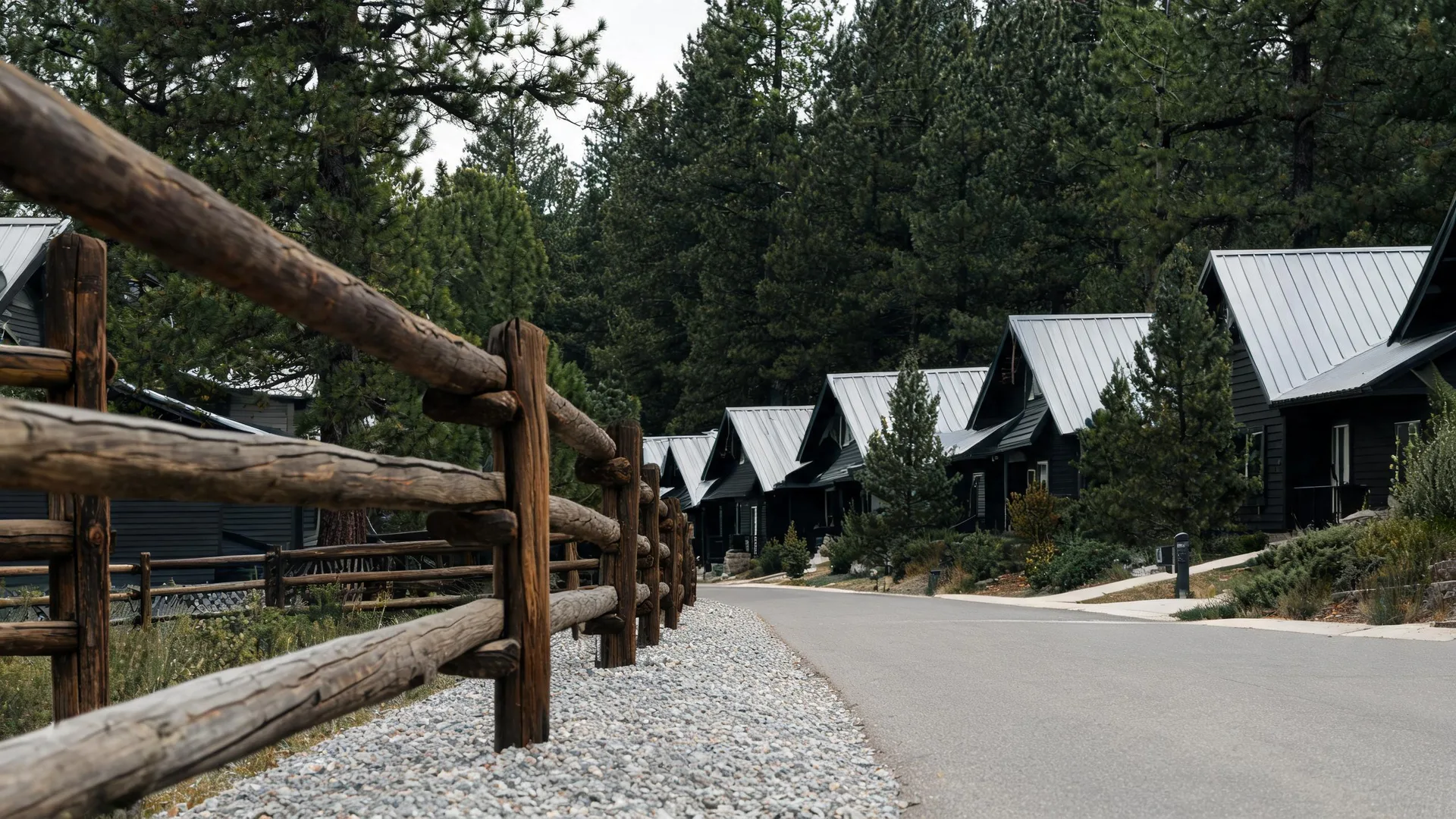

An outdoor air conditioning condenser unit mounted on a concrete pad beside a house, with electrical conduit running to a wall-mounted disconnect box.

Decades of changes to account for

If your ductwork dates back to the house, a contractor sizing your system needs to look at it before naming equipment. Rooms added since 1959, windows swapped out, insulation upgraded here and there, any of that changes how much the house needs to move. A load calculation done today accounts for what the house is now, not what it was when the ducts went in.

Too big is its own problem

An oversized unit cools the air fast and shuts off before it pulls the moisture out of the room. The house ends up cold and clammy at the same time. It also cycles on and off more often, and that start-stop puts more wear on the compressor than a system that runs in long steady stretches.

The math behind the number

A load calculation adds up how much heat the house gains. Square footage, ceiling height, window area and direction, insulation, how each room gets used. None of that comes from a chart matched to house size. It gets worked out room by room, which is why houses that look alike from the outside can need different size units.

Overhead view of an air conditioning condenser unit on a concrete pad next to a house with asphalt shingle roofing and vinyl siding.

Going above the federal minimum saves little here, about $10 a year.

  • A higher-efficiency unit$30 a year
  • A new unit at the federal minimum, 13.4 SEER2$40 a year

Estimates for a typical Shoshone County home, from EIA household energy data, Idaho fuel prices and NOAA climate normals. Your home will differ.

Install day starts with the parts that were decided before anyone shows up with equipment, so the morning is usually spent confirming all of it still holds. The outdoor pad goes in or gets reset level, since a unit that sits crooked wears its compressor mounts faster. Old refrigerant gets recovered from the existing lines, not vented, and the line set either gets reused after a pressure test or replaced if it's undersized for the new unit. Setting the coil into the plenum and sealing that joint matters as much as anything else that day, since a leaky seam there leaks conditioned air into the attic for as long as the system runs. Once the outdoor unit is set and wired, the installer pulls a vacuum on the lines before charging them, because any moisture or air left in there will damage the compressor over time. The last part of the day is charging the system to the exact weight the manufacturer specs and checking airflow at the vents, not just confirming the unit turns on.