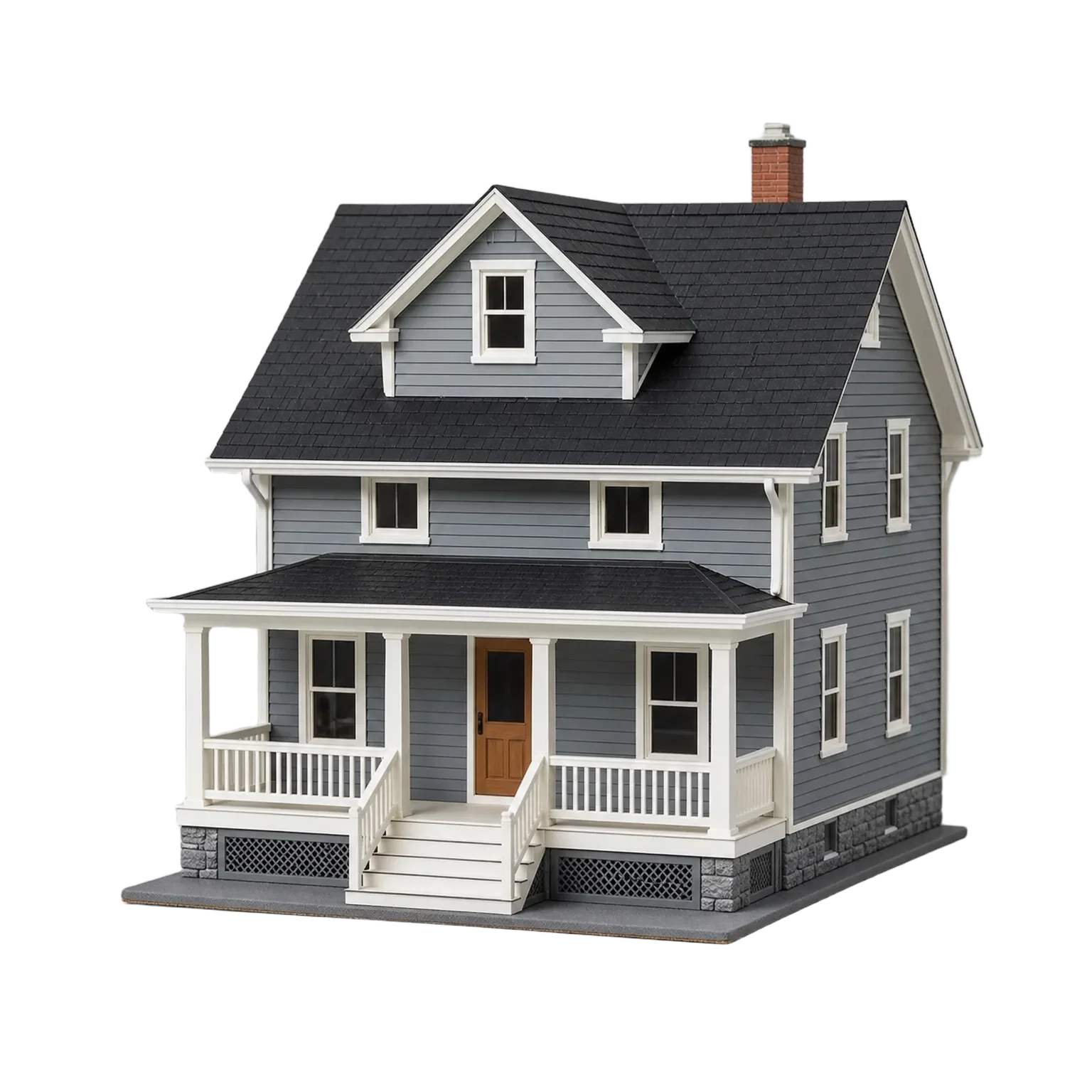
Running clean
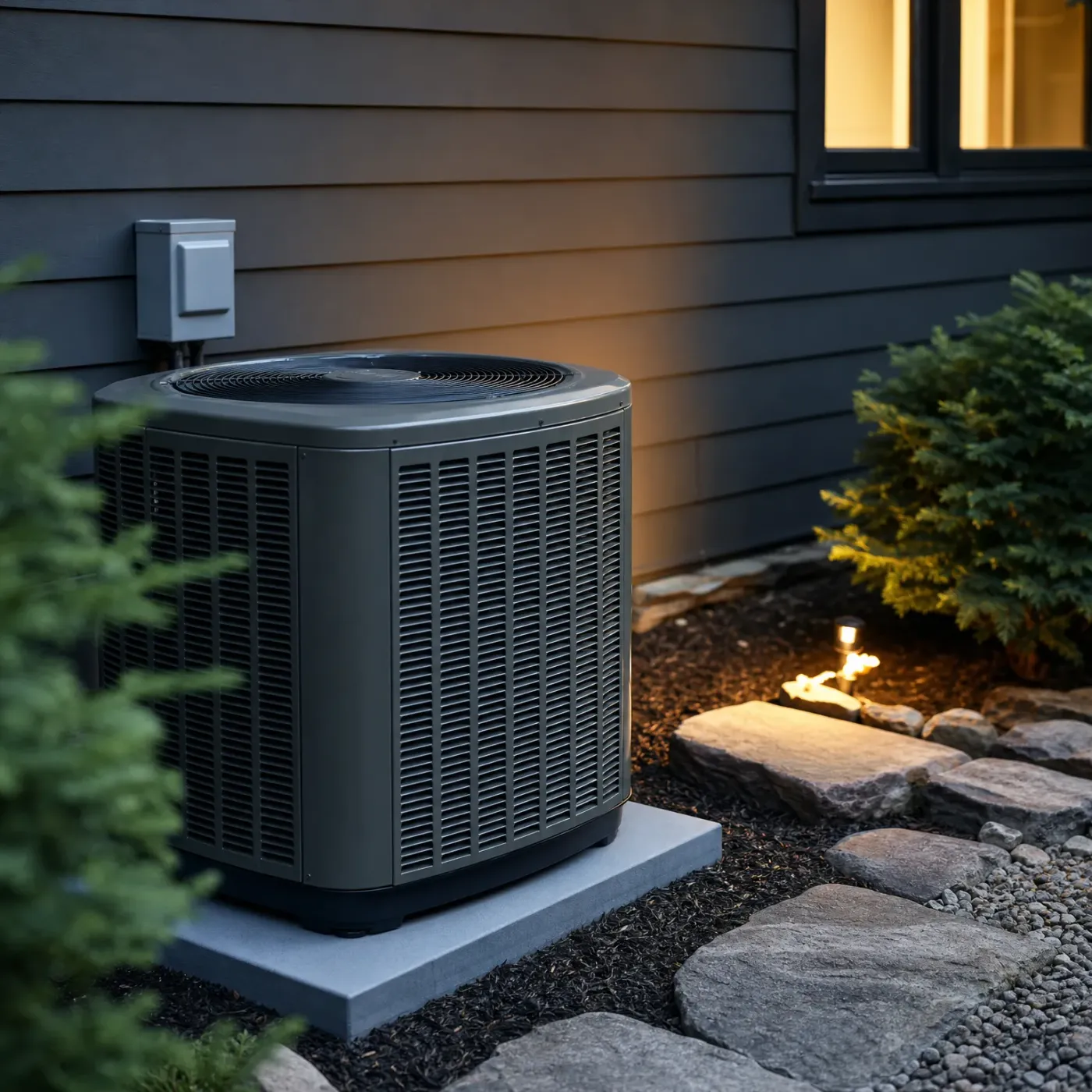
This is what a healthy system looks like outside. Air moves through the fins, the coil stays clear, and condensate drains off as fast as the unit produces it. Nothing backs up because nothing is blocking the path out.
No calling every shop in Kootenai County
Water showing up around your air conditioner usually means a clogged drain line or a frozen coil that's now thawing. This page walks through what causes each one and what to check before water reaches your floor or ceiling. Skip the search for a contractor, the back and forth explaining the problem, and the quotes to sort through. One licensed Kootenai County contractor who works on these systems all summer can take it from here.
Fill out one formWater around your air conditioner almost always comes from the drain line or the coil. The AC pulls moisture out of the air and that water is supposed to run off through a drain line to the outside. When that line clogs with algae or dirt, the water backs up and spills out of the drain pan instead, often from a vent near your indoor unit. The other common cause is a frozen evaporator coil that built up ice while it was running and is now melting faster than the pan can handle, usually from a dirty filter blocking airflow or the system low on refrigerant. Idaho summers run hot and dry, so an AC here works hard for months at a time, and that steady run time is what lets a clogged line or a dirty filter turn into standing water. Either way, water inside means something upstream needs attention before it reaches your floor or ceiling.
Dry summer air still holds moisture indoors, especially with the AC running most of the day through July and August. That condensate drips into the drain pan and down the line every hour the system runs. Algae and dust build up along the inside of that line over a season of use, and the narrow spot where the line exits the house is where it usually backs up first. A clear line drips steadily outside; a clogged one sends water back into the pan until it overflows.
A coil freezes when airflow across it drops, often from a dirty filter or a closed vent, or when refrigerant charge is low. Ice builds along the coil while the system runs, and you may not see it. Once the unit shuts off or the thermostat is satisfied, that ice melts all at once, faster than the drain pan can handle. That's why water often shows up after the AC has stopped running rather than while it's on.
Water at the vents or a stain spreading on the ceiling is a different problem than water pooling by the indoor unit. That usually means the air handler or the ductwork above the ceiling is involved, not just the drain line at floor level. You want to know how water gets from the AC up into the ceiling in the first place before you start cutting into drywall.
If your air handler sits in an attic or a closet above living space, the drain pan underneath it catches condensate before it reaches the drain line. When the line clogs or the pan cracks, water has nowhere to go but over the edge, onto the floor of the attic or closet, and down through the ceiling below. Some systems have a second pan with a float switch that shuts the AC off before it overflows, but not every home here has one installed. Once you see a stain at a vent or on the ceiling, water has already been collecting for a while above it.
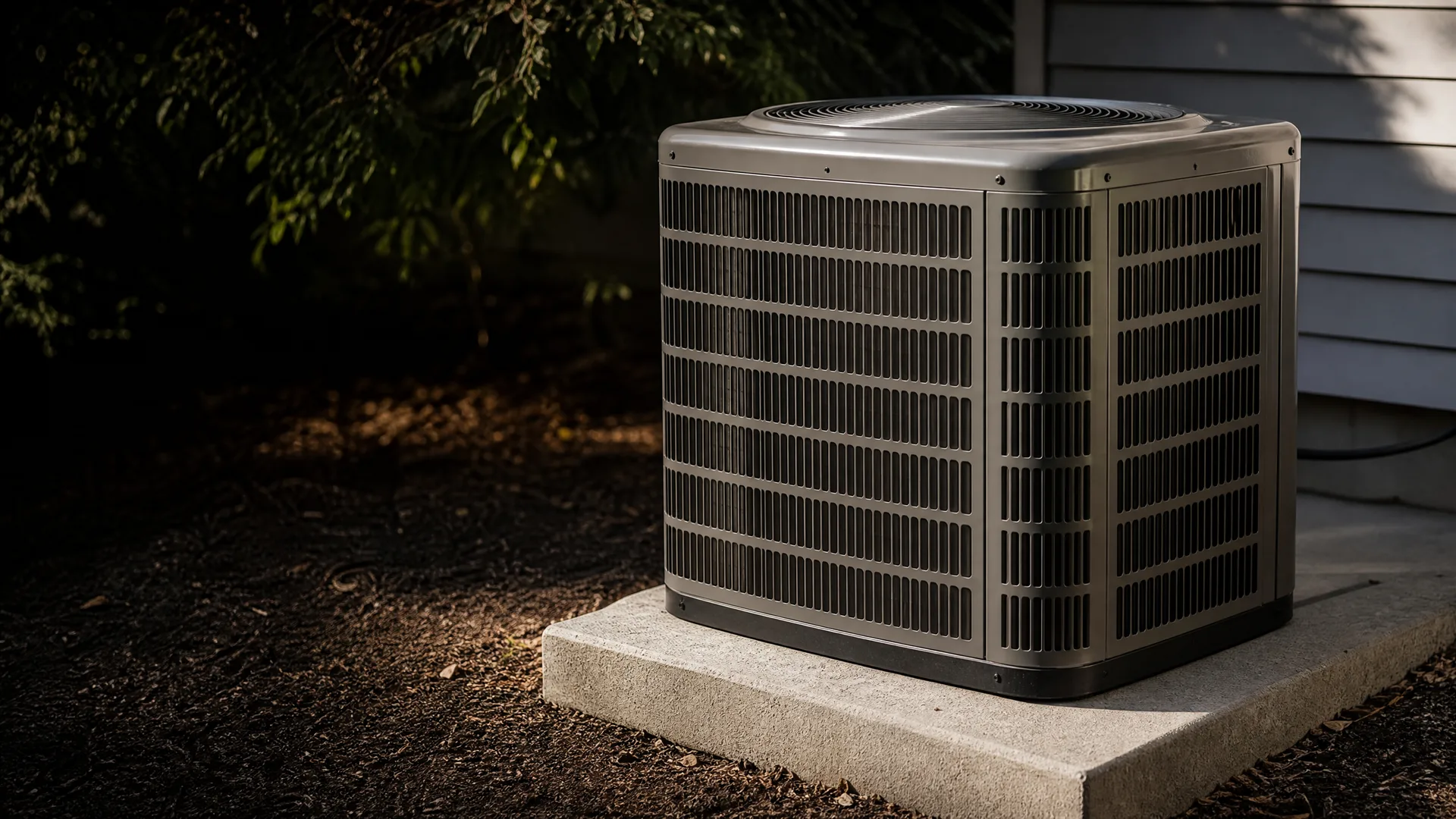
This is what a healthy system looks like outside. Air moves through the fins, the coil stays clear, and condensate drains off as fast as the unit produces it. Nothing backs up because nothing is blocking the path out.

Dirt and debris packed into the fins like this block airflow across the coil. The coil runs colder than it should, ice builds up, and when it thaws faster than the drain can clear it, water ends up on your floor instead of outside.
Look where the water is sitting. A puddle by the indoor unit, a damp spot on the closet floor, or water creeping toward the baseboards. You might smell something musty before you see anything, especially if the drain pan has been holding water for a while. If the unit is in a closet or utility room, check the flooring and the wall behind it for soft spots or discoloration. Left alone, that water will warp flooring, stain drywall, and give mold a place to start, and a pan that keeps overflowing means the system is working against itself every time it runs. None of that needs to happen. Most of it comes down to a clogged line or ice built up on the coil, both worth checking before the water spreads any further.




A licensed pro who repairs air conditioners in Kootenai County gets your request.
Asking costs nothing, and the choice to hire stays yours.

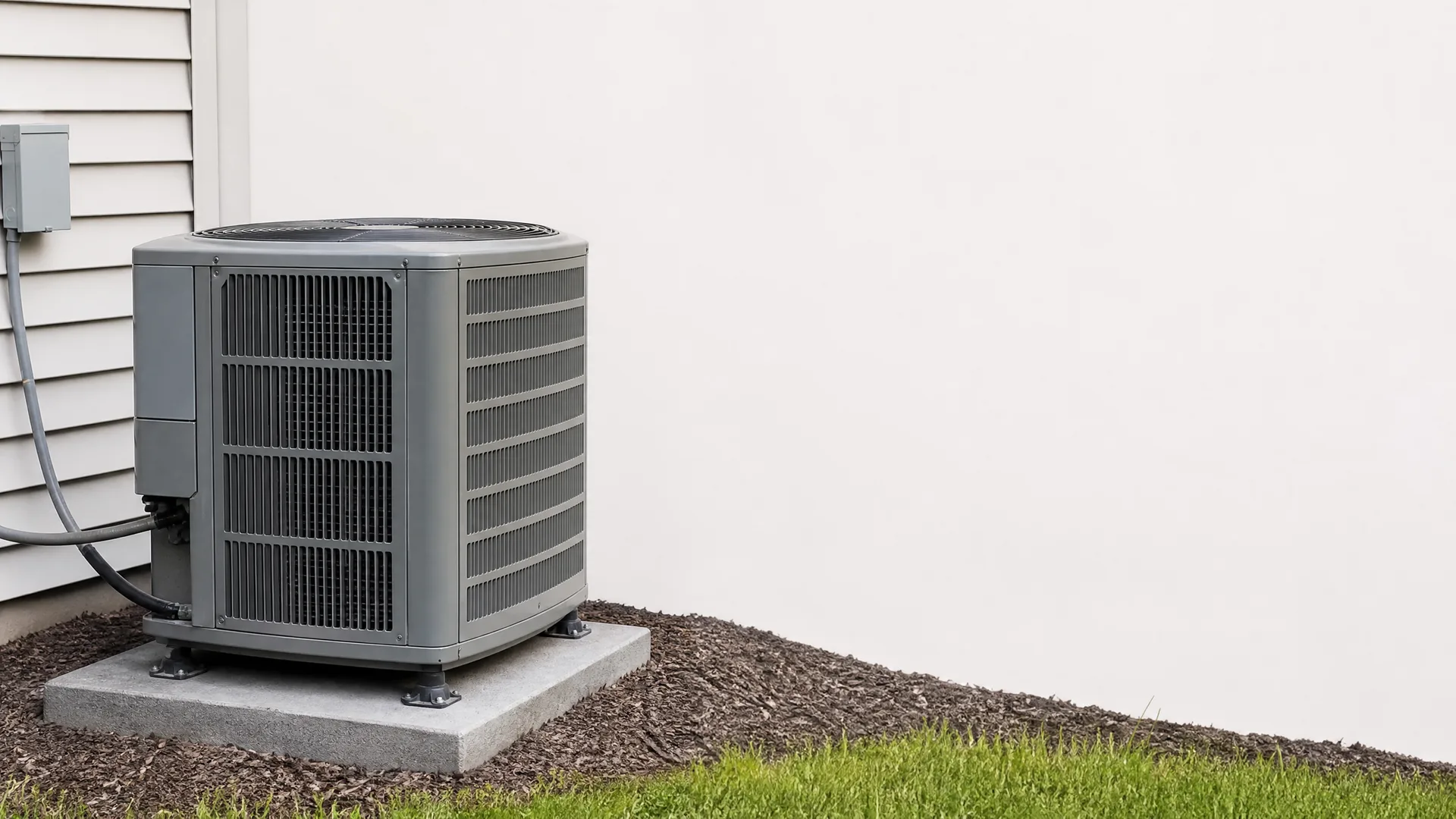
The condenser sits on its pad, fan clear, coil clean behind the guard. It cycles on and off through the afternoon without strain. Nothing is pooling underneath it or staining the concrete pad it sits on.

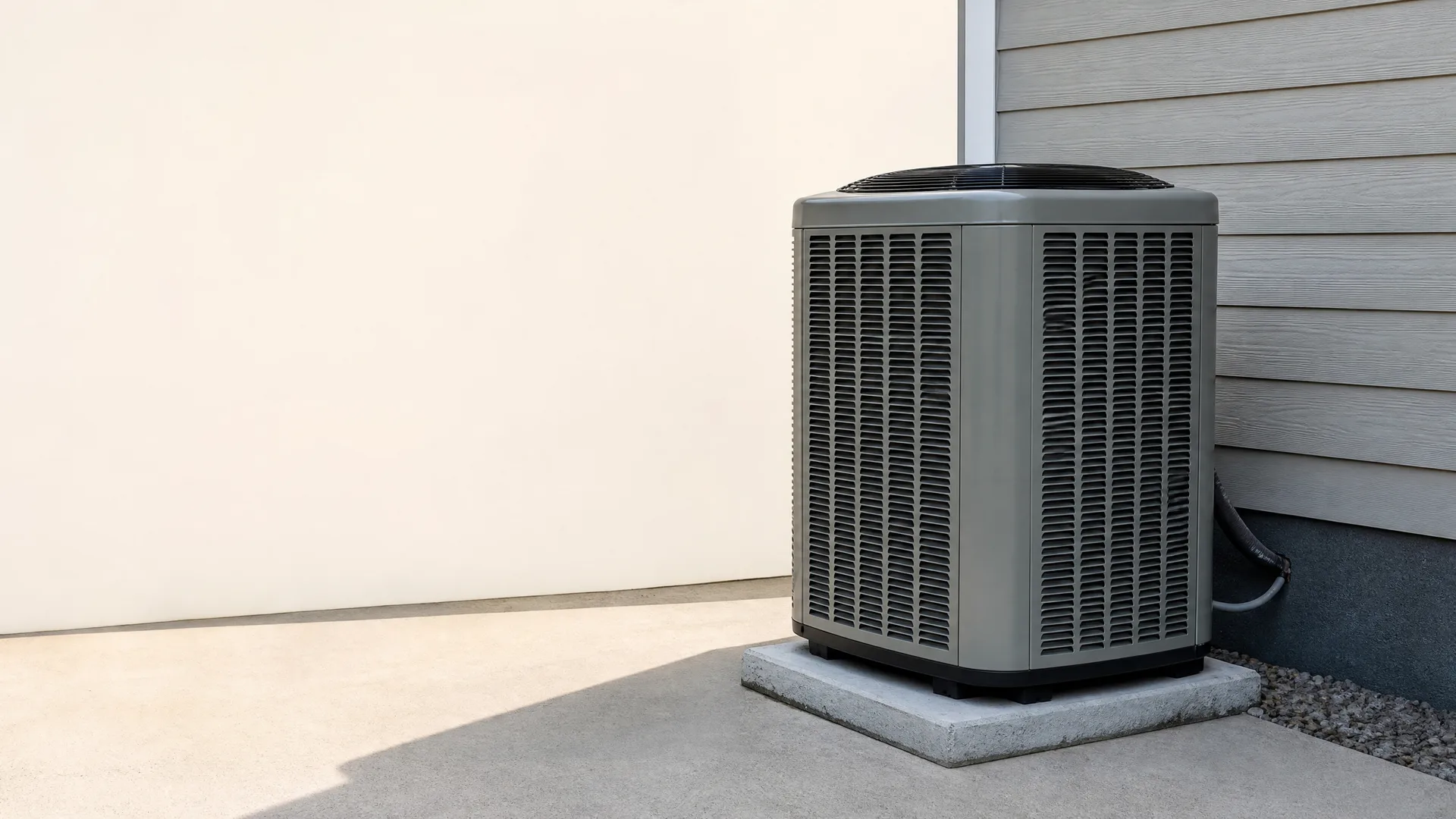
Dirt has built up on the coil guard and stayed there through more than one summer. A coil caked like this blocks airflow and can ice over, and ice that thaws is where a lot of indoor leaks start.


Leave a small clog alone and it gets worse. More algae builds, the line narrows further, and the pan fills faster than it can drain until water finally spills over the side.
Catch it when the pan is just starting to hold water and clearing the line is usually all it takes. Wait until it's running over onto your floor and you're also dealing with whatever that water touched on the way down.
Your air conditioner here really only has one month of real work to do. July is when it runs long enough, hour after hour, to load that drain line with condensate and give algae the steady moisture it needs to build up. A clog that's been sitting since last summer tends to show itself fast once the heat hits.
NOAA nClimDiv 1991-2020


Summer air in Kootenai County holds a lot of moisture for how dry it feels, with a dew point averaging 47°F through June, July and August. That's the water your AC has to pull out of the air before it can cool your house, and all of it has to leave through the drain line. The heavier the air, the more condensate drips into the pan hour after hour the unit runs. That steady flow is also what feeds algae growth inside the line. If you've noticed water pooling by the indoor unit mostly on the hottest, muggiest afternoons, this is why: the system is working harder to wring moisture out, and the drain line is carrying more than it does the rest of the year. Source: regional dew point averages, Kootenai County, ID.
NASA POWER T2MDEW
Warm indoor air passes over the cold evaporator coil and loses its moisture
Condensate collects in the drain pan under the coil
Water flows out through the drain line to the outside
Algae or dirt inside the line blocks that flow


You explain the leak to one company, then the next, comparing quotes and schedules while water keeps collecting by the indoor unit.
A contractor near Coeur d'Alene who works on these systems every July gets the details once and comes knowing what usually causes it.

A clogged drain line or a thawing coil accounts for almost every case of water showing up around an air conditioner. Water at a vent or on the ceiling points somewhere else, usually the air handler or the ductwork above it. Either way the cause is narrow enough that a contractor who works on these systems knows where to look first.
You don't have to figure out which one it is before you get help. A contractor near Coeur d'Alene can tell you in minutes whether it's the line, the coil, or something in the ductwork, instead of you calling around to two or three companies, describing the puddle each time, and sorting through different quotes before anyone even looks at the unit.

Describe it once