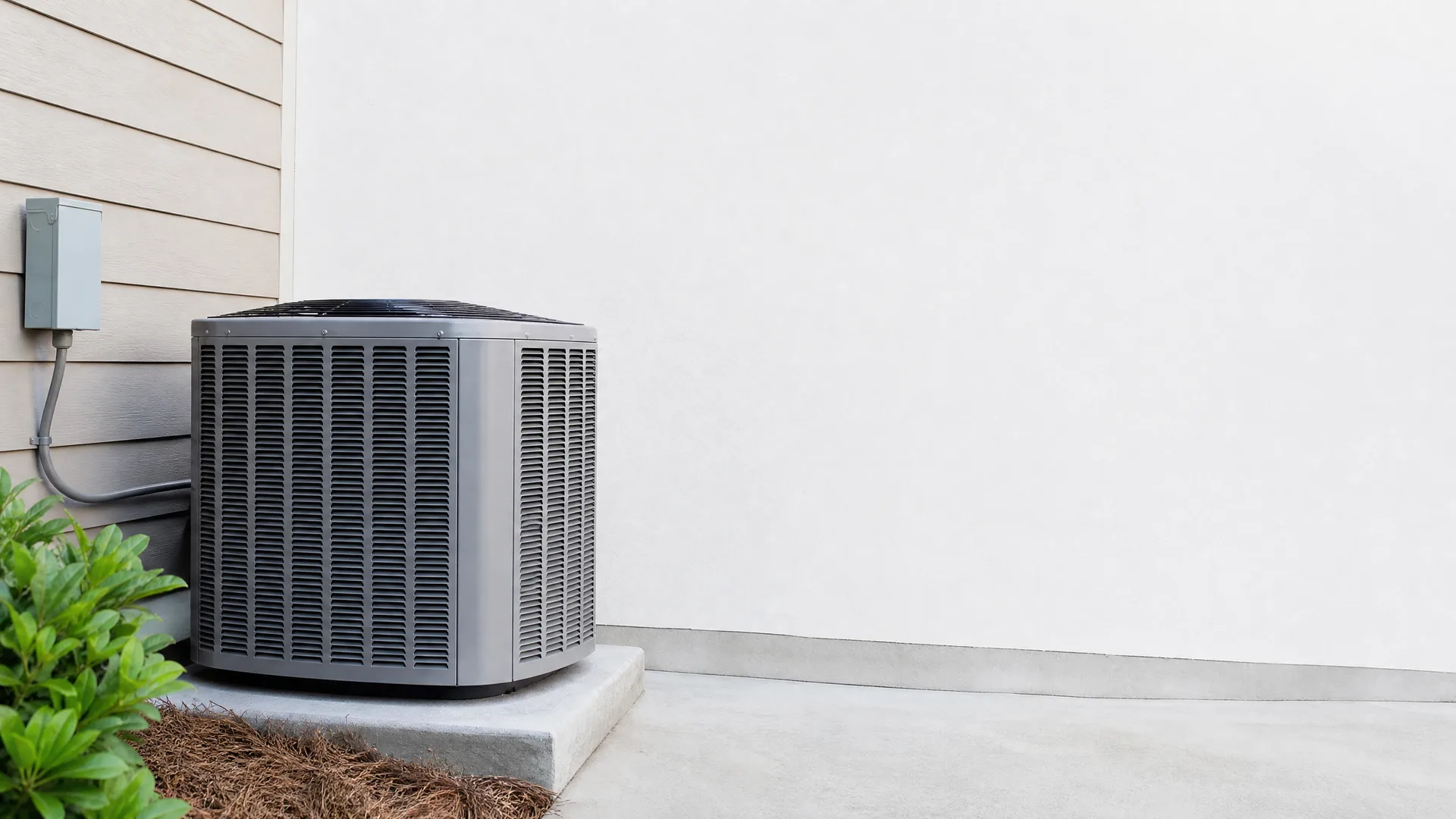
Running the way it should
This is a system moving heat the way it's built to. Mulch and lawn around the pad, lines running clean up the wall to the disconnect. Air comes off the vents cold because nothing is blocking the coil from doing its job.
A frozen AC unit means ice has built up on the indoor coil, and the usual cause is airflow that's too weak to carry heat off it. A dirty filter is the most common reason, but a closed vent, a dirty coil, or a low refrigerant charge can do it too. Once ice forms, it keeps the coil from absorbing heat at all, so the house stops cooling even though the unit runs. Turn the system off and switch the fan to on so the ice can melt, and check the filter while you're at it. Don't run the compressor again until the coil is clear, because ice buildup can push liquid refrigerant back into it and damage it. If the coil freezes again once it's running normally, something beyond the filter needs a look, and with summer heat here, that's not a fix worth putting off.




You'll likely see ice on the copper line or coil outside, and inside the vents start blowing warm air even though the thermostat is set right. Sometimes water shows up around the indoor unit as the ice melts back off. You might hear the system running louder than usual, or notice it's been cycling without actually cooling the house down. If you shut it off and the ice doesn't come back for a while, airflow is the likely cause. Running it iced up for days at a time puts strain on the compressor, and a compressor failure costs far more than the fix that would have stopped it.
Warm air moving across the indoor coil keeps the refrigerant inside at a temperature that stays above freezing. Cut that airflow down with a clogged filter or a closed vent, and the coil surface drops below 32 degrees. Moisture in the air freezes onto it the same way frost builds on a cold window. Once a patch of ice forms, it blocks even more air, so the coil gets colder and the ice spreads.
Every hour the system runs with ice on the coil, it pulls in humid air and adds another layer, and the compressor works against a system that can't move heat the way it's built to. Shutting the system off and switching the fan to run lets the ice melt on its own, usually within a few hours. Running it the whole time instead just packs more ice on and pushes the compressor to work harder for less cool air.
Here, your air conditioner really only earns its keep in July. The rest of the year it sits idle, which means a frozen coil can go unnoticed for days if you're not running the system much. One short, hot month is exactly when you can't afford ice cutting it off.
NOAA nClimDiv 1991-2020

This is a system moving heat the way it's built to. Mulch and lawn around the pad, lines running clean up the wall to the disconnect. Air comes off the vents cold because nothing is blocking the coil from doing its job.

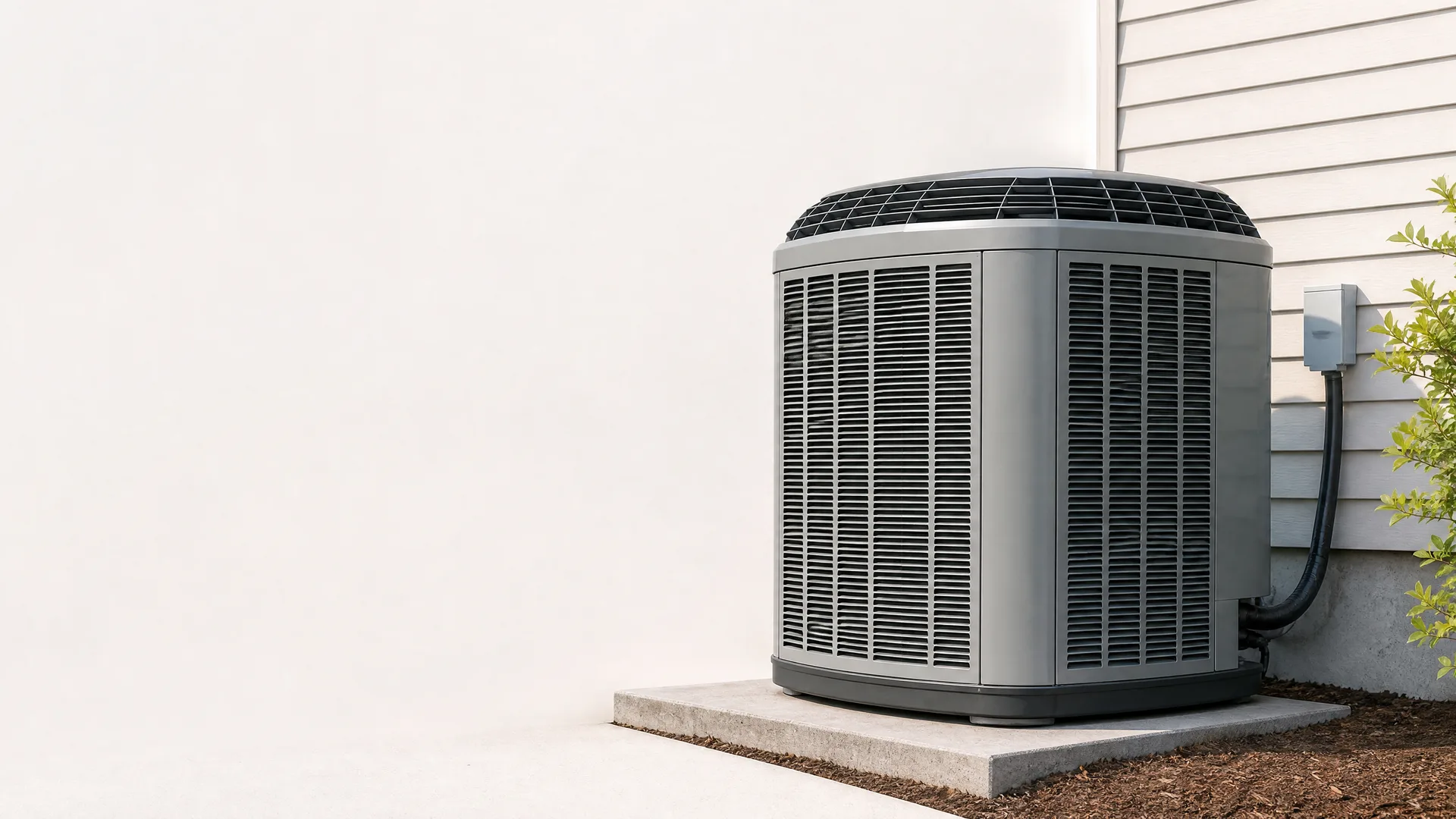
Same kind of unit, same spot next to the house, but the coil behind this one is building ice instead of shedding heat. Left alone, that ice spreads and the compressor ends up running against a blocked coil.


Explain the air conditioner problem once instead of to every shop in Kootenai County.
Sending the form costs nothing.
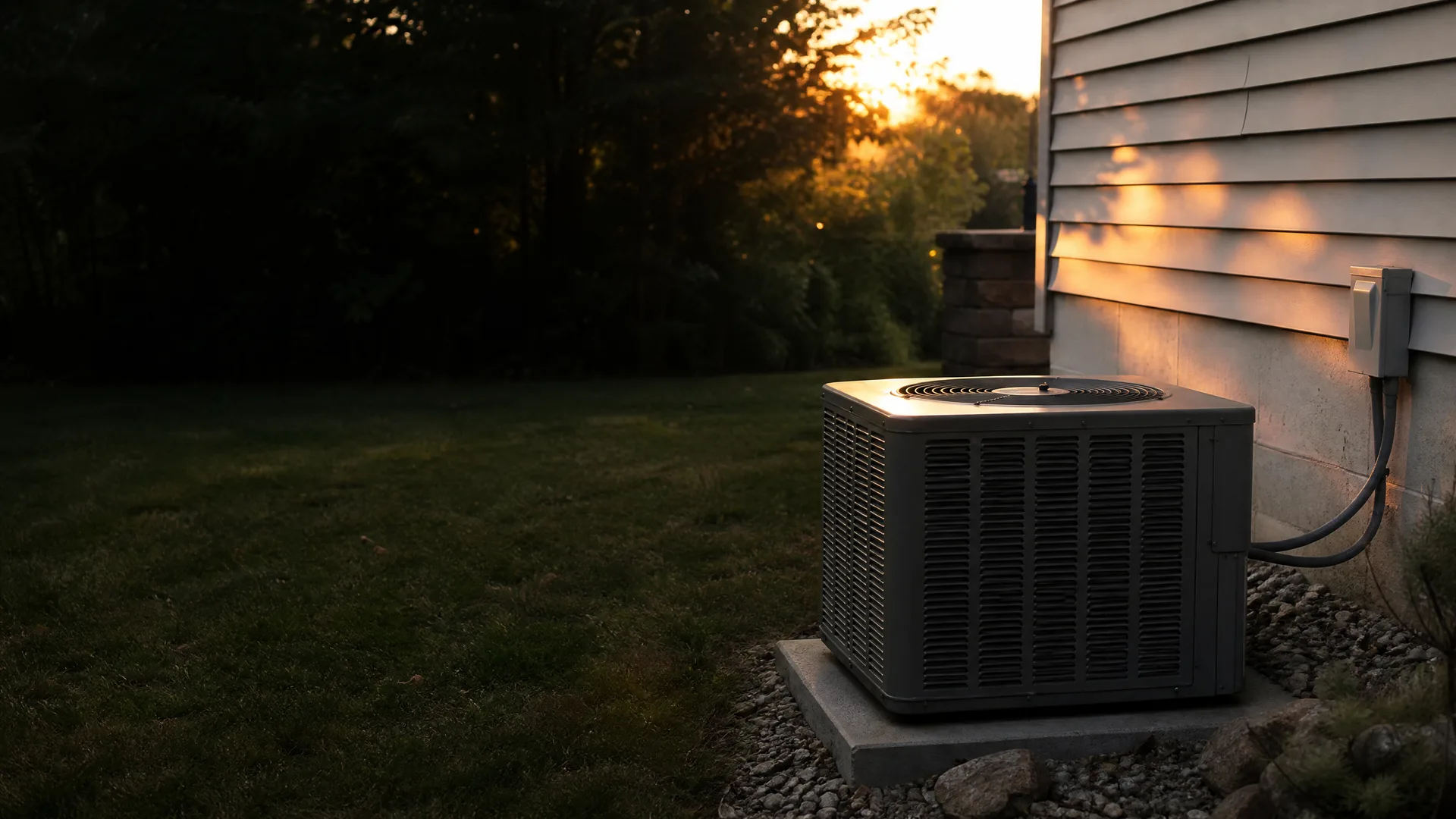
You're out on the deck around seven, the light going gold over the yard, and you notice it's quiet. Too quiet. The condenser by the fence has gone still, fan not spinning, just sitting there while the house behind you stays warm. You walk over and feel no air moving off the top of the unit. Inside, your thermostat still reads the number you set it to, but nothing's catching up. You already know what you'll find on the coil when you pop the panel off, that white crust of ice creeping over copper that should be bare. August evenings in Kootenai County aren't supposed to feel like this indoors.

A frozen coil needs airflow turned back on before it can do any cooling again. Shut the system off at the thermostat, switch the fan to on so air keeps moving, and give the ice time to clear. Check the filter while you wait. That's the part worth knowing today.
What happens after that is worth getting right too, and that's where most homeowners lose an afternoon: looking up contractors, calling a few, explaining the ice and the warm air and the water on the floor to each one, then sitting on quotes trying to tell them apart. Send the form here and that part is handled. You won't be the one tracking down who's licensed, who's free, or who calls back.



A frozen coil in July doesn't fix itself, and most homes around Coeur d'Alene only need their AC that one hard month. A contractor can tell you fast whether it's a filter, a closed vent, or a refrigerant leak, and get the system running cold again before the heat comes back. Send the form and skip the part where you're calling around, explaining the problem twice, and sorting through quotes on your own. Someone who knows this equipment takes it from here.
Skip calling shops to ask who repairs air conditioners in Kootenai County.
You're not committing to anything by asking.