
The unit working as it should
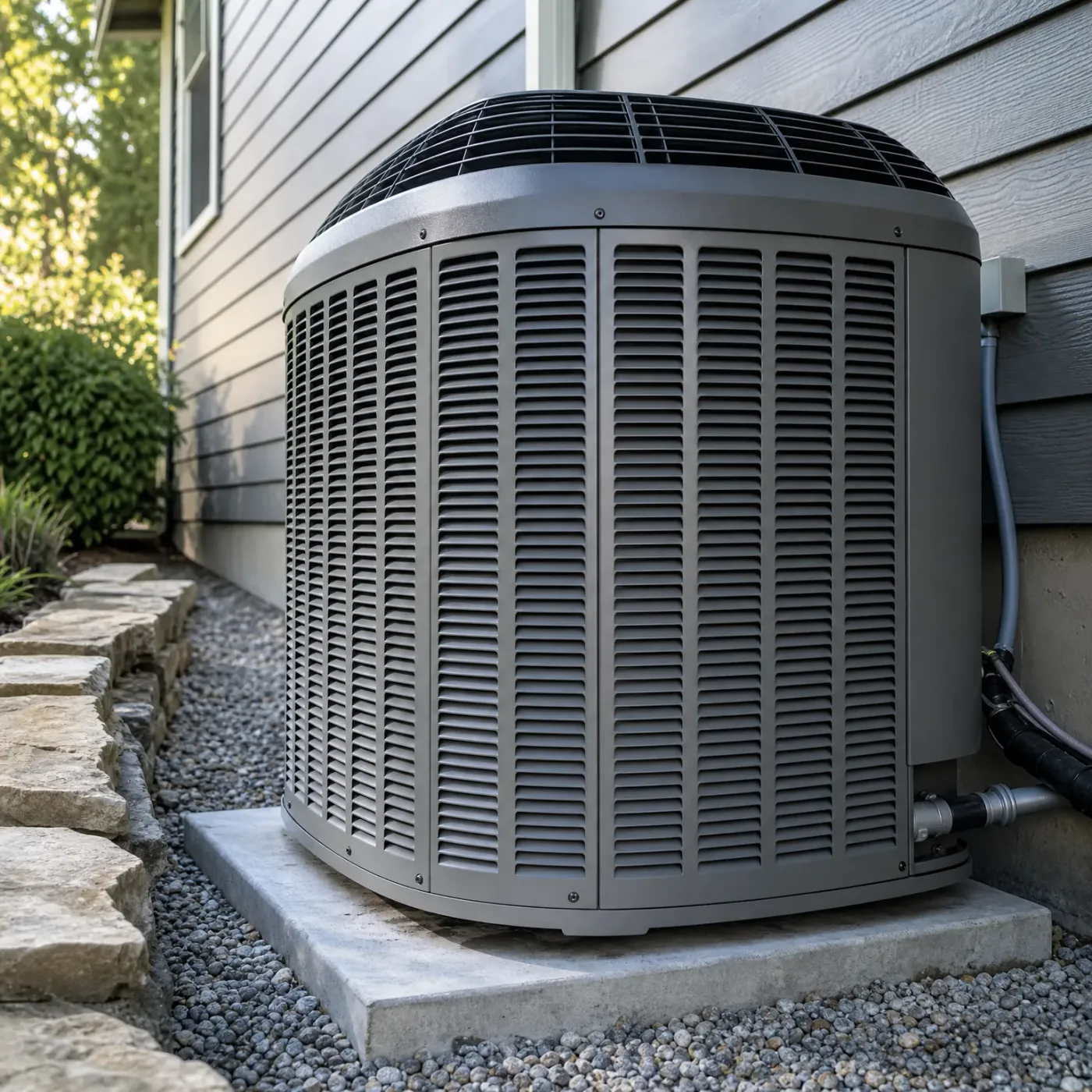
The condenser sits on its pad, lines and conduit running up to the disconnect. The fan turns, the coil fins stay clean, and the unit cycles on and off without strain. Nothing about it calls for attention.
Your AC is running but the air coming out isn't cold, and with Idaho's hot, dry summer stretching on, that's not something you can let sit for long. A unit that keeps running without doing its job usually has a real mechanical cause, and knowing what that cause looks like helps you describe it right when you ask for help.
Refrigerant doesn't get used up the way fuel does. If your system is low, it's because it's leaking somewhere in the coils or lines, and that same leak is what's letting warm air come through the vents instead of cold. Along with warm air, you'll often notice the system running far longer than it used to, ice building up on the copper line outside, or a hissing sound near the unit. Idaho's dry air means the coil can frost over quickly once refrigerant drops, since there's little humidity to slow the process. A technician can check the charge and find the leak, but running the system low on refrigerant for long stretches puts extra strain on the compressor.
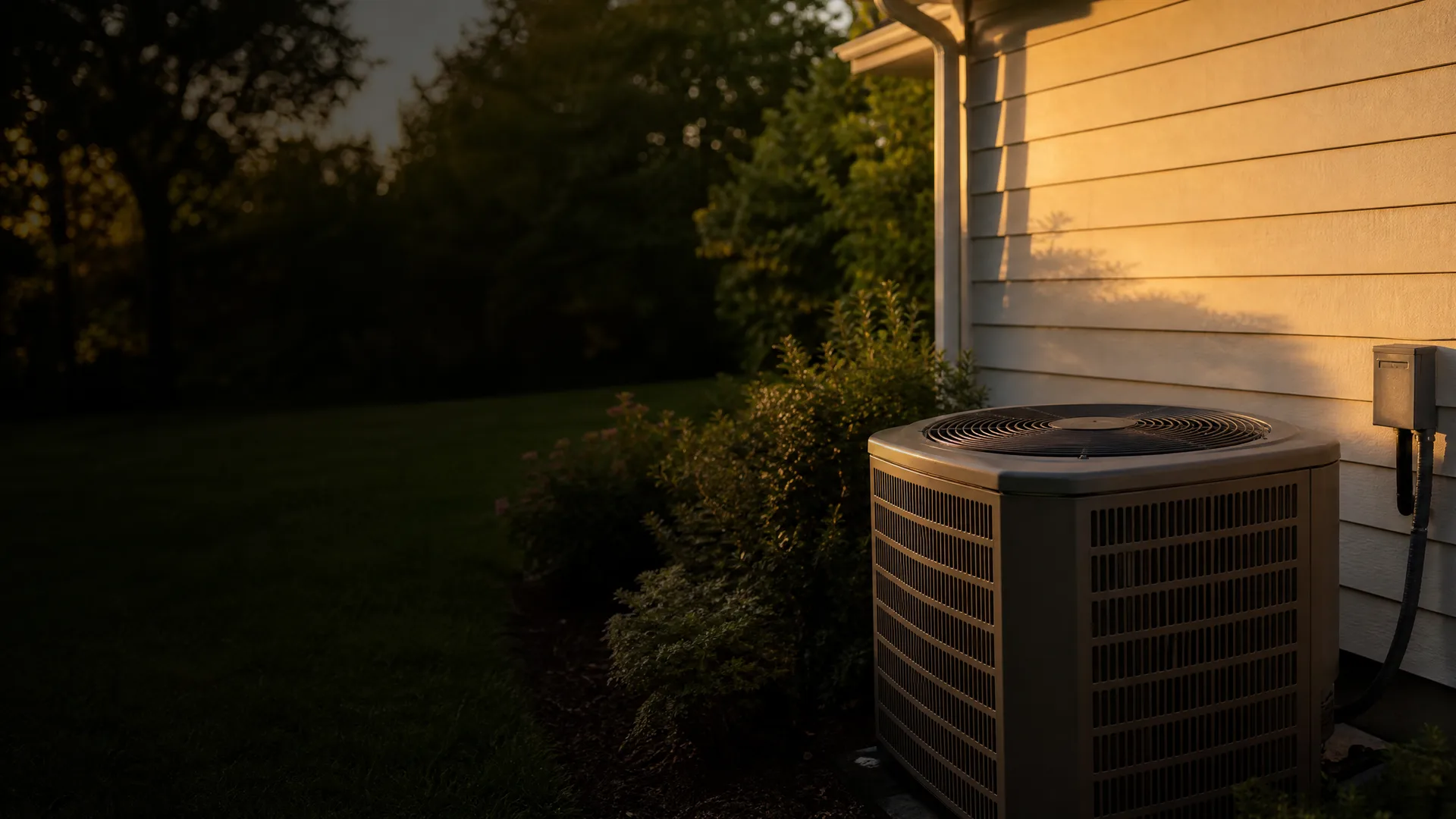
You're out back around seven, watering the garden before the heat finally lets up. The condenser sits against the side of the house, and it takes you a second to notice what's wrong. The fan isn't spinning. No hum, no air pushing out the top, just the dry evening heat and the hiss of your hose. Inside, you'd already noticed the air wasn't cold, just moving. Now you know it's not a fluke. You crouch down and check if it's warm to the touch. The sun is dropping behind the fence line, and the light's gone gold, but the house behind you is still holding the heat of the day.

Refrigerant doesn't get used up the way fuel does. If your AC is low, it's leaking somewhere in the coil or the lines, and the level only drops further from there. As it drops, the evaporator coil gets too cold for the air moving across it, and moisture in that air starts freezing on the coil instead of draining off. That ice builds up and blocks airflow, which is why a low system often ends up blowing warm even though it's running the whole time you're outside in the heat.
You can sometimes see this for yourself. Shut the system off, wait a while, and check the indoor coil or the line running to the outdoor unit for frost or ice. A hissing or bubbling sound near the lines is another sign, since that's refrigerant escaping through the leak itself. None of this tells you where the leak is or how much refrigerant is left, and a system that's been run low for a while can end up with a damaged compressor. Once you've got a sense of what you're seeing, a contractor who works on your specific setup can take it from there.


A low charge often shows up as frost on the copper line running into the house, sometimes even on the indoor coil itself. That ice forms because the coil gets too cold and pulls moisture straight out of the air onto its surface. Once ice builds, airflow drops further and the system cools even less. Checking the line on a hot afternoon costs you nothing and tells you something real.
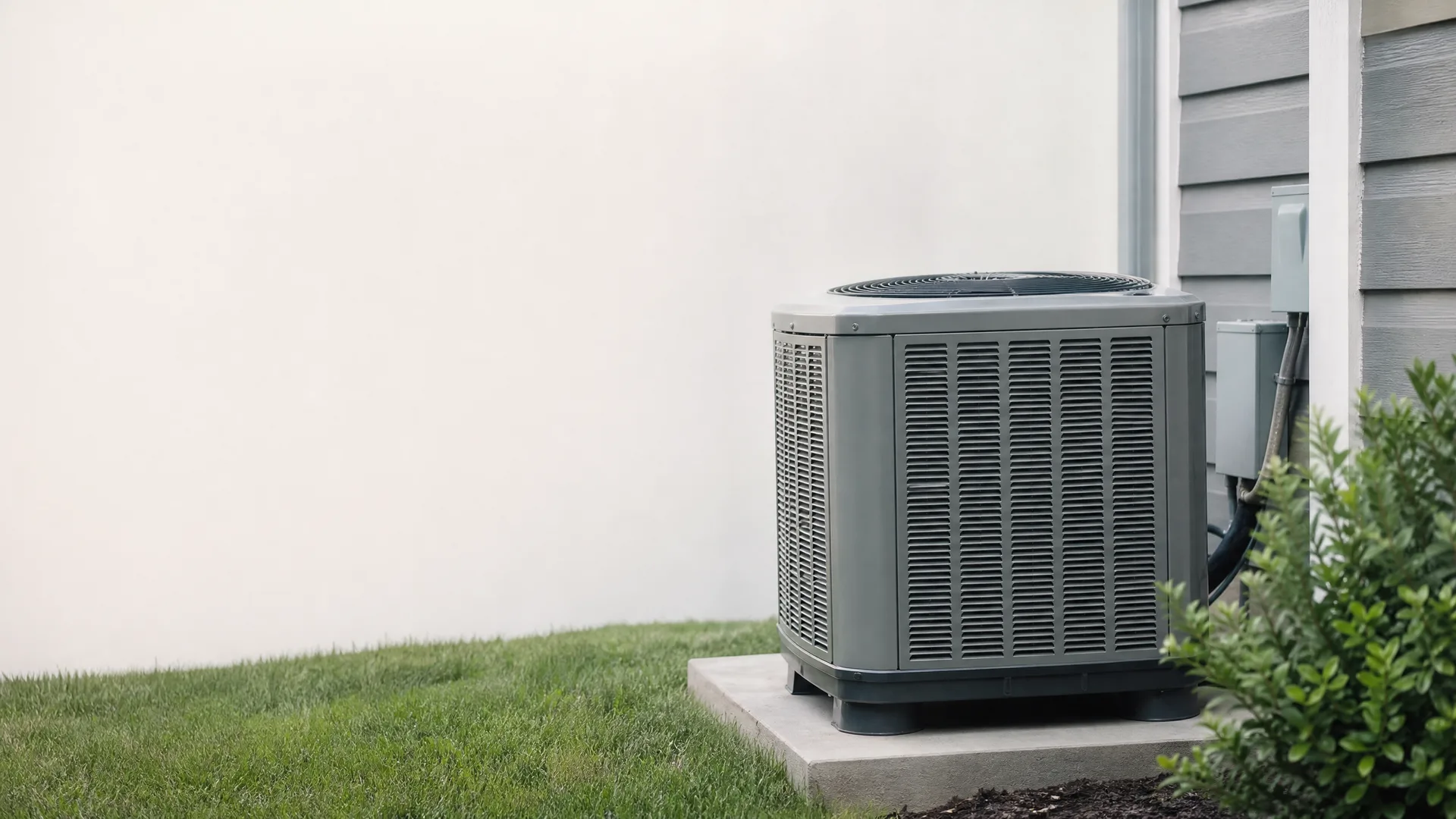
In Idaho's dry summer, your AC is built to cycle off once the house hits the temperature you set. A unit low on refrigerant may run for hours without shutting off, because it can't move enough heat out of the house to satisfy the thermostat. If you notice the outdoor unit running well past when it used to, that's worth paying attention to before the compressor takes the strain.
You've probably caught a few of these already. A room that won't cool down no matter how low you set the thermostat. The air from the vents feels weak, barely cool, not the blast you expect when it's over 90 outside. The system runs long stretches without shutting off, sometimes most of the afternoon, trying to catch up and never quite getting there. You might hear a hissing or bubbling sound near the indoor unit, which points to the leak itself. Some rooms stay hot while others cool fine, especially upstairs. Left alone through a full Idaho summer, the compressor is doing more work than it's built for, and that's the expensive part to replace.

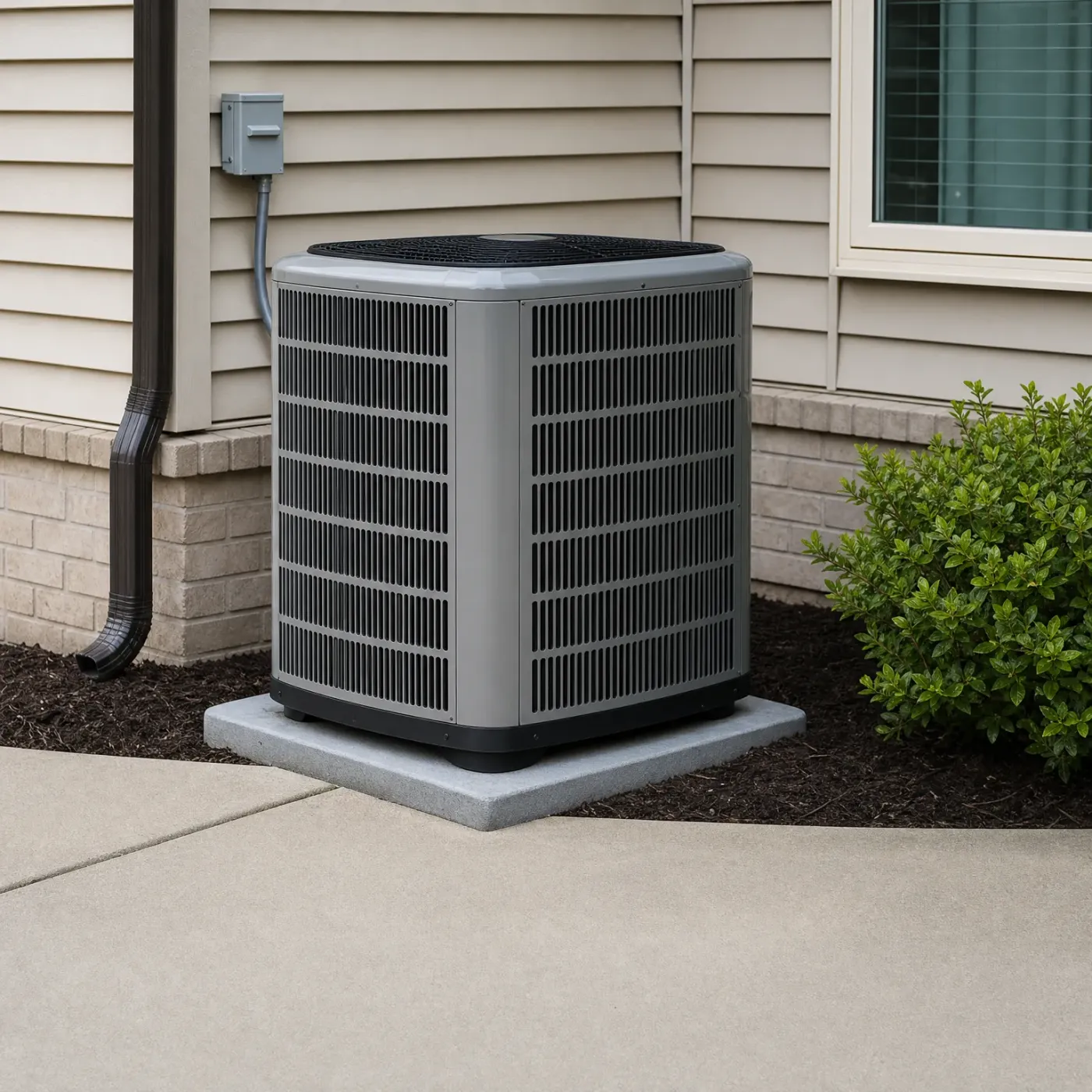
The condenser sits on its pad, lines and conduit running up to the disconnect. The fan turns, the coil fins stay clean, and the unit cycles on and off without strain. Nothing about it calls for attention.

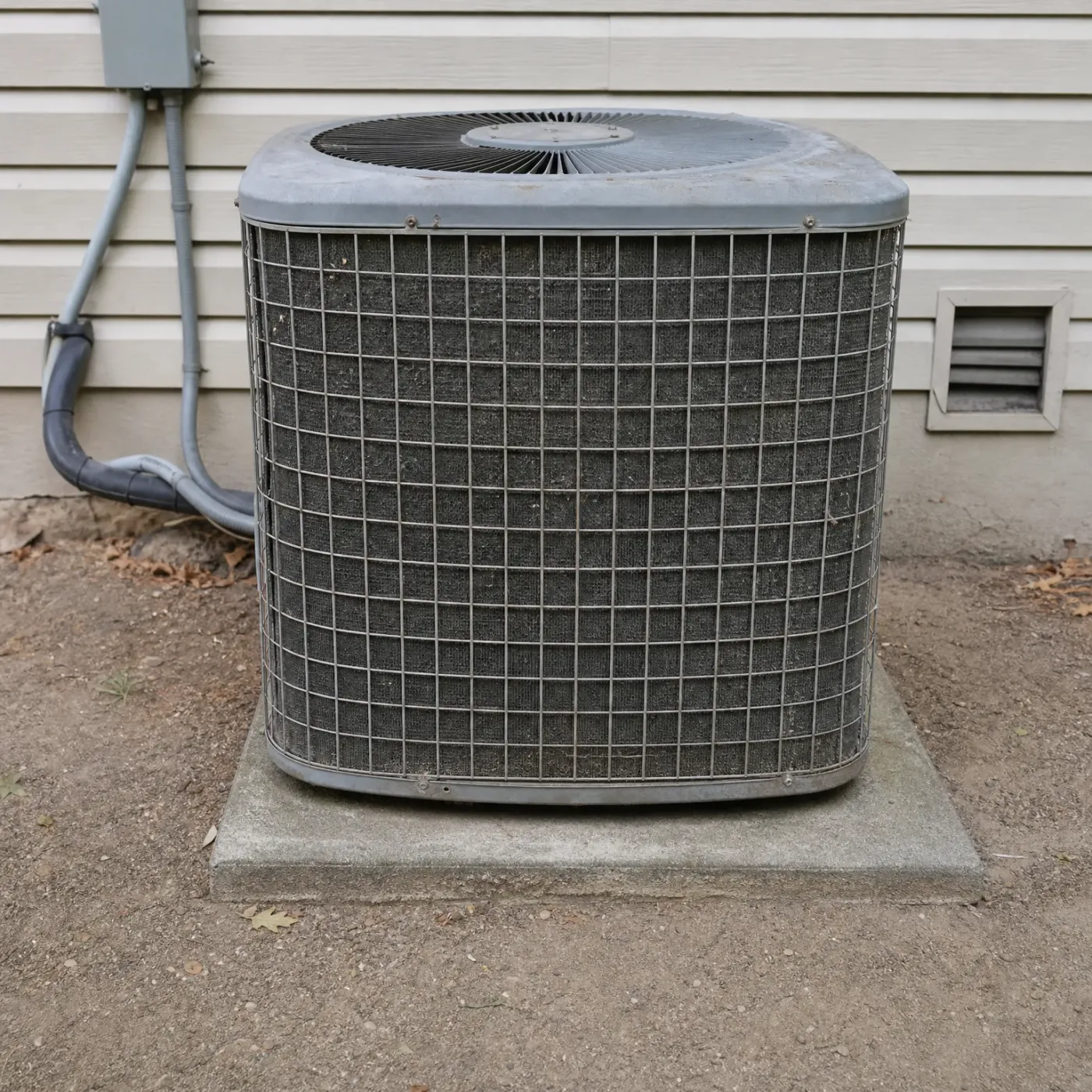
Grime has built up across the coil fins and housing, and the lines leading to the disconnect show their age. A coil caked like this can't shed heat the way it needs to, and a low charge only adds to the load it's already fighting.
Skip searching for an air conditioner pro and answer a few questions instead.
Describe your air conditioner job, and a local pro who handles it gets in touch.
Sending the form costs nothing.




Your house stays warm through the afternoon no matter where you set the thermostat. The air from the vents feels cool but not cold, so the rooms upstairs lag behind and whoever's home during the day just deals with it. Idaho summers run hot and dry enough that this isn't a short stretch to wait out. The unit keeps cycling, pulling power the whole time, and a system low on refrigerant works harder to move less heat. Left alone, the coil can ice over and the compressor takes the strain of running low and long. Waiting doesn't fix a leak. It just means more days of a house that won't cool down and a system working against itself to get there.
A technician checks the charge, finds where it's leaking, and seals it before adding refrigerant back to the right level. That's the part you can't do from the driveway with a flashlight. What changes is what happens before that visit. Instead of searching through contractors, calling a few, explaining the same warm-air problem each time, and sorting through quotes that are hard to compare, you answer a few questions once and a contractor who works on systems like yours gets in touch. No more calls to make, no more retelling it to the next person who picks up. You go from a house that won't cool down to someone looking at the actual unit, without doing the legwork to get there yourself.



Idaho's summer air is dry, with a dew point averaging 42°F across June, July and August, according to NOAA climate data. That dryness means your air conditioner isn't fighting much moisture to begin with, so when the air stops feeling cold even though the unit is running, moisture isn't the cause. A low refrigerant charge is a better explanation, since the coil still has to pull heat out of the air whether that air is dry or not. In a low-humidity state like Idaho, warm air from the vents points more directly at the refrigerant level than it would somewhere muggy.
NASA POWER T2MDEW county cells weighted by homes


A low charge never fixes itself, because refrigerant doesn't burn off or wear out the way oil or gas does. If the level is down, it got out somewhere, through a pinhole in the coil, a loose flare fitting, a rubbed-through line. That's why a technician hooks up gauges at the service ports rather than guessing from how the unit sounds or how cold the vents feel. The gauges show pressure, but the real target is superheat and subcooling, numbers that tell the tech whether the charge matches what the system was designed to run on. That design number isn't a guess either. It's stamped on the nameplate, calculated for the length of the line set running between the condenser and the indoor coil. Add too little and the compressor overheats, since it depends on refrigerant gas moving through it to carry heat away from its own motor and windings. Run it low long enough and that wear adds up, sometimes enough to end the compressor's life early. Add refrigerant without finding the leak first and the gauge readings might look fine for a while, but the level drops again, often within months, because the opening that let it out the first time is still there. That's the difference between a charge that's topped off and a system that's actually been repaired. The leak gets found, sealed or the part replaced, and only then does the refrigerant go back in to the number the nameplate calls for.
At that rate, a struggling AC costs you more the longer it runs low on charge, since the compressor works harder without cooling the house any better. Getting the level checked before full summer heat sets in keeps that from adding up on your bill.
EIA-861 2025 statewide residential average
A unit low on refrigerant doesn't fix itself. The fan can keep turning, the thermostat can keep calling for cool air, and the house still won't come down to temperature while Idaho's heat sits on it all afternoon. The leak that caused it is still there, and the coil and compressor keep working harder for less until someone finds where the charge is getting out. You don't have to be the one who tracks that down. Instead of searching for a contractor, calling a few, explaining the warm air and the ice on the line to each one, then sitting with quotes trying to compare them, you can get matched with a contractor who handles this and let them reach out to you directly. The warm air, the weak vents, the ice on the line, all of it points to the same thing, and it's worth having someone look before the hottest part of summer makes it worse.





One form replaces the calls you'd make to find an air conditioner pro.
You're not committing to anything by asking.