
Heat Pump Repair in Idaho
Across the counties where its people live, Idaho recorded less severe weather from 2015 to 2024 than 31 of the other 49 states.
Tell us about the job
Takes about a minute. No obligation.
- 22°Fwinter overnight low where people live
- 10 monthsof heat, September through June
- 83°Fsummer afternoon high where people live
- 2 monthsof cooling, July through August
Idaho leans on heat, not cold. Ten months of furnace work a year.
- Eastern counties need about 29% more heat than western ones
- Winter nights average 22°F where people live
- Summer afternoons average 83°F where people live
- Heat runs September through June
- Cooling runs July through August
- 1,773 winter storms from 2015 to 2024


Newer homes, systems with life left in them
Half the homes in Idaho were built in 1991 or later. Most homes here are single-family houses, not mobile homes. If your heat pump came with the house and the house falls in that newer half, the unit itself is probably not old either. A heat pump in that position has usually not hit the point where parts fail one after another. One bad part, whether it's the reversing valve, the defrost control or something electrical, is a repair, not a reason to replace the system.
Electricity in Idaho runs cheaper than almost anywhere else in the country, 11.52 cents per kilowatt-hour in 2024. That matters because a heat pump leans on electricity for both heating and cooling, so a problem that makes it run longer than it should shows up less here than it would somewhere with a higher rate. It does not mean a bad part costs less to fix. It just means the system is working against less of a headwind to begin with.
Idaho homes that use air conditioning used about 4.5 million Btu (British thermal units, a measure of heat) of electricity for it in a year, which is not a heavy cooling load. A heat pump here is not fighting long stretches of extreme heat the way one might in the Southwest. If yours is short cycling, not keeping up, or running constantly, that points to something wrong with the unit itself, a refrigerant leak, a failing capacitor, a stuck reversing valve, rather than a system simply overmatched by the climate.
Ten months of heating starts in September
Heat here runs September through June. That is most of the year, so a heat pump in Idaho spends nearly all its working hours heating, not cooling. August is worth a look, before that long stretch starts. A weak capacitor or a failing defrost control that got through July and August often cannot get through the first cold mornings in September. If yours struggled at the start of summer, the same part is likely to struggle again once the cold sets in. Either way the fix is the same. Find what is actually worn or failing, not the thermostat setting.
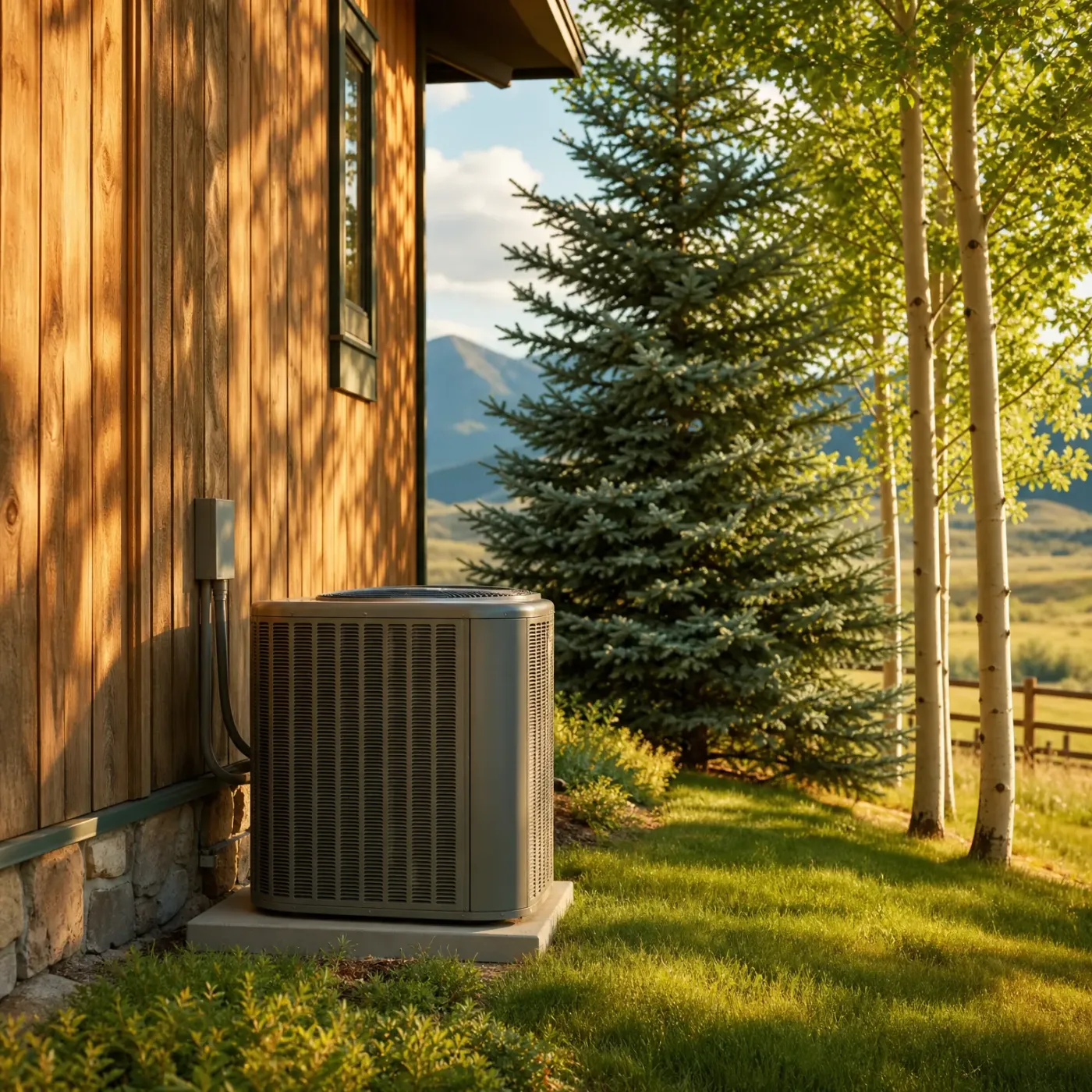
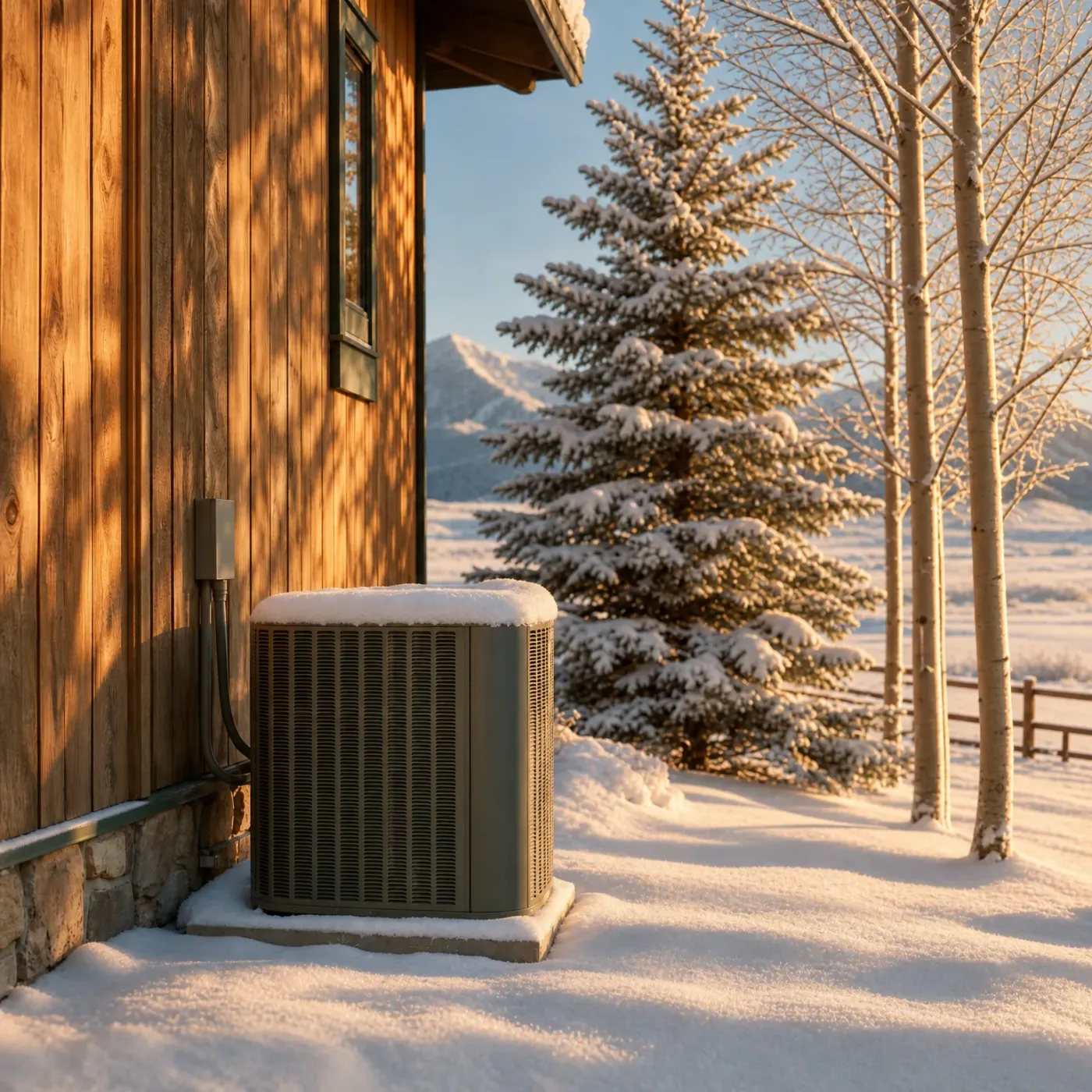
2 months of cooling, July through August
10 months of heat, September through June
What does a heat pump in Idaho face?
How hot do summer afternoons get?
83°Faverage afternoon high where people live
Alaska66°F
Arizona101°F
How cold do winter nights get?
22°Faverage overnight low where people live
North Dakota4°F
Hawaii65°F
How many months does the heat run?
10 monthsof heating a year
Hawaii0 months
Alaska12 months
What does electricity cost?
11.52¢per kWh (kilowatt hours, the unit on an electric bill), what homes paid in 2024
North Dakota11.51¢
Hawaii42.86¢
How often do storms hit?
186severe weather events per county from 2015 to 2024
Alaska5
Wyoming1,057
How many homes lost power for a day or more?
11%of homes in 2024
Arizona7%
Maine54%
One part fails at a time
A heat pump moves heat instead of making it, so it has more moving parts than a straight air conditioner or a furnace. The reversing valve is the one part unique to this machine. It switches the system between heating and cooling. When it sticks, the unit blows cold air when you asked for heat, or it stops defrosting itself and ice builds up on the outdoor coil. A failing run capacitor shows up differently. The unit hums but will not start, or the fan turns slowly instead of spinning up. Low refrigerant is not something a heat pump just needs more of over time. These are sealed systems, so low refrigerant means a leak somewhere in the line set or the coil, not normal wear. None of these point to replacement by themselves. The one part that does is the compressor. It costs more than anything else in the system, and once it fails the rest of the unit is usually still fine, which makes that repair a harder call than the others. Short of the compressor, most heat pump failures are one part that wore out or burned out while everything else kept working. Replacing that part brings the system back.
Why a struggling heat pump should not just keep running
A heat pump that is struggling still runs, which is what makes it easy to put off calling someone. Ice on the outdoor coil is the clearest case. A healthy unit melts that off on its own, on a schedule, as part of running. Once the defrost control or reversing valve can't complete that cycle, the ice stays and builds with every pass, and a thin coat that barely slowed airflow becomes a solid block that stops it. The compressor sits behind that coil, pushing refrigerant through a system that can no longer shed heat the way it should. That is the part you do not want laboring. A refrigerant leak follows the same pattern from a different angle. The system keeps running on whatever charge is left, the compressor works harder to make up for it, and the leak does not heal itself. What started as one worn part doing its job badly can end with the compressor itself worn out alongside it. Shutting the system off and having the actual problem looked at is almost always the better trade.
A newer house usually means a newer system
Half the homes in Idaho went up in 1991 or later. Most of those are single-family houses rather than mobile homes, and a heat pump that came with a newer house has usually not been running long enough to wear out on its own. That changes what a repair call is worth. A reversing valve or defrost control failing early in a unit's life is just a bad part, not the start of a pattern, and replacing it should hold for years rather than buy a season. The math only shifts if the system is older than the house, something swapped in before you owned it. That is worth checking before you decide whether a repair is the right call or just a delay.
A heat pump acting up in the cold is usually one worn part, not a system on its way out.
Tell us about the job
Takes about a minute. No obligation.
Fill out the form and a licensed Idaho contractor calls to look at what's actually wrong.