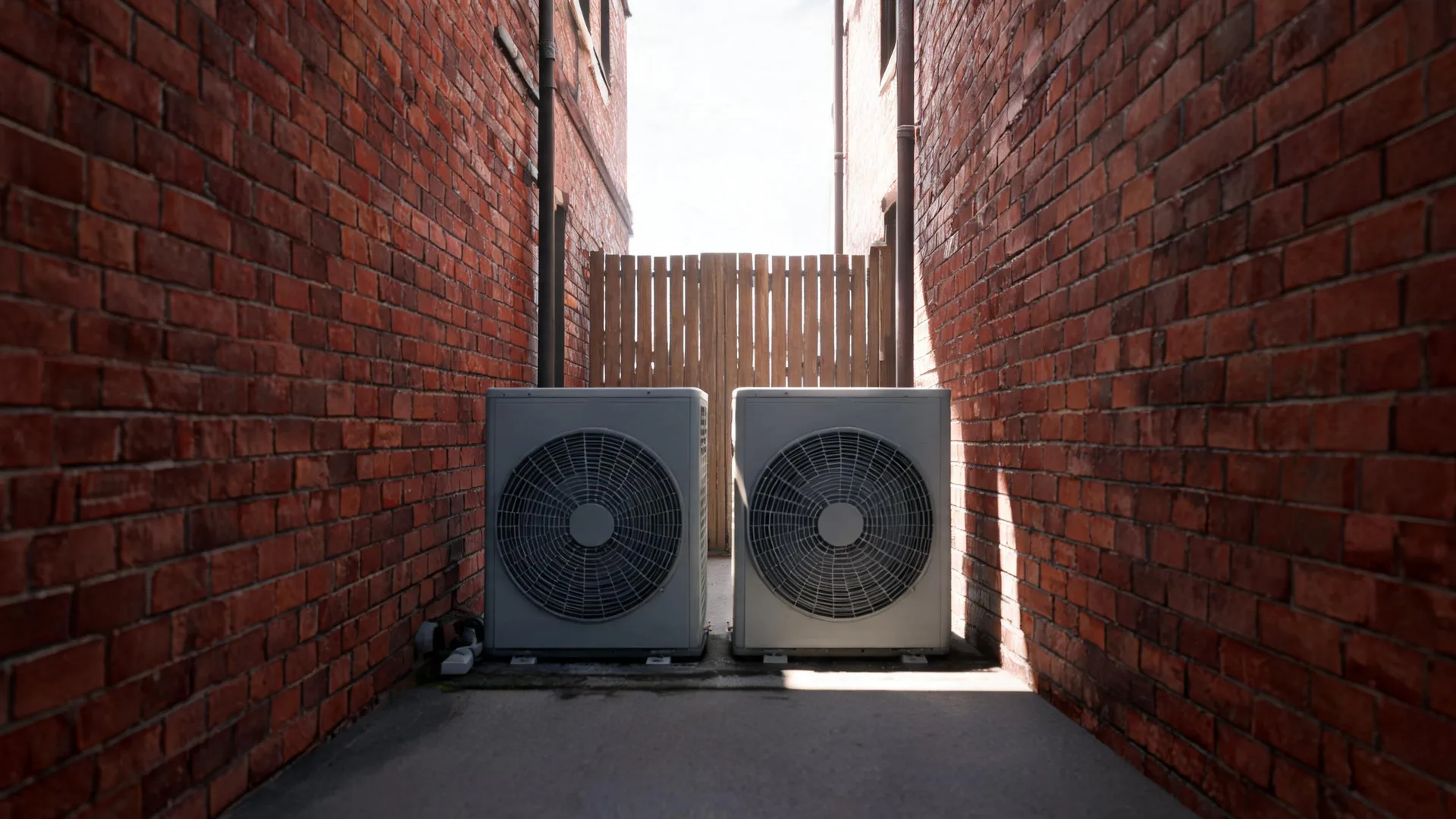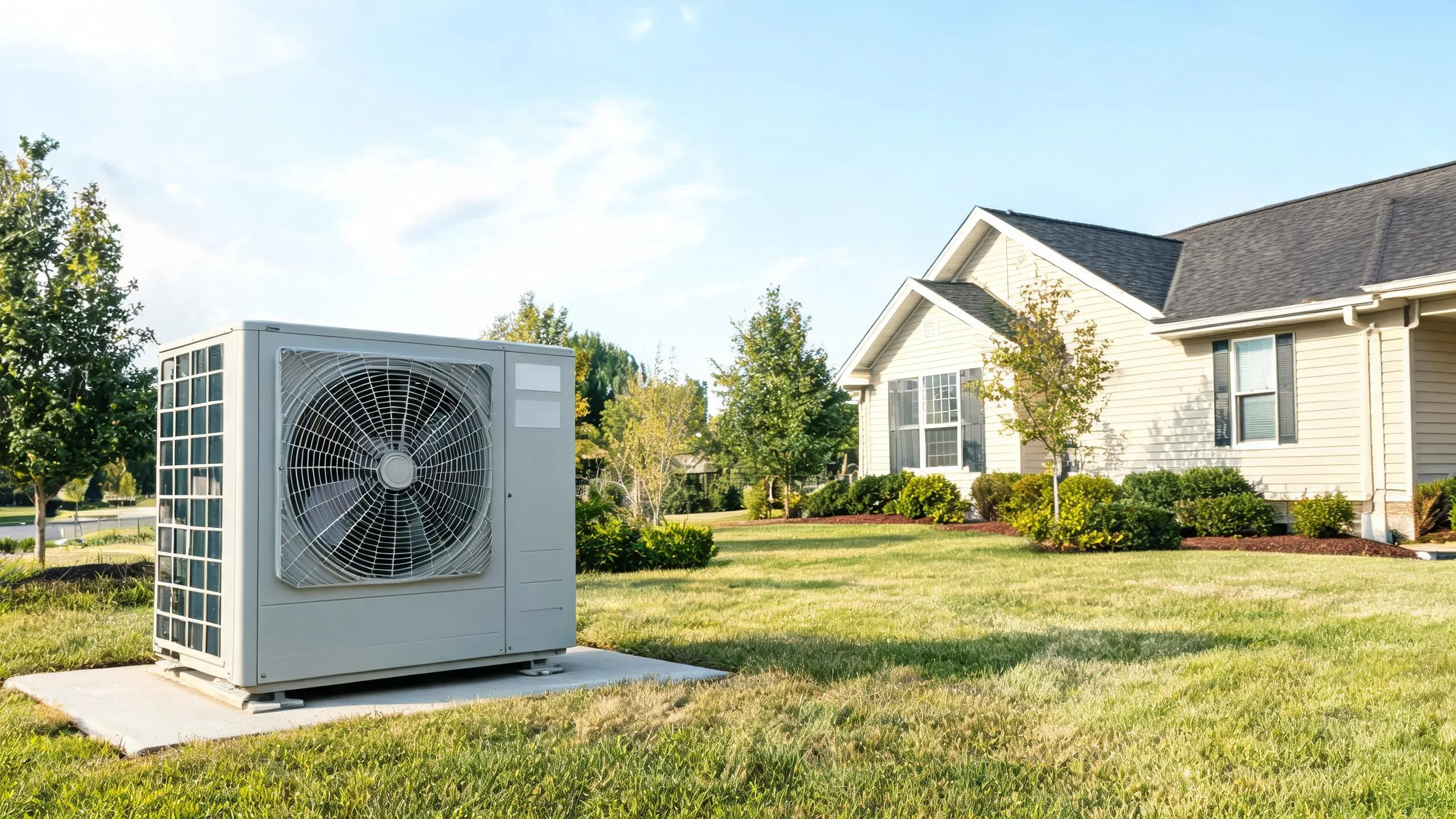
A grey heat pump outdoor unit mounted on a concrete pad in a suburban backyard, with a single-storey house visible behind it.

Heat Pump Repair in Montpelier, ID

Tell us about the job

Takes about a minute. No obligation.

RepairHeat PumpBear Lake County, ID
Step 1 of 2

What ZIP code is the job in?

Winters here are cold, not strange

Montpelier sits in a county where the overnight low averages 12°F through December, January and February, and snow and ice storms show up most winters. A heat pump has to work harder on those cold nights, and that's true of this machine everywhere it gets this cold. Nothing about Bear Lake County pushes it past what it's built for.


So look for the usual cause

If your heat pump isn't keeping up or isn't running at all, the cold snap is probably just when an existing problem showed itself. A low refrigerant charge, a failing defrost control or a worn contactor will act up on the coldest nights whether the unit is in Montpelier or anywhere else. Finding which one it is matters more than the weather outside.

10 months
September through June, your system heats
12°F
the average winter night it heats against
77°F
the average summer afternoon it cools against
Isometric illustration of a cutaway single-family house showing interior ductwork and an air handler, with an outdoor condenser unit connected by lines along the exterior wall.

Heat pumps here start running in September and go through June, about ten months a year.

A weak part usually gives out early in the season, right when the first real load hits it.

An old house or a new one, this county isn't why your heat pump is struggling

Half the homes here were built by 1974
106 winter storms from 2015 to 2024
Winter nights average 12°F

Electricity in Idaho ran 11.52 cents a kilowatthour in 2024. A heat pump that's losing its charge or running with a dying capacitor doesn't just run poorly, it costs more to run poorly, since it works longer to make the same heat. That shows up on the power bill before it shows up as a full breakdown. Worth having someone check the charge and the electrical parts even if the unit is still keeping the house warm, since a system limping along is still spending your money every time it runs.

Get the usual fix

Nothing about this area is especially hard on it. It's most likely the usual problem with the usual fix.

Find a contractor
A man in a cap, dark work shirt and tan pants carries a worn canvas tool bag up gray steps toward a green paneled front door of a shingled house, with a potted shrub beside the entry.
A gray outdoor HVAC unit mounted on a concrete pad beside a house with gray lap siding and a stone foundation.

What actually wears out

A heat pump runs in both directions, so it has more that can wear than a furnace does. The reversing valve is usually the first thing to act up. It's what switches the system between heating and cooling, and when it sticks, the unit keeps running but stops doing what the thermostat is asking for. The defrost board is another common failure point, since it has to read the outdoor coil temperature correctly and call for defrost at the right time. If it fails, frost builds up on the outdoor coil until the unit can barely move heat at all. Contactors and capacitors wear out from simple cycling, switching on and off thousands of times over the years. And because the outdoor unit sits outside year round, moisture gets into connections and corrodes them slowly, long before anything actually fails. Most of this wear doesn't announce itself. It shows up as weaker heat or a longer runtime, well before the unit quits.

The air feels wrong before anything quits

Air from the vents that feels cool instead of warm is normal for a heat pump, since supply air runs cooler than a furnace's. If it feels cold, or barely moves at all, something's off. That can mean low refrigerant, a failing compressor, or ice built up on the outdoor coil that defrost isn't clearing.

Listen for what changed

A heat pump that used to run quietly and now clicks, buzzes or short cycles on and off has a part wearing out, often a contactor or capacitor. A unit that runs constantly without ever satisfying the thermostat is losing the battle to keep up. Either one is worth a look before the unit stops entirely.

A heat pump left to run with a problem doesn't fail cleanly. Ice on the outdoor coil is the clearest example. A little frost is normal and defrost clears it, but once defrost can't keep up, the ice layer gets thicker and blocks airflow across the coil. The unit keeps trying to pull heat through ice, the compressor works harder to do less, and the coil itself can take damage that a simple defrost fix wouldn't have caused. A sticking reversing valve works the same way. Left alone, the constant strain of switching against resistance wears the valve further until it stops shifting at all. Running a low refrigerant charge is worse still, since the compressor depends on refrigerant to stay cool while it runs. Keep it running low on charge and you're not just losing heat, you're slowly cooking the compressor itself, which is the one part in the system not worth replacing on its own. None of these fix themselves by waiting it out.

Repair or replace comes down to the compressor, since that's the part that makes the whole system worth saving or not. A failing contactor, capacitor, defrost board or reversing valve is a straightforward repair on its own, regardless of the unit's age. Those parts fail one at a time and get swapped one at a time. The compressor is different. It's sealed, it's expensive to replace on its own, and a failing compressor often means the rest of the system has been straining for a while before it finally gave out. If a contractor traces the problem to the compressor itself, that's the point to ask whether the rest of the unit is old enough that putting money into one part doesn't make sense when the others are close behind it. Everything short of that is usually worth fixing.