Heat pump not heating in Twin Falls, ID

RepairHeat PumpTwin Falls County, ID
Step 1 of 2

What ZIP code is the job in?

A heat pump that runs but blows cool or room-temperature air is usually stuck in defrost or losing the fight against the cold outside. Below about 35 to 40 degrees, a heat pump pulls less heat from the outdoor air, so on a cold Twin Falls morning it may run long and still feel like it isn't keeping up. If frost has built up on the outdoor unit, it will pause to defrost itself, and during that cycle it can blow cool air for several minutes before switching back. A heat pump that won't heat at all is a different problem: a tripped breaker, a failed reversing valve, or a thermostat stuck in the wrong mode can all stop it cold. If outdoor temperatures have dropped well below freezing, backup heat should be stepping in to carry the load, and if it isn't, that backup system needs a look too.

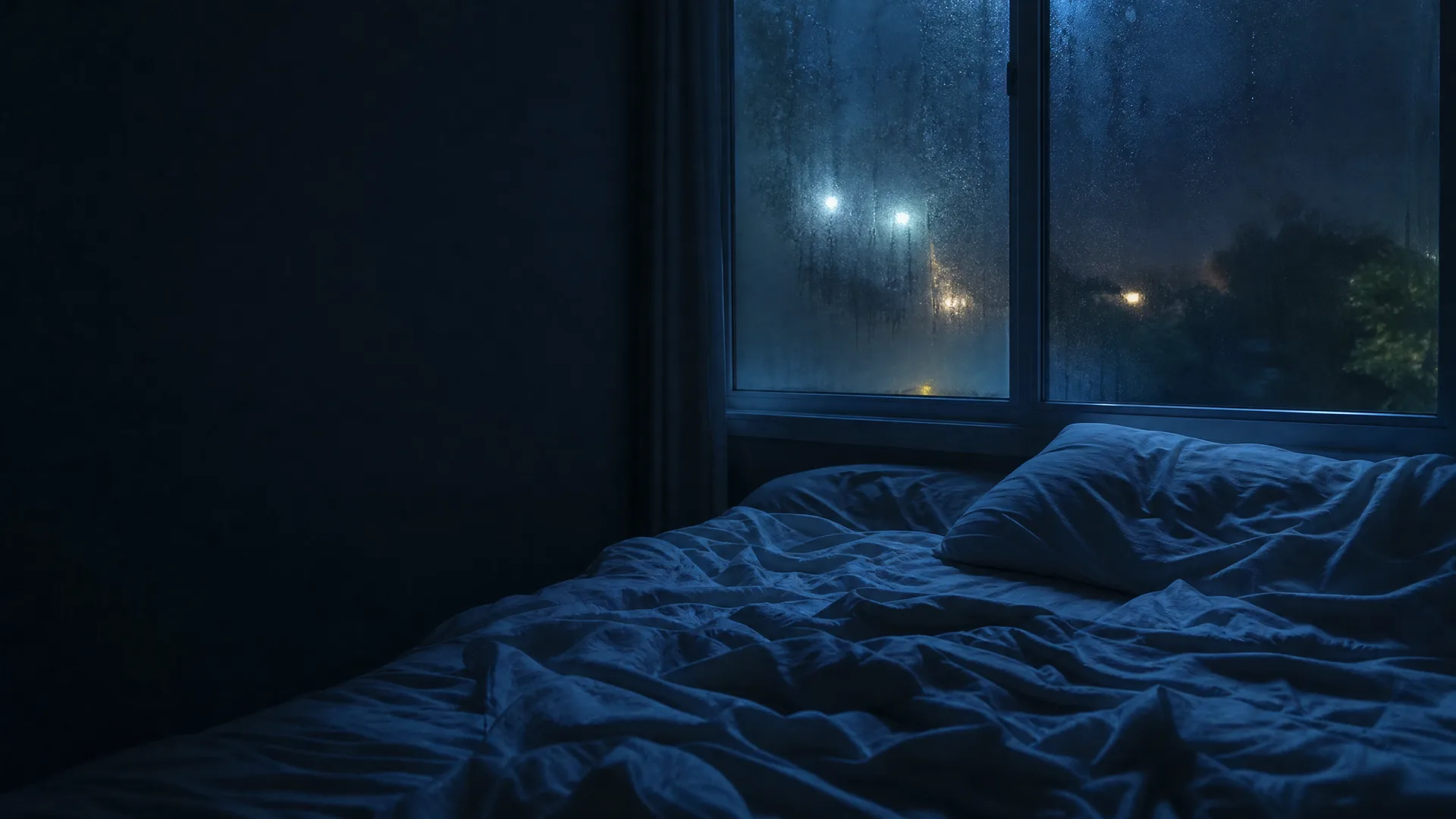
A dark bedroom at night with an unmade bed and a pillow beside a rain-streaked window showing distant lights and trees outside.

January, and the thermometer outside your kitchen window hasn't cleared twenty degrees since Tuesday. You're up before the sun, and the air coming out of the vent in the hallway feels barely warmer than the room itself. Your hand goes to the thermostat out of habit, even though you already know it says 68 and reads 64. The baby's room is at the end of the hall, and you left the door cracked last night the way you always do. You stand there in your socks, listening to the outdoor unit hum away somewhere behind the fence line, doing less than it should.
Why does the cold hit your heat pump so hard here?

  • Winter nights average 21°F

    Overnight lows averaging 21°F mean your heat pump is working against the cold for hours before sunrise, right when it's weakest.

  • Heat runs September through May

    Nine months of heat a year is a long stretch for a system to carry without a break, from September clear through May.

  • Cooling runs July through August

    Only two months of cooling means the heat pump spends most of its life doing the harder job, pulling warmth from cold air.

NOAA nClimDiv 1991-2020

How a Heat Pump Makes Heat

  • A reversing valve switches the system between heating and cooling by changing which way the refrigerant flows through the coils.
  • A stuck reversing valve can leave the system running in cooling mode even though the thermostat calls for heat.
  • Below freezing, frost builds on the outdoor coil, so the system reverses itself into defrost and runs the indoor fan on cool air for several minutes.
  • A failed defrost control board can leave the unit stuck in defrost, or stop it from ever starting that cycle, cutting off heat either way.
  • Low refrigerant charge reduces how much heat the outdoor coil can pull from the air, so the heat pump runs constantly without warming the house.
  • An auxiliary heat strip that fails to kick in leaves the system without backup once the outdoor coil can no longer keep up on a cold Twin Falls night.

A heat pump doesn't burn anything to make heat. It moves heat from the outside air into your house, using a reversing valve to switch the refrigerant's direction depending on whether the thermostat calls for heat or cool. That valve is a common failure point. When it sticks, the system can keep running in cooling mode no matter what the thermostat says, so you feel cold air even though everything sounds like it's working.

Defrost is part of normal operation once temperatures drop below freezing. Frost forms on the outdoor coil, and the system briefly reverses itself to melt it off, which is why the indoor vents blow cool air for a few minutes at a time on a cold morning. That's expected. What isn't expected is a unit that stays in defrost too long or never leaves it, which usually points to a bad defrost control board rather than the weather.

Refrigerant levels matter just as much. If the charge is low, the outdoor coil can't pull enough heat from the air, so the compressor runs nonstop and the house still doesn't warm up. And on the coldest Twin Falls nights, when the outdoor coil can't keep up at all, the system is supposed to lean on an auxiliary heat strip. If that strip fails to engage, there's nothing backing up the heat pump when it needs it most.

A woman with long brown hair wearing a green V-neck top and beige cardigan sits on a light sofa, looking off to the side, with a dining table, lamp and framed picture in the background.
A woman in a beige cardigan sits on a light-colored sofa with a blanket over her lap, looking off to the side, in a living room with large houseplants and a window.
A woman with long wavy brown hair in a grey ribbed sweater sits on a couch indoors, looking toward a window, with a potted palm-like plant and fireplace behind her.
A woman with long dark hair in a cream knit sweater sits on a beige sofa indoors, looking toward a bright window with a houseplant and framed picture in the background.
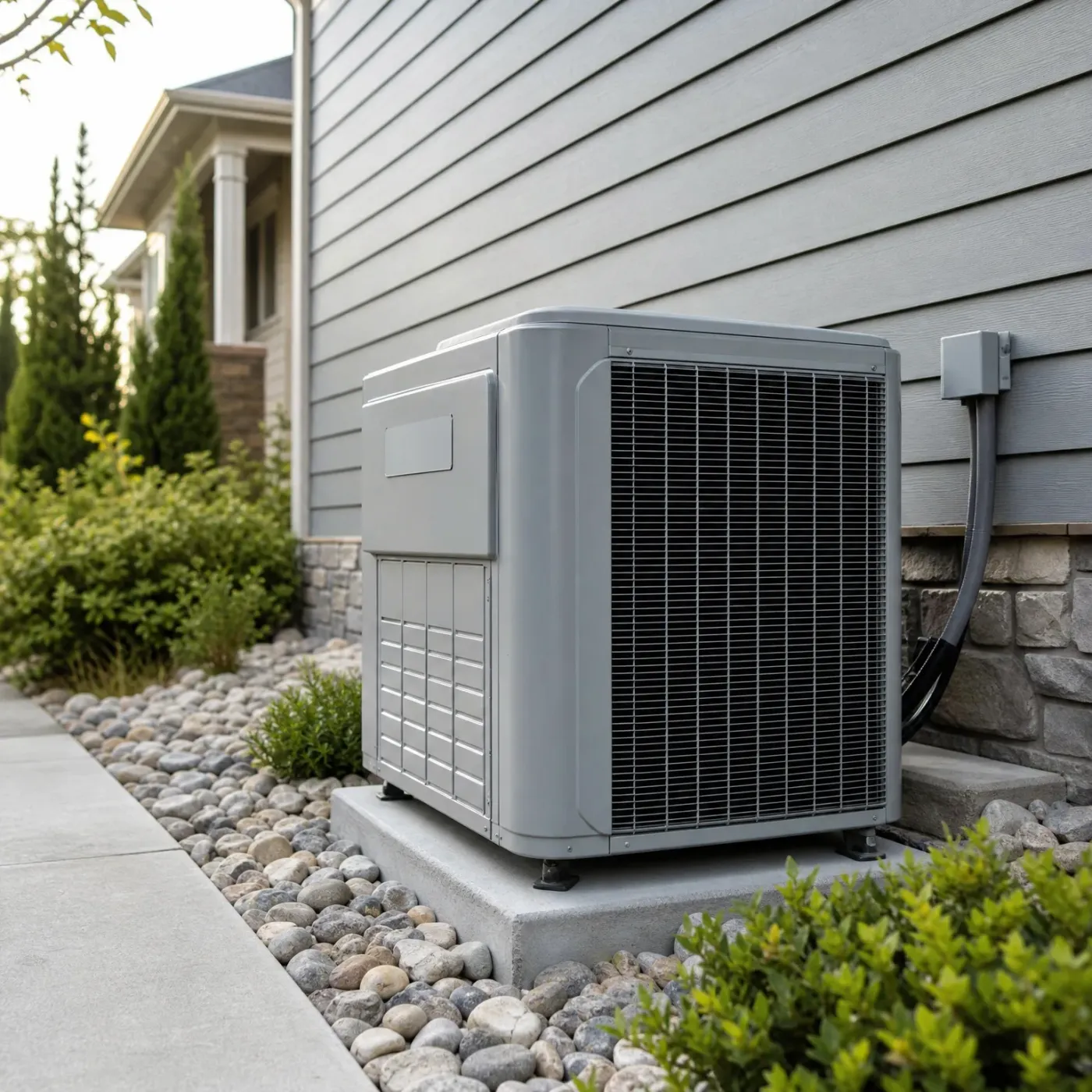
A gray outdoor heat pump unit on a concrete pad beside a house with light gray horizontal lap siding and a stone base, surrounded by river rock and shrubs next to a concrete walkway.

Get matched with a heat pump pro in Twin Falls County

Explain the heat pump problem once instead of to every shop in Twin Falls County.

A Twin Falls County pro who repairs heat pumps gets your request.

Skip the calls

There's no charge for the request.

Heat Pump or Backup Strips: Which Is Failing

Backup heat strips

  • Electric resistance strips inside the air handler kick in when the heat pump alone can't keep up, so the air at the vent gets noticeably warmer fast.
  • They draw a lot of power compared to the heat pump itself, since they make heat directly instead of moving it from outside.
  • If strips run for hours at a stretch on a mild day, a stuck relay or a thermostat set wrong is forcing them on when they shouldn't be.
  • They're a simple circuit, so when they fail it's usually one heating element burned out or a tripped limit switch, not a refrigerant problem.
  • Idaho's cheap power keeps the cost of running them down compared to what homeowners pay elsewhere for the same backup heat.

Heat pump alone

  • The outdoor unit pulls heat from the outside air even when it's cold out, which is why the vents can feel lukewarm instead of hot.
  • Below freezing, frost builds on the outdoor coil, so the system switches into defrost and runs cooling briefly to clear it.
  • A reversing valve, a low refrigerant charge, or a failing compressor all show up the same way: weak or room-temperature air at the vents.
  • It runs longer at a lower output than a furnace would, so a thermostat reading that looks stuck at the same number doesn't mean it's broken.
  • On the coldest mornings here, the heat pump loses ground to the outdoor temperature well before the backup strips are needed.
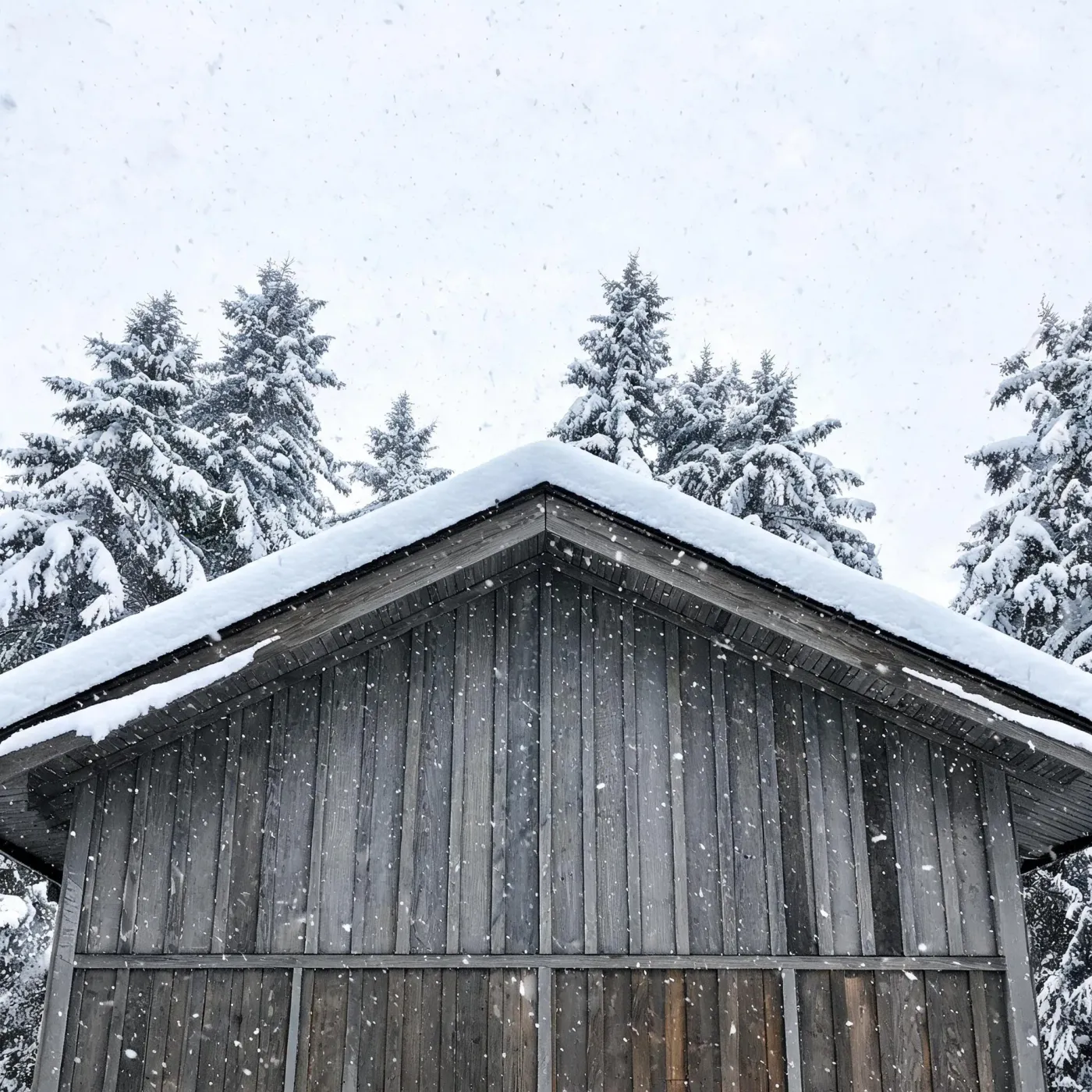
The gable end of a weathered vertical-board wooden building with a snow-covered roof, framed against snow-laden conifers and a pale sky with falling snowflakes.

Twin Falls winter nights average 21°F from December through February, and that's the stretch where a heat pump shows its limits. At 21 degrees outside, the unit is pulling heat from air that has very little to give, so it runs longer to move the same amount of warmth. You'll notice the vents putting out air that feels lukewarm rather than hot, especially in the early morning hours when the temperature outside has had all night to drop. The system isn't necessarily broken. It may just be outmatched by the cold until backup heat kicks in or the sun comes up and the outdoor coil has an easier time. If the air stays cool past that point, something else is going on.

NOAA nClimDiv 1991-2020

An outdoor air conditioner condenser unit on a concrete pad beside a house with horizontal lap siding, with a shrub to the left, bare dirt in front, and conduit and a metal disconnect box on the wall.
Before you get your heat pump repair
A beige outdoor air conditioning condenser unit on a concrete pad beside a house with horizontal vinyl siding, with refrigerant lines and a disconnect box on the wall, surrounded by dark mulch and a green shrub at left.
After you get your heat pump repair
An outdoor condenser unit on a concrete pad beside a gray lap-sided house, with an electrical disconnect box and conduit on the wall and shrubs with mulch to the right.

Running the way it should

A clean outdoor unit with clear airflow around it can pull heat from the outside air and move it inside without a fight. The lines and conduit run straight to the disconnect, nothing blocking the coil, nothing fighting the system to keep up.

An outdoor air conditioning condenser unit on a concrete pad beside a house with horizontal siding above a brick foundation, with a flexible conduit running to a wall-mounted disconnect box.

Struggling to keep up

Dust caked across the coil and years of weather on the cabinet mean the unit can't pull heat from the air the way it needs to. A heat pump working that hard in a Twin Falls winter falls behind fast, and the air at your vents shows it.

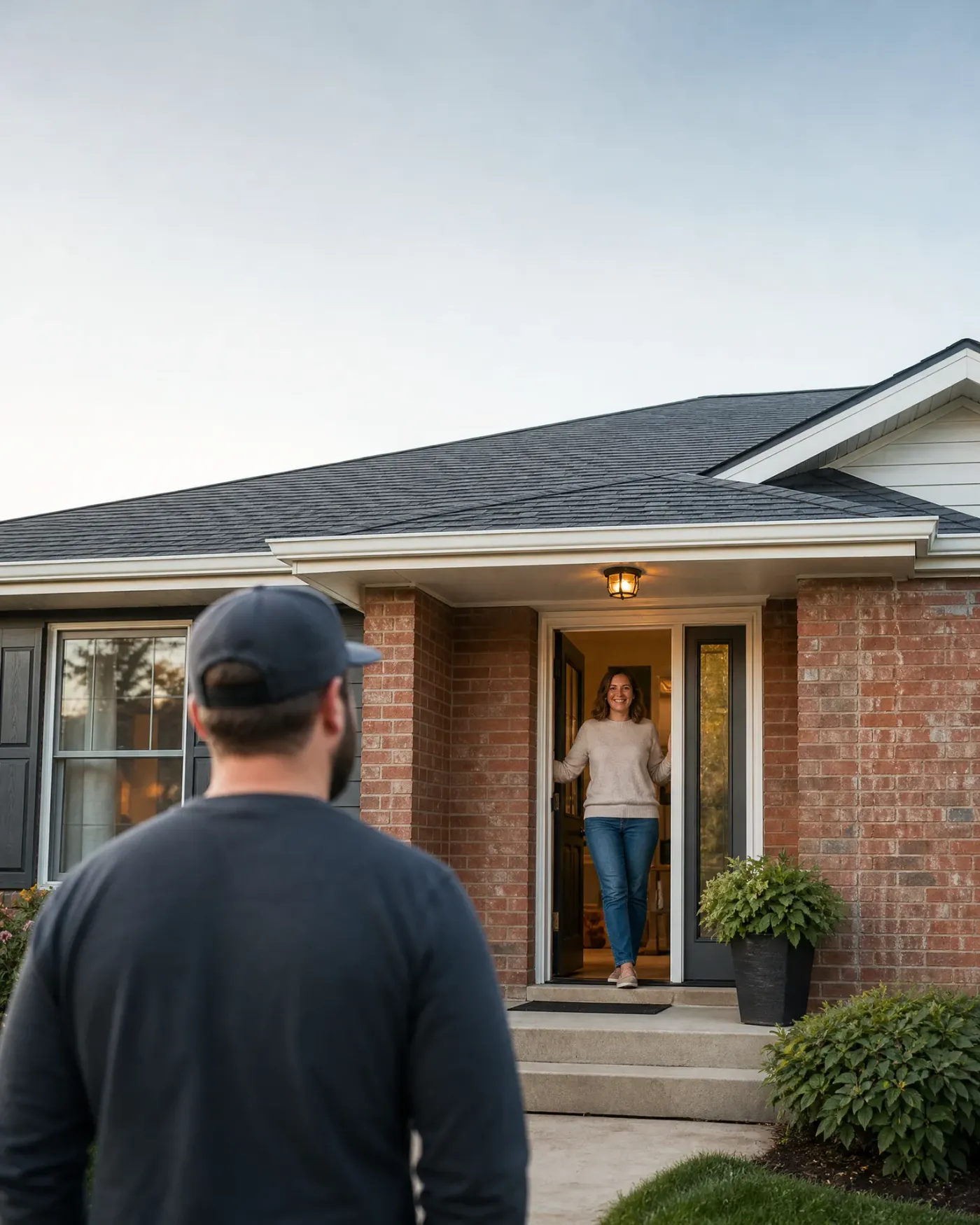
A woman stands smiling in the open front doorway of a single-story brick house while a man in a dark cap and long-sleeved shirt, seen from behind out of focus, faces her from the walkway.

Cool air at the vent means the heat pump needs a look

A heat pump that keeps running without warming the house isn't doing its job, whether that's a stuck reversing valve, a system overwhelmed by a 21 degree morning, or backup strips that aren't kicking in. The fix depends on which one it is, and that takes someone who can check the valve, the charge, and the strips in person.

Finding that person is usually the slow part. Instead of calling around Twin Falls and explaining the same problem three or four times, you can get matched with a contractor who works on heat pumps in this kind of cold, and they'll reach out to you directly to sort out what's actually going on with yours.

A speckled beige ceramic vase holding thin dried branches sits on a round wooden table near a window with sheer curtains, with a dark upholstered chair and draped blanket blurred in the background.
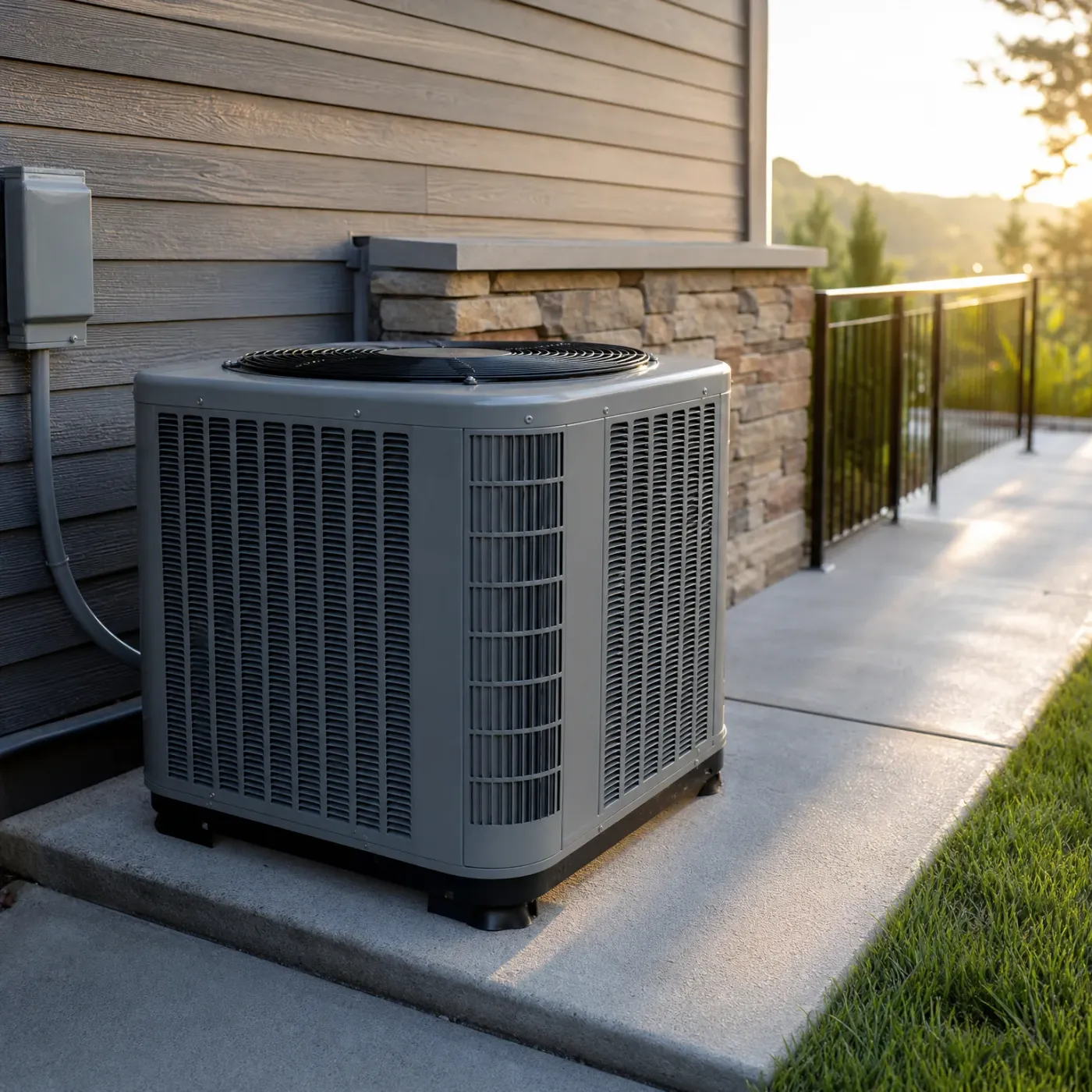
A gray outdoor air conditioner or heat pump condenser unit on a concrete pad beside a house with horizontal lap siding and a stone-faced wall, with a metal railing, lawn, and hills lit by low sun in the background.

Find a heat pump repair pro in Twin Falls County

Answer a few questions

Skip calling shops to ask who repairs heat pumps in Twin Falls County.

You only hire the pro if you want to.