Mini Split Installation in Idaho
Across the counties where its people live, Idaho recorded less severe weather from 2015 to 2024 than 31 of the other 49 states.
Tell us about the job
Takes about a minute. No obligation.
- 83°Fsummer afternoon high where people live
- 2 monthsof cooling, July through August
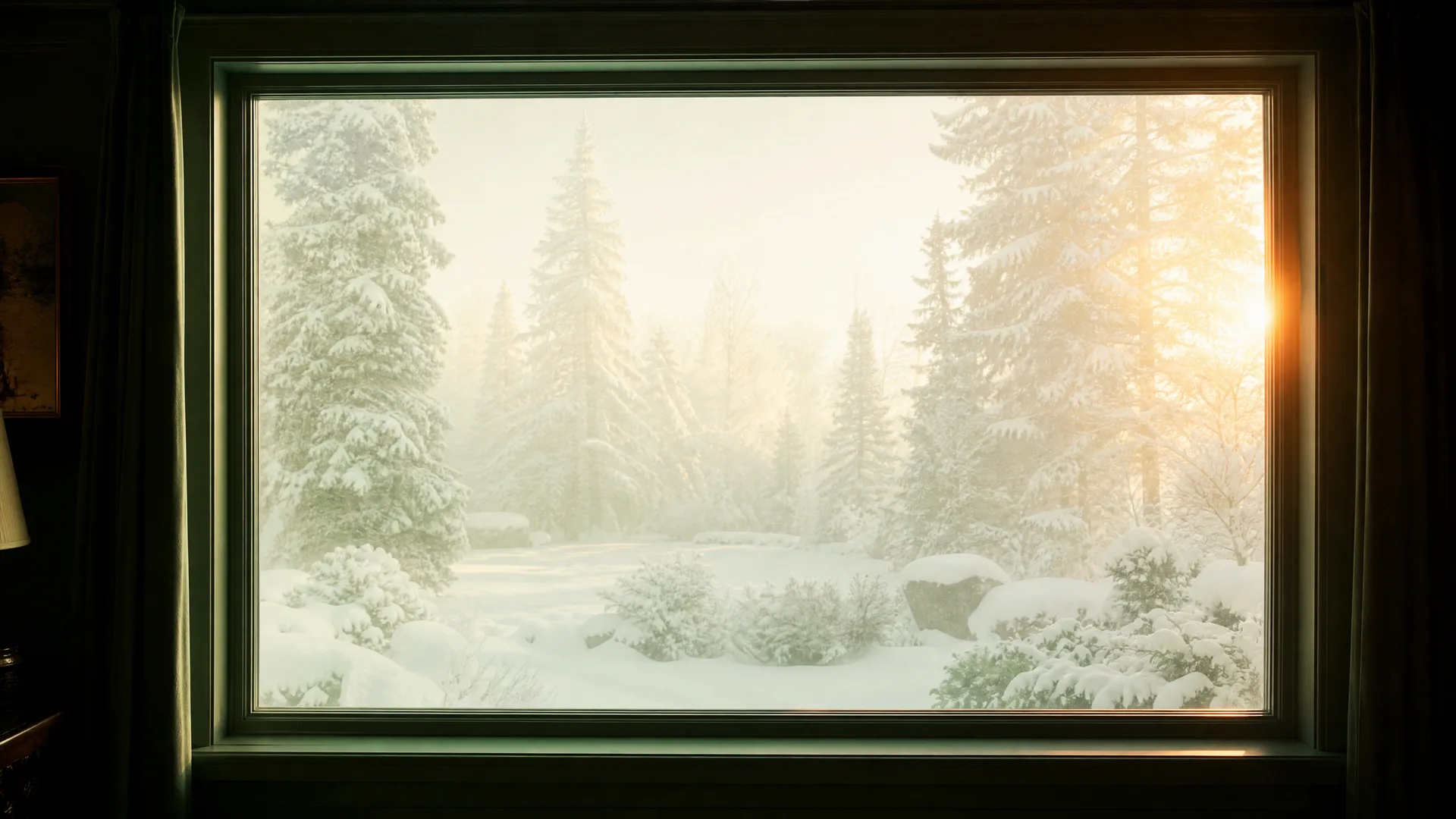
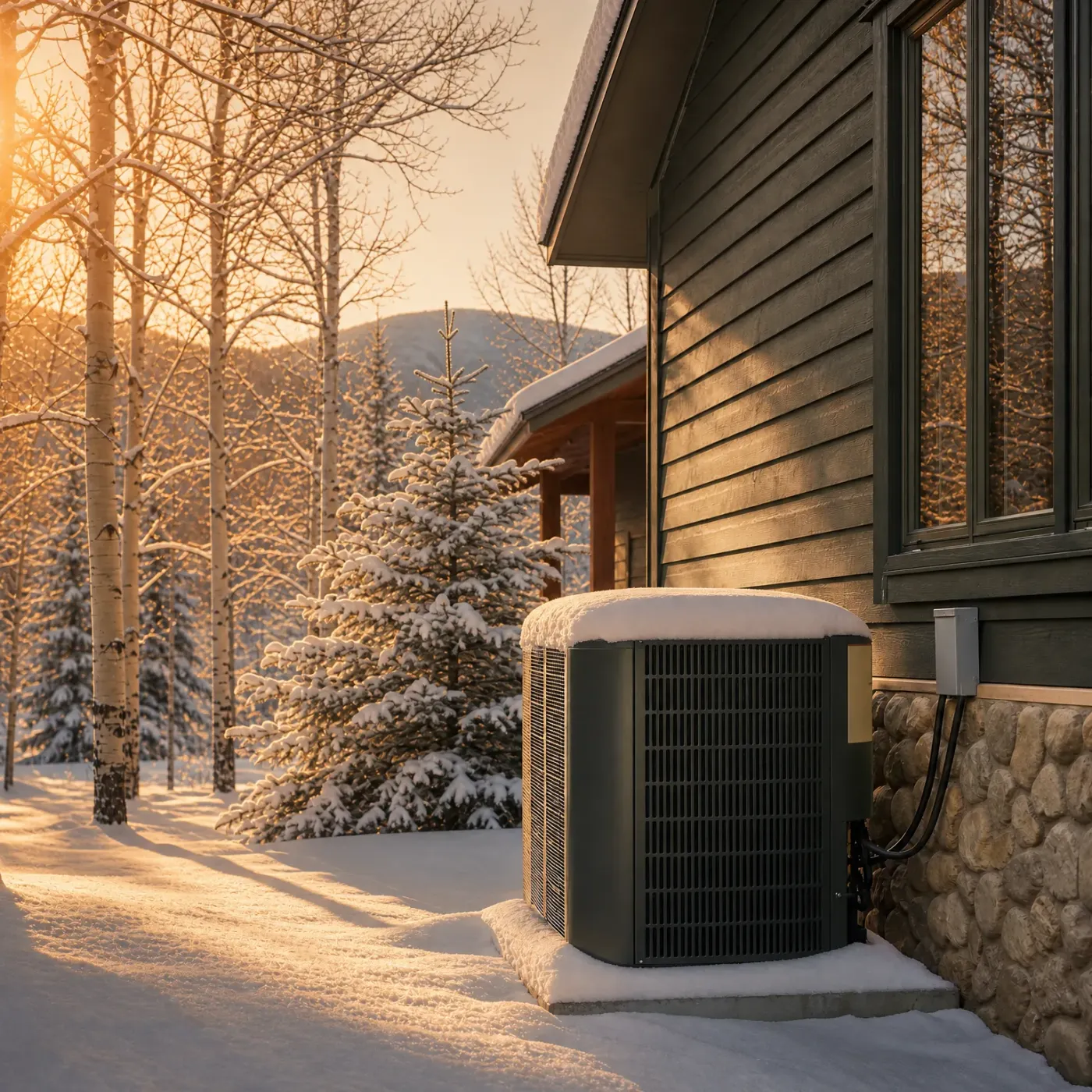
- 22°Fwinter overnight low where people live
- 10 monthsof heat, September through June
Electricity here costs less than almost anywhere so the priciest SEER2 (seasonal energy efficiency ratio under the 2023 test, an AC's cooling efficiency over a season) model pays back slowly
- Summer highs 84°F in southern counties, 81°F in northern ones
- Summer afternoons average 83°F where people live
- Winter nights average 22°F where people live
- Cooling runs July through August
- 1,206 damaging wind events from 2015 to 2024
- 11% of homes lost power a day or more in 2024


- A properly sized unit cools the room it's in without short cycling, which is what actually wears out a compressor over time
- Line sets and wiring get routed and sealed so the wall penetration doesn't become a draft or a leak point later
- The indoor head goes where it can actually move air across the room, not just wherever the wall happens to be open
- A refrigerant charge checked against the line length, since a long run with the wrong charge is a common reason these run poorly for years without anyone noticing
- Written documentation of what was installed and at what settings, so warranty claims and future service calls aren't guesswork
Gas heats just over half the homes in Idaho, and electricity heats about a third. A mini split runs on electricity, so in a gas home it usually goes in alongside the furnace rather than replacing it, handling the rooms or seasons where it makes sense to skip firing up the furnace.
In a home that already heats with electricity, a mini split can take over the job outright instead of sitting next to baseboard heat or an electric furnace. That's the case for about a third of homes here, and it's worth knowing which setup you have before you decide how many zones you need.
Two months of real cooling means the system won't be pushed hard
Cooling here only runs July and August, and even then the afternoon averages 83°F. That's milder than what 26 other states deal with all summer. A mini split sized for this climate doesn't need to chase extreme heat, so the top-tier SEER2 model usually isn't buying you much. Put the money toward a unit that's sized right for the room and installed well. That matters more here than squeezing out another efficiency point on a system that's only working two months a year.
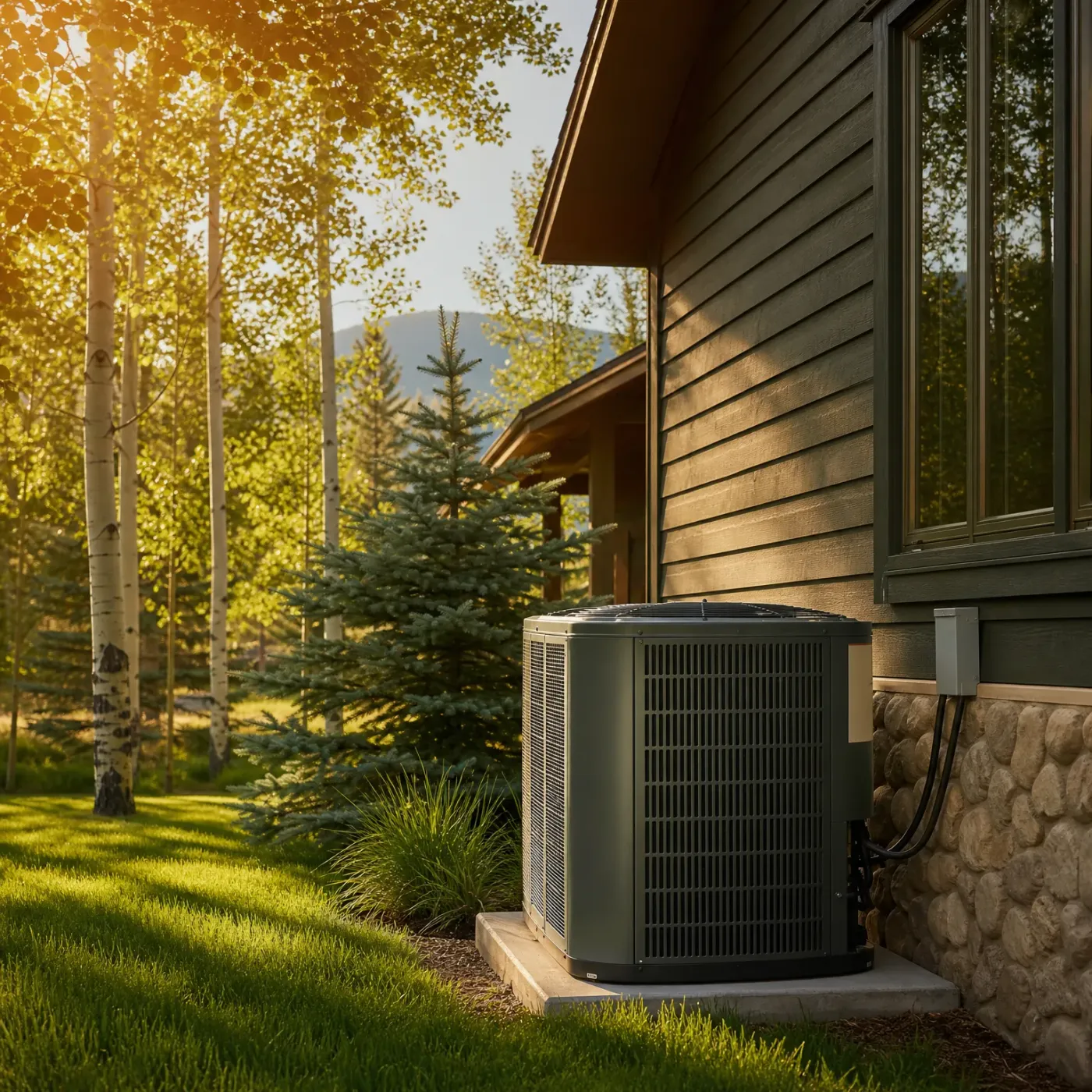
2 months of cooling, July through August
10 months of heat, September through June
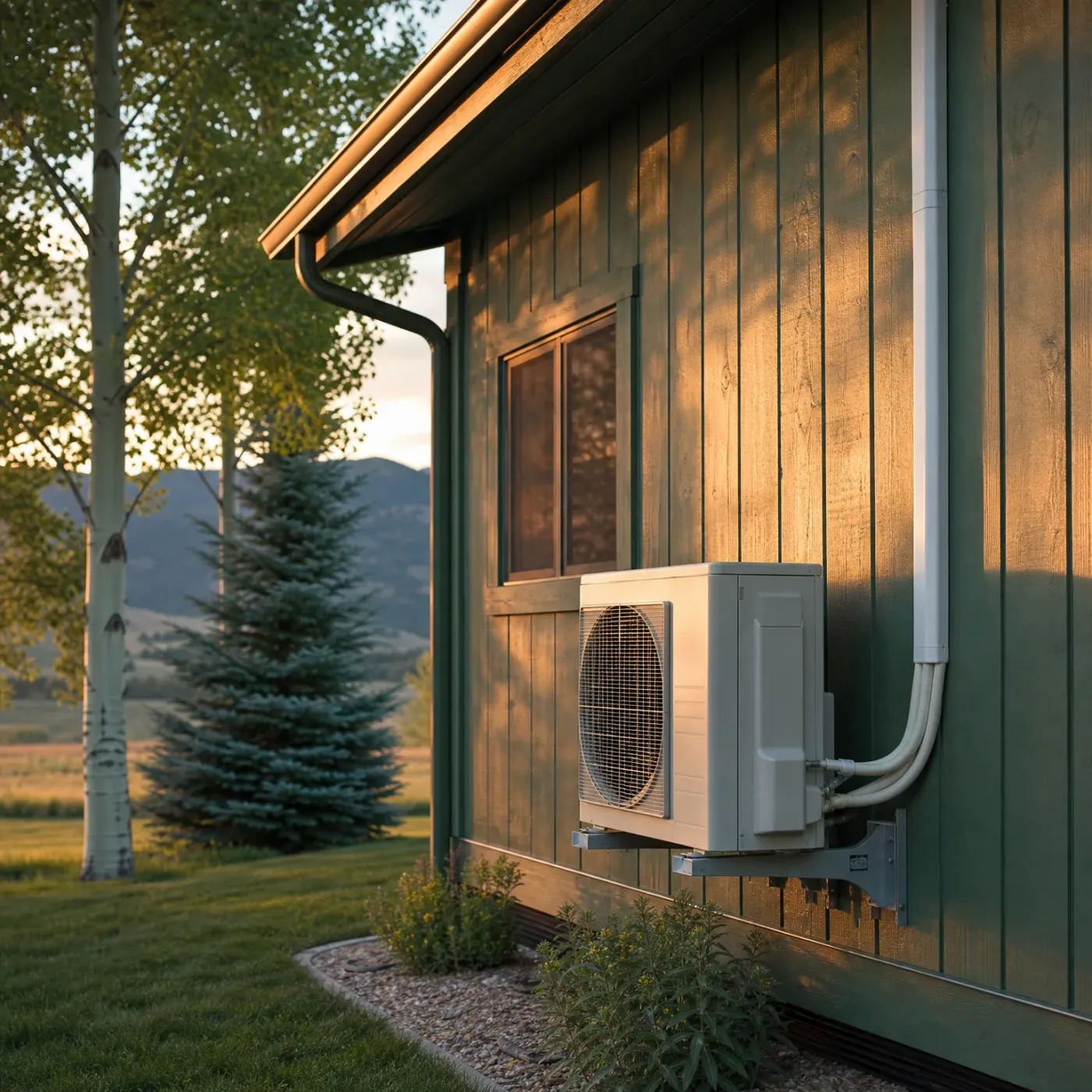
The southern counties need about 39% more cooling over a year than the northern counties do. That's the clearest split in the state, and it's worth knowing which side you're on before you size a system.
Canyon County runs hottest, averaging 89°F on summer afternoons. Boundary County averages 71°F, which barely counts as cooling weather at all. A mini split that makes sense in one of these places is overkill or undersized in the other.
Ada County homes run cooling about 3 months a year, the longest stretch anywhere in the state. Bonneville County homes run close to none. Two homes in Idaho can have entirely different cooling needs despite sharing a state line.
None of this is about elevation or terrain. It's just what the afternoons average where you live, and that number is what a contractor should be sizing to, not a statewide figure that flattens Canyon County into Boundary County.
What does a mini split in Idaho face?
How hot do summer afternoons get?
83°Faverage afternoon high where people live
Alaska66°F
Arizona101°F
How cold do winter nights get?
22°Faverage overnight low where people live
North Dakota4°F
Hawaii65°F
How many months does the cooling run?
2 monthsof cooling a year
Alaska0 months
Hawaii12 months
What does electricity cost?
11.52¢per kWh (kilowatt hours, the unit on an electric bill), what homes paid in 2024
North Dakota11.51¢
Hawaii42.86¢
How often do storms hit?
186severe weather events per county from 2015 to 2024
Alaska5
Wyoming1,057
How many homes lost power for a day or more?
11%of homes in 2024
Arizona7%
Maine54%
Get it in before July, while you still have the choice
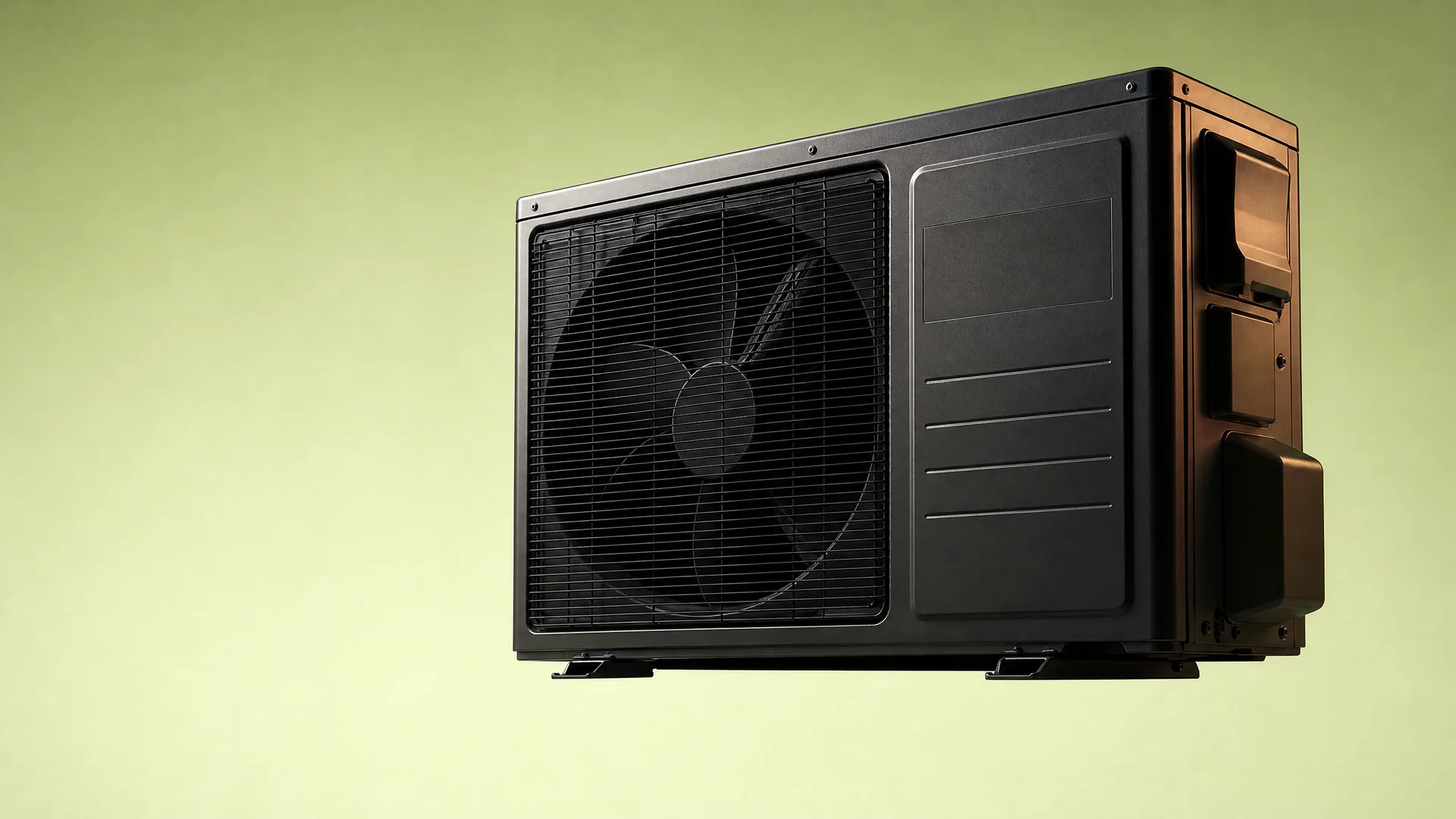
June is worth having the new system in place by, not scrambling through. Cooling here doesn't start until July, so the install, the inspection, anything that needs a part ordered, all of that can happen in June without the room already running warm. Wait until the first hot week and you're choosing a contractor from whoever has an opening, not whoever you'd pick with time to ask around. The unit itself doesn't care what month it goes in. The schedule does.
Sizing is math, not a guess
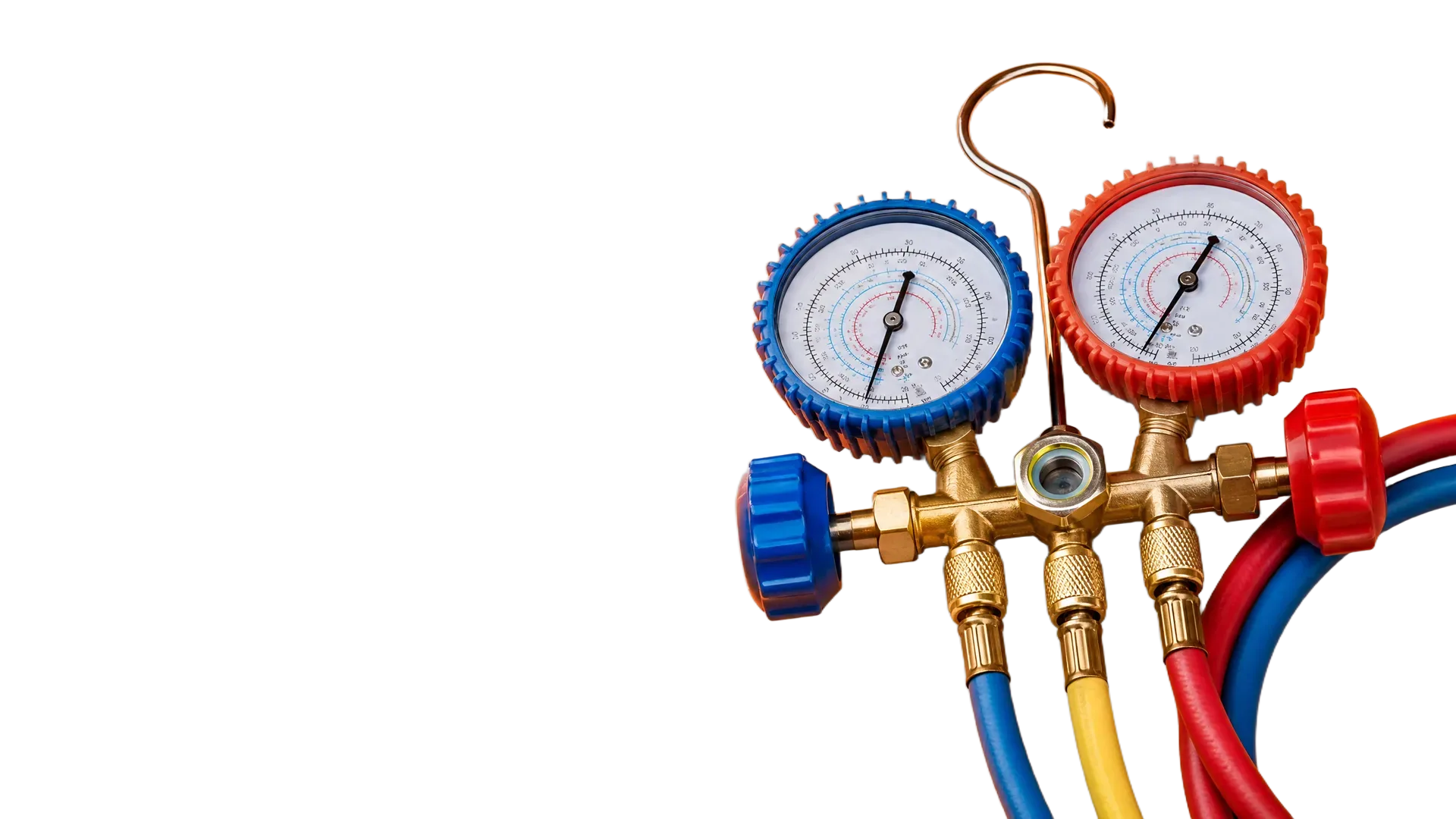
Sizing a mini split means working out how much heat the room gains, not how big the room is. A contractor measures the space, the windows, which way they face, how much insulation is behind the walls, and what else is giving off heat in there. Two rooms the same square footage can need different size units if one has a wall of west-facing glass and the other doesn't. Get it wrong and both directions cause problems. Too big, and the unit cools the air fast, hits the setpoint, and shuts off before it's pulled the moisture out of the room. That leaves the space feeling clammy even at the right temperature, and all that stopping and starting is hard on the compressor. Too small, and it runs flat out all afternoon without ever catching up, which wears it down just as fast while you sit there uncomfortable. The right size is the one that runs long, steady cycles. It reaches the temperature and holds it without shutting off and on every few minutes. That steady run is also when a mini split does its best job pulling humidity out of the air, since a unit that's constantly cycling never gets the chance.
An easy life means less to go wrong
Two months of light duty a year is easy on a mini split. Idaho's summer afternoons average 83°F, milder than 26 other states get, so the compressor isn't cycling against real heat the way it would further south. That's less wear over the system's life. It also means a straightforward single-zone or two-zone setup, sized to the rooms you're actually cooling, does the job without needing a bigger or higher-tier unit in reserve. Most of what shortens a mini split's life is a bad install or years of a dirty filter, not the climate asking too much of it.
Two light months a year means the install matters more than the SEER2 number.
Tell us about the job
Takes about a minute. No obligation.
Fill out the form once and contractors licensed in Idaho who install mini splits reach out with what they'd quote.