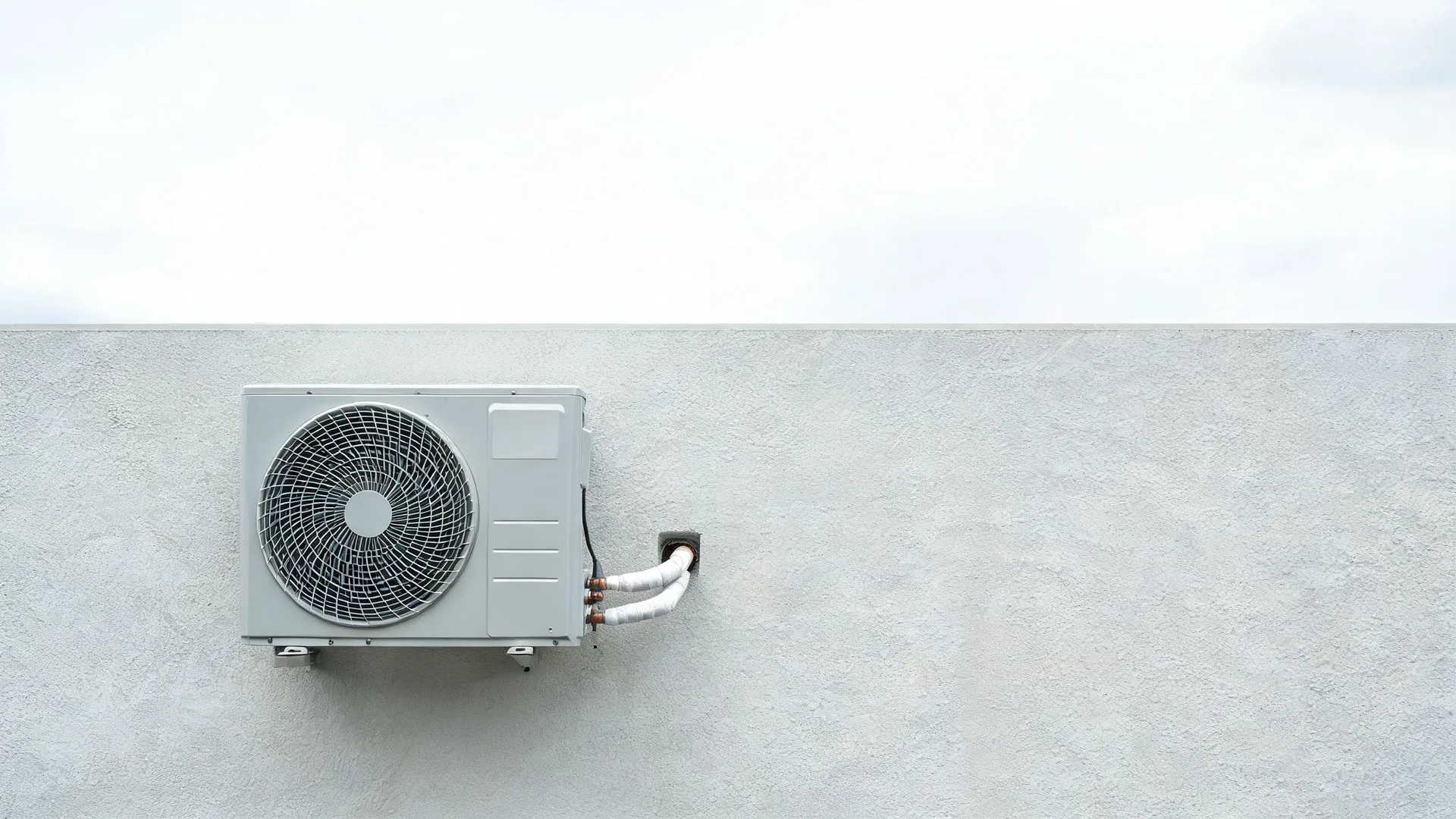
Gas heats most homes here
Utility gas heats 52.7% of homes in Kootenai County, more than any other fuel. Electricity is next at 37.8%, and most of those homes likely already use ducted electric heat or baseboards rather than a mini split.
Takes about a minute. No obligation.
Utility gas heats 52.7% of homes in Kootenai County, more than any other fuel. Electricity is next at 37.8%, and most of those homes likely already use ducted electric heat or baseboards rather than a mini split.
A mini split works alongside a gas furnace rather than replacing the whole system, often covering a room or addition the ducts do not reach well. In an electric-heated home, a mini split can take over more of the heating load since there is no gas line to work around.
NOAA nClimDiv, 1991–2020 normals
Cooling here only runs in July.
Install before June ends and the mini split is ready on day one of the season, not in the middle of it.




Cooling only runs one month a year here, July. The afternoon high even in peak summer averages 77°F, which is not a hard target for a mini split to hit. A system does not have to be oversized or top of the line to keep up with that. What this county sees more of is wind and hail. Damaging wind has hit 68 times in the past decade, and hail six times. A mini split here earns its keep by being installed and mounted well, not by having extra cooling capacity it will rarely use.
Kootenai County falls under zone 5B, a cool climate where heating does most of the work. A new mini-split sold here has to meet 14.3 SEER2 for cooling and 7.5 HSPF2 for heating, the same split-system minimum that applies everywhere in the country. That floor is already set before you start comparing units, and a federal tax credit is available on top of it.
Find a contractorA mini split is sized to the room it serves, not picked off a chart by floor area. The contractor measures the space, checks how many windows it has and what's on the other side of its walls, and works out how much heat that room gains or loses. Go too big and the unit short cycles, hitting the thermostat setting and shutting off before it finishes pulling moisture out of the air, so the room feels clammy even at temperature. Go too small and it runs flat out without ever catching up on the hottest or coldest days. Right sized, the compressor spends most of its time at a low, steady output instead of switching between full blast and off, which is both more comfortable and easier on the equipment. None of this is guesswork a good contractor skips. It's a calculation done before the unit is ever chosen.
A contractor should size a mini split by measuring the room or addition it will condition, not by guessing from square footage alone. Window placement, ceiling height and what the room shares a wall with all change the number. If nobody measured, the quote is a guess.
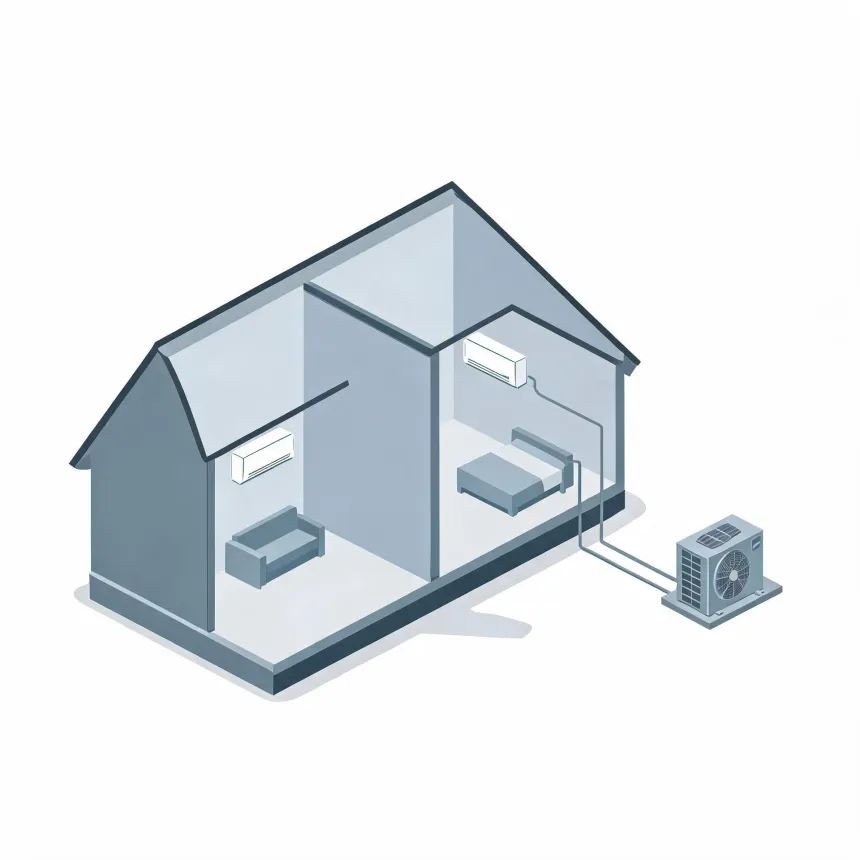
The line set carries refrigerant between the outdoor unit and the indoor head, and it has to be insulated along its whole length to work right. A run that is too long or has too many bends cuts into the system's output. Ask how it will be routed and finished before the work starts, not after.
The old system does not get torn out the day the mini split goes in, unless it is being fully replaced rather than supplemented. If the mini split is covering a room or addition and the furnace keeps running for the rest of the house, nothing about the furnace changes at all. If a ducted system is being replaced outright, the old equipment gets disconnected, the refrigerant in it recovered rather than vented, and the unit hauled out once the new lines are in and tested. Ductwork that is staying in use gets capped or sealed where it is no longer needed so conditioned air is not lost into a dead run. Any gas line feeding equipment that is coming out gets properly capped, not just shut off at the valve.
Installation day starts with the outdoor unit and the indoor head going up, not the power getting switched on. The mounting bracket for the indoor head goes against the wall first, leveled, because a head hung crooked drains wrong and drips. The outdoor unit sits on a pad or wall bracket, away from anything that blocks airflow around it. Then comes the line set, run through a hole drilled for it, insulated and sealed where it passes through the wall. The system gets evacuated with a vacuum pump before any refrigerant moves, which pulls out moisture and air that would otherwise ruin the charge. Only after that does the refrigerant get released and the system get tested, head by head, for proper airflow and temperature drop.