
AC Repair in Idaho
Across the counties where its people live, Idaho recorded less severe weather from 2015 to 2024 than 31 of the other 49 states.
Tell us about the job
Takes about a minute. No obligation.
- 83°Fsummer afternoon high where people live
- 2 monthsof cooling, July through August
- 11.52¢ per kWhwhat homes paid for power in 2024 (kWh means kilowatt hours, the unit on an electric bill)
- 235hail events from 2015 to 2024
Idaho doesn't work an AC hard. Two months of summer, with mild afternoons.
- Summer highs 84°F in southern counties, 81°F in northern ones
- Summer afternoons average 83°F where people live
- Cooling runs July through August
- 235 hail events from 2015 to 2024
- 1,206 damaging wind events from 2015 to 2024
- 11% of homes lost power a day or more in 2024

A compressor is the heart of the system, and when it starts drawing hard or tripping its breaker, that's usually not a one-part fix. If the compressor is failing, a tech will weigh its cost against a new outdoor unit, because replacing a compressor on an old system often costs close to starting fresh. A refrigerant leak raises the same question. Finding and sealing the leak might be straightforward, or it might be hidden in the coil itself, and a coil replacement on an aging unit is another point where repair stops making sense.
Plenty of AC failures are simple and worth fixing outright. A capacitor that's gone weak, a contactor with pitted contacts, a blown fuse or a dirty flame sensor on the furnace side, these are quick repairs that bring a system right back to normal. Age matters too. A unit that's a few years old with one failed part is worth repairing every time. The harder calls come when a system has needed a few repairs already, since each additional fix on an older unit is money spent on a machine getting closer to the end of its working life either way.
Why repair is usually the right call here
Two months of real heat a year is not much to ask of a compressor. June and July, afternoons around 83, then it's done working hard until next summer. A system here spends most of its life idle, not fighting heat day after day. That's why age and neglect explain more AC trouble in Idaho than the climate does. A unit that's gone a few mild summers without a look from anyone is more likely to have one worn-out part than a worn-out system. Worth finding out which before writing it off.
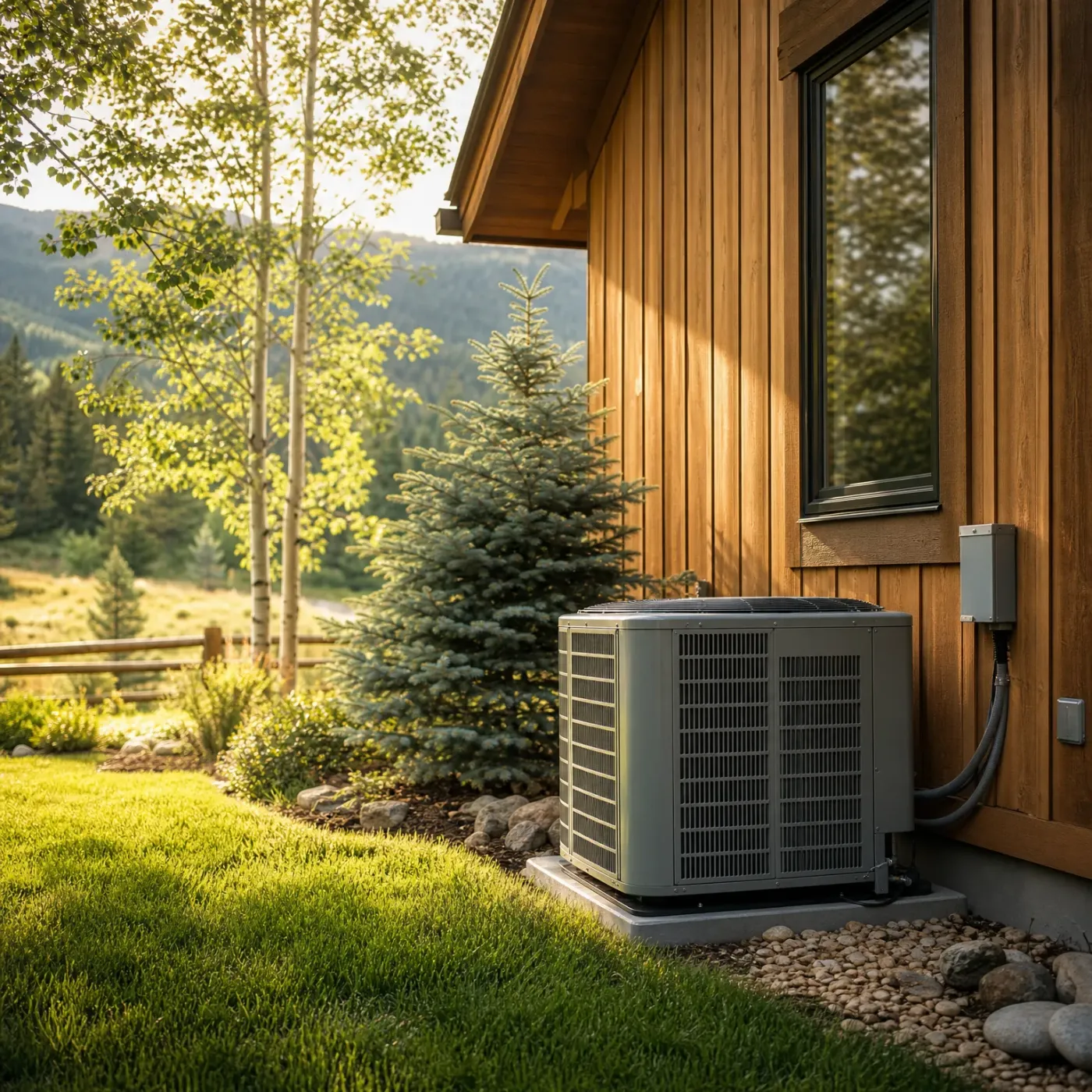
2 months of cooling, July through August
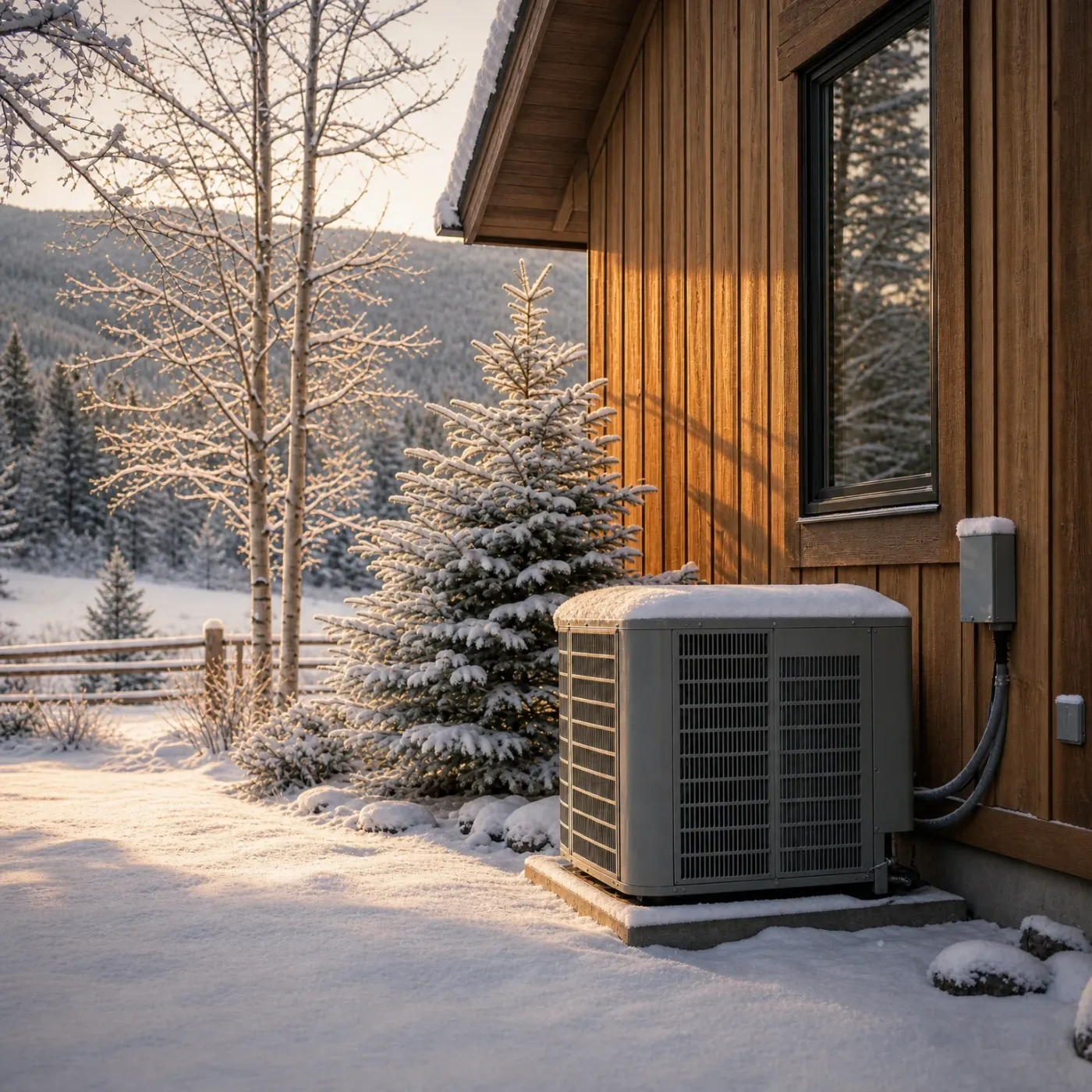
10 months of heat, September through June
Canyon County sees the hottest summer afternoons in the state, averaging 89°F in June, July and August, while Boundary County averages 71°F, among the mildest anywhere in Idaho. Even at the warmer end, that's not the kind of heat that runs a compressor into the ground. It just means a unit in Canyon County has done more work by the end of summer than one in Boundary County.
Ada County homes run cooling about three months a year, the longest stretch in the state. Bonneville County homes run close to none. Three months is still a short season, but a system in Ada County cycles more than one that barely turns on, and that difference is worth knowing before guessing at what failed.
Homes across Idaho's southern counties need about 39% more cooling over a year than homes across the north, and summer afternoons run a few degrees warmer there too, 84°F against 81°F. A system in the south has more reason to show ordinary wear from use. One in the north is more likely to have sat idle long enough that neglect, not heat, explains the failure.
None of this changes what the state asks of a system overall. Idaho's summers are milder than in 26 other states, and cooling runs for fewer months than in 34 of them. But where a home sits still shapes the first thing worth checking. A weak capacitor in Canyon County might be ordinary wear. The same part failing in Boundary County points more toward age, or a unit that never got a look.
What does an AC in Idaho face?
How hot do summer afternoons get?
83°Faverage afternoon high where people live
Alaska66°F
Arizona101°F
How many months does the cooling run?
2 monthsof cooling a year
Alaska0 months
Hawaii12 months
What does electricity cost?
11.52¢per kWh, what homes paid in 2024
North Dakota11.51¢
Hawaii42.86¢
How often do storms hit?
186severe weather events per county from 2015 to 2024
Alaska5
Wyoming1,057
How many homes lost power for a day or more?
11%of homes in 2024
Arizona7%
Maine54%
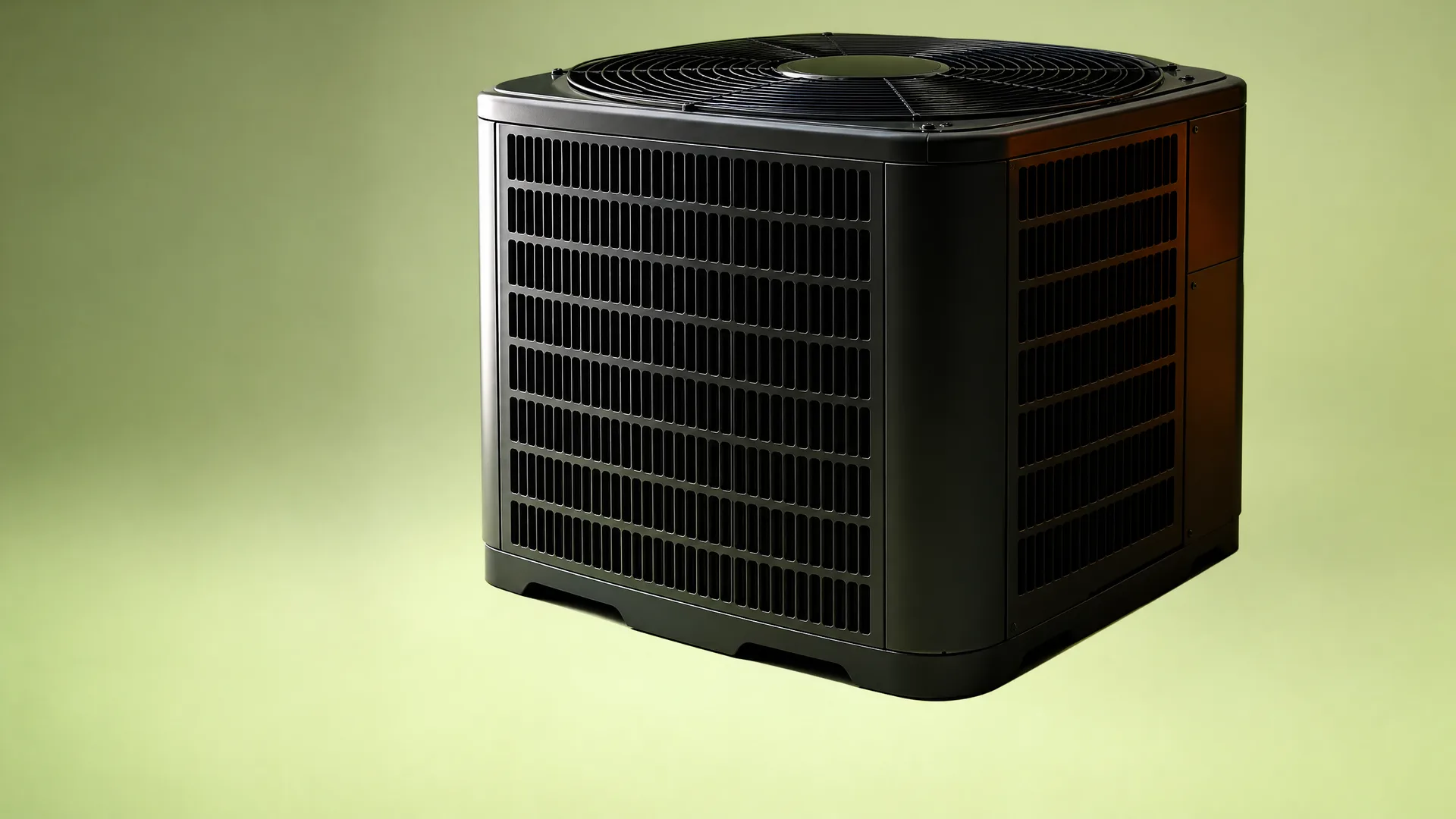
Why air conditioners fail
Most AC failures start with the same handful of parts. The capacitor gives the compressor and fan motor the jolt they need to start spinning. It weakens slowly over years of heat cycles until one day the start doesn't happen at all. A contactor switches power to the outdoor unit every time the system calls for cooling, and its contacts pit and burn with age until they stick or stop making contact. Low refrigerant almost always means a leak somewhere in the lines or coil, not normal use. A sealed system doesn't lose charge on its own. Dirty coils and clogged filters force the system to run longer than it should, and that extra strain is what eventually takes out a compressor that would have otherwise lasted. Drain lines clog with algae and shut the system down on purpose, as a safeguard against water damage, not because anything else is wrong. Small parts wear out on their own schedule. What breaks usually has more to do with age and upkeep than with any one bad day of heat.
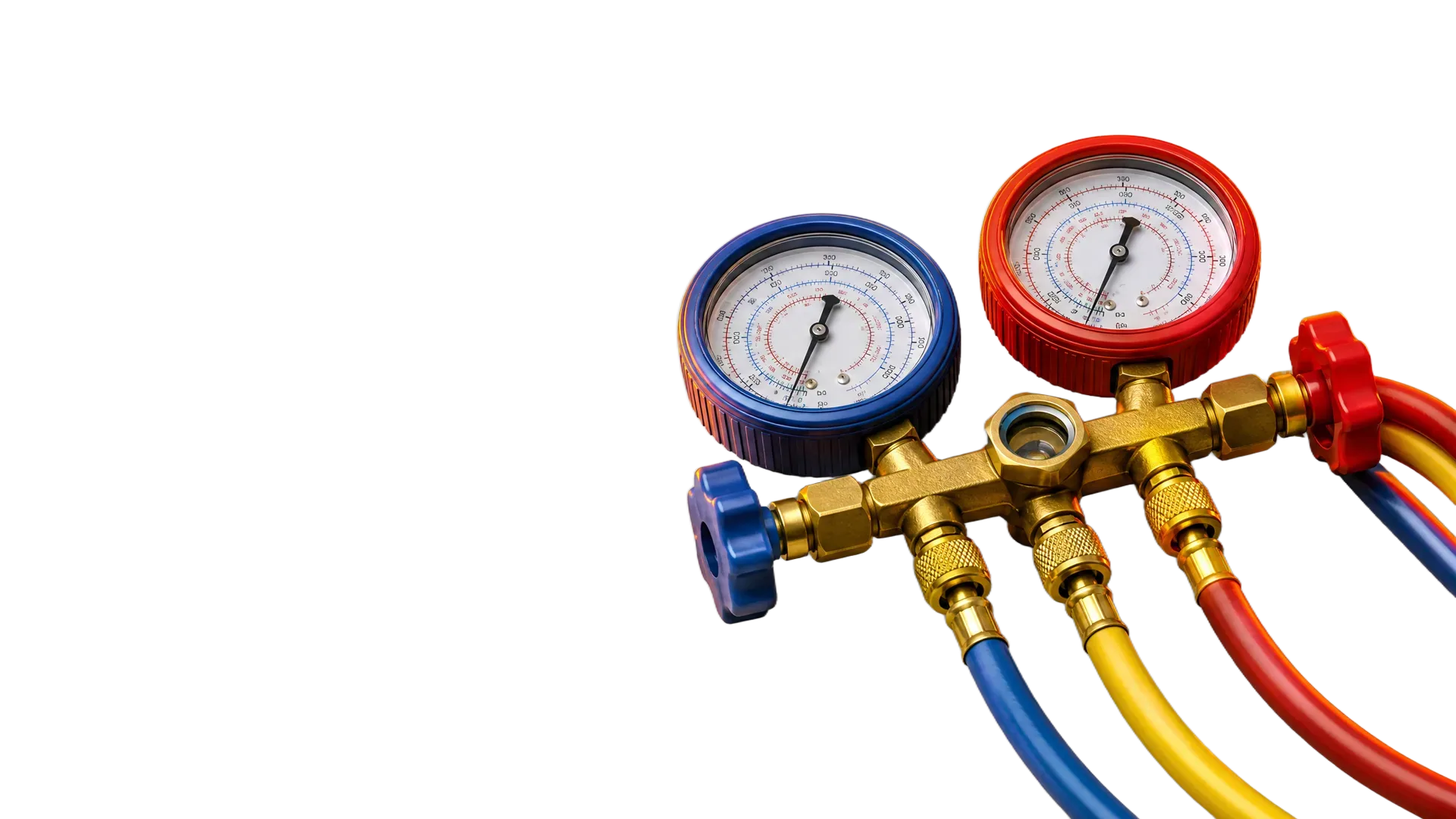
What to check before you call
A few things are worth checking before anyone comes out. Start at the thermostat. Make sure it's set to cool and set below room temperature, and swap the batteries if the display looks dim. Next, check the breaker panel. If the AC breaker has tripped, reset it once. If it trips again right away, stop there, that's a sign of a real problem and resetting it again won't fix anything. Walk outside and look at the condenser. Leaves, grass clippings, or a cover left on over winter will choke off airflow and make the system work harder than it needs to. Clear anything stacked against it. Inside, pull the air filter and hold it up to a light. If light doesn't pass through, it's clogged, and a clogged filter alone can cause weak airflow or ice on the coil. If there's ice on the indoor coil or the copper lines, turn the system off and let it thaw fully before anyone goes further. Running it iced up just adds strain. None of this fixes a bad capacitor or a refrigerant leak, but it rules out the simple stuff first.
Newer homes, more reason to repair
Half the homes in Idaho were built in 1991 or later. Most of the state's housing is detached or attached single-family houses, not the kind of apartment or multi-unit building where a system might get run into the ground by someone who doesn't own it. A newer house usually means the AC went in during a remodel or a replacement cycle, not decades ago. That matters when a compressor trips or a system short-cycles, because a unit still within its working life is worth fixing almost every time. The harder conversation is for an old system nobody's maintained. That's not the conversation most homeowners here are having.
Idaho summers don't push an AC hard, so most problems come down to one worn part.
Tell us about the job
Takes about a minute. No obligation.
Answer a few questions and a licensed Idaho contractor will take a look and tell you what's actually wrong.