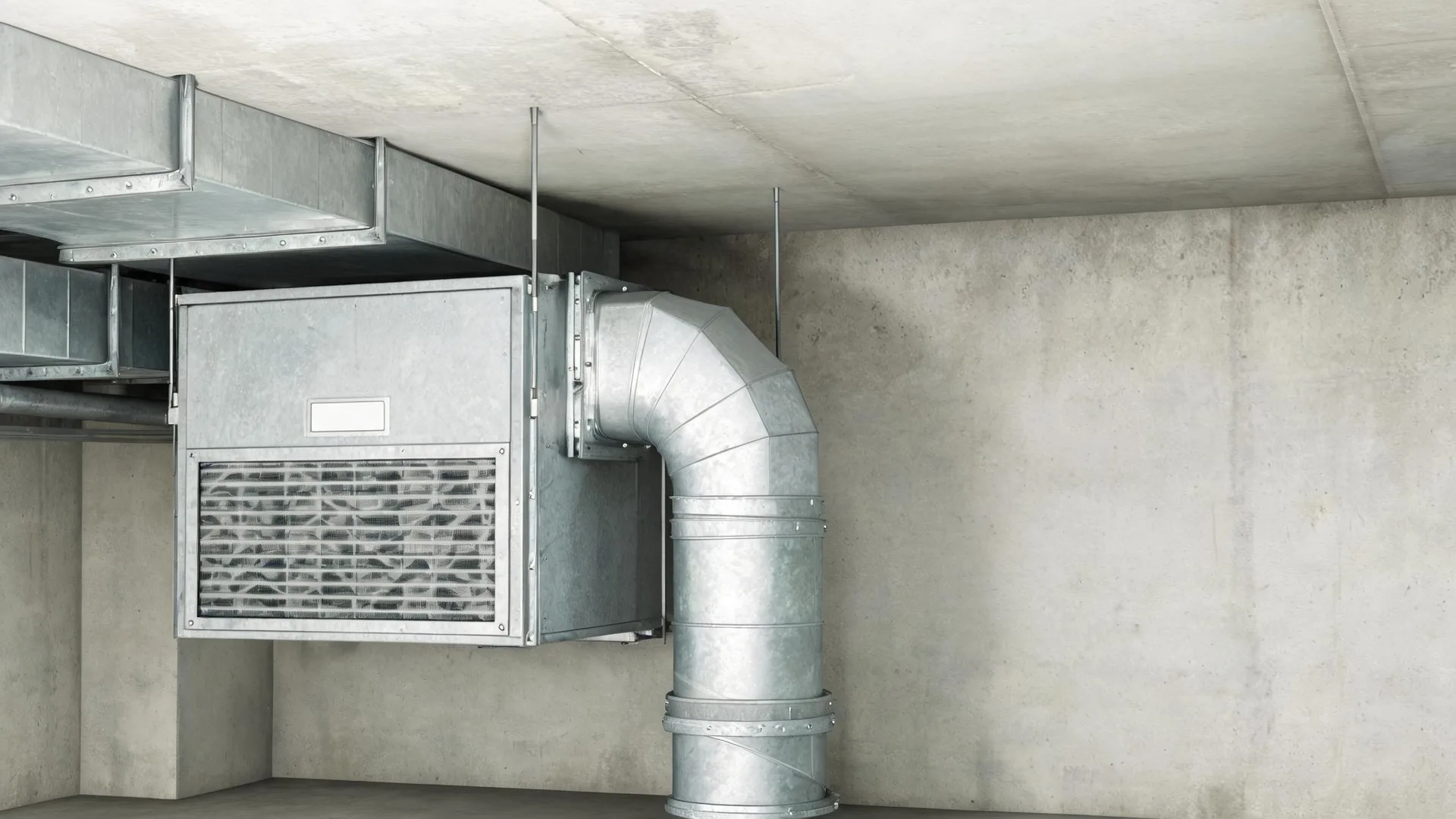
June is when to get it looked at
Cooling in Arco runs in July, just the one month. If your AC has been sitting since last summer, June is the time to find out if it still works right, before the heat actually hits.
Takes about a minute. No obligation.
Cooling in Arco runs in July, just the one month. If your AC has been sitting since last summer, June is the time to find out if it still works right, before the heat actually hits.
A capacitor or contactor that was already marginal tends to fail once the system has to run hard, not while it sits idle. If your AC struggled last July, whatever caused that is still there now.
NOAA nClimDiv, 1991–2020 normals
Arco asks its air conditioner to work one month a year, with afternoons averaging 79 degrees even at summer's peak.
A system that only runs in July rarely wears out. If yours is acting up, something broke, and that's usually worth fixing instead of replacing.



Half the homes in Butte County were built in 1971 or earlier. If your air conditioner came with the house, it's worth finding out when, since a unit that old is closer to the end of its working life than the middle. That doesn't mean the repair in front of you is wasted. A dead capacitor or a failed contactor is a small, ordinary fix on a system of any age. The question worth asking is how much life is left in the unit before you put money into it.
A system that only works one month a year has little reason to fail on its own. When something breaks, it's usually one part, and replacing that part is the straightforward fix.
Find a contractorA contractor can pull the model and serial number off the unit and tell you its age in a few minutes. That's worth knowing before any repair goes forward, not after. If the unit is old enough that parts for it are getting hard to find, that changes what the repair in front of you actually means.
Look at the outside unit and make sure the fan spins freely and nothing is blocking it, no leaves or grass clippings packed against the coil. Check your thermostat has fresh batteries if it uses them, and that it's actually set to cool and below room temperature. Go to the breaker panel and make sure the breaker for the outdoor unit hasn't tripped. Pull the filter and hold it up to a light. If you can't see light through it, it's choking the airflow and needs to be swapped before anything else gets looked at.
If the outdoor unit is humming but the fan isn't turning, don't keep flipping the breaker or let it keep trying. That's often a bad capacitor, and a motor that keeps attempting to start without one can burn out. Ice on the indoor coil or the line running to the outdoor unit means something's wrong with airflow or refrigerant, and running it more will only make the fix bigger. Any burning smell or a breaker that trips again right after you reset it means stop and get someone out.
Estimates for a typical Butte County home, compared with an older unit built to the previous federal minimum, from EIA household energy data, Idaho fuel prices and NOAA climate normals. Your home will differ.
Repair makes sense when a part like a capacitor or contactor has failed.
Replacement makes sense when the compressor has failed or the system uses R-22 refrigerant, which is no longer made.
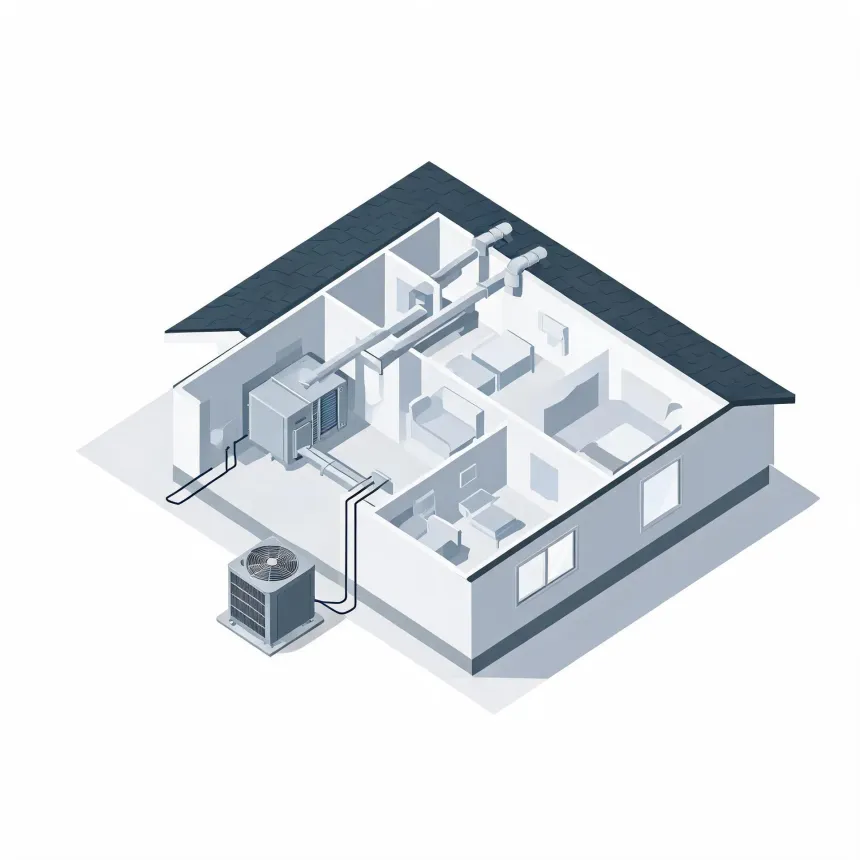
A diagnostic visit starts outside, at the unit itself. The contractor checks that the fan spins freely, feels the line for proper temperature, and listens for the compressor kicking on without strain. Inside, they'll check the air coming out of your vents against the air going in, since that spread tells them whether the system is actually moving heat the way it should. Gauges go on the refrigerant lines to check the charge, because too little or too much both cause real problems. Electrical readings on the capacitor and contactor catch the parts that are close to failing but haven't quite given out yet. None of this takes guesswork. The readings either fall where they should or they don't, and that's what points to the part that needs replacing.