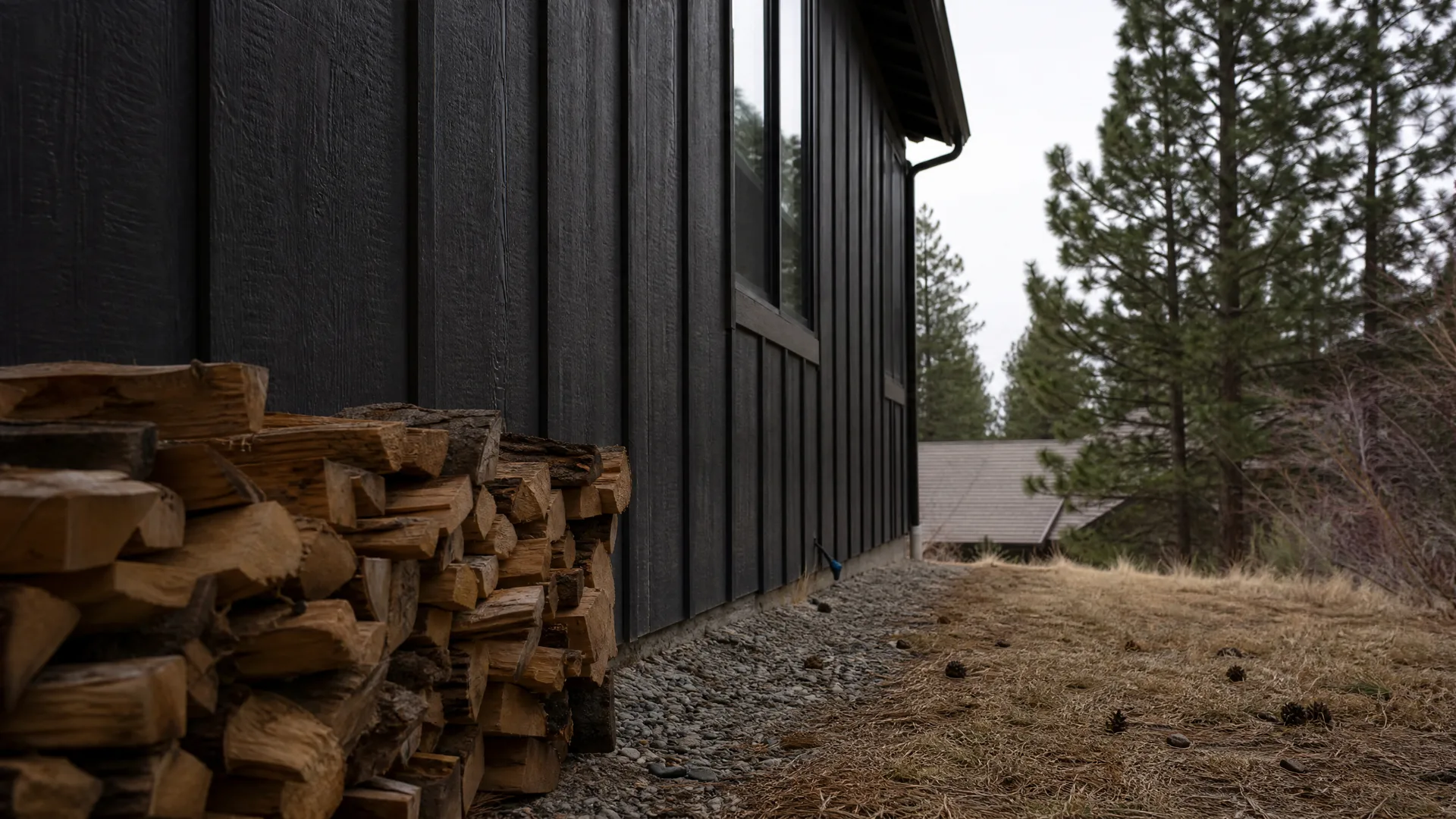
A stack of split firewood sits against the black vertical wood siding of a house, with a gravel strip, dry grass, and pine trees under an overcast sky.

AC Repair in Hailey, ID

Tell us about the job

Takes about a minute. No obligation.

RepairCentral ACBlaine County, ID
Step 1 of 2

What ZIP code is the job in?

One month of real work a year

Air conditioners in Blaine County only run in July. The rest of the year the afternoon highs through June, July and August average just 78 degrees, which is mild work for a compressor. A unit here isn't fighting the kind of heat load that wears systems out fast in other places.

What that means for a repair call

An AC that's acted up here usually hasn't been run hard enough to justify giving up on it. If something's failed, age or a part that's worn out on its own is a more likely cause than years of strain. That makes most repairs worth doing rather than a sign the whole system is near the end.

1 months
July through July, your air conditioner is on duty
78°F
the average summer afternoon it cools against
2 hail events
in ten years, and hail bends the fins on outdoor coils
38 wind events
in ten years, and wind drives debris into outdoor units
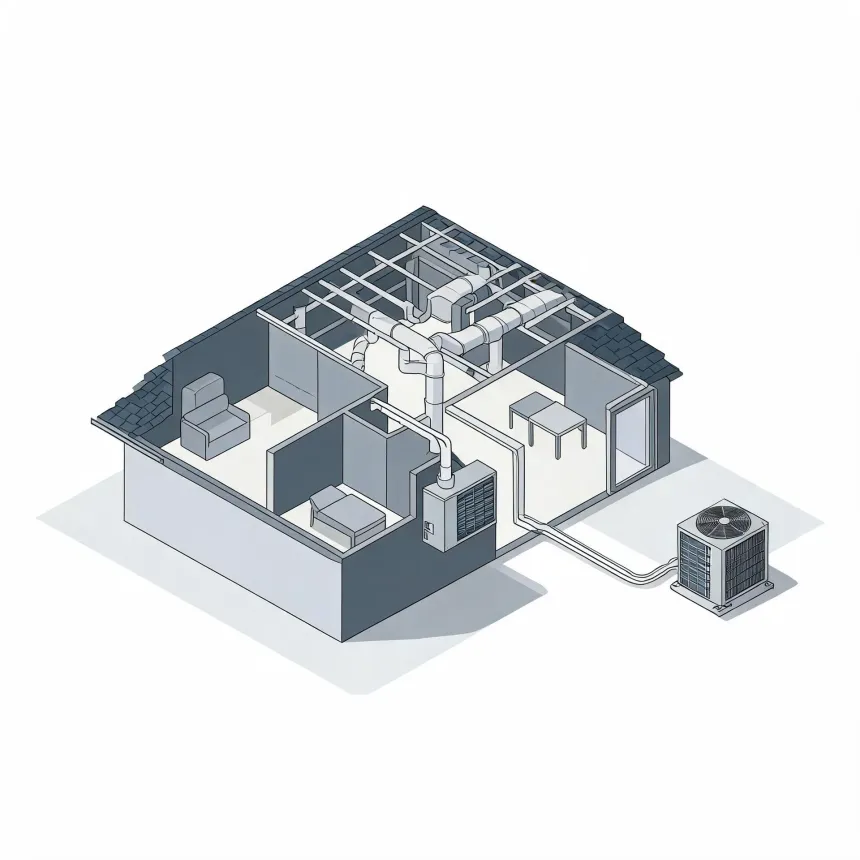
Isometric cutaway illustration of a house showing attic ductwork, an indoor air handler, and an outdoor condenser unit connected by lines.
Your air conditioner works hardest from July through July.

NOAA nClimDiv, 1991–2020 normals

Half the houses in Blaine County were built in 1987 or later.

A system that came in with a newer house still has a lot of working life in it, so a repair call makes sense.

One month of real heat is when a weak part finally gets found

Cooling runs July through July
Summer afternoons average 78°F
38 damaging wind events from 2015 to 2024

Winter storms hit Blaine County 142 times over the years in the records, and damaging wind another 38. Hail barely shows up here, just 2 events. None of that has much to do with the unit sitting outside your house. Wind and snow don't wear out a compressor or a capacitor. Heat does that, and here the heat only really shows up for a month. So a breakdown on your AC isn't a weather story. It's more likely age or a part that's simply worn out, which is usually fixable.

A light workload like this is usually worth fixing

A system that's only had one real month of work a year is usually a good candidate for repair instead of replacement. Get a licensed contractor out to look at what's actually failed.

Find a contractor
An outdoor air conditioning condenser unit mounted on a concrete pad beside a house, with electrical conduit running to a wall-mounted disconnect box.

A newer system is worth a repair call first

If your system came in with the house and the house dates to 1987 or later, check the service records before you think about replacing anything. A unit that age has had an easy load here, one real month of summer work a year, so what's failed is more likely a single worn part than the system giving out. A capacitor or a contactor is a repair either way.

What you'll notice first

The air coming out of the vents turns warm, or weak, or stops moving the way it used to. Sometimes the outside unit runs but the house doesn't cool. Sometimes it short cycles, kicking on and off every few minutes instead of running a full cycle. A hissing or bubbling sound near the lines, ice on the copper line running to the outside unit, or water pooling near the indoor unit are all worth a call.

What's usually behind it

A capacitor that's weakened will make the outside fan or compressor struggle to start, sometimes with a humming sound. A low refrigerant charge shows up as ice on the line and weak cooling. A failing contactor can keep the outside unit from starting at all. None of these mean the system is done. They're single parts, and a contractor can usually tell which one it is just by watching the unit try to start.

An outdoor central air conditioning unit mounted on a concrete pad beside a blue-sided house at sunset.

A new air conditioner would save little on running costs in Blaine County, so the repair decision comes down to the unit's condition.

  • An older air conditioner$60 a year
  • A new one at the federal minimum, 13.4 SEER2$60 a year

Estimates for a typical Blaine County home, compared with an older unit built to the previous federal minimum, from EIA household energy data, Idaho fuel prices and NOAA climate normals. Your home will differ.

Repair makes sense when a part like a capacitor or contactor has failed.

Replacement makes sense when the compressor has failed or the system uses R-22 refrigerant, which is no longer made.

A diagnostic call starts outside, at the condenser. A contractor will usually watch it try to start before touching anything, because a weak capacitor or a failing contactor both show up right there in how the fan and compressor behave. From there it's gauges on the lines, checking the charge and looking for the oil residue that points to a leak. Inside, they'll check the coil and the airflow across it, since a coil caked with dust or a filter that's been ignored can mimic a refrigerant problem that isn't really there. Most of this is listening and watching before anything gets opened up. A system that's acting up usually tells a contractor what's wrong within the first few minutes of looking at it.