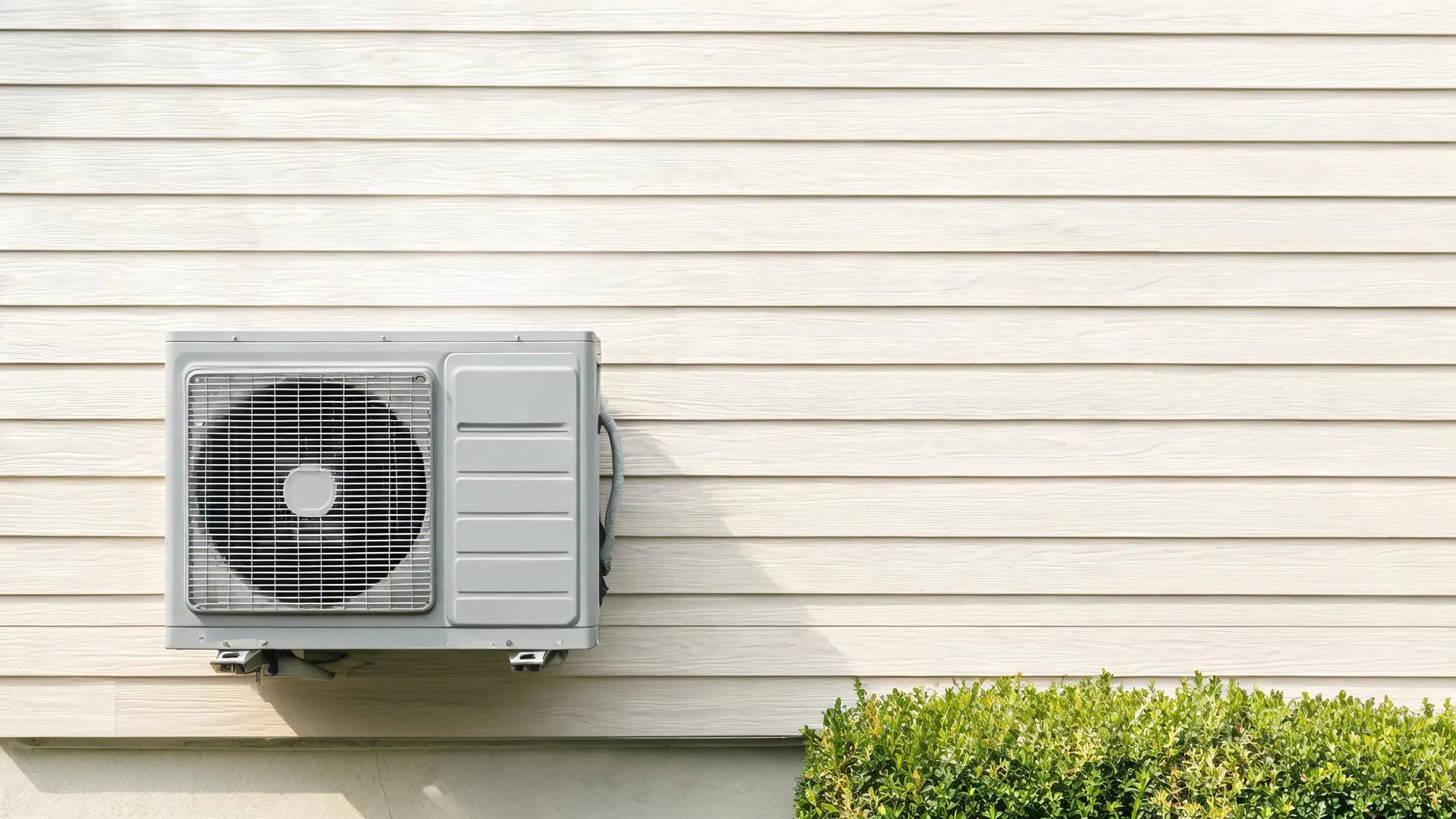
Most homes here run on electric heat
Electricity heats 59.6% of occupied homes in Custer County, more than any other fuel. A mini split fits right into that setup since it runs on electricity too.
Takes about a minute. No obligation.
Electricity heats 59.6% of occupied homes in Custer County, more than any other fuel. A mini split fits right into that setup since it runs on electricity too.
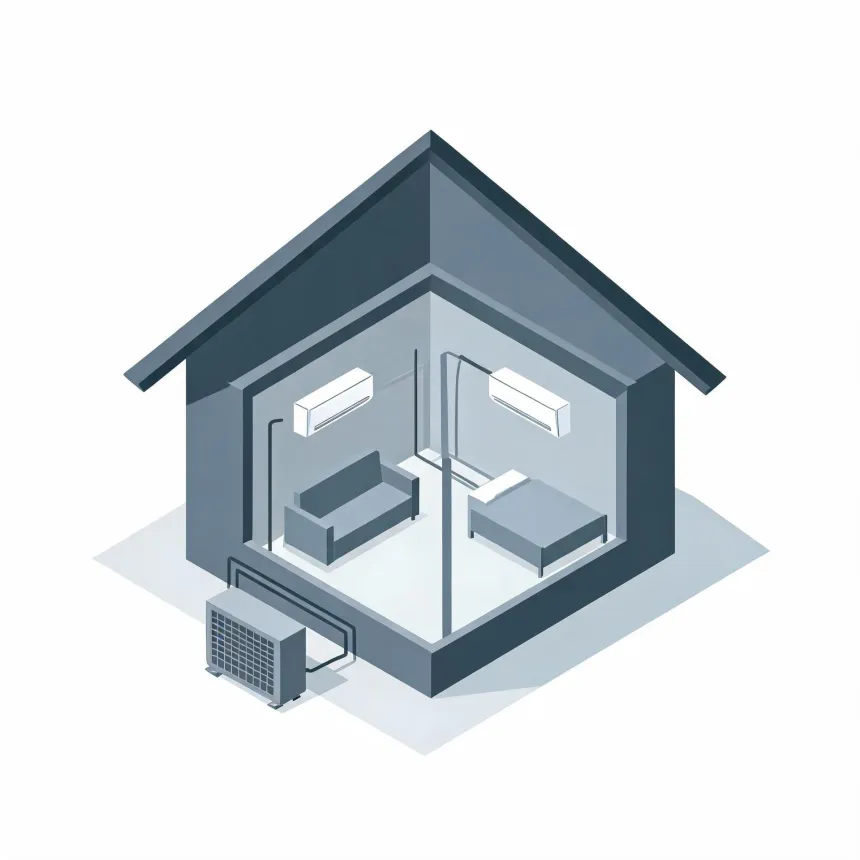
If your current system is electric, a mini split installation doesn't need to tie into a fuel line or vent a flue. The job is mostly about running refrigerant lines and mounting the indoor and outdoor units.
Idaho electricity ran 11.52 cents per kilowatt-hour in 2024, cheaper than most of the country.
A mini split still costs less to run than baseboard or wall heaters, but a pricier high-efficiency model will take longer to earn that difference back here.



With power this cheap, the spec sheet matters less than whether the installer sized the unit right for the room it's heating and cooling. A mini split that's a size too big will short cycle, turning on and off more than it should, and one that's too small will run flat out on the coldest and hottest days without keeping up. Either way you lose more to that mismatch than you'd ever gain from a higher efficiency rating. Ask the contractor to size the unit to the room, not to the biggest or most efficient model on the truck.
Custer County sits in climate zone 6B, cold with a long winter. Any mini split manufactured from 2023 on has to clear 14.3 SEER2 for cooling and 7.5 HSPF2 for heating. That is the federal floor for every split-system heat pump, ductless included. A federal tax credit is available toward a qualifying installation. Get a quote to see what fits your home.
Find a contractor
Summer afternoons here average 73 degrees, and that's about as warm as it gets. A mini split put in now will spend almost all its time on heat, running from fall through spring and sitting idle the rest of the year. That's a lighter load than the same unit would see in most other places, and it's one reason a well-installed system here tends to hold up. The bigger wear on equipment in Custer County comes from outside the box. Damaging wind has hit the county dozens of times over the past decade, so where the outdoor unit sits and how well it's mounted matter as much as anything inside it.
A single indoor head paired with one outdoor unit is the simplest job there is. Add a second or third room and the installer is running more line sets, mounting more heads, and often stepping up to a multi-zone outdoor unit that can handle the combined load. Each zone adds its own labor and material, so a whole-home setup costs more than treating one room.
Running refrigerant line from the outdoor unit to the indoor head is straightforward when they can sit close together on an exterior wall. It gets more involved when the line has to run through an attic, drop down an interior wall, or cover real distance to reach a room on the far side of the house. Longer runs and tighter paths mean more time on the job and more material in the wall.
A quote should tell you more than the brand on the outdoor unit. Ask how the installer arrived at the size they're quoting and what measurements they used for the room. Ask whether the length of the line set and the number of turns it has to make were factored in, since a long or winding run changes how the system performs even with identical equipment. Ask what happens at the wall and ceiling penetrations, since a sloppy seal there costs more over time than a small difference in efficiency rating. And ask what's covered if the outdoor unit or a line connection fails early on, because that answer tells you more about the installer than anything on the spec sheet.
Installation day starts outside, not in. The outdoor unit needs a spot on a pad or wall bracket, level ground, and enough clearance on all sides for air to move through the coil. Inside, the installer marks the wall for the indoor head, checking for studs and anything inside the wall before drilling the hole for the line set. That hole has to slope slightly outward so condensation drains the right way instead of pooling back into the room. Once the lines run and connect, the system gets evacuated with a vacuum pump to pull out air and moisture before the refrigerant is released into the lines. Skip that step or rush it and the compressor wears out early, long before anything else on the unit gives out.