7 to 14 feet
That's the usual run from indoor head to outdoor unit. Longer runs need more refrigerant and more care at each bend, so where the outdoor unit sits matters as much as the wall inside.
 Hand it off
Send the form and the search for an installer is over.
Where a mini split goes in your home comes down to the wall it's mounted on, the room it has to cover, and what else that room is already doing for heat in the winter. Most houses in Idaho heat with gas, so the mini split is usually there for summer, when it's hot and dry and the gas furnace isn't running at all. That changes where it makes sense to put one, compared to a house that leans on it to heat every room all winter.
The indoor unit needs a clear run on an exterior wall, away from a corner, with room below it for air to move across the whole space. The outdoor unit needs ground or a mounting bracket on the side of the house, clear of snow load and out of the path where runoff from the roof lands all winter. A spot that looks fine in July can sit under three feet of snow by January.
Figuring this out room by room, wall by wall, is exactly the kind of thing a contractor who's walked through hundreds of Idaho homes can see in five minutes that takes a homeowner an afternoon of guessing. Short of that, you're left calling around, describing your house to three different companies, and trying to compare bids that don't even agree on where the unit should hang.
Send the form on this page and that work stops being yours to do. You won't be the one searching for who's any good at this, or repeating your address and your wall layout to another stranger on the phone. A contractor who installs these in Idaho homes gets the details instead, and takes it from there.
The right spot is a wall with a clear path for refrigerant line to the outdoor unit, away from the corner of the room, and high enough that the airflow reaches across the space instead of dumping cold air on one side. In Idaho that mostly means picking the room that bakes hardest on a July afternoon, since most houses here already have gas heat and the mini split is covering summer, not winter. South and west walls take the most sun, so a living room or bonus room facing that way struggles more than a shaded bedroom. The indoor head wants to sit a few feet above the floor with nothing blocking it, a shelf, a curtain, furniture, and the outdoor unit needs its own clearance to breathe and to be reached for service. Get the placement wrong and the room it was meant to cool never quite catches up, even on a mild day.


Picking a spot isn't just about which wall looks open. The indoor head has to throw air across the whole room, which is why height and position in front of a doorway or window matter more than people expect. Outside, the condenser is doing the harder job, and where it sits changes how hard. A unit baking in direct sun all afternoon is fighting the heat it's supposed to be rejecting, so shade, or at least afternoon shade, makes a real difference on the hottest Boise days. The line set connecting the two matters too. Every bend in that refrigerant line is extra work for the compressor, and the longer the run between indoor and outdoor units, the more efficiency the system gives up, especially past the 25 foot mark. None of this is guesswork a homeowner should have to do alone. It's the kind of thing an installer checks on-site: where the sun falls on the outside wall in July, where the drain line can slope downhill the whole way, where the line set can run short and straight instead of snaking through the house.


That's the usual run from indoor head to outdoor unit. Longer runs need more refrigerant and more care at each bend, so where the outdoor unit sits matters as much as the wall inside.
A mini split placed to cover a room well in July often ends up fighting a gas furnace register in January. Picking the spot means knowing which season it's really working.




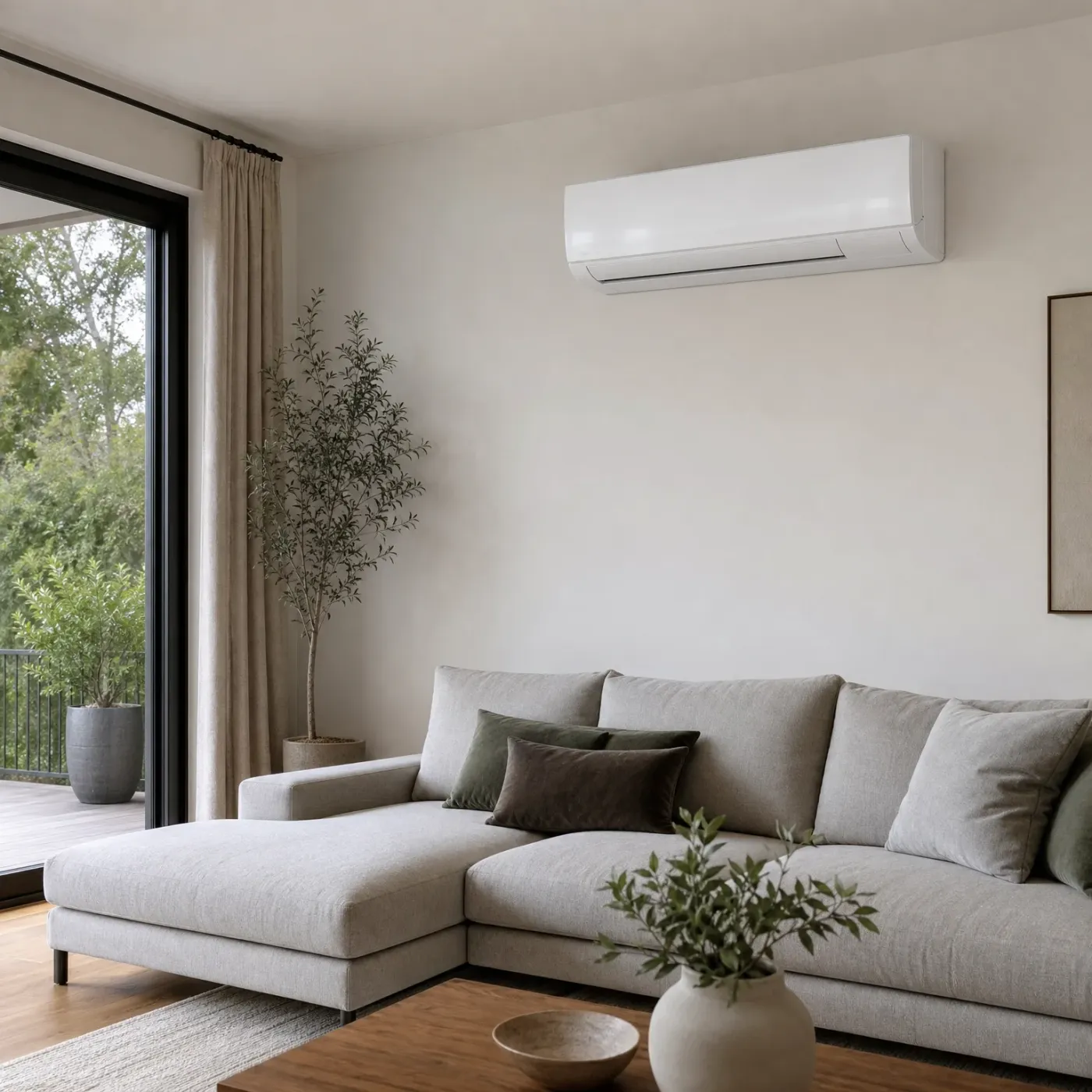
Describe the project once instead of to every installer.
One request ends the search for a mini split installer.
There's no charge for the request.


Stand under it this August and notice where the cold air lands. If it's blasting the couch six feet away and leaving the rest of the room warm, the spot it's mounted in is working against it. A unit placed too low or too close to a corner throws air in a narrow band instead of across the room, so you end up running it longer and lower just to feel the difference anywhere else. Check the wall it's on, too. If the line set took a tight path to get outside, with sharp bends to clear a window or a corner, that's extra strain on the system every time it cycles, not just a wiring detail you can ignore.

Idaho summers are dry, and the air here averages a dew point of 42°F across June, July and August, according to NOAA climate normals. That's low enough that your mini split doesn't spend much effort wringing moisture out of the air, just cooling it. Where a lot of climates make an AC fight humidity before the room ever feels comfortable, yours mostly just needs to move the heat out. That's one more reason placement matters so much here: with little moisture to pull out, the unit's whole job is throwing air across the room evenly. Mount it where that airflow gets blocked and you'll feel the warm spots even on a dry day.
NASA POWER T2MDEW county cells weighted by homes
You've got a spot picked out for the outdoor unit and it happens to sit right under a bedroom window. Before the installer shows up, you want to know if that's a problem, since the compressor kicks on and off all summer and you don't want to hear it every time you're trying to sleep with the window cracked.
A mini split's outdoor unit can technically sit under a window, but it's not the best spot. The compressor and fan run most through July and August, and that noise travels straight up into the room above it. It also throws warm air out the side when it's cooling, and that air can blow back toward the window screen instead of away from the house. A couple feet to either side solves both problems without changing anything about the line run to the indoor head. If a window is the only clear wall space you've got, the installer can still make it work, but it helps to mention the window when you're describing the spot.
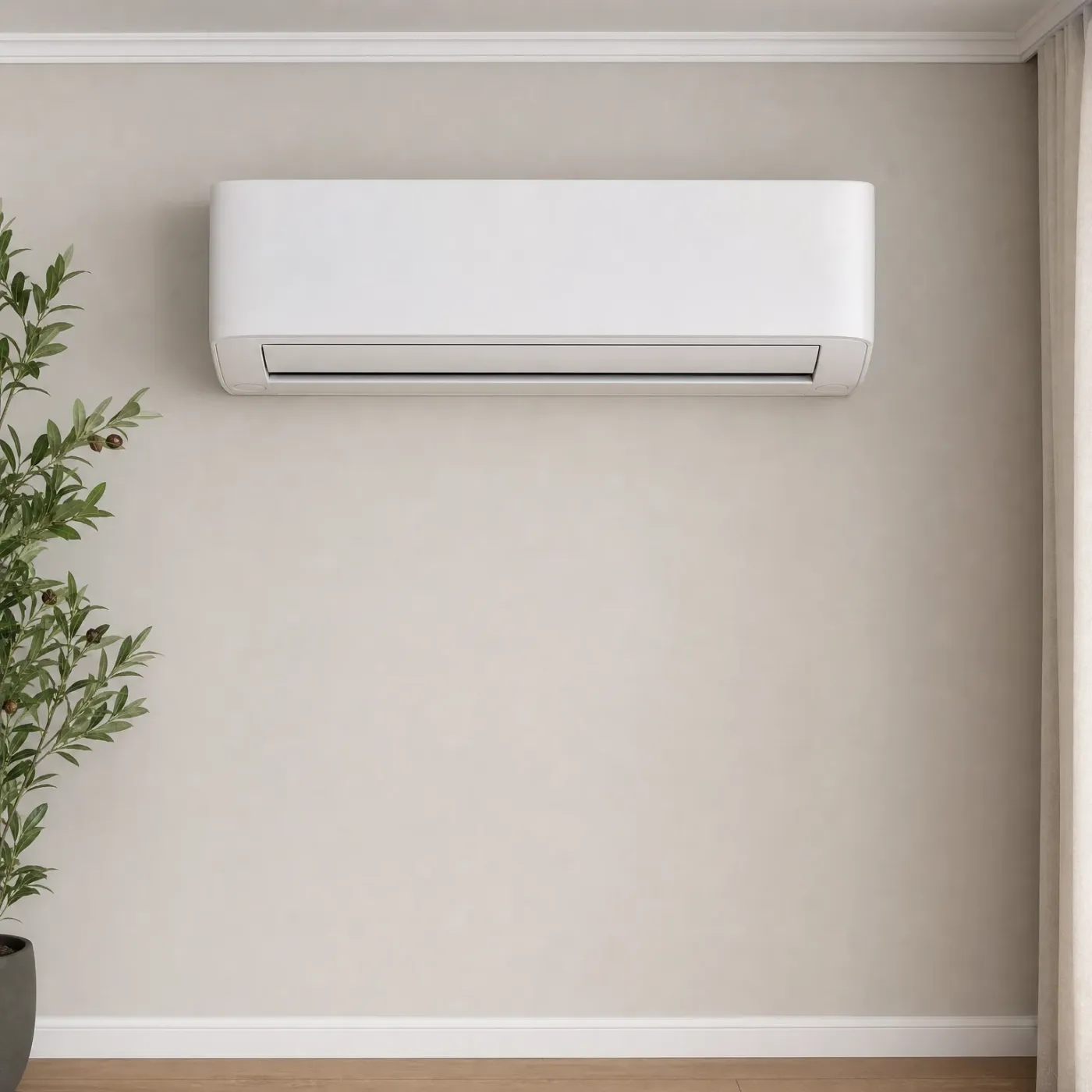
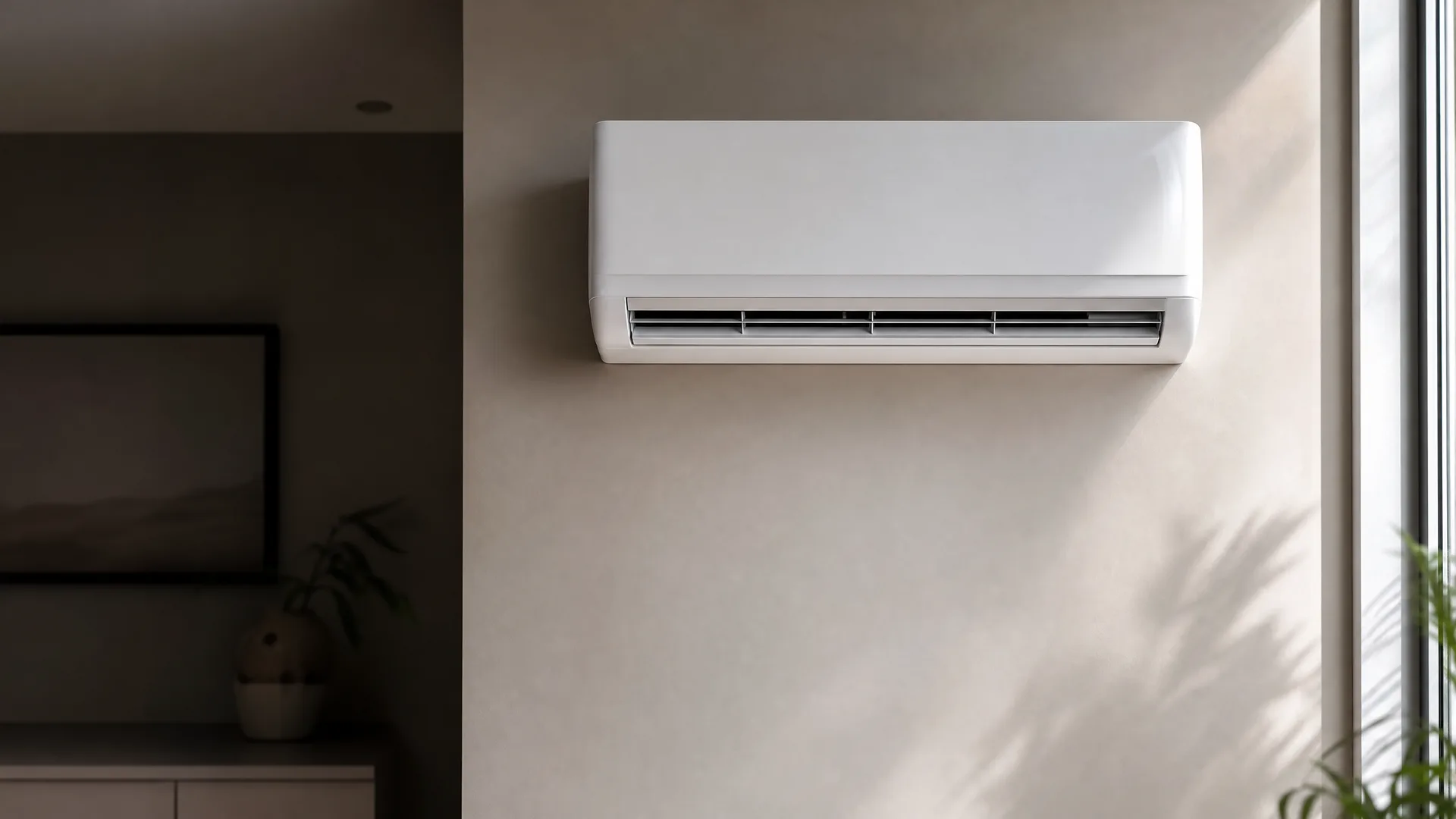
A clean unit mounted high on a clear wall throws air evenly across the room. Nothing blocks the vents, and the airflow reaches the far side of the room instead of pooling by the window or the door it's closest to.
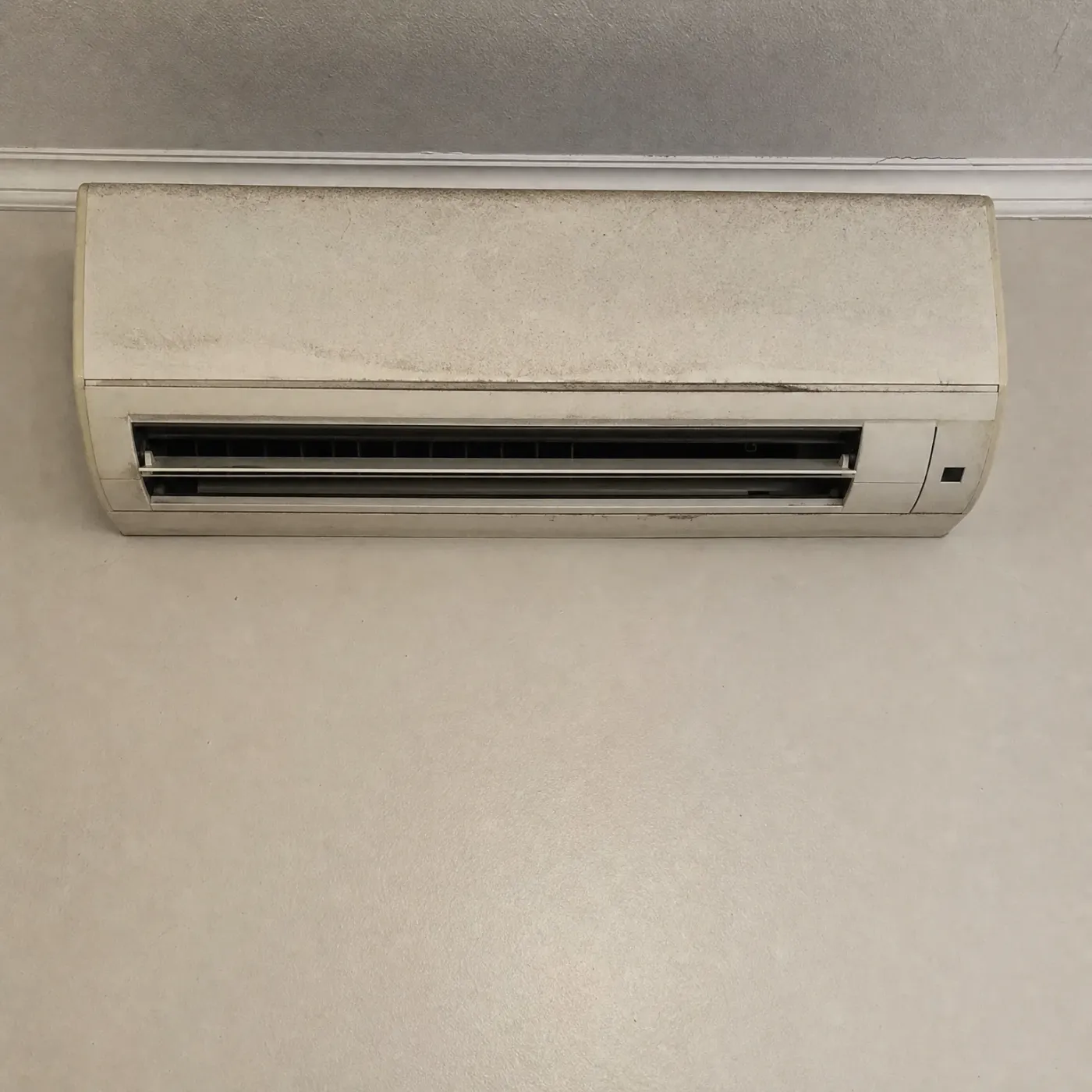
Dust and grime across the front panel choke the airflow before it leaves the unit. Sometimes that's a spot that traps room dust near the floor vents. Sometimes it's just a filter that hasn't been cleaned since last August.
At 11.83 cents a kilowatt-hour, running the outdoor unit through a hot afternoon costs less here than in most states, since gas carries your winters and the mini split's real job is just the summer cooling load. Placement still decides how hard it has to work to do it.
EIA-861 2025 statewide residential average
Installer marks the indoor wall spot, six inches below the ceiling.
A core drill opens a hole through the wall for the line set.
Refrigerant lines, wiring and a drain run out to the condenser spot.
Indoor head mounts to the wall plate and connects to the lines.

Pick a wall that's high, clear, and close to where the outdoor unit can sit without a long run of line between them. That's the whole answer. Everything else, the airflow pattern, the bend count, the exposure on the compressor, follows from that one choice.
Getting it right means walking the house, checking the wall against the window and the room it has to cover, and knowing what an installer will flag before they show up. Most homeowners don't want to make three calls to find someone who'll do that walkthrough, then sit on hold explaining the same room twice. Send the form and that part is handled. You won't be the one tracking down who's free this week.

Let someone else find the pro