 Skip the calls
Can a mini split cool a whole Idaho home
Answer a few questions instead of calling shop after shop.
One mini split cooling your whole house depends on your layout, your walls, and where that unit sits. A single indoor head can carry an open floor plan with a good line of sight between rooms. Closed-off bedrooms down a hallway are a different question, and a lot of Idaho homes have exactly that layout, with the mini split added later alongside a gas furnace that still handles winter.
Idaho summers are hot and dry, which actually works in a mini split's favor since it doesn't fight humidity the way systems do elsewhere. But a system sized for one room will run hard trying to pull cool air through a door and down a hall, and you'll feel that as a bedroom that never quite catches up on an August afternoon.
The honest answer is that it depends on your square footage, your home's layout, and whether one indoor unit or a multi-zone setup fits what you've got. That's not something to guess at from a search result. It's something a contractor needs to see.
Finding that contractor is usually the slow part. You'd normally be the one calling around, explaining your floor plan to three or four different companies, and then sitting on quotes trying to compare apples to oranges when none of them walked through the house the same way. Here, you fill out one request and it goes to a licensed Idaho contractor who installs mini splits in homes like yours all season, someone who's seen what works in an older house with a furnace in the basement and what doesn't. No repeating yourself, no juggling callbacks.
From there, the walkthrough and the answer are specific to your house, not a general rule about mini splits. The button below starts that.
A single mini split head can cool a whole Idaho home when the layout lets air move freely from room to room, but most houses here have hallways and doors that stop it from reaching every bedroom. Idaho summers run hot and dry, and a mini split handles that heat well since dry air gives it less work than humid air would. The catch is coverage, not capacity. One indoor unit sized for your square footage can still leave a back bedroom warm if a door stays shut and a wall sits between it and the head. Homes here usually heat with gas, so the mini split's job in summer is cooling only, and that changes how it should be sized and placed compared to a system meant to run year round. Whether one unit reaches the whole house or you need a second head in another room comes down to how your rooms connect, not how strong the unit is.




How One Unit Actually Cools
- A mini split cools by moving heat, not making cold, so the outdoor unit rejects heat the indoor head pulls out of your air.
- The indoor head reads the room with its own thermostat, not a hallway sensor, so a closed door blocks its sense of the rest of the house.
- Idaho's dry air lets the coil shed heat fast, which is why one unit can outperform its rated size on a 95 degree afternoon here.
- A single zone system ramps its compressor speed up and down to match the load, instead of cycling on and off like a furnace blower.
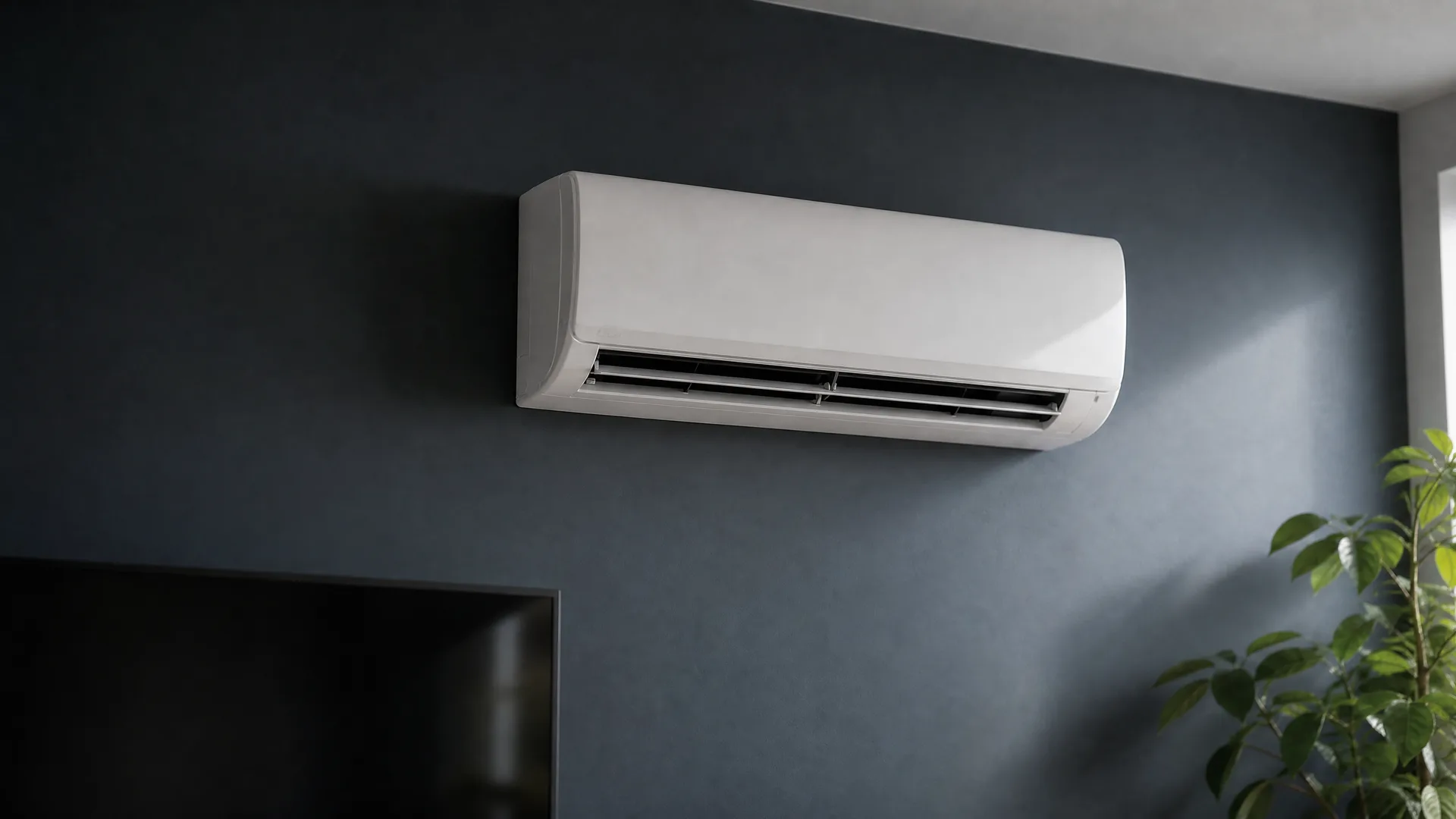
- Where you mount the head changes its throw distance, and a unit aimed down a hallway covers more rooms than one aimed at a wall.
- Gas furnace ductwork, if your house still has it, can sometimes carry a mini split's airflow further than the head alone would reach.
A mini split does not make cold air the way people assume. It moves heat out of your house and sends it outside through the outdoor unit, the same way a refrigerator works. The indoor head does the sensing. It has its own thermostat built into the unit, reading the air right in front of it, not the hallway and not the bedroom with the door shut. That is why layout matters more than size on paper. Idaho's dry air actually helps here. Dry air lets the outdoor coil give up heat fast, so the system is not fighting the humidity load a place like Georgia deals with, and a unit can hold its own on a 95 degree day better than its rating might suggest. Inside, the compressor is not just on or off. It ramps up and down to match what the room needs, which is part of why a single head can carry more square footage than a furnace blower logic would lead you to expect. Where the installer mounts that head matters too. Aimed down an open hallway, the air throw reaches further than the same unit aimed flat at a wall. And if your house still has the ductwork from a gas furnace, some installers tie the head into a short run of that duct to push air into a room the head alone would not reach.
Power costs 11.83 cents per kilowatt-hour statewide
At that rate, running the outdoor unit hard on a hot afternoon costs less here than it would almost anywhere else. That matters more if one head is trying to cover a floor plan that fights it, since the fix for a room that won't cool is often a second head, not a bigger one.
EIA-861 2025 statewide residential average




Skip calling around
Figuring out whether your layout can work with what you have, or needs a second head, a different size unit, or a different spot for the one you've got, means someone has to actually look at the place. That usually means calling around to a few companies, explaining the same thing about your hallway or your bedrooms each time, then sitting with quotes that size the job differently because each contractor saw something different in five minutes. Handing this off skips that. One licensed Idaho contractor gets your request, not five, so you're not fielding calls all week from companies competing for the job. Someone who installs mini splits in homes like yours every summer has seen which layouts leave a back bedroom warm and which ones don't, and can tell you where your place falls before you spend another August finding out room by room.

That dry air works in the mini split's favor. Summer dew points across Idaho average 42°F, which is low, and low dew points mean the unit spends less effort wringing moisture out of the air before it can drop the temperature. A mini split that isn't fighting humidity cools a room faster and holds it there with less runtime. You'll notice it as a house that feels comfortable well before the thermostat shows much of a drop, and air that never feels damp even when the unit's been running all afternoon. Where that dry air can't help is a closed bedroom down the hall. The head still has to reach that room with moving air, and distance and doors matter more than humidity ever will. Source: NOAA climate normals
NASA POWER T2MDEW county cells weighted by homes
Which room in your house never quite cools down?
Walk through your house on a hot afternoon and you'll feel it before you can explain it. The room with the indoor head feels right, maybe even cold. A bedroom down the hall or behind a closed door stays warm, and the air in there feels still, like it's not moving at all. You might notice the unit running a lot without the far rooms catching up, or a draft near the head while the rest of the house sits heavy. None of that means the equipment is failing. It usually means the air has nowhere to go once it leaves that one room. Left alone, the bedrooms you spend the most time in at night are the ones that stay warmest the longest.

The indoor head draws warm room air across its coil.
Refrigerant inside that coil absorbs the heat and turns to gas.
The compressor outside pushes that gas through the line set.
The outdoor unit rejects the heat into the outside air.

One head cools what it can see
A mini split cools a whole Idaho home when the layout lets one head reach every room, and it doesn't when hallways and closed doors get in the way. You've probably already felt which one is true in your house. If every room holds its temperature, you have your answer. If one room lags behind on a hot afternoon, that's the layout telling you it needs a second head or a different spot for the one you have.
Figuring out which applies to your house means someone has to see the rooms, the walls, and where the unit sits now. Finding that person usually means calling a few companies, walking each one through the same layout, and sorting through quotes that size things differently. A local contractor who installs these units every summer has already seen your kind of floor plan and knows what it takes to get cold air into the room that's been holding out on you.

Describe it once