




A white wall-mounted split air conditioning unit in a dimly lit modern room, with a full moon visible through the window at night.

Mini Split Installation in Burley, ID

Tell us about the job

Takes about a minute. No obligation.

New system or replacementMini-splitCassia County, ID
Step 1 of 2

What ZIP code is the job in?

Most homes in Cassia County heat with electricity, at 61.3 percent. A mini split fits right into that picture, since it also runs on electricity and does not need a gas line. Utility gas accounts for most of the rest, at 27.8 percent, and a home on gas heat can still add a mini split for the rooms that need it. A mini split works as its own heating and cooling source for a room or zone, separate from whatever else is already in the house.

10 months
September through June, your system heats
2 months
July through August, it cools
20°F
the average winter night it heats against
81°F
the average summer afternoon it cools against
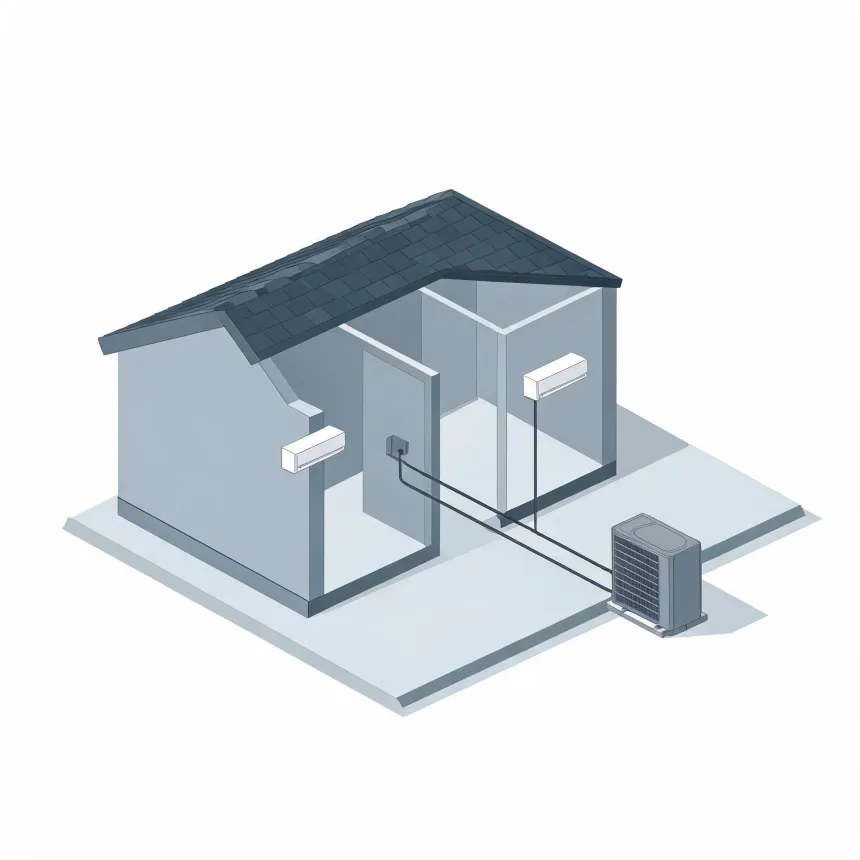
Isometric illustration of a cutaway gray house with a dark shingled roof, showing two wall-mounted indoor air handlers connected by line sets to an outdoor condenser unit on a pad outside.
Your system heats September through June and cools July through August.

NOAA nClimDiv, 1991–2020 normals

Half the homes in Cassia County were built in 1975 or earlier, half in 1975 or later.

A mini split sizes to the room it's heating and cooling, not the age of the house around it.

Power here runs 11.52 cents a kWh, so the payback on the priciest unit is slow

Power costs 11.52 cents a kWh statewide
Climate zone 5B
Cooling runs July through August
Get it in before JulyCooling runs July through August here, so June is the month to have it installed.

Cassia County sits in climate zone 5B, a cool zone where heating matters more than cooling. Any mini split installed new here has to clear the federal minimum for a split system heat pump. That means 14.3 SEER2 for cooling and 7.5 HSPF2 for heating. The standard does not set a separate rule for ductless systems, so a mini split has to meet the same numbers as a ducted heat pump. A system that clears that bar may also qualify for the federal tax credit on heat pumps.

Two months of cooling a year, so build for reliability, not the top shelf

Summer afternoons here average 81°F, and cooling only runs July through August. A mini split in Cassia County isn't fighting triple digits all season, so the case for the highest-efficiency model is weaker than it looks on paper. A unit that clears the federal minimum and gets installed right will handle what this climate asks of it.

Find a contractor
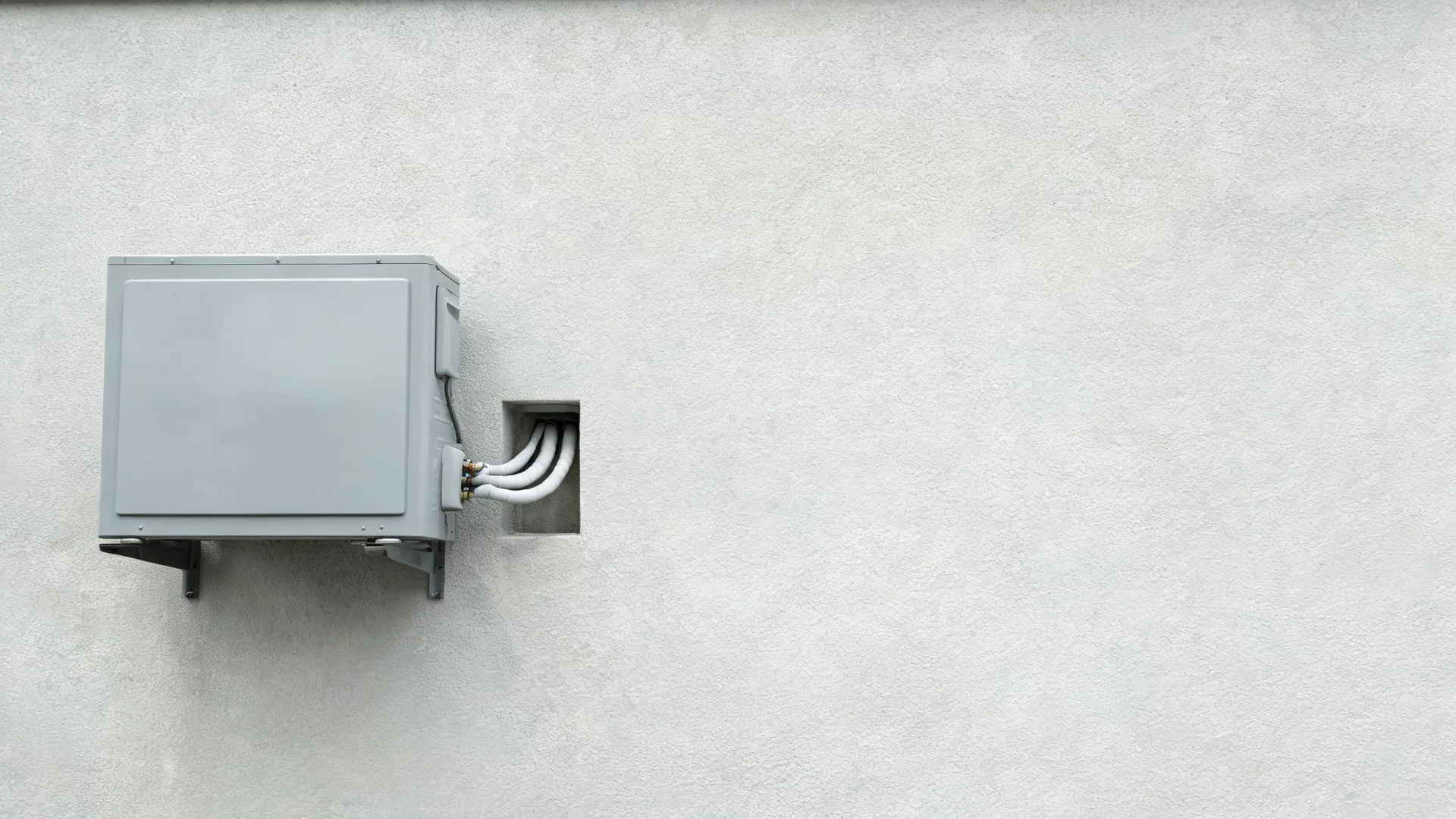
A beige split-system air conditioner outdoor condenser unit mounted on metal wall brackets atop a stucco wall.

The old heater doesn't just stay there

When a mini split goes into a room that already had something else conditioning it, like a window unit or an electric baseboard, that old equipment usually comes out or gets shut down rather than running alongside the new system. A window unit left in place still lets air leak around it, which works against the mini split sitting right next to it. A baseboard heater can stay as backup if the circuit is still good, but most people turn it off once the mini split is carrying the room. If the old equipment was the only heat source for that space, ask the contractor how it gets disconnected or capped so there's no mix-up about what's actually heating the room on a cold night.

Ask how many zones it's rated for

A mini split system can run one indoor head or several off the same outdoor unit. Adding zones later usually means a bigger outdoor unit than the one sized for just the first room. Ask whether the outdoor unit being quoted has room for the zones you might add, not just the one going in now.
Ask what happens below freezing

A heat pump pulls heat from outside air, and that gets harder as the air gets colder. Most mini splits have a published rating for how much heat they can still deliver at low outdoor temperatures, and some include a backup heat strip or rely on a second heat source for the coldest days. Ask what the unit is rated to do at the coldest temperatures this room will see, not just its average performance.

The SEER2 and HSPF2 numbers on the label are lab numbers, measured under set conditions, not a promise about any one room. SEER2 tells you how efficiently the unit cools, HSPF2 tells you the same for heating, and a higher number means less electricity for the same amount of comfort, in theory. Where the rating actually pays off depends on how hard the unit runs. A system that clears the minimum and sits idle most of the year will never make up the gap to a higher-rated model that costs more up front, because the savings only show up hour by hour while it's running. A unit that runs long hours against a hard load is a different case, and that's where the higher rating earns its keep. So the label tells you what the unit can do. Whether it's worth paying for depends on how much work you're actually going to ask of it.

Install day starts outside. The outdoor unit needs a spot on an exterior wall with clearance on all sides for airflow, and a line set has to run from there to each indoor head, through the wall. That penetration gets sealed, since any gap lets in air and moisture around the lines. Inside, the head mounts high on the wall, and the refrigerant lines get connected and then evacuated with a vacuum pump before the system ever runs. That vacuum step pulls out moisture and air that don't belong in the line, and skipping it is one of the more common reasons a new system runs poorly. Once it holds vacuum, the lines get charged, the unit gets powered up, and the contractor checks temperatures at the head to confirm it's actually moving heat the way it should.