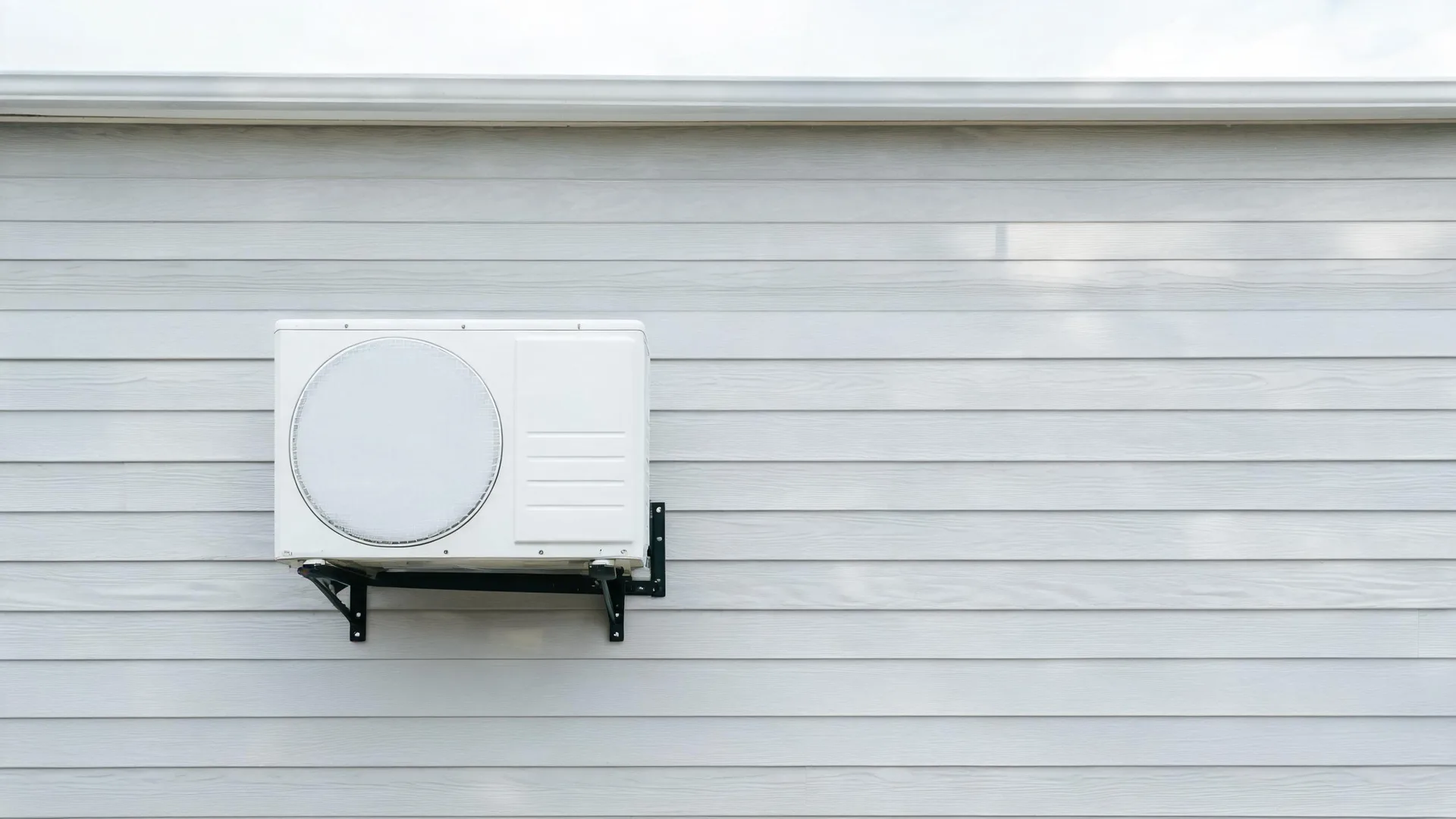
Electric heat is the default here
Electricity heats 46.5% of homes in Gem County, more than any other fuel. A mini split runs on electricity, so it fits the wiring and setup already common in this area instead of asking for something new.
Takes about a minute. No obligation.
Electricity heats 46.5% of homes in Gem County, more than any other fuel. A mini split runs on electricity, so it fits the wiring and setup already common in this area instead of asking for something new.
Utility gas heats 28.4% of homes here, with another 8.2% on propane. If your house falls into one of those groups, a mini split still works as the cooling side or as backup heat, but it's worth deciding upfront whether it replaces your furnace or works alongside it.
NOAA nClimDiv, 1991–2020 normals
Idaho electricity runs 11.52 cents per kilowatt-hour, well under the national average.
A mini split still earns its keep on comfort and backup heat, but a cheaper high-efficiency model won't pay for itself as fast here.



Gem County is in climate zone 5B, a cool, dry zone where heating carries most of the load for the year. A mini split installed here still has to meet the federal minimum for a split-system heat pump. That's 14.3 SEER2 for cooling and 7.5 HSPF2 for heating. The rule doesn't set a separate, lower bar for ductless systems. A ductless mini split counts as a split system under the standard, so it has to clear the same numbers a ducted heat pump would.
Cooling here only runs from July through August, which means June is the last quiet month to get a mini split in. Install it before July and it's set up and tested before the first hot stretch asks anything of it.
Find a contractorJuly and August, afternoons near 85. That's the full stretch of cooling this unit has to answer for. A mid-range heat pump handles that load without trouble, and it'll keep handling it the same way years from now. Put the money into the install instead, a correct line set, a unit sized to the room, a condenser spot that drains and stays clear. That's what decides whether it runs quiet and holds the temperature when those two months come. A higher tier of equipment earns less back here than it would somewhere cooling ran longer.
A mini split can be installed as its own zone while an existing furnace stays in place for backup or for rooms the mini split doesn't reach. Nothing about putting one in requires pulling out what's already heating or cooling the house.
A window unit gets pulled and the opening needs to be closed back up properly, not just boarded over. An old central air condenser gets disconnected from its line set and hauled off, and the pad underneath either gets reused for the new condenser or cleared. Either way it's a separate step from mounting the new unit, worth asking about before the job starts.
When you're comparing systems, ask what the manufacturer rates the unit for at low outdoor temperatures, not just its headline efficiency number. A heat pump can carry a high HSPF2 rating and still lose capacity as it gets colder outside, and some drop off faster than others. Ask whether the system includes a backup heat strip or relies entirely on the compressor, and at what temperature it switches over. Ask about the line set length the quote assumes, since running it farther than planned changes how the system performs and whether it needs extra refrigerant. Ask who sizes the unit and how, because a mini split sized off square footage alone often ends up too big or too small for the room it's actually serving. A unit that's oversized will short cycle, turning on and off more than it should instead of running steady.
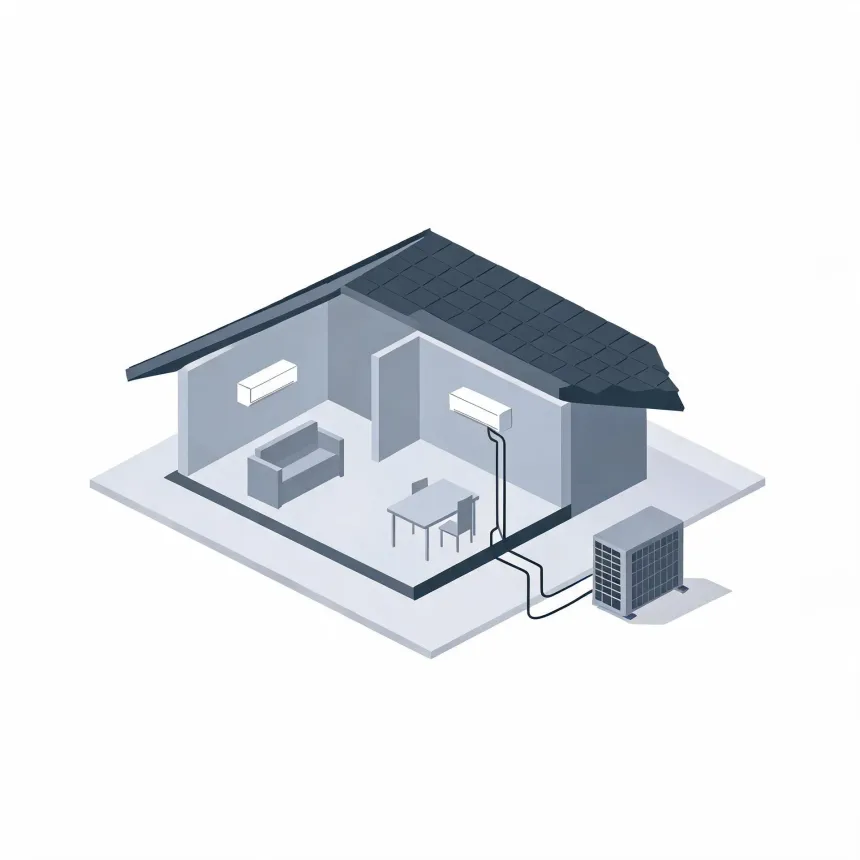
Install day starts with the line set, the copper tubing that carries refrigerant between the outdoor condenser and the indoor head. That run gets cut to length, connected, and pressure tested before anything is charged, because a joint that leaks slowly can take months to show up as weak cooling. The indoor head gets mounted on a bracket, usually high on a wall, with a small hole drilled through to the outside for the line set and a condensate drain. Outside, the condenser sits on a pad or mounting bracket, far enough from the wall to pull air through properly. Once everything is connected, the system gets vacuumed down to pull out moisture and air before the refrigerant charge goes in. The last step is running it, checking the temperature split between the air going in and the air coming out, and listening for anything that sounds like it's working harder than it should.