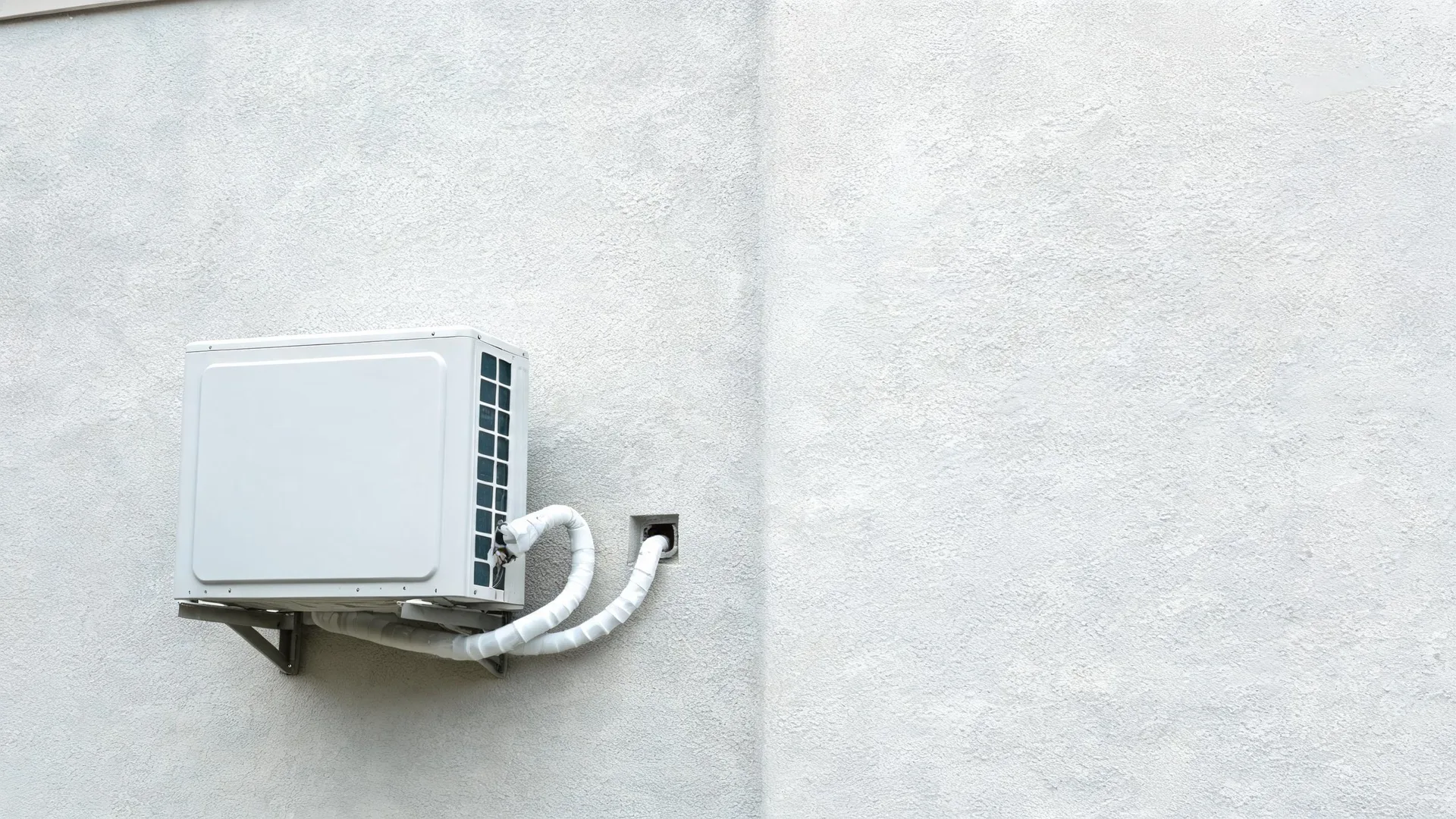
Electricity here runs cheap
Idaho homes paid 11.52 cents per kilowatthour in 2024. That is well below what most of the country pays to run a mini split.
Takes about a minute. No obligation.
Idaho homes paid 11.52 cents per kilowatthour in 2024. That is well below what most of the country pays to run a mini split.
When power costs this little, the gap between a mid-efficiency mini split and the most efficient one shows up small on the bill. A unit that fits the space and holds up matters more than squeezing out another SEER2 point.
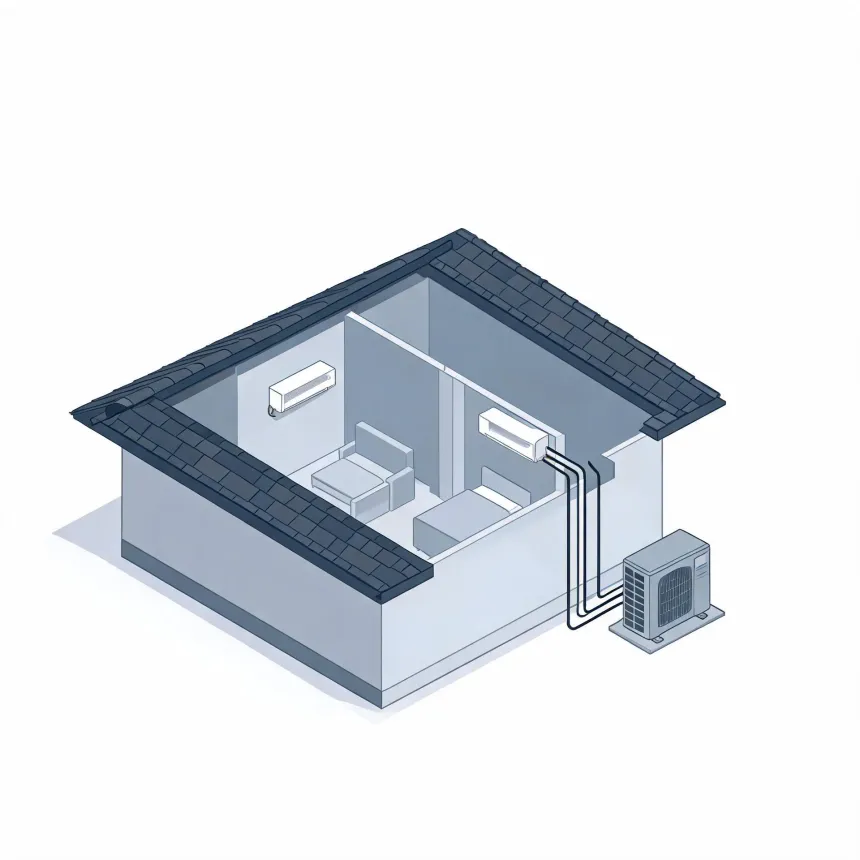
NOAA nClimDiv, 1991–2020 normals
Horseshoe Bend only runs cooling in July, with afternoon highs averaging 78 degrees through the summer.
A mini split here isn't working against much, so a well-built mid-range unit will hold up fine.



Cheap power here means a top-tier mini split takes a long time to pay back the extra cost. Put that money toward getting the size and the brand right for this house instead.
Find a contractorSizing a mini split starts with a load calculation, not a tape measure around the room. A contractor works out how much heat the space loses in winter and gains in summer, using the walls, the windows, the ceiling height, how the room sits toward the sun. Square footage alone leaves out too much to be reliable. Get the size wrong and the mini split shows it. Too small, and the compressor runs flat out trying to reach the thermostat setting, never quite catching up on the coldest or hottest days. Too large, and it blasts the room to temperature fast, shuts off, then kicks on again soon after. That short cycling wears on the compressor, and it leaves the room swinging between too warm and too cool instead of holding steady. It also means the unit never runs long enough to pull moisture out of the air properly during cooling. A single indoor head gets matched to the room it serves. A multi-zone system needs the outdoor unit sized to what all the indoor heads will ask of it at once, not just added up on paper.
An outdoor unit can run several indoor heads, but adding a zone splits what the compressor has to give. Ask how the system performs when every head is calling for heat at once, not just what it can power on paper. A setup that handles a couple of rooms fine at idle can fall short when all of them push hard on the coldest morning.
The compressor costs the most to replace, and it sits outside taking the weather head on through the winter. Ask what the warranty covers on that part by itself, since the indoor head and the compressor often carry different terms. Ask too whether the installer handles a claim directly, or whether that falls back on the homeowner to sort out with the manufacturer.
The SEER2 and HSPF2 numbers on that label are lab figures, run under one set test condition, not a promise of what you will see on your bill. SEER2 covers cooling, HSPF2 covers heating, and both climb as the unit wastes less power doing its job. A higher number usually means a compressor that can slow down and hold a steady low output instead of just switching on and off at full blast. That steadier run is what actually saves power, not the rating itself. Where the rating stops mattering is past a certain point, because the gains per step get smaller as the number climbs, while the price for that last bit of efficiency does not shrink the same way. The rating also says nothing about whether the unit is sized right for the room or installed so the refrigerant lines are charged correctly. A mismatched or poorly installed high-efficiency unit will run worse than a well-matched mid-range one, label notwithstanding.
A lot of what drives the price has nothing to do with the indoor head or the outdoor unit at all. It's the line set between them, how far it has to run and what it has to get through. A straight shot through an exterior wall costs less than a line that has to snake up through a attic or down along a foundation to reach where the outdoor unit sits. Electrical matters too. A mini split needs its own dedicated circuit, and if the panel has no room left for it, that's a separate job before the unit ever goes in. Where the outdoor unit can sit changes things as well. It needs clearance on all sides to pull air through the coil, and a tight side yard or a spot buried under a deck can mean more work just to give it a legal, workable pad. None of this shows up on the unit's price tag, but it shows up on the invoice.