




Illuminated timber-and-stone luxury homes along a residential street at dusk, with snow-capped mountains visible in the background.

Mini Split Installation in Bonners Ferry, ID

Tell us about the job

Takes about a minute. No obligation.

New system or replacementMini-splitBoundary County, ID
Step 1 of 2

What ZIP code is the job in?

Gas heats more homes in Boundary County than anything else, at 38.8 percent. Electricity comes next at 25.4 percent, and bottled or LP gas heats another 4.2 percent. A mini split doesn't replace a gas furnace outright, but it fits well alongside one, handling the shoulder months or a specific room without running new ductwork or burning gas to do it. A home that heats with electric resistance now can shift part or all of that load onto a mini split instead, since it moves heat rather than generating it. The question worth asking is what the unit needs to cover. The whole house. One addition. Or just the months when the furnace feels like overkill.

10 months
September through June, your system heats
20°F
the average winter night it heats against
71°F
the average summer afternoon it cools against
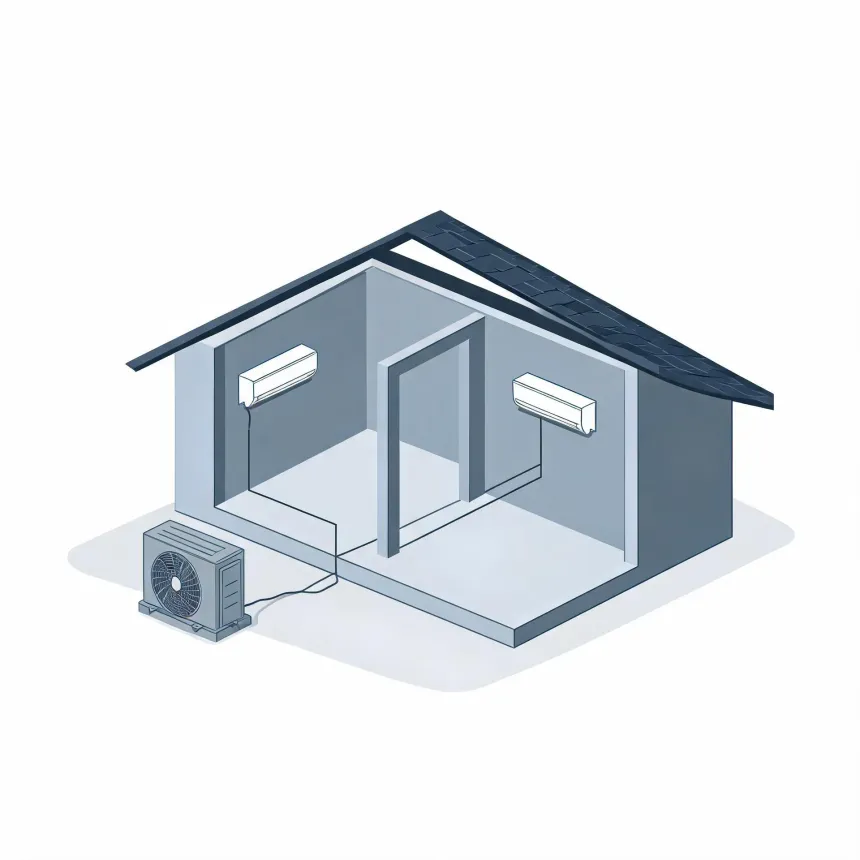
Isometric illustration of a cutaway house showing two wall-mounted indoor air conditioning units connected by lines to a single outdoor condenser unit on the ground outside.

Electricity in Idaho runs 11.52 cents per kilowatt-hour, well under what a lot of the country pays.

A high-efficiency mini split still costs more up front, and cheap power here means it takes longer to earn that back.

71°F summers don't ask much of a mini split here

Summer afternoons average 71°F
41 damaging wind events from 2015 to 2024
2 hail events from 2015 to 2024
Weather a mini split has to stand up toWinter storms hit this county 338 times between 2015 and 2024.

Boundary County sits in climate zone 6B, cold with winters that run long. Any ductless mini-split installed here falls under the same federal rule as other split-system heat pumps. Units built from 2023 onward have to hit at least 14.3 SEER2 for cooling and 7.5 HSPF2 for heating. There's no separate, looser standard for ductless equipment. The HSPF2 number matters more than the cooling side in a place that heats far more months than it cools. A new system that meets this minimum can also qualify for the federal tax credit on heat pumps, worth checking against whatever model a contractor proposes.

Pick the mini split for fit, not for the payback

A mini split here is worth choosing for what it can do, not for what it saves on the power bill. Put the budget into getting the size and the install right for the room or the months it has to cover.

Find a contractor
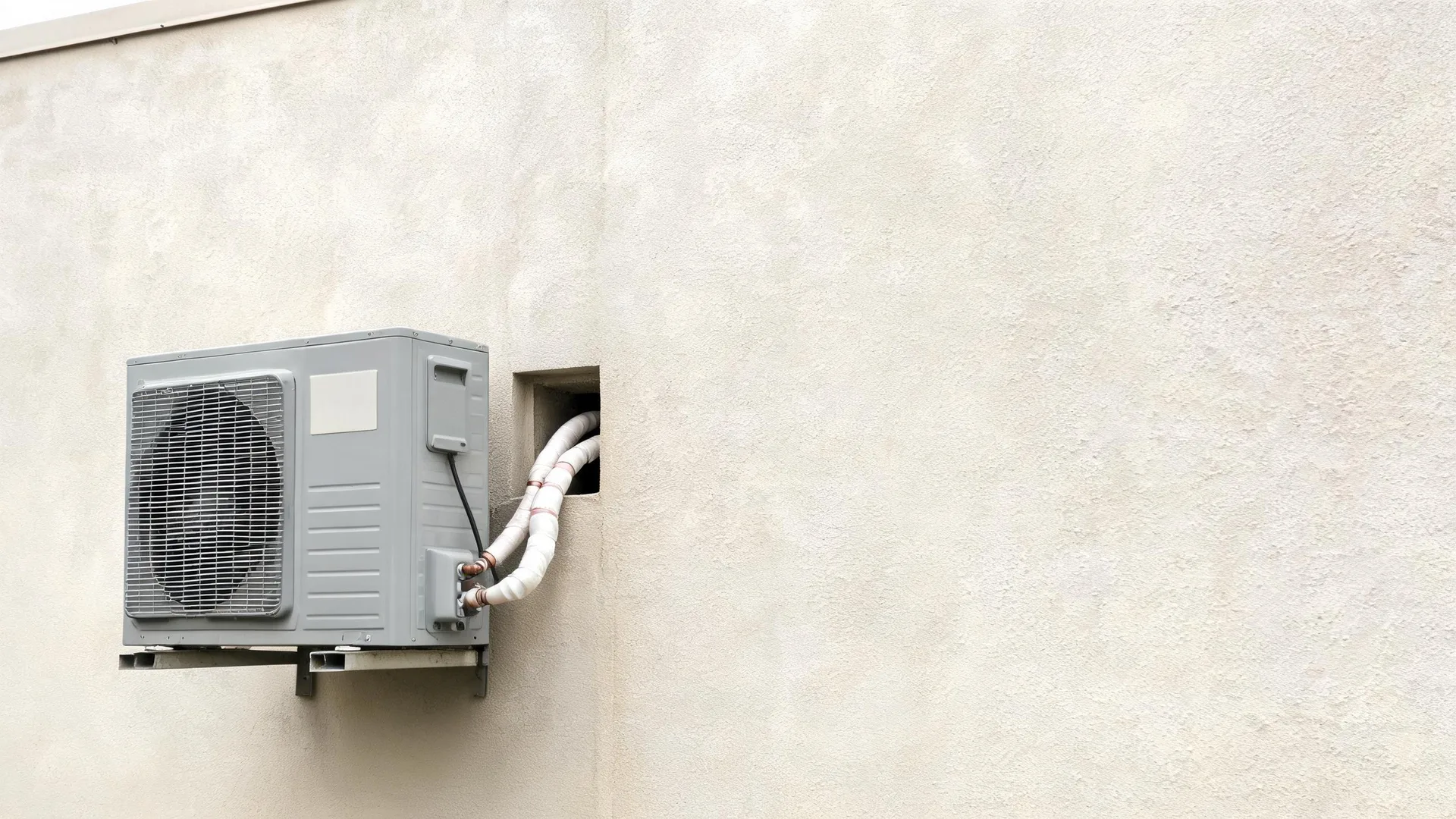
A white outdoor air conditioner condenser unit mounted on metal wall brackets against gray horizontal siding, with a blue sky and white clouds behind it.

What happens to the system it's replacing

The system coming out doesn't have to leave in a hurry. If it still runs, a contractor can often leave the old equipment in place and running while the new mini split gets installed, then switch over once the new lines are charged and tested. That avoids a stretch with no heat at all. What happens to the old unit after that depends on what it is. A window unit or a portable one just gets hauled off. A furnace or an old heat pump with ductwork gets disconnected, and if it's not feeding the mini split zones at all anymore, the gas line or electrical circuit that fed it gets capped or shut down properly rather than left live. Refrigerant in the old outdoor unit has to be recovered before the unit gets scrapped. It can't just be vented, and a contractor pulling the new system through should be handling that part as a matter of course.

What the rating actually measures

SEER2 and HSPF2 both divide the heat a mini split moves by the power it draws doing it. SEER2 covers cooling, HSPF2 covers heating, and both come from a full season of running, not one moment. A higher number means the compressor and coil move more heat per unit of power. It says nothing about how big a space the unit can cover. Sizing is a separate question from the rating, and both have to be right.
Why the lab number and the home number differ

The rating comes from testing under fixed conditions in a lab. A mini split sized wrong for the room, or with the indoor and outdoor units placed poorly, will run harder than that number suggests no matter how high it's rated. The spec sheet says what the equipment is capable of. Getting that in practice comes down to the sizing and the install, done by whoever puts the system in.

The cost of a mini split job comes down to how much equipment the home needs and how hard it is to get it in place. A single zone covering one room is a different job from a multi-zone setup feeding several rooms off one outdoor unit, and each indoor head adds to the labor and material. Where the outdoor unit can sit, and how far the line set has to run to reach it, changes how much work the install takes. Running refrigerant lines and a condensate drain through an exterior wall is more involved the farther the indoor and outdoor units sit apart, or the more floors the lines have to cross. The electrical side matters too. Some homes already have the right circuit nearby, others need new wiring run out to the outdoor unit. None of this shows up on a spec sheet. It comes out when a contractor walks the space and figures out where the lines run and what the panel can support.

Installation starts outside, with the outdoor unit. The contractor picks a spot with clear airflow on all sides and some separation from bedroom windows, since the compressor makes noise when it runs. Indoors, the mounting plate goes high on a wall, and a small hole gets drilled through to the outside for the line set and drain. The refrigerant lines get connected, then pulled down to a vacuum to clear out air and moisture before the system ever runs on refrigerant. That step matters more than people expect. Any moisture left in the lines can damage the compressor over time. Once the lines are charged and the electrical hookup is done, the contractor tests heating and cooling at the head before calling the job finished.