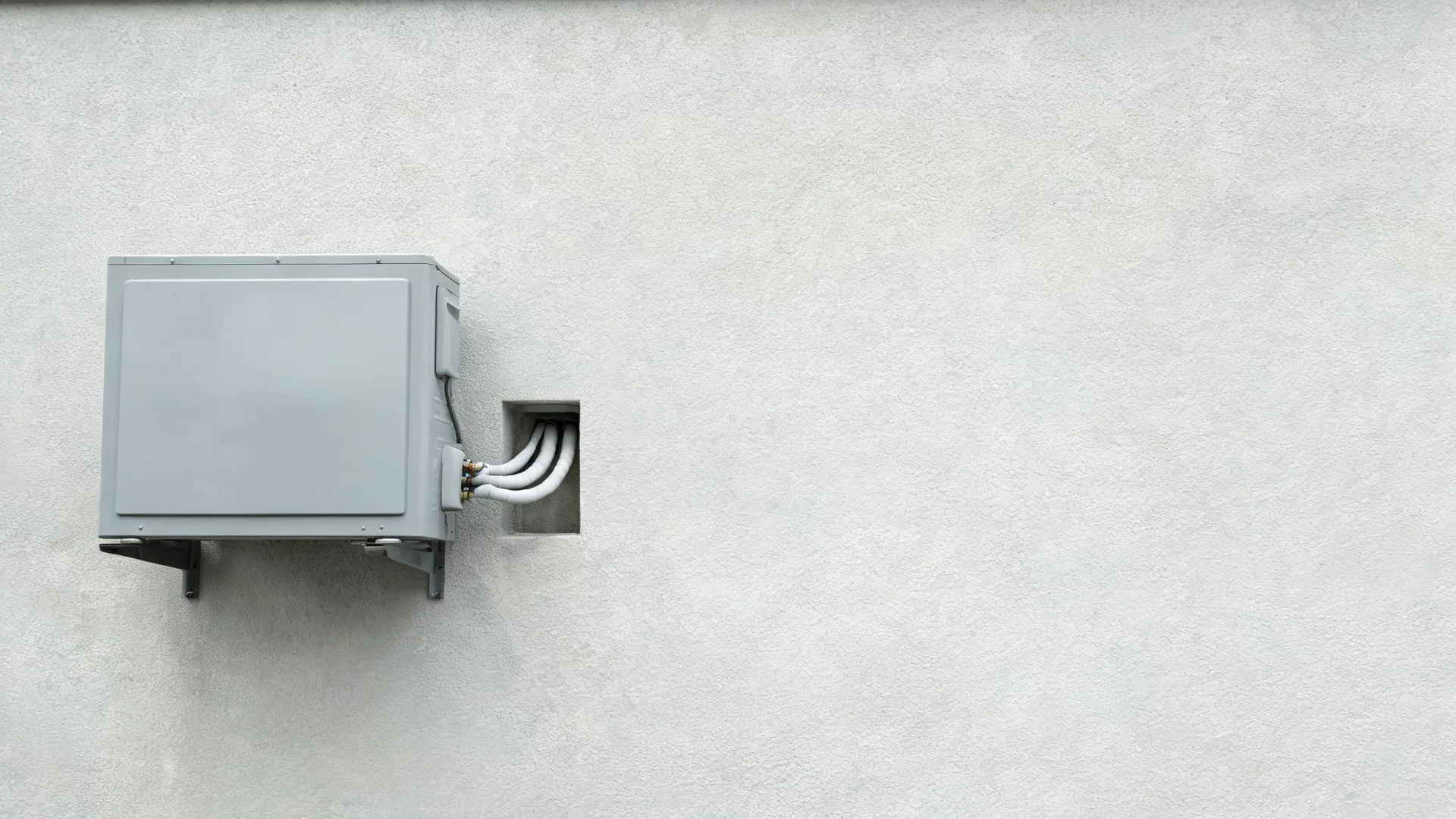
Most homes here run on electricity
Electricity heats 50.7% of occupied homes in Latah County. Utility gas comes next at 31.1%. A mini split fits an electric home without adding a fuel line or venting a gas home doesn't already have.
Takes about a minute. No obligation.
Electricity heats 50.7% of occupied homes in Latah County. Utility gas comes next at 31.1%. A mini split fits an electric home without adding a fuel line or venting a gas home doesn't already have.
If your home already heats with electric baseboard or an electric furnace, a mini split runs on the same power source you have. There's no gas line to tie into and no flue to run.
Summers in Latah County top out around 79°F on an average afternoon.
A mini split here doesn't need to be sized for heavy cooling load, just for the heating it will actually do most of the year.




A mini split has to be sized against heat loss, not against the square footage on a listing. A contractor works out how fast a room loses heat through its walls, windows and ceiling, then matches that to a unit that can keep up without running flat out all the time. Go too small and the system never catches up on the coldest stretch of winter, so it runs constantly and still leaves the room short. Go too big and it short cycles, kicking on, satisfying the thermostat fast, then shutting off again before it's settled into a steady draw. Neither mistake shows up on the showroom floor. It shows up on the coldest night, in how the room actually feels.
With power this cheap, a high-efficiency mini split won't save enough to buy itself back fast. Pick the unit sized right for your home's heat loss, and get it installed by someone who'll stand behind that sizing.
Find a contractor
No month here puts real cooling load on a mini split, and outside of wind events, there isn't much else working it hard either. Heat loss on a cold night will ask more of the system than a summer afternoon ever will. That's the load worth sizing for. A unit matched to it can run for years without being pushed past what it was built to do.
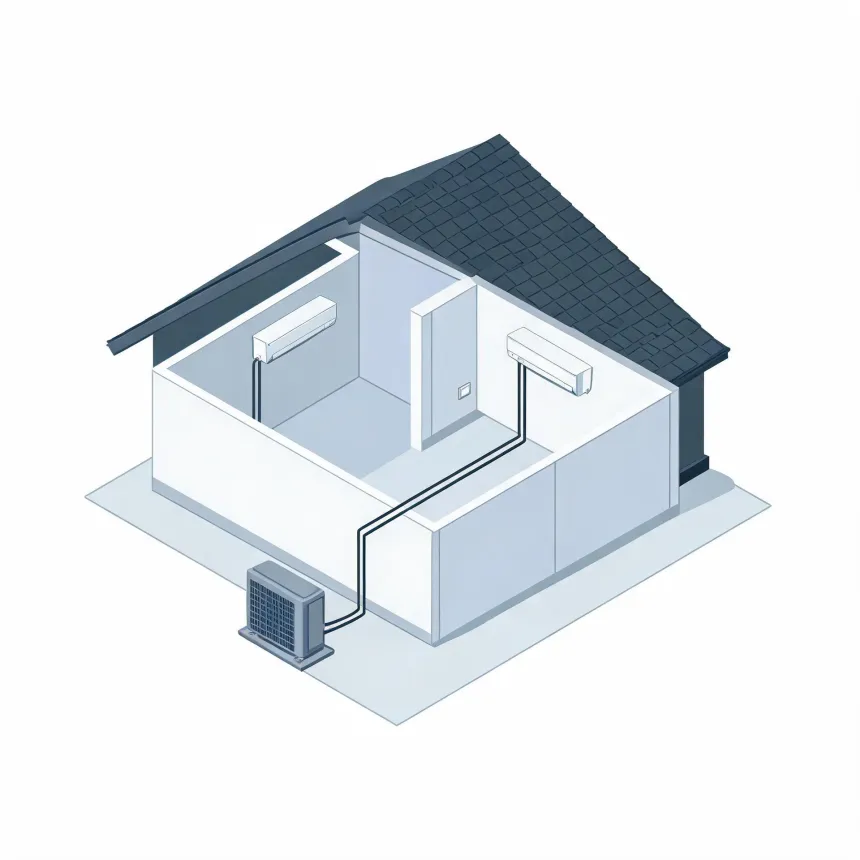
A single indoor head tied to one outdoor unit costs less than a multi-zone setup running several heads off one compressor. Each added zone means another line set, another mounting location, another indoor head to hang and wire. A whole-home install with heads scattered through separate rooms is a bigger job than putting one head in one room, even before anyone talks about the equipment itself.
The refrigerant lines running between the outdoor compressor and each indoor head have to be run through the wall, insulated, and connected without leaks. A short, simple run through a wood-frame wall is quick work. A long run, a brick or block wall, or a path that has to clear framing and get hidden behind trim takes more time and more material. Where the outdoor unit can sit, and how far it is from each indoor head, changes the labor before the first bolt goes in.
An install starts with the outdoor unit, not the indoor one. The crew figures out where the compressor sits, usually against an exterior wall, close enough to each indoor head to keep the line set short. From there they drill through the wall, run the refrigerant lines, the condensate drain and the power wiring together through that hole, then seal it up. The indoor head gets mounted high on the wall, leveled, and connected to those same lines. Once everything's hooked up, the lines get pressure tested for leaks, then the system gets evacuated and charged with refrigerant before it ever runs. Only after that does the unit get powered on and checked, one zone at a time if there's more than one head going in.
If the old system is forced air, the furnace or electric unit usually stays put. A mini split doesn't have to replace whatever's heating the place now, it can work alongside it, taking over the rooms it serves while the old equipment covers the rest or sits as backup for the coldest nights. If the old system is baseboard heaters, those often get shut off zone by zone as the mini split heads go in, rather than ripped out all at once. Window AC units are the easiest call. Once a mini split is handling a room, the window unit comes out, and the window seals back up properly for winter. Whatever stays or goes, a contractor can walk through what still has a job to do and what doesn't.