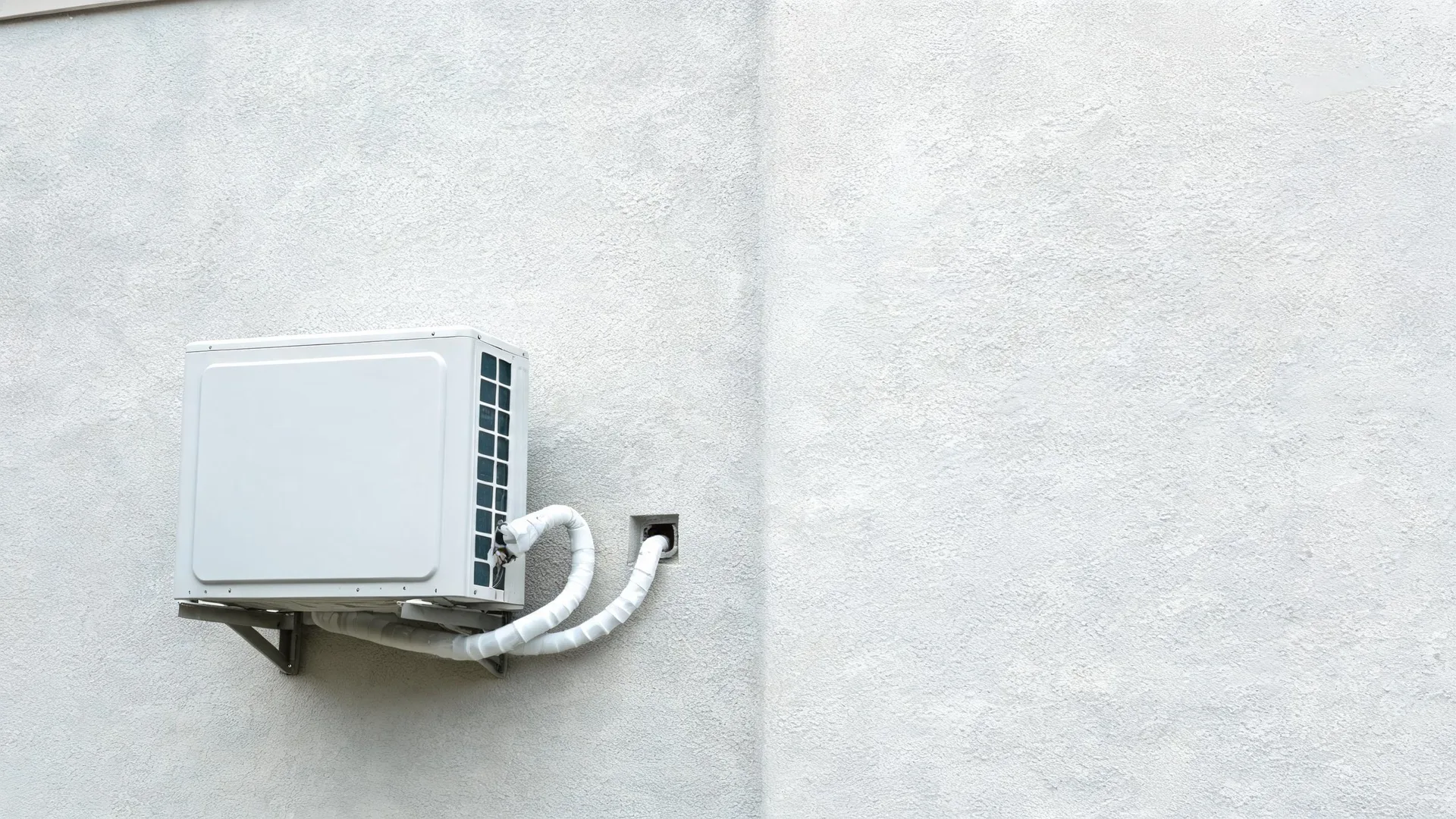
Electric heat is the norm here
42.8% of homes in Clearwater County heat with electricity, more than any other fuel. A mini split fits right into that pattern since it runs on electricity too.
Takes about a minute. No obligation.
42.8% of homes in Clearwater County heat with electricity, more than any other fuel. A mini split fits right into that pattern since it runs on electricity too.
If your home already heats with electric baseboard or an electric furnace, a mini split can take over the job without any new gas line or fuel tank to deal with. The wiring question is just whether your panel has room for the new circuit.
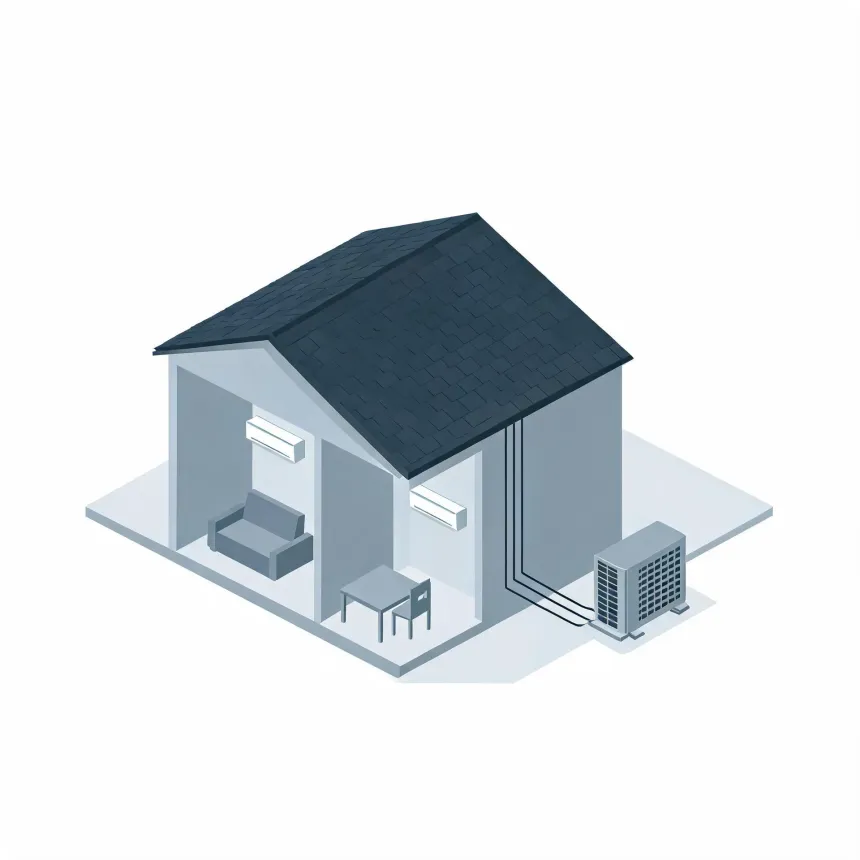
Half the homes in Clearwater County were built in 1977 or earlier, half later.
A mini split sized for the room works the same in either one.




A mini split that's too big will cool the room fast and then shut off before it pulls the moisture out of the air, so the room feels clammy even at the right temperature. One that's too small runs flat out and never quite catches up on the coldest or hottest days. Getting the size right means a room by room load calculation, not just matching the number on whatever heated the room before. The installer looks at floor area, but also window size, insulation, ceiling height, and how many walls face outside. A room with a wall of west facing glass loses and gains heat differently than one without, even if the rooms are otherwise alike. The unit gets sized to how that room actually behaves, not to a rule of thumb.
Cheap power here means a mini split won't pay for itself through savings alone. So the choice comes down to how well it heats and cools this house, and whether it holds up. That's a sizing and installation question, not a math problem. Get a quote and see what fits your place.
Find a contractor
Over a full year, the cooling side of a mini split here barely turns on. No month gets warm enough to call for it, so that part of the unit won't see hard use the way it would somewhere with a real summer. Wind and hail do more to equipment here than heat ever will, with 12 damaging wind events and 6 hail events logged in the county over the past decade. That argues for a reliable outdoor unit built to take weather, not a model priced up for cooling capacity it won't need. Put the money into getting it sized right for winter and the line set installed clean instead.
The condenser itself is only part of the price. Running the line set, mounting the outdoor pad or bracket, running the condensate drain, and wiring in the disconnect all take time on site. A straight shot through one exterior wall costs less labor than a line set that has to run through a chase, up a stud bay, or across a longer distance to reach where the outdoor unit sits.
A single indoor head paired with one outdoor unit is the simplest job there is. Add a second or third zone and the installer is running more line sets, mounting more indoor heads, and sizing a multi-zone outdoor unit that can handle all of them at once. Each additional room added to the system adds its own labor and its own materials, not just a share of the first one.
The number on the label, SEER2 for cooling and HSPF2 for heating, tells you how much output you get for the power you put in, measured over a full season of use rather than at one moment. A higher number means the compressor is better at throttling down and holding a steady low output instead of just switching on and off at full blast. That matters more for comfort than people expect, since a unit that can run low and steady holds a room at an even temperature instead of swinging a few degrees every time it cycles. It also means the compressor isn't slamming to full speed on every call for heat or cooling, which is easier on the parts over the years. The rating says nothing about how the unit is sized for a room or how clean the installation is done, and a high-efficiency unit installed wrong will cost more and perform worse than a modest one put in right.
Install day starts outside, with the installer marking where the outdoor unit sits and where the line set will pass through the wall. That penetration gets drilled, and the line set, a refrigerant line and a drain line bundled together, runs from the outdoor unit to each indoor head. Inside, the head gets mounted to a bracket on the wall, usually high up where it can throw air across the room. The lines connect, the system gets evacuated to pull moisture and air out of the lines, then charged with refrigerant. The electrician ties in the disconnect and the dedicated circuit. Once it's sealed up and powered on, the installer checks the line connections for leaks and runs the system through both heating and cooling to make sure it holds the temperature it's set to.