Gas heats most homes here
Utility gas heats 45.3% of homes in Bingham County, more than any other fuel. Electricity comes in second at 37.8%, and a smaller share run on bottled or LP gas or fuel oil.
Takes about a minute. No obligation.
Utility gas heats 45.3% of homes in Bingham County, more than any other fuel. Electricity comes in second at 37.8%, and a smaller share run on bottled or LP gas or fuel oil.
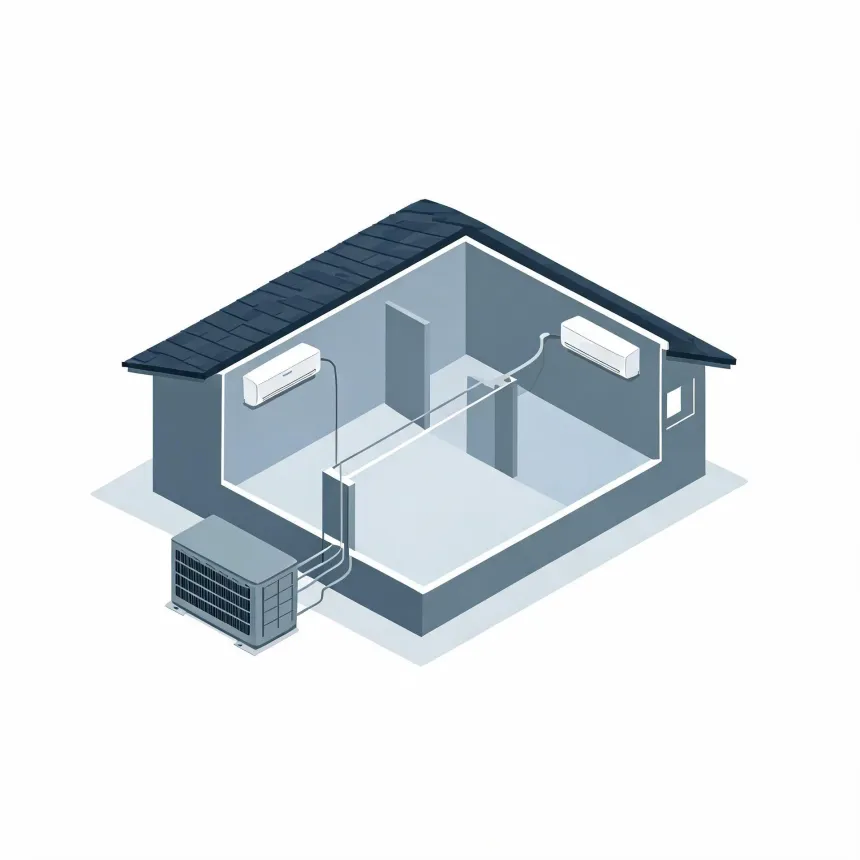
Most mini split jobs here go in alongside an existing gas furnace, covering a room or zone it does not reach well. Mini splits run on electricity, so the install does not touch your gas line or ductwork.
NOAA nClimDiv, 1991–2020 normals
Taking out the old equipment is part of the job, not an extra call.
A window unit gets pulled, a baseboard heater comes off the wall, whatever is making do gets hauled away when the mini split goes in.




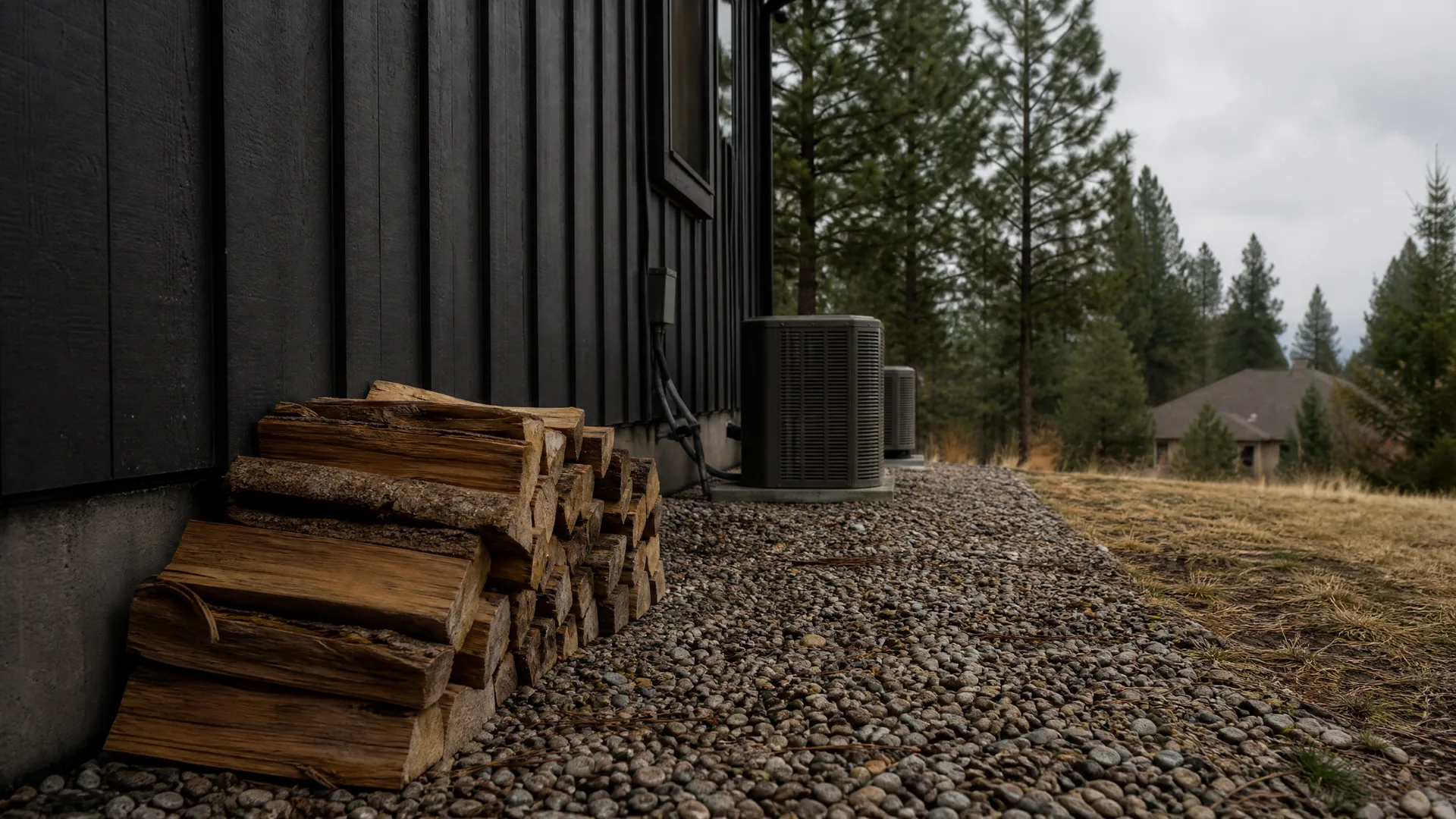
Cooling only has to carry Blackfoot from July through August, and afternoons in those months average 81°F. That is a short, mild season for a mini split to handle. It won't be working hard most of the year, so a standard system sized for the room is enough. You don't need to pay for the top efficiency tier or extra capacity to cover this climate. Wind is the bigger factor here, with 109 damaging wind events in the county over the past ten years, so where the outdoor unit sits and how it is mounted matters more than how big it is.
Bingham County falls in climate zone 6B, and any mini split installed here has to meet the federal minimum of 14.3 SEER2 and 7.5 HSPF2. That standard applies whether it is cooling a single room or backing up a furnace. Installing one now also puts you in line for the federal tax credit on qualifying heat pump equipment.
Find a contractorTwo months a year of work is light duty. The outdoor unit cycles on in July and August, sits idle the other ten months, and none of that time asks much of it, with afternoons only averaging 81°F. What shortens a mini split's life here is more likely to be a bad mount or a bad install than the cooling load. Keep the line set and wiring in good shape and this system should hold up for years on a workload like that.
A contractor works out the size by looking at wall and window area, insulation, ceiling height, and what else is already heating or cooling the space. Rooms the same size can need different capacity depending on what surrounds them. Going by floor space alone skips most of what actually drives the number.
A mini split that's too big cools the room fast and shuts off before it pulls the moisture out of the air, so the space ends up cold and clammy. It also cycles on and off more, which wears on the compressor over time. A unit sized right runs longer, steadier cycles and actually holds the room at a comfortable temperature.
A few things push the price of a mini split job up or down, and most of it comes down to what the installer has to do to connect the outdoor unit to the indoor head. A short, straight line set through a nearby exterior wall is the easy case. Line set that has to run through an attic or along a long wall takes more time and material, and that shows up in the bid. Electrical work matters too. A circuit already nearby costs less to use than running new wire back to the panel. The number of zones counts as well. One head cooling one room is simpler than a multi-zone setup feeding several rooms, since each indoor head needs its own line set and its own mounting. Where the outdoor unit lands plays into it too. A spot with a solid pad or mounting surface already in place costs less than one that needs a pad poured or a bracket built out. None of this is about one unit being better than another. It's about how much work the layout asks of the installer.
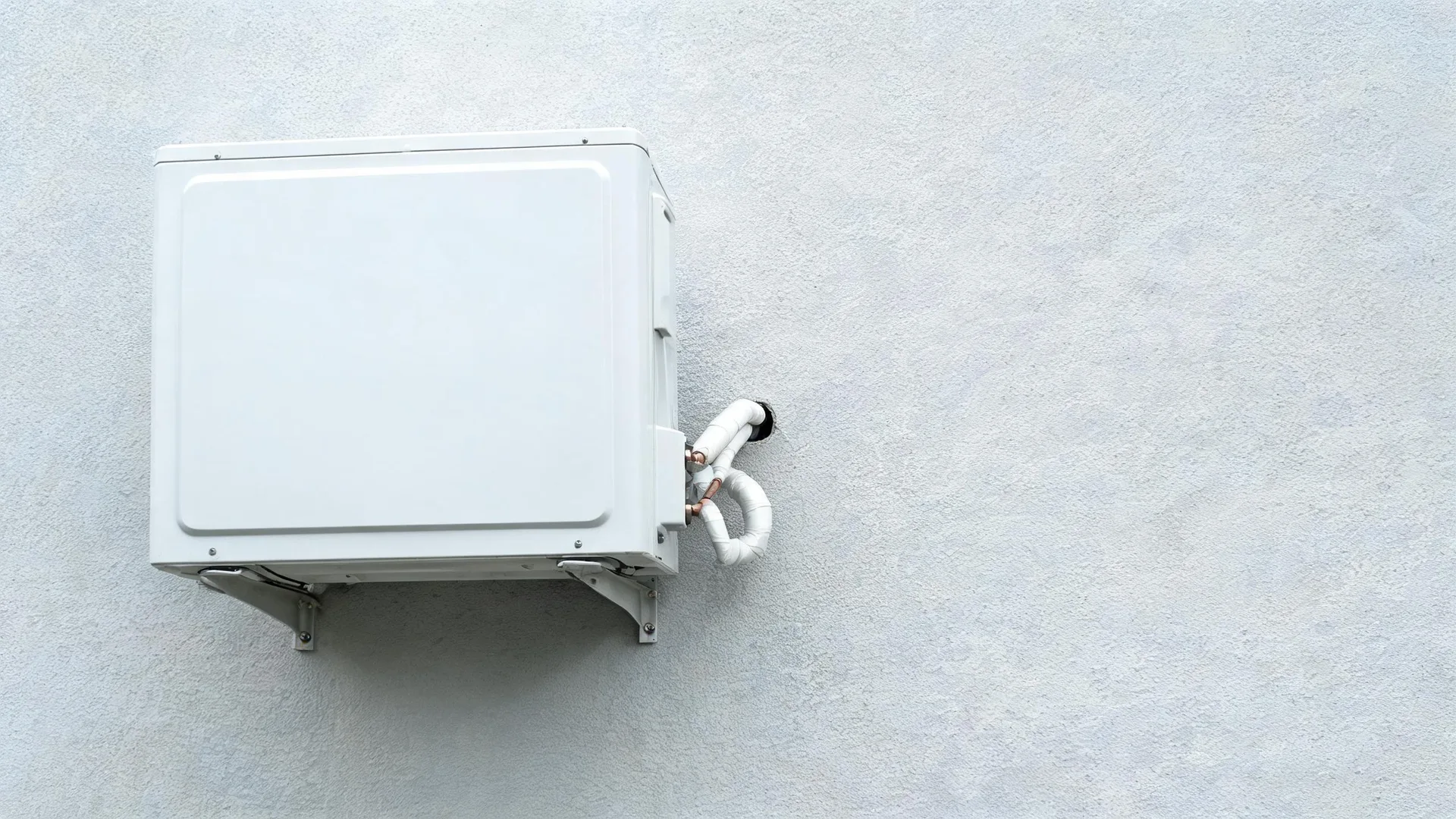
Install day starts with mounting, the outdoor unit set on its pad or bracket and the indoor head hung on its wall plate. The line set runs between them through a small hole drilled in the wall, and that hole gets sealed afterward so no air or water finds its way in. Once the lines are connected, a vacuum pump pulls all the moisture and air out of them, because either one left behind will hurt how the system runs later. After that the system gets charged with refrigerant and run through both heating and cooling before the installer calls the job done. The point is to see the head actually move air and hold a temperature, not just power on.