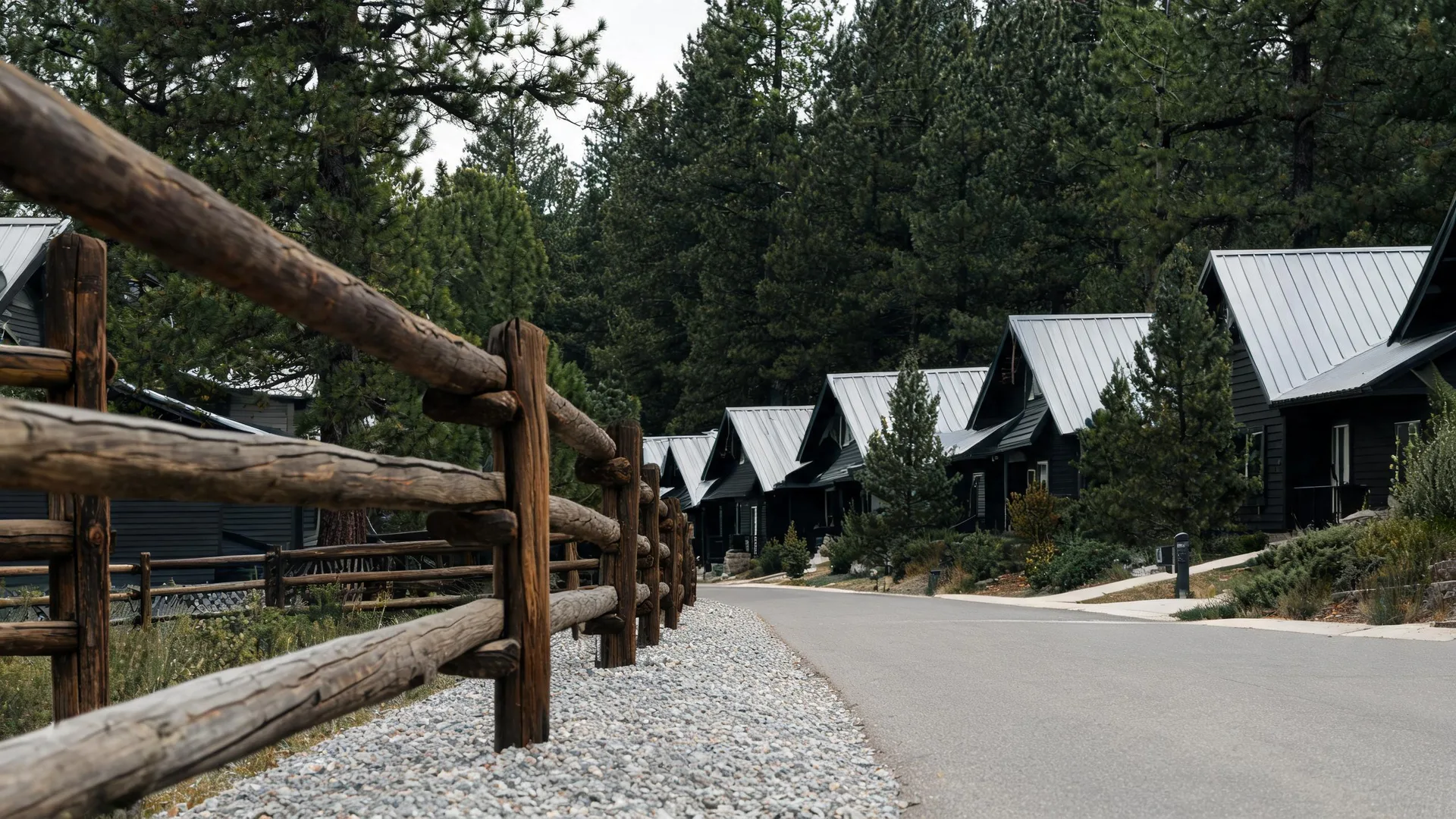





A paved road bordered by a rustic log rail fence and gravel shoulder passes a row of dark-sided cabins with metal gable roofs beneath tall pine trees.

Mini Split Installation in Kamiah, ID

Tell us about the job

Takes about a minute. No obligation.

New system or replacementMini-splitLewis County, ID
Step 1 of 2

What ZIP code is the job in?

Electricity heats 47.9 percent of homes in Lewis County, more than any other fuel. A mini split fits right into that pattern, since it runs on electricity too. Fuel oil or kerosene heats another 19.1 percent of homes here, and for those households a mini split means adding a system that does not depend on a fuel delivery. Either way, going electric here is not a departure from how the area already heats. It is what most homes are already set up for.

10 months
September through June, your system heats
23°F
the average winter night it heats against
78°F
the average summer afternoon it cools against
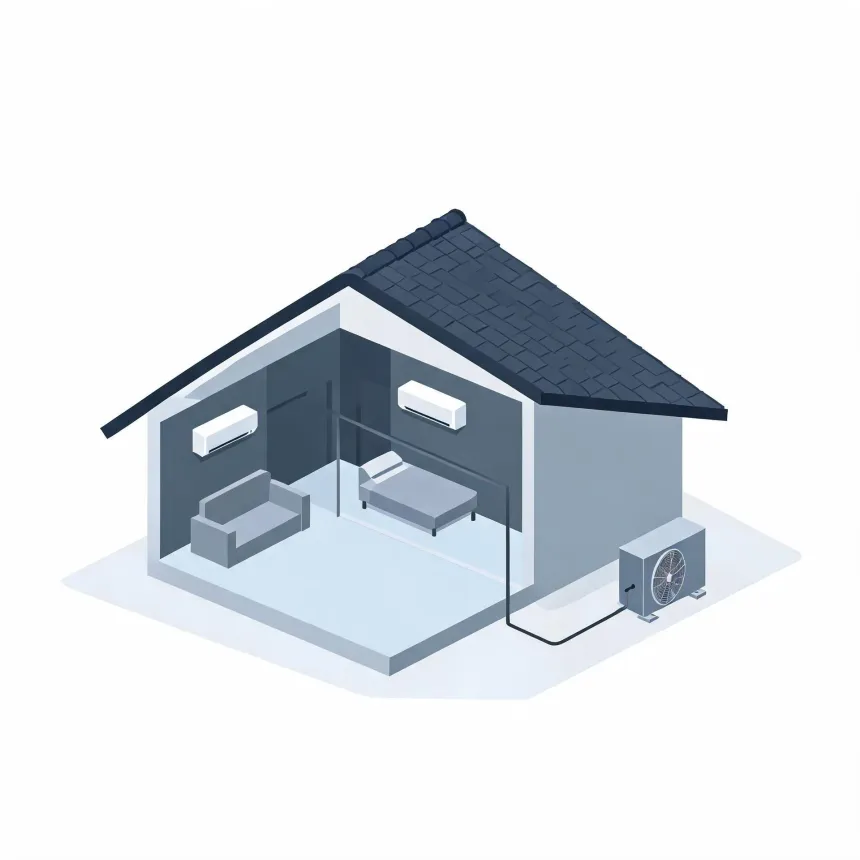
Isometric illustration of a cutaway house showing two wall-mounted indoor air conditioning units connected by a line to an outdoor condenser unit beside the building, with a sofa and bed inside.

Half the homes in Lewis County were built in 1965 or earlier.

A mini split going into a house that age has to work with the walls and wiring already there, not the ones a new build would have.

A mini split here barely has to work for its living

Summer afternoons average 78°F
19 damaging wind events from 2015 to 2024
10 hail events from 2015 to 2024

Idaho electricity ran 11.52 cents per kilowatt-hour in 2024, cheaper than most of the country. That changes the math on a mini split. The efficiency rating still matters for comfort and for how hard the unit works on the coldest or hottest days, but the payback on paying extra for a higher SEER2 model stretches out longer than it would somewhere with pricier power. Here, picking the unit that is sized right and installed well counts for more than chasing the highest efficiency number on the shelf.

Any system going in here has to meet zone 5B minimums

Lewis County falls under climate zone 5B, a cool zone where heating carries the bigger load. A mini split installed here has to meet the federal minimums for a split-system heat pump, 14.3 SEER2 for cooling and 7.5 HSPF2 for heating. That sets the floor for what can legally go in. A federal tax credit is available toward the cost of a qualifying system.

Find a contractor
A man in a cap, dark long-sleeve shirt and tan work pants walks up porch steps toward a green front door, carrying a worn canvas duffel bag, with a potted shrub and wall lantern beside the entry.
A white mini-split air conditioner outdoor condenser unit mounted on metal brackets against a beige stucco exterior wall, with a blue sky and scattered clouds in the background.

It won't see much of a summer

Summer afternoons here average 78 degrees, and plenty of days won't call for cooling at all. A mini split in Kamiah spends most of its life in heating mode, not cooling mode. That's a reason to put the money into sizing and installation rather than a unit built to chase a cooling rating it will rarely use. Wind and hail both hit this county with some regularity, so whatever goes in outside should be mounted and guarded with that in mind.

How many rooms it has to reach

A single zone heats and cools one area. Running line sets and mounting indoor heads for multiple zones off one outdoor unit takes more labor and more material than a one-to-one system, and that work drives the price before the equipment itself is factored in.
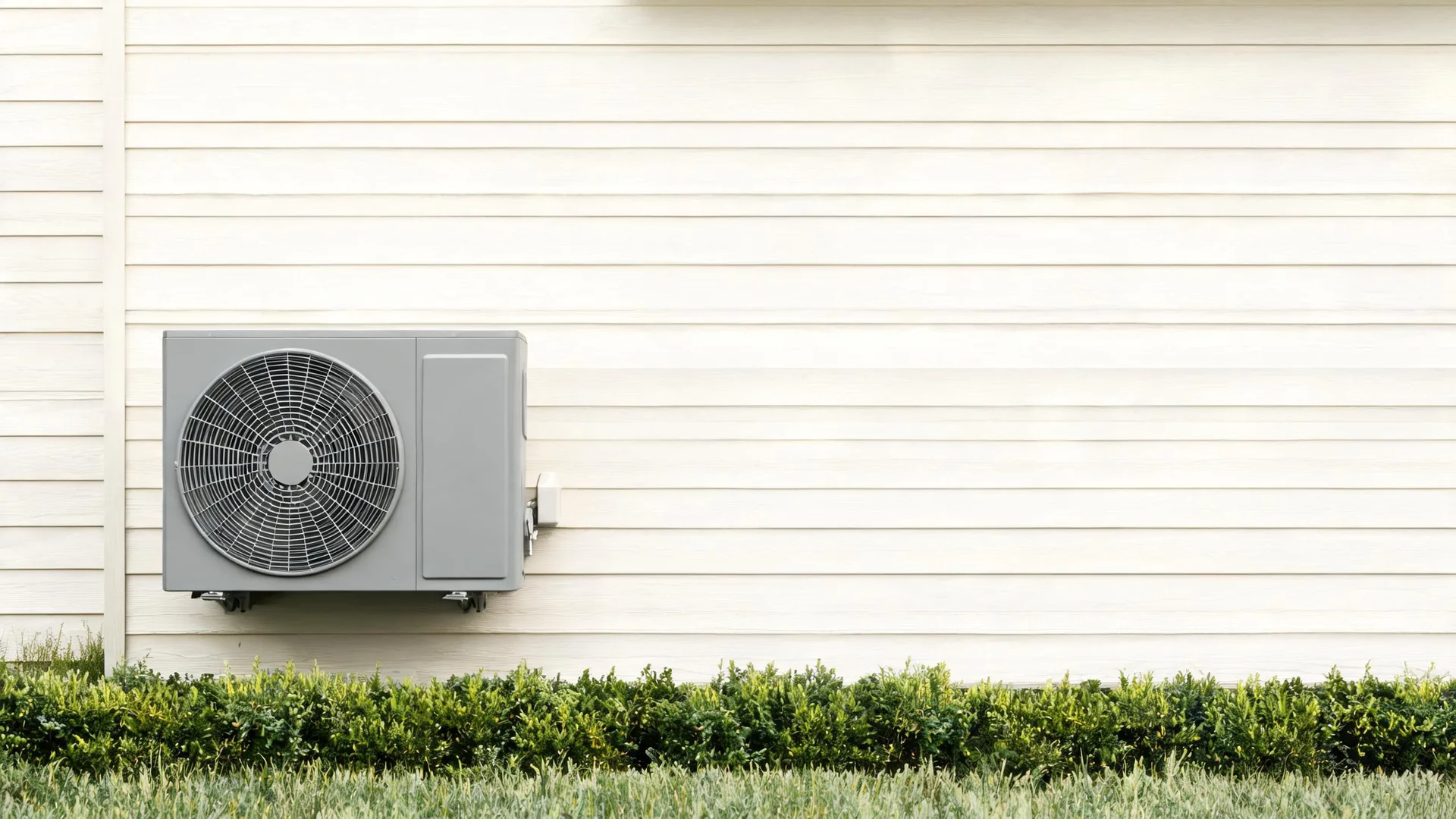
What the outdoor unit has to reach

The refrigerant line between the outdoor unit and each indoor head has to run through a wall, sometimes through framing or around obstacles, to get from one to the other. A short, simple run costs less to install than one that has to be routed a long way or fished through finished walls.

Replacing a furnace or a window AC with a mini split leaves the question of what comes out. A furnace gets disconnected from its gas or oil line and the ductwork gets capped or pulled if nothing else will use it. A window unit just comes out of the window. If the old system is a central air condenser, the refrigerant inside it has to be recovered by a licensed technician before the unit is cut loose and hauled away, since it cannot legally be vented into the air. Any of this equipment can be scrapped for the metal in it. None of it can stay in place and still leave room for the new line set and indoor head to go where they need to go.

Install day starts with the outdoor unit and the indoor head going up, not the refrigerant work. The installer mounts the outdoor unit on a pad or bracket, sets the indoor head on the wall or ceiling, then runs the line set between them. Once both ends are in place, the lines get connected, and the system is evacuated with a vacuum pump to pull out air and moisture before any refrigerant moves. Skipping that step is what causes a system to fail early, so a careful installer treats it as the part that cannot be rushed. After the vacuum holds, refrigerant gets released into the lines, the electrical gets tied in, and the system runs through a test cycle in both heating and cooling before anyone calls it done. A hole through the wall for the line set gets sealed when the work is finished, inside and out, so the opening does not become a draft or a way for pests to get in.