Heat pump blowing cold air in Twin Falls, ID
Fill out one formA heat pump blowing cold air in the middle of an Idaho winter isn't something to leave for later. In Twin Falls County, once the temperature drops, you need to know whether this is a quick fix or something that needs a contractor out today. Most homeowners who search this start calling around, explaining the same problem to three or four companies, then waiting on quotes to compare. That's the part you can skip. Tell us what your heat pump is doing and you'll be matched with one licensed contractor near Twin Falls, someone who works on these systems all winter and has a good idea what's behind it before they even arrive. No list of strangers calling you back, no repeating yourself. Just one contractor who knows the equipment and the cold snaps here, ready to take a look.
A heat pump that blows cold air in winter is usually just doing what it was built to do. Heat pump air at the vent runs around 90 to 95 degrees, which feels cool next to your skin at 98.6, even when the system is working right. But if the air coming out feels truly cold, not just cool, that points to a real problem: the system may have switched into backup heat and that heat strip isn't firing, the unit could be low on refrigerant, or it may have iced over outside. Twin Falls winters push heat pumps hard, and a unit that's frozen up or stuck in the wrong mode will not warm your house no matter how long you wait. Worth checking the outdoor unit for ice and the thermostat setting before assuming the worst, but if the air stays cold, it needs a contractor who works on heat pumps specifically.
Why the air feels cool
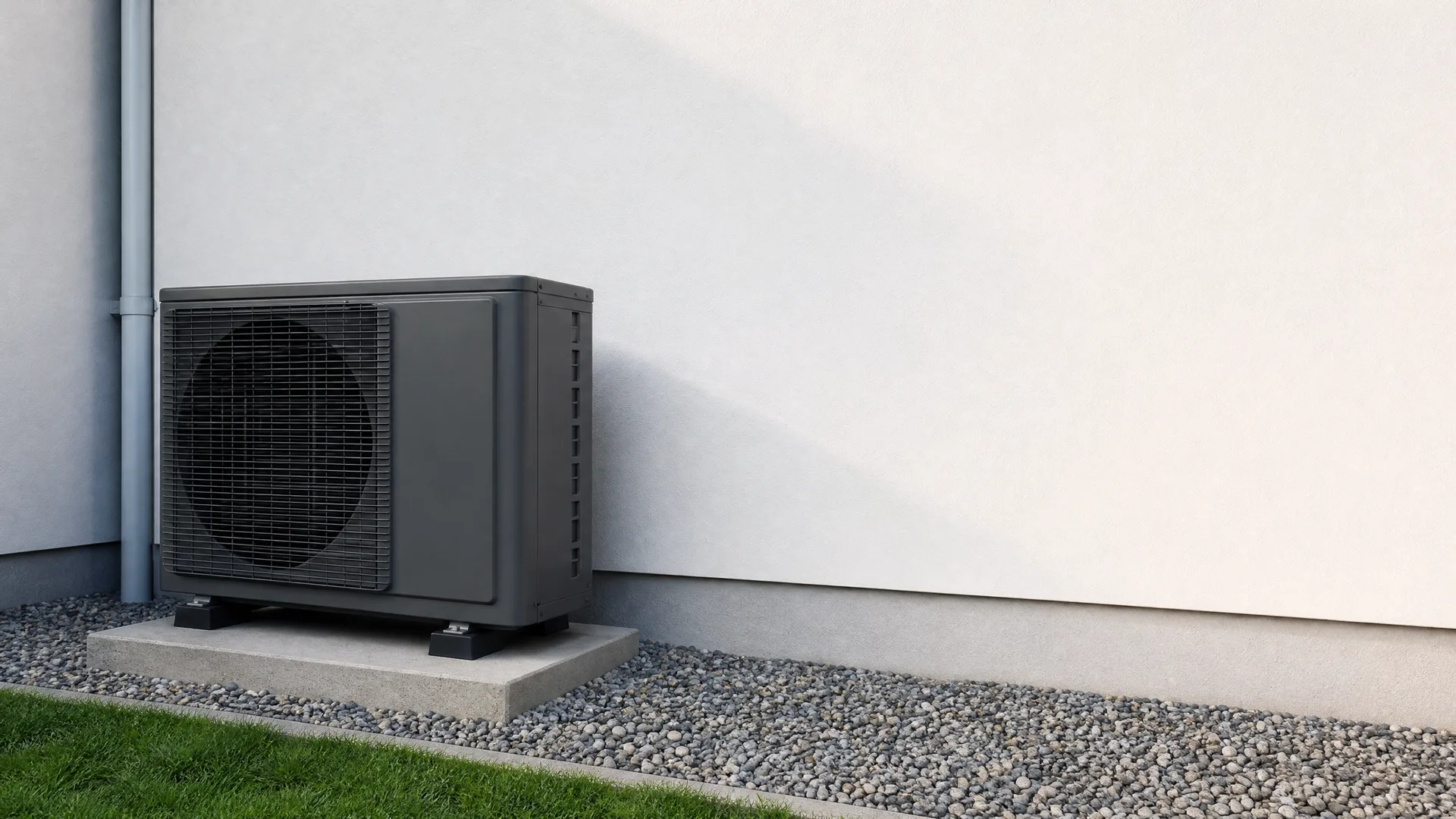
A gas furnace pushes out air near 120 degrees, so you feel the heat right away. A heat pump's air comes out around 90 to 95 degrees, warmer than the room but still cooler than your skin. That's the normal gap people notice when they switch from gas heat to a heat pump, or when they haven't used the heat pump side since last winter. It doesn't mean the system is failing.
When it stops heating at all
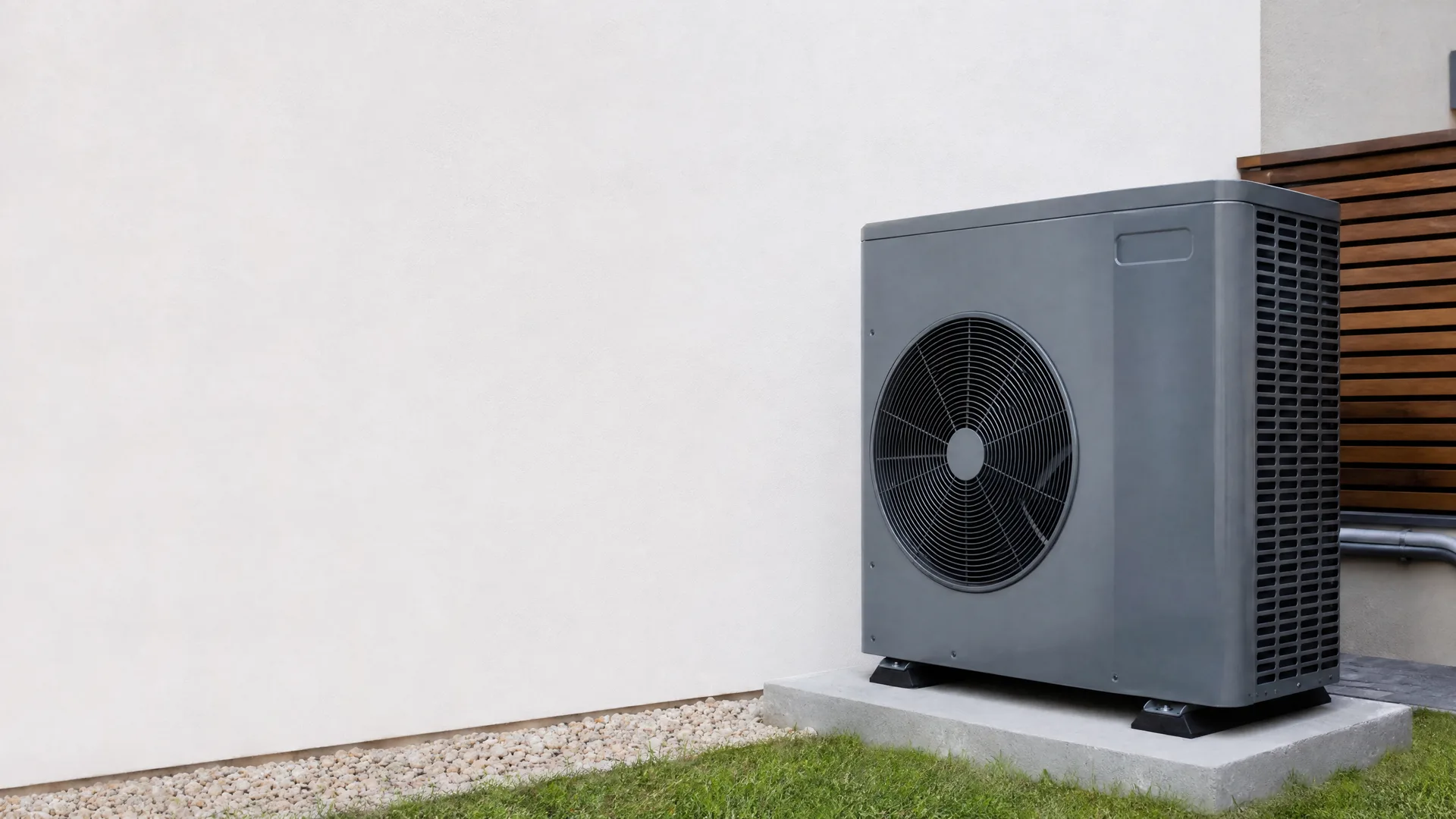
Below freezing, a heat pump works harder to pull heat from outside air, and most systems here pair with backup heat for the coldest stretches of a Twin Falls winter. If that backup isn't kicking in, or the outdoor unit is iced over and not defrosting on its own, the air at the vent turns truly cold, not just cool. That's the difference between the system working as designed and something a contractor needs to look at.
Why does my heat pump switch to emergency heat on its own?
You check the thermostat and it says emergency heat, but you never touched it. The system switched over by itself. In Twin Falls winters, where temperatures drop well below freezing, this can happen more than once, and it's worth knowing why the system made that call instead of staying on the heat pump as usual.
It switches over when the outdoor coil can't pull enough heat from the cold air
A heat pump moves heat from the outside air into your home, and below a certain outdoor temperature it can't pull enough heat to keep up. When that happens, the thermostat's control board switches to emergency heat on its own, which runs a backup electric heating element instead of the outdoor unit. This is built into the system, not a malfunction. On the coldest nights in Twin Falls County, this switch can happen on its own several times. What's worth watching is whether it switches back once temperatures rise, or whether it stays locked on emergency heat. A system that won't come off emergency heat even in milder weather usually has a frozen outdoor coil, a failed sensor, or a problem with the reversing valve, and that calls for a contractor who works on heat pumps.




The outdoor unit pulls heat from the cold air outside.
Refrigerant carries that heat inside to the indoor coil.
The reversing valve sets which way the heat flows.
Air moves across the coil and comes out warm, not hot.


One form, no calling around
If you've gone through the checks above and the air is still cold, not just cool, or the outdoor unit is iced over, or the system is stuck in emergency heat and won't come out of it, that's a job for someone who works on heat pumps in Twin Falls County winters and knows what tends to fail when the temperature drops this low. Finding that person yourself means searching, calling a few companies, explaining the same problem each time, then sitting on quotes to compare. Submitting this instead sends your situation to one licensed local contractor, not a handful of them competing for your callback, so you're not fielding five calls while your house sits cold. With a heat pump down in freezing weather, the furnace or backup heat may be carrying the load on its own, which is worth having looked at sooner rather than later.
If it's genuinely cold air, not just cool, and it keeps running that way, your house will lose ground fast on a night in the single digits or below. The backup heat can only carry the load for so long.
A contractor who works on heat pumps all winter in Twin Falls County can tell you over the phone or on the first visit whether it's the reversing valve, the defrost control or something simpler, and get it fixed before the cold does any more than run up the bill.
How cold does it actually get, and how long does your heat pump have to work through it?
Winter nights average 21°F
Winter nights here average 21°F, which is well into the range where a heat pump leans hard on backup heat to keep up.
Heat runs September through May
Nine months of heat means more hours for a struggling system to show its problems, not just the coldest week of January.
Cooling runs July through August
Two months of cooling is a short season, so a heat pump that's been quietly failing often gets noticed first in winter.
NOAA nClimDiv 1991-2020
Cool Air or Cold Air
- Warm air that feels cool at the vent is normal for a heat pump and not a sign of trouble.
- Truly cold air, an iced-over outdoor unit, or a system stuck in emergency heat means something is wrong.
- Twin Falls winters push heat pumps hard, and nine months of heating means more hours for a strained part to fail.
- A contractor who works on heat pumps through Twin Falls County winters can tell you which one it is and fix it.
- Leaving cold air unaddressed on a night near or below zero lets the house lose ground faster than backup heat can cover.
- Checking the air temperature, the thermostat setting, and the outdoor unit tells you most of what you need before anyone comes out.
Most of what brings people to this question turns out to be normal. A heat pump puts out air around 90 to 95 degrees, cooler than your skin, so it feels like a draft even when the system is heating the house the way it should. If that's what you're feeling, there's nothing to fix. Truly cold air is different, and so is an outdoor unit crusted in ice or a thermostat stuck on emergency heat. Those point to a real problem, something that needs a look rather than a wait. Twin Falls winters run nine months and average 21°F at night, which means a heat pump here logs a lot of hours working against the cold. That's more time for a failing part, a stuck valve, a low charge, to show itself. On a night near or below zero, cold air at the vent isn't something to leave until morning. Backup heat can only hold the line so long, and the house loses ground faster than most people expect. Before anyone comes out, check what you can. Feel the air against your hand rather than guess. Look at the thermostat setting. Walk outside and look at the unit itself. That gets you most of the way to knowing whether this is a non-issue or a repair, and it gives a contractor who works on heat pumps through winters here a head start on figuring out which part failed and getting the house back to warm.


Heat Pump Repair
Skip the search
A licensed pro who works in Twin Falls County gets your request.
