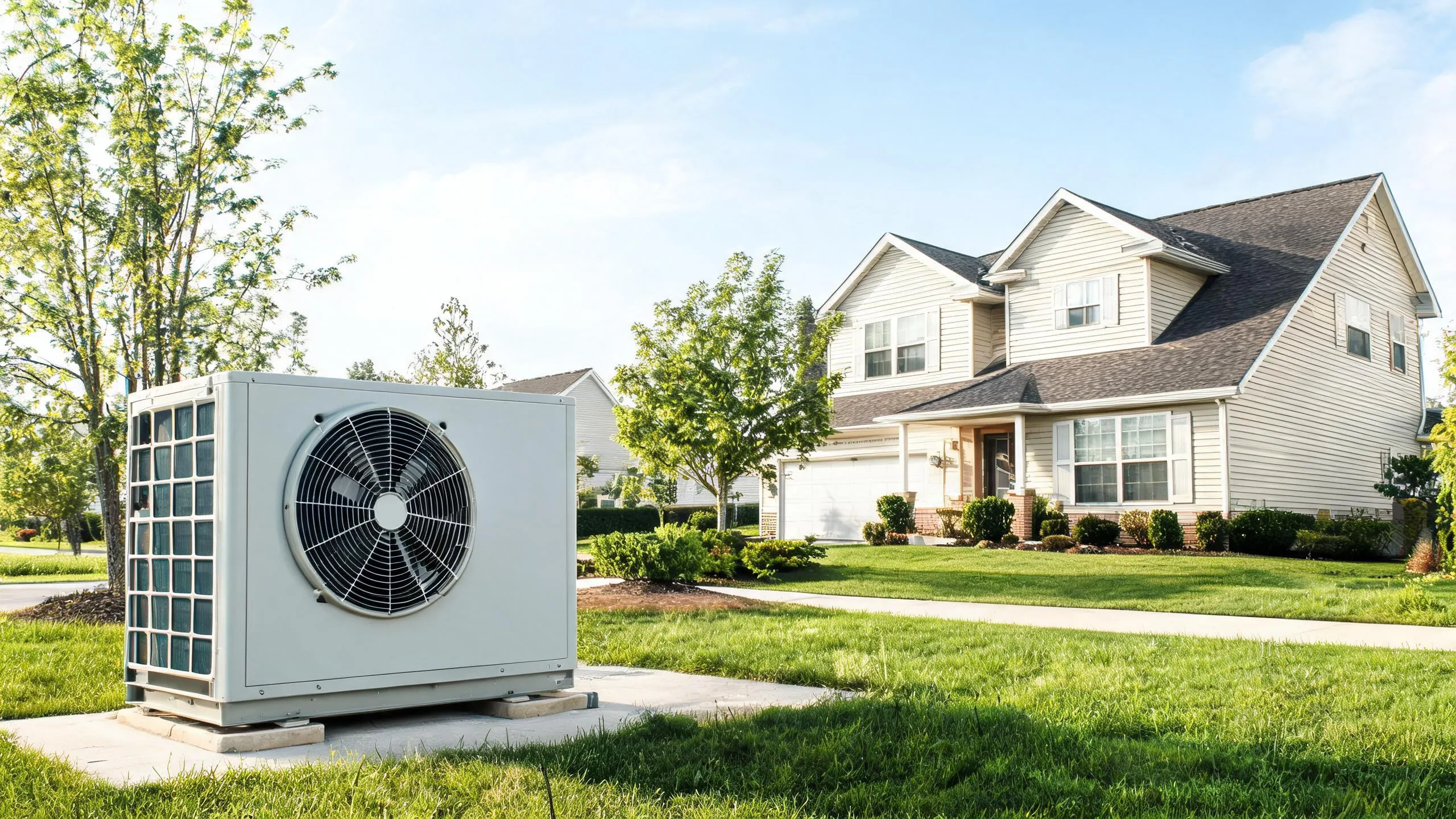





An outdoor heat pump unit mounted on a concrete pad in front of a two-story suburban house with a landscaped lawn.

Heat Pump Repair in Emmett, ID

Tell us about the job

Takes about a minute. No obligation.

RepairHeat PumpGem County, ID
Step 1 of 2

What ZIP code is the job in?

Winters here average 23°F overnight through December, January and February, cold enough that a heat pump has real work to do. But Gem County hasn't seen the kind of constant winter storm cycles that wear a system down fast, with storms hitting the county 68 times over the past decade. That's closer to one every couple months than one after another. A heat pump that's acting up here is more likely dealing with a worn part or something that was never quite right than a system run into the ground. That usually makes repair the right call before replacement comes up.

8 months
October through May, your system heats
2 months
July through August, it cools
23°F
the average winter night it heats against
85°F
the average summer afternoon it cools against
Isometric cutaway illustration of a house showing attic ductwork, an indoor air handler, furnished rooms, and an outdoor condenser unit connected by lines along the exterior wall.
Your system heats October through May and cools July through August.

NOAA nClimDiv, 1991–2020 normals

Half the homes in Gem County were built in 1983 or later.

A heat pump installed with a newer house usually still has working life left in it.

Eight months of heat a year, starting in October

Cooling runs July through August
Heat runs October through May
68 winter storms from 2015 to 2024

If your heat pump came in when the house was built and the house is newer, get the repair looked at before you think about replacing anything. A unit that young has no business being written off over a bad capacitor or a stuck reversing valve. Ask whoever comes out what year the system is from if you don't already know. That one number tells you more than any guess about whether this is worth fixing.

Worth fixing before it's worth replacing

Get the repair diagnosed before anyone brings up a new system. A heat pump that hasn't been run hard for years is usually a good bet to fix.

Find a contractor
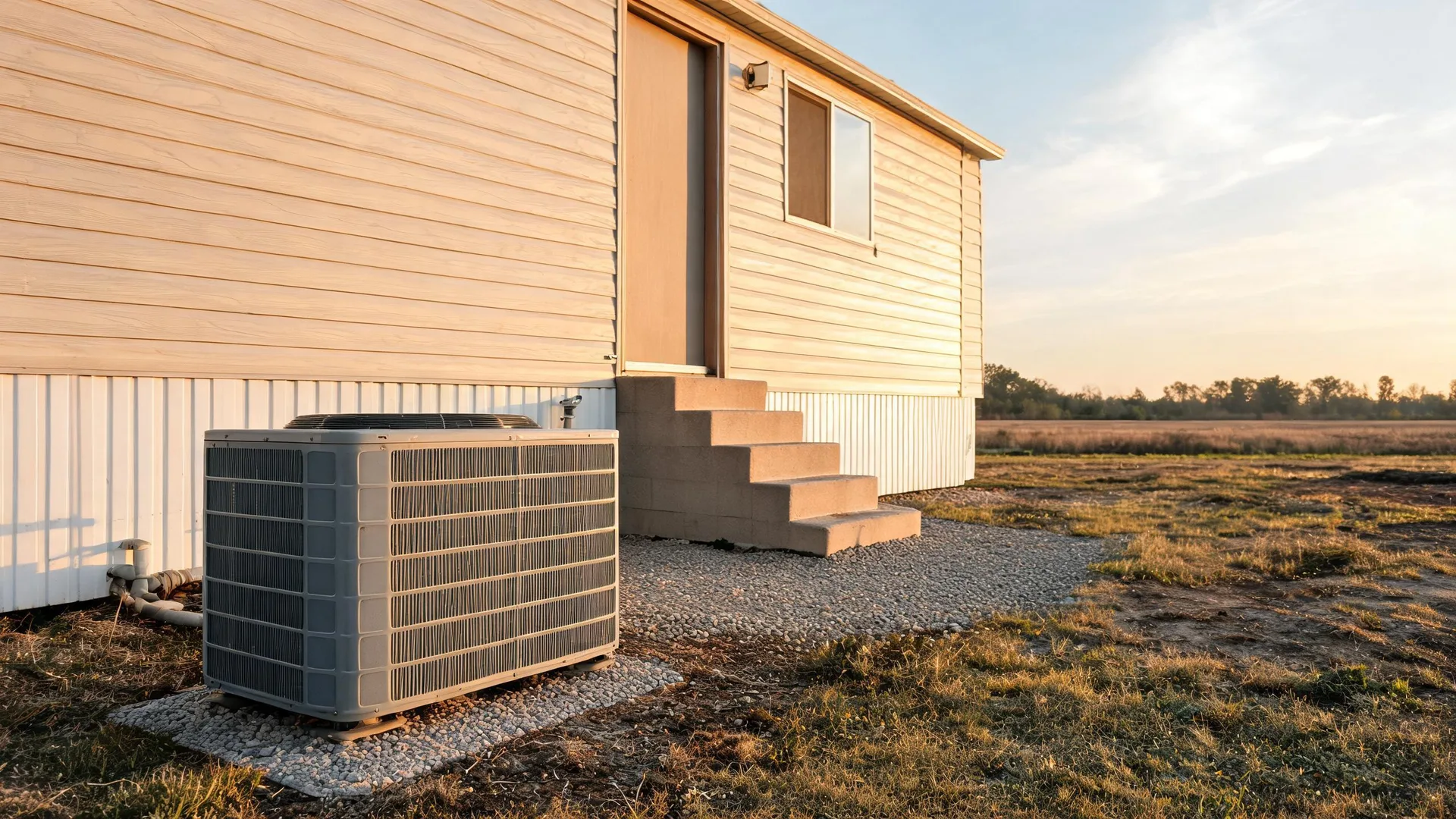
A white mini-split heat pump outdoor unit mounted on a concrete pad beside a gray-sided house, surrounded by gravel and green shrubs.

What a heat pump tells you before it fails

A heat pump that runs on and off all winter shows wear in a few predictable places. Listen for the outdoor unit humming without the fan turning, or short cycling where it shuts off again before the house actually warms up. Check the outdoor coil for ice that never clears, even after a defrost cycle finishes. If warm air stops feeling warm, or the vents start blowing cold while the thermostat still calls for heat, that often points to a reversing valve on its way out. A unit that struggles through the cold months usually keeps struggling once it switches over to cooling in spring, since the same worn part doesn't fix itself with the seasons. None of this means the whole system is bad. Most of these signs trace back to a single part, a failing capacitor, a stuck valve, a sensor reading wrong. Catching it early is what keeps the compressor from having to fight through a problem all season, and what keeps a repair a repair.

The reversing valve is often the first thing to go

The reversing valve switches the system between heating and cooling, and it works every time the unit cycles. A valve that sticks can leave the house stuck on one mode, or make the outdoor unit run while no warm air comes out of the vents.
A failing capacitor shows up as a unit that won't start clean

The capacitor gives the compressor and fan motor the jolt they need to get going. A weak one makes the outdoor unit hum, click, or try to start and quit. Left alone, the motor it was supposed to help ends up doing the extra work and wears out sooner.

There are a few things worth checking before anyone comes out. Look at the thermostat first. Make sure it's set to heat and the temperature is actually above room temperature, since a setting bumped by accident gets mistaken for a broken system more often than you'd think. Walk outside and look at the unit itself. If the outdoor coil is buried in ice or snow, or leaves and debris are packed against it, that alone can keep it from working right. Check the breaker if the unit won't respond at all. Inside, pull the air filter and hold it up to the light. A filter clogged with dust chokes the airflow the whole system depends on, and it's the one part a homeowner can swap out without any tools. None of this fixes a bad capacitor or a stuck valve, but it rules out the simple stuff first.

A diagnostic visit starts outside, at the unit itself. A tech checks refrigerant pressure, looks at the reversing valve, and watches how the compressor behaves when it kicks on. Inside, they'll check airflow at the vents and see whether the temperature split between return air and supply air makes sense for a heat pump running in heating mode. Electrical readings on the capacitor and the contactor tell them whether a part is weak now or about to fail later. Most of this comes down to testing parts against known values rather than guessing from symptoms alone. A thermostat that calls for heat but gets no response points one direction, and a unit that runs constantly without warming the house points another. By the end, the goal is a specific part named as the cause, not just a description of what the house feels like.