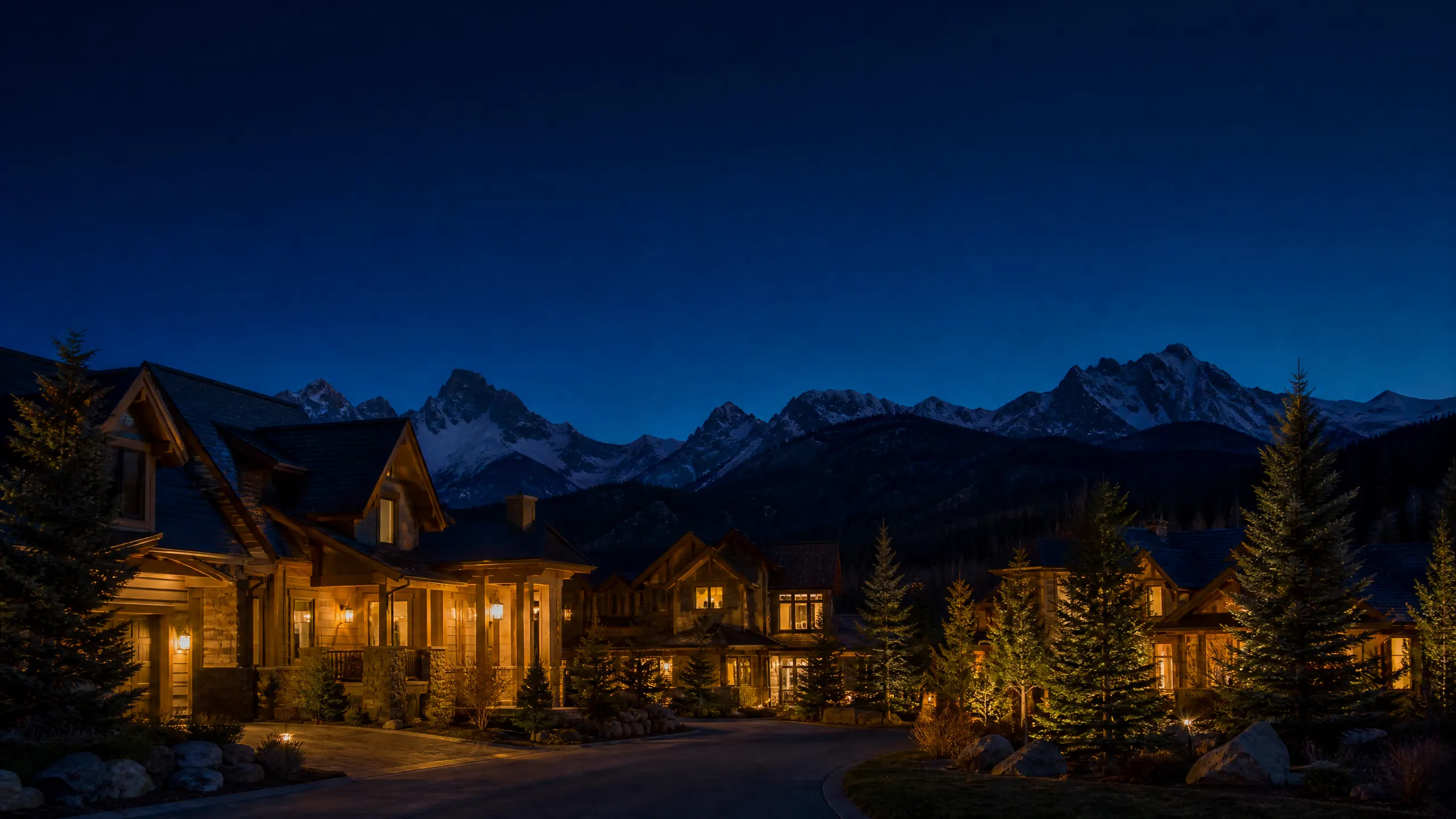
Illuminated timber-and-stone luxury homes photographed at twilight with snow-capped mountains visible in the background.

Heat Pump Repair in Mountain Home, ID

Tell us about the job

Takes about a minute. No obligation.

RepairHeat PumpElmore County, ID
Step 1 of 2

What ZIP code is the job in?

Check the thermostat and the breaker first

Make sure the thermostat is set to heat or cool and the temperature is actually past the room reading. Then check the breaker panel for the outdoor unit and the air handler. A tripped breaker or a thermostat bumped into the wrong mode causes more no-heat calls than a failed part does.


Look at the outdoor unit and the filter

Walk outside and see if the outdoor coil is caked in ice or buried in leaves and debris. Airflow in or out of that unit matters as much as the compressor inside it. Then pull the air filter and hold it to the light. A clogged filter starves the system and can shut it down on its own.

10 months
September through June, your system heats
2 months
July through August, it cools
21°F
the average winter night it heats against
83°F
the average summer afternoon it cools against
Isometric cutaway illustration of a small house showing interior rooms with furniture, an indoor air handler with flexible ducting, and refrigerant lines running to an outdoor condenser unit beside the building.
Your system heats September through June and cools July through August.

NOAA nClimDiv, 1991–2020 normals

Half the homes in Elmore County were built in 1988 or later.

A heat pump that came with a newer house still has working life in it, which is a reason to fix it rather than replace it.

Nothing about Mountain Home works this system harder than normal

Power costs 11.52 cents a kWh statewide
36 damaging wind events from 2015 to 2024
84 winter storms from 2015 to 2024

Winter is the hard season on a heat pump, and Elmore County doesn't ask much of the compressor to get through it. The overnight low across December, January and February only averages 21°F. That's cold enough to run the system steadily, not cold enough to strain it the way a hard freeze does elsewhere. Winter storms still roll through, heavy snow and ice along with them, but the compressor itself isn't working against brutal cold night after night. A unit that hasn't spent years fighting extreme temperatures is usually sound underneath whatever part just failed, which is a reason to get it diagnosed before anyone talks replacement.

A newer system is usually worth repairing

A heat pump that came with a newer house still has the parts and the years left to make a repair worth it. Get the actual problem diagnosed before anyone talks replacement.

Find a contractor
A man in a dark work shirt and brown pants carries a canvas tool bag as he steps up to a green front door on a porch with a potted shrub.
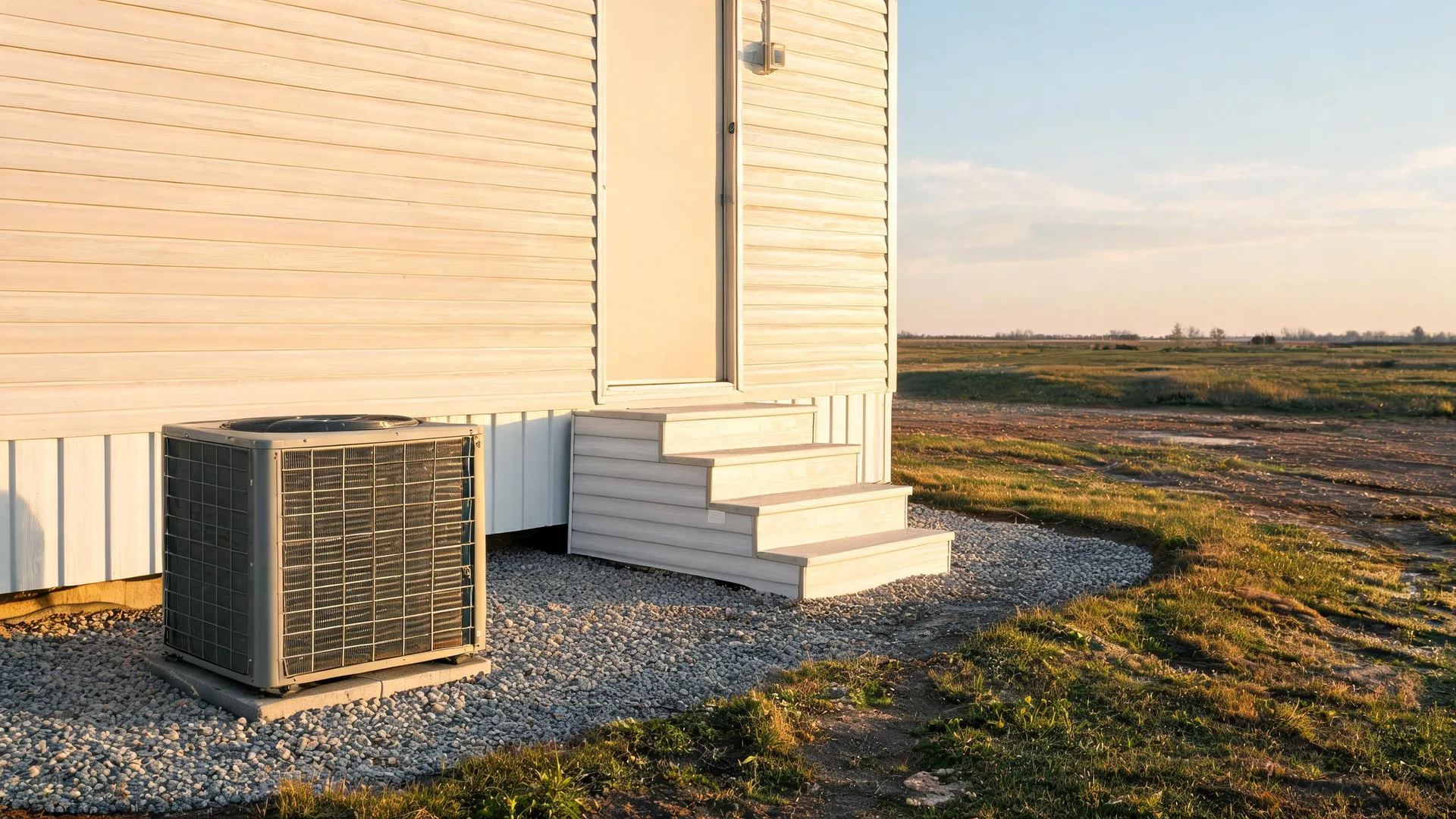
A gray heat pump condenser unit mounted on a concrete pad against the gray lap-siding exterior wall of a house.

One visit, inside and out

A tech starts outside at the compressor and the reversing valve before touching anything inside. Gauges go on the line set to check pressures, since a system that is low on charge or stuck in one mode shows up there first. Inside, the tech checks the air handler, the capacitor, and the circuit board. Then the system gets run in both heat and cool to see if it switches over the way it should. A weak capacitor or a reversing valve stuck from sitting idle usually shows itself in that test. The visit ends with a straight answer. What failed, why it failed, and whether it is worth fixing.

A weak capacitor can take the compressor with it

A capacitor that is failing still lets the compressor start, just under strain. Run it that way for days and the compressor windings take the damage instead, and a compressor is a much bigger job than a capacitor.

Ice on the coil feeds on itself

A little frost on the outdoor coil blocks airflow, which drops the coil temperature further and grows more frost. Left alone, that coil ices solid and stops moving heat at all, so a problem that started small ends up stopping the system completely.

A heat pump that won't heat or cool usually tells you something before it quits outright. Short cycling, where the system kicks on and off every few minutes instead of running a full stretch, points to a problem that's making it shut down for its own protection, often low charge or a failing capacitor. Air coming out the vents that's barely warm or barely cool, rather than off entirely, often means the reversing valve is stuck between modes. A hissing or bubbling sound from the line set suggests refrigerant escaping somewhere it shouldn't. And a system that runs constantly without ever satisfying the thermostat is working against something, whether that's a frozen coil, a failing compressor, or a charge problem. None of these fix themselves, and running the system through them only adds strain to parts that are already struggling.

Age by itself does not tell you whether to fix a heat pump or let it go. What matters is which part failed and what else it was carrying at the time. A capacitor, a run contactor, a blower motor, these are wear parts, and swapping one out brings the system back to normal without touching anything else. A compressor or a reversing valve is a different question, since either one costs enough on its own that the rest of the system's condition starts to matter. The clearest sign something bigger is wrong is a system that keeps needing a tech back out for new problems rather than the same one recurring. A part wearing out and getting replaced is normal. A pattern of different failures, one after another, is the system telling you it is done being reliable.