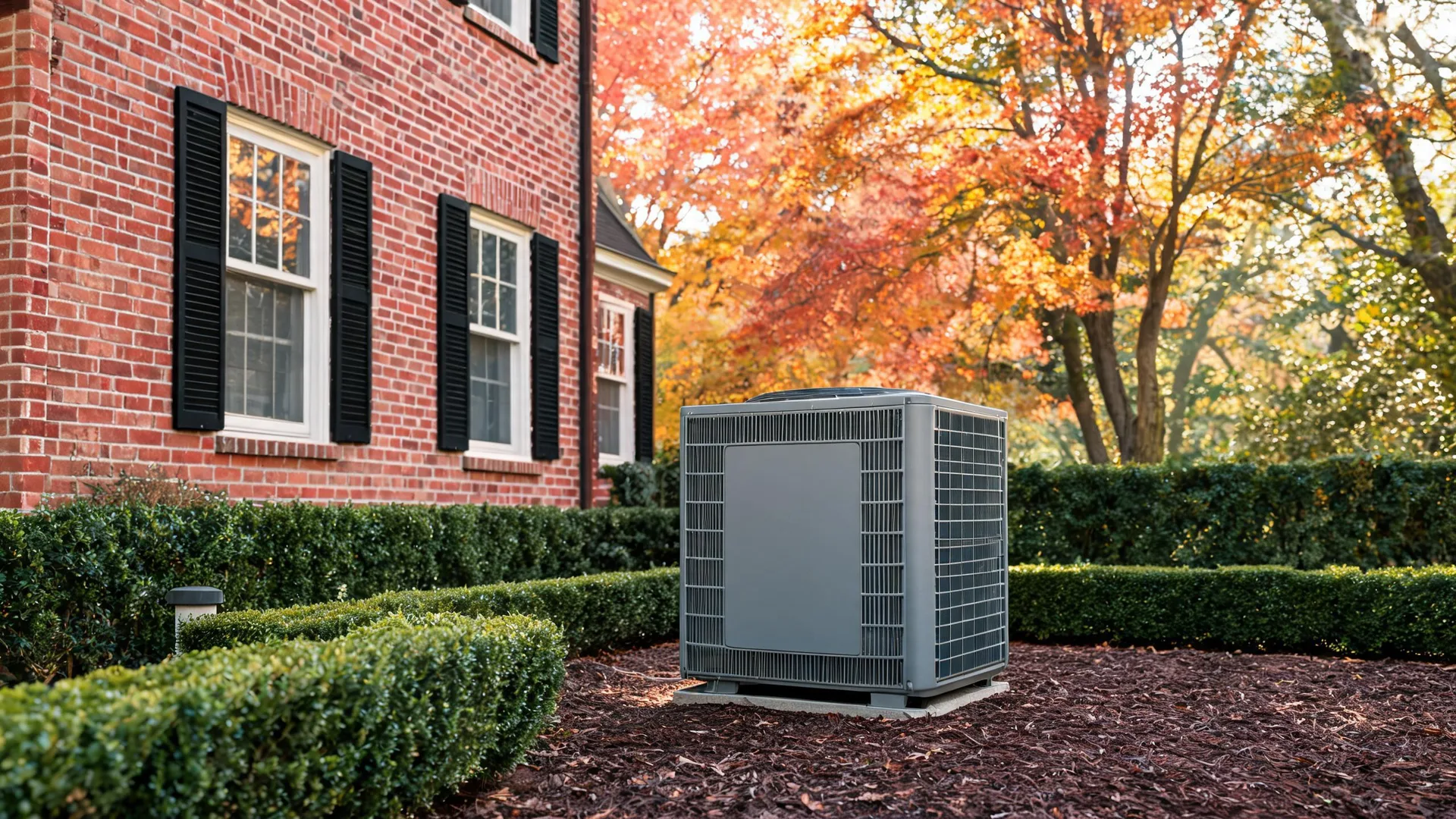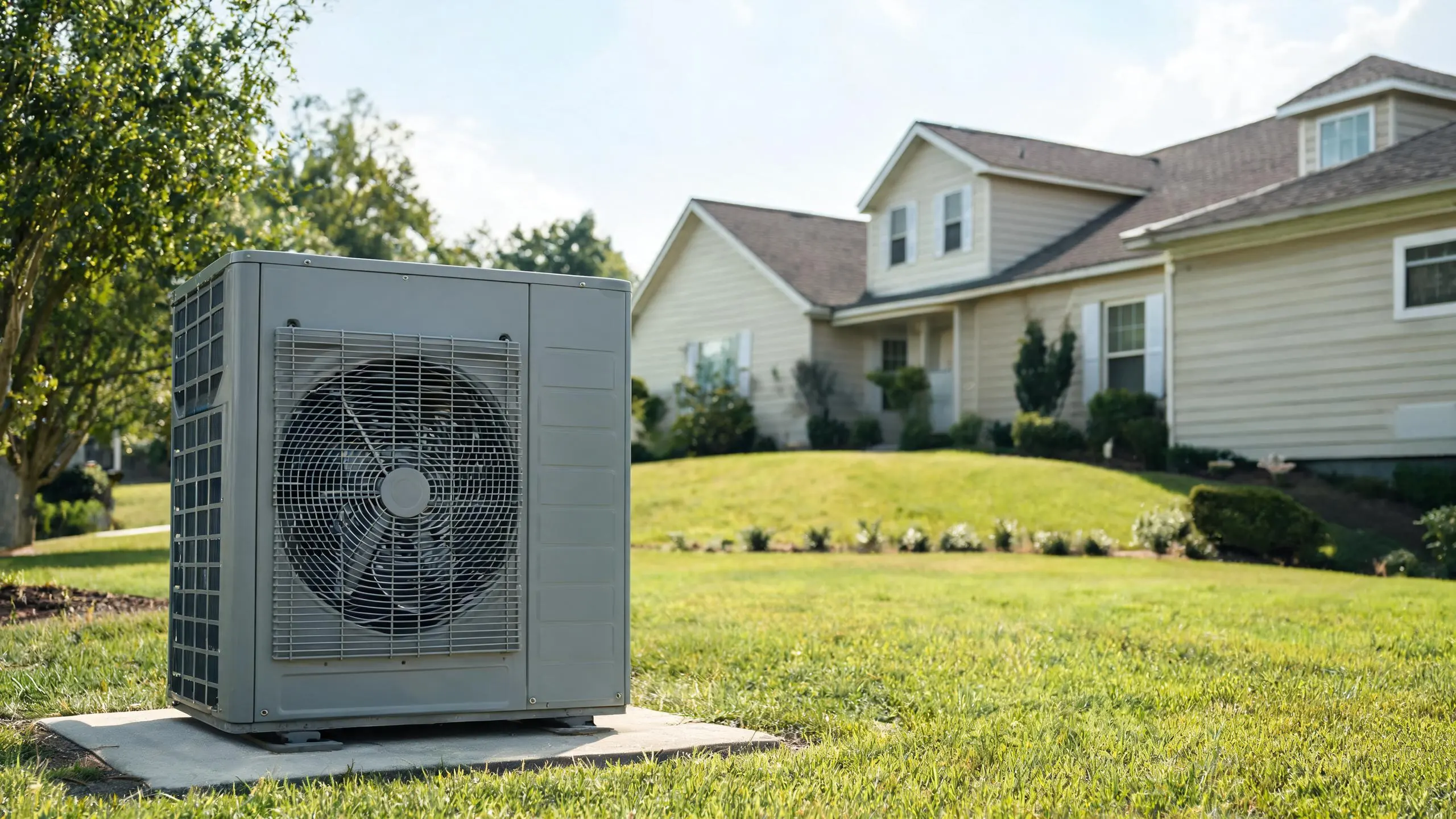
A gray outdoor HVAC condenser unit mounted on a concrete pad in the front yard of a two-story suburban house.

Heat Pump Repair in Rexburg, ID

Tell us about the job

Takes about a minute. No obligation.

RepairHeat PumpMadison County, ID
Step 1 of 2

What ZIP code is the job in?

August is when weak units show up

Heat here switches over in September, so August is when a heat pump gets asked to work after months of mostly sitting. A capacitor or contactor that was already marginal tends to fail right at that switch, not in the middle of the season.


Worth a call before the switch, not after

A heat pump that struggled last season will likely struggle the same way this September. Having it looked at in August means a repair happens on your schedule, before the first cold morning makes it urgent.

10 months
September through June, your system heats
1 months
July through July, it cools
14°F
the average winter night it heats against
79°F
the average summer afternoon it cools against
Isometric line illustration of a cutaway house showing interior rooms with furniture, ceiling ductwork connected to an indoor air handler, and an outdoor condenser unit linked by refrigerant lines.
Your system heats September through June and cools July through July.

NOAA nClimDiv, 1991–2020 normals

A diagnostic visit starts with the tech running the heat pump in both modes and checking what it's actually doing against what it should be doing.

Testing it this way catches a weak capacitor or contactor on the spot, before it strands the system with no heat.

Half the homes here were built in 2002 or later, so a lot of heat pumps still have years of work left in them

Half the homes here were built by 2002
60 damaging wind events from 2015 to 2024
103 winter storms from 2015 to 2024
Electricity here runs 11.52 cents a kilowatt-hourA heat pump running wrong keeps costing you every month it's left that way.

If your heat pump came with the house, that's worth telling the tech before they start. A unit that's been there since the build is carrying less wear than one swapped in later to replace something older, and that changes what a repair is likely to find. A failing capacitor or contactor on a system with years left in it is just a part worn out on its own, not a sign the whole unit is near the end. So when something acts up, get it looked at and fixed rather than treating it as a reason to replace. The exception is a mobile home, where the equipment is more likely to have come from somewhere else and have its own history. If that's your situation, mention it too.

Get it looked at early

Problems tend to show up in the first weeks of the season, when the load hits a part that was already weak.

Find a contractor
A gray outdoor HVAC unit mounted on a concrete pad beside a house with gray lap siding and a stone foundation.

What a struggling heat pump sounds and feels like before it quits

A heat pump that's struggling doesn't usually just quit. It gives you signs first. Short cycling is one, the unit kicking on and off every few minutes instead of running a full cycle. That points to a thermostat problem, a refrigerant issue, or a sensor telling it something false. Ice building up on the outdoor coil and not clearing during the defrost cycle is another. Some frost in cold weather is normal. A coil that stays frozen means the reversing valve or the defrost control isn't doing its job. Air coming from the vents that's cooler than it should be when the system is in heating mode often means the reversing valve is stuck between modes, not switching all the way over. Listen for it too. A hum with no fan movement usually means a bad capacitor. Grinding or squealing points to a motor bearing wearing out. Any of these is worth a call before the unit stops working altogether. A part that's struggling now is the same part that'll fail outright once it's asked to run every day.

Most failures trace back to one of a few parts

A heat pump that quits is usually down to a capacitor that's lost its charge, a contactor with pitted contacts, or a reversing valve that won't throw all the way. These parts switch on, switch off, or switch state every single cycle, so they're the first ones to wear out. The compressor and coils tend to outlast all of them if the system's been kept up.

Neglect shows up as strain somewhere else

A dirty filter or a coil caked with dirt doesn't stop a heat pump, it just makes everything downstream work harder to make up for it. A blower motor pulling against a clogged filter runs hotter than it should. A compressor working against a dirty outdoor coil runs longer than it needs to. Replaced on their own, those parts look like ordinary wear. The real cause was airflow nobody dealt with.

A heat pump that's struggling will keep running as long as the thermostat is calling for heat, and that's how a small problem turns into a bigger one. Short cycling puts the compressor through far more starts than it's built for, and it's the start that wears a compressor down, not the running. A coil that stays frozen blocks airflow, so the system is pulling in heat it can't move, and the compressor runs longer and hotter trying to make up for it. A reversing valve stuck partway makes the compressor push refrigerant toward both directions at once instead of committing to one. None of that damage shows up right away. It shows up later as a failed compressor, when the part that actually started the trouble was a worn capacitor or a bad control board, the kind of thing that's a straightforward repair on its own.

There are a few things worth checking before you pick up the phone. Start with the thermostat. Make sure it's set to heat, not cool or fan only, and that the batteries aren't dead if it uses them. Check the breaker panel for a tripped breaker on the heat pump's circuit, both the indoor and outdoor units usually have their own. Look at the outdoor unit itself. If it's covered in ice, buried in leaves, or has something blocking airflow around it, clearing that off can be enough to get it running right again. Pull the air filter and hold it up to a light. If you can't see through it, swap it out, a clogged filter chokes airflow to the point where the whole system struggles to keep up. If you've done all that and it's still not heating, or the sounds and signs point to something electrical or mechanical, that's where it stops being a homeowner job.