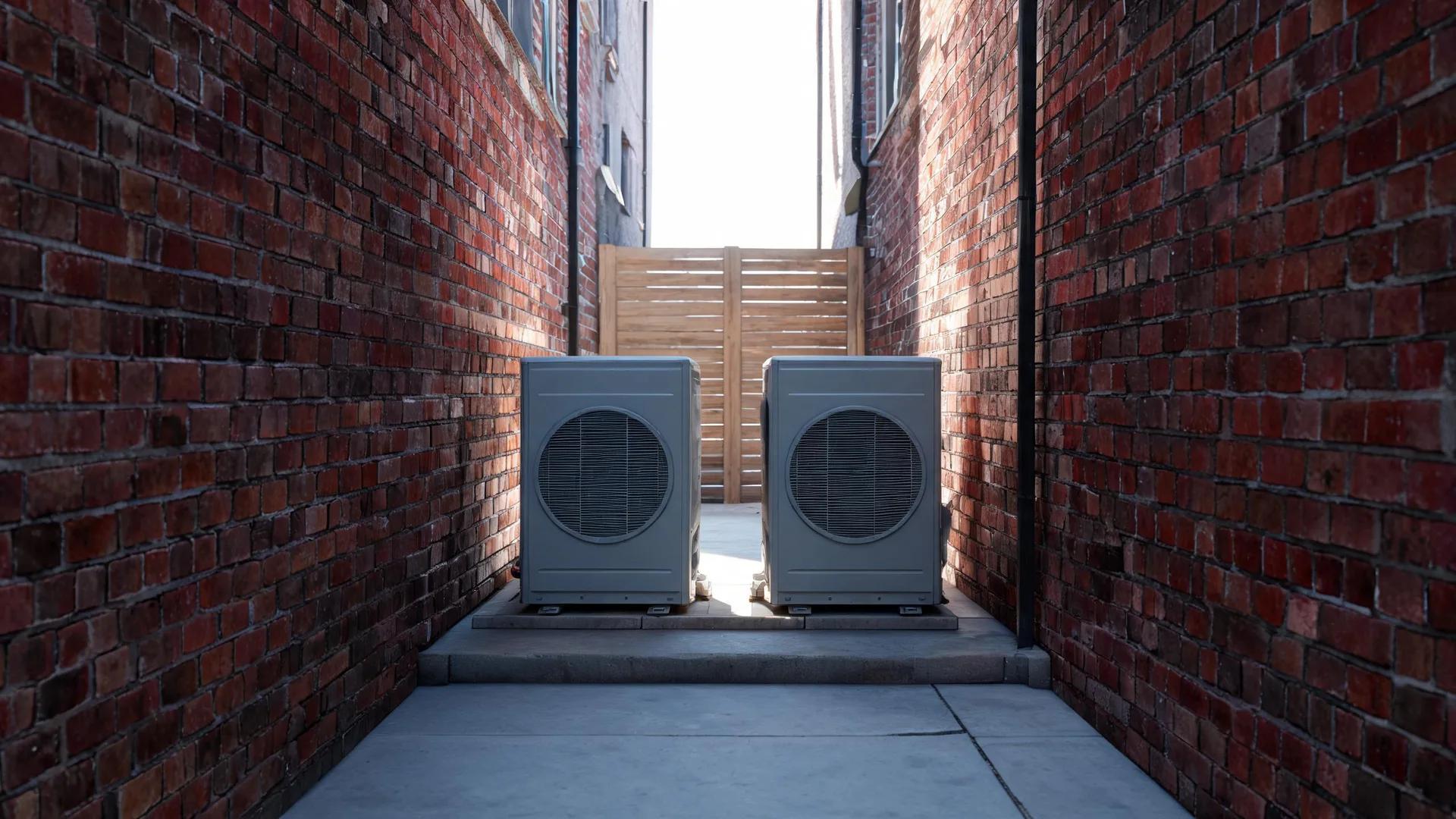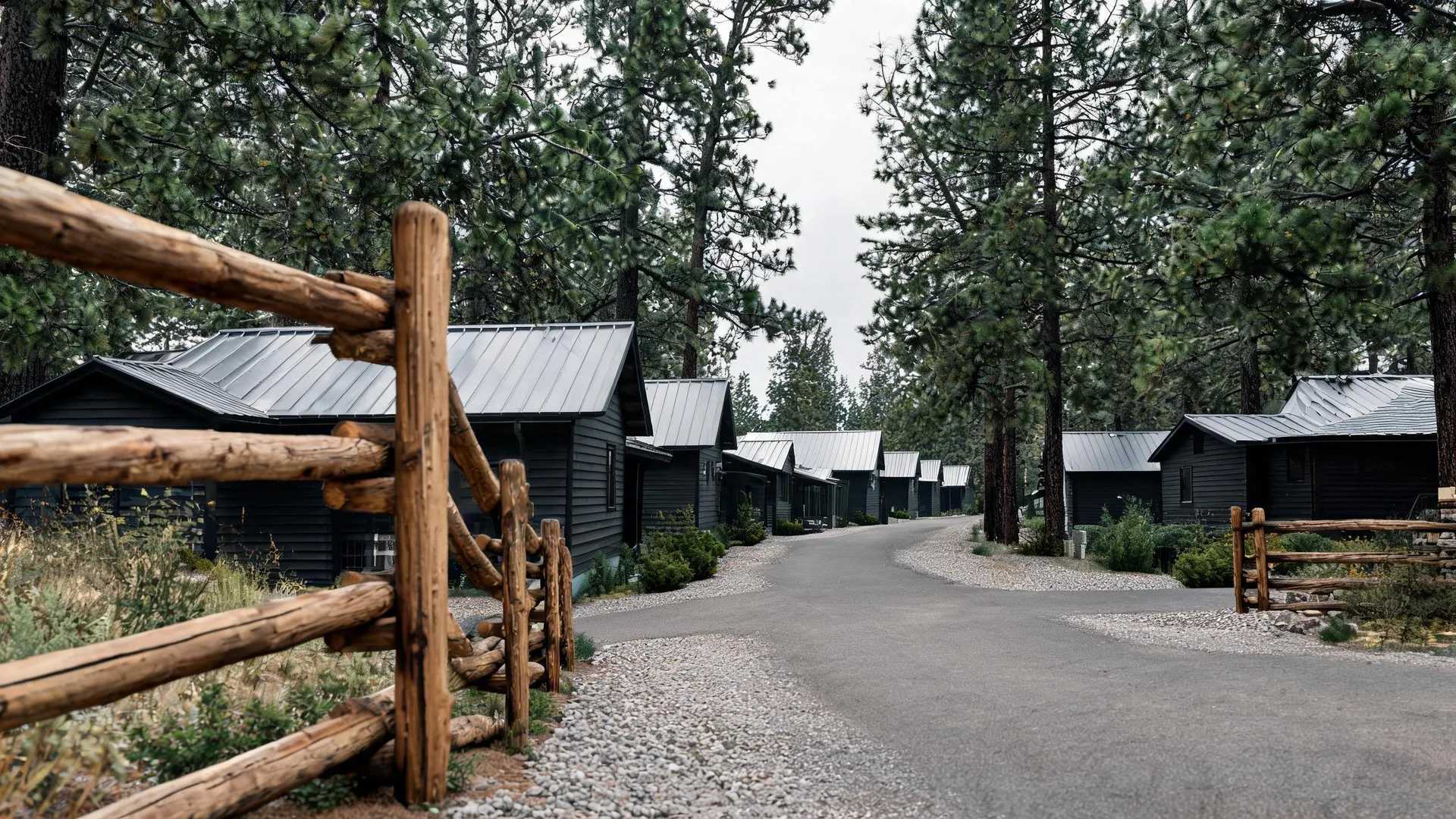
A paved lane lined with gravel shoulders passes a row of dark-sided cabins with metal gable roofs, bordered by a peeled-log fence in the foreground and tall pine trees under an overcast sky.

Heat Pump Repair in Orofino, ID

Tell us about the job

Takes about a minute. No obligation.

RepairHeat PumpClearwater County, ID
Step 1 of 2

What ZIP code is the job in?

Winters here are steady cold, not extreme

Orofino sees overnight lows around 22°F through December, January and February. A heat pump is built to handle that kind of cold without strain. It's not the deep sub-zero stretches that wear a system down fast.


So age and upkeep explain most problems

With hail rare and the real weather load being snow and ice rather than heat extremes, a heat pump here usually isn't fighting the elements every day. When one acts up, the cause is more likely a worn part or a missed service than years of hard use, which is exactly the kind of problem a repair can fix.

10 months
September through June, your system heats
22°F
the average winter night it heats against
76°F
the average summer afternoon it cools against
Isometric cutaway illustration of a house showing interior ductwork, an indoor air handler unit, and an outdoor condenser unit beside the building.

A diagnostic visit starts with questions and gauge readings, not a parts swap.

A tech who checks pressures and airflow before touching anything finds the failing part on the first visit, not the third.

Half these homes were built by 1977, old enough for a system to need real repair, not a rebuild

Half the homes here were built by 1977
6 hail events from 2015 to 2024
56 winter storms from 2015 to 2024

Electricity in Idaho ran 11.52 cents per kilowatthour in 2024. A heat pump moves heat instead of making it, so it costs less to run than straight electric heat strip or a plug-in space heater at that same rate. That math only holds up if the unit is running the way it should. A dirty coil or a low charge makes it work harder for the same warmth, and the power bill shows it before anything else does. If your bill jumped without a jump in usage, that is worth mentioning when you call someone out.

A repair is worth calling in before it becomes a bigger job

Your heat pump isn't fighting extreme heat or hail here, just snow, ice, and the usual wear of age. That's the kind of problem a repair can fix outright, not patch over. Get the cause checked now instead of running it through more cold mornings.

Find a contractor
A residential heat pump outdoor unit mounted on a concrete pad next to a house with gray vinyl siding.

Long runtime wears specific parts, not the whole system

A heat pump that runs for months without a break puts repeat stress on the same few parts. The reversing valve switches the system between heat and defrost, and when it starts sticking you'll feel the air turn cool when it should stay warm, or hear the unit run long without catching up. A failing capacitor shows up as a fan that hums but won't spin, or a compressor that tries to start and can't. Ice building up on the outdoor unit and not clearing during the defrost cycle points to a bad sensor or a defrost board that isn't switching when it should. Short cycling, where the system kicks on and off in quick bursts instead of running a full cycle, wears down the compressor faster than almost anything else it does. None of this means the system is worn out. It means something specific is failing, and that's a repair, not a reason to replace the whole unit.

A small fault asks the system to work around it

A heat pump with a weak part doesn't just run less well, it runs longer to make up for it. Low refrigerant charge means less heat moved per cycle, so the unit stretches the cycle to get there. A struggling blower motor can still push air, just not enough, so the thermostat keeps calling. The system doesn't stop and tell you something is wrong. It keeps trying, and that's the problem.

Extra runtime lands on the part already failing

A compressor forced to run past where it should have cycled off builds up heat it can't shed. A capacitor already struggling to start the fan motor gets asked to do it again and again without rest. Left alone, a fault that would have been a simple swap turns into a compressor replacement because the system kept running on it instead of shutting down.

Most heat pump failures trace back to a handful of usual suspects. Refrigerant leaks top the list, often at a fitting or coil joint, and the system loses capacity slowly enough that nobody notices until it's struggling. Outdoor coils get clogged with debris and lose their ability to transfer heat, which makes the whole system work harder for less. Contactors and capacitors wear out from the simple fact of cycling on and off thousands of times, and when they go, the symptom is a unit that hums but doesn't start, or starts and quits. Sensors and control boards drift out of calibration or fail outright, which throws off defrost timing and can leave ice sitting on the coil when it shouldn't be there. None of these are failures of the whole machine. Each one is a single part reaching the end of its life while everything around it still works fine.

Deciding between repair and replacement usually comes down to what's actually failing, not how the system sounds overall. A single part failing, a capacitor, a sensor, a reversing valve, is a repair regardless of how long the system has been in service, because the rest of the unit is still doing its job. What changes the math is the compressor. That's the part that can't be swapped out cheap, and a failing compressor is usually what pushes a conversation from repair toward replacement. The other thing worth weighing is pattern. A system that's had one part fail once isn't the same as one that keeps coming back for a different part every season. The first is a repair. The second is a system telling you it's running out of parts that haven't failed yet.