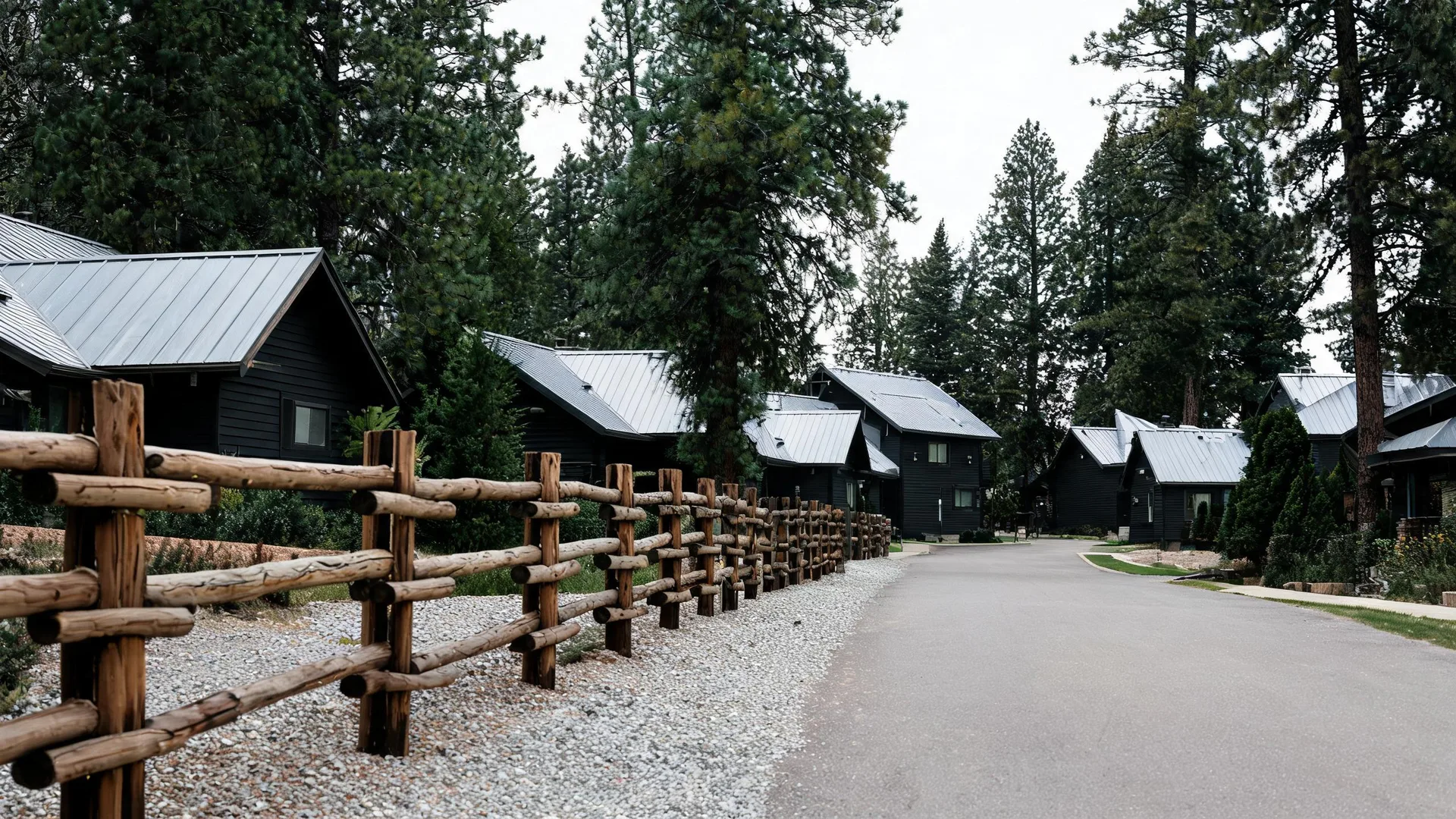
A paved road lined by a rustic wooden log fence and gravel leads past a row of dark-clad cabins with metal gable roofs among tall conifer trees under an overcast sky.

Heat Pump Repair in Preston, ID

Tell us about the job

Takes about a minute. No obligation.

RepairHeat PumpFranklin County, ID
Step 1 of 2

What ZIP code is the job in?

The tech checks the whole system, not just the symptom

A heat pump that won't heat might have a problem in the outdoor unit, the indoor coil, the refrigerant charge, or the thermostat wiring. The tech will check refrigerant pressures, test the reversing valve, look at the defrost control board, and check electrical connections before naming the cause. A heat pump moves heat instead of making it, so a fault in one part can show up as a symptom somewhere else entirely.


What the visit tells you

By the end, you should know what failed, why it failed, and what it will take to fix. Some repairs are quick, like replacing a capacitor or a contactor. Others, like a failing compressor or a slow refrigerant leak, mean weighing repair against replacement. Either way, the diagnosis is what lets you make that call instead of guessing.

10 months
September through June, your system heats
2 months
July through August, it cools
16°F
the average winter night it heats against
80°F
the average summer afternoon it cools against
Isometric illustration of a cutaway single-story house showing interior ductwork, an indoor air handler and simple furniture, connected by lines to an outdoor condenser unit beside the building.
Your system heats September through June and cools July through August.

NOAA nClimDiv, 1991–2020 normals

Heat pumps in Franklin County run heat from September through June, about ten months a year.

August is when a weak part finally gets tested, right before the system has to carry the load for months.

Preston doesn't push a heat pump past what it's built for

Power costs 11.52 cents a kWh statewide
Climate zone 6B
Cooling runs July through August

Half the homes in Franklin County were built in 1975 or earlier, half later. It doesn't change what's likely wrong with your heat pump. A capacitor weakens, a contactor pits, or the refrigerant charge drops low, and none of that has much to do with how old the house is. Those parts wear out on their own schedule. The age of your home might explain something about the ductwork or the wiring the system ties into, but it won't tell you what failed in the unit itself. That still takes a tech looking at it directly.

It's usually worth repairing

It has an easier job here than in most places, so your heat pump is often in decent shape. Repair is usually worth it.

Find a contractor
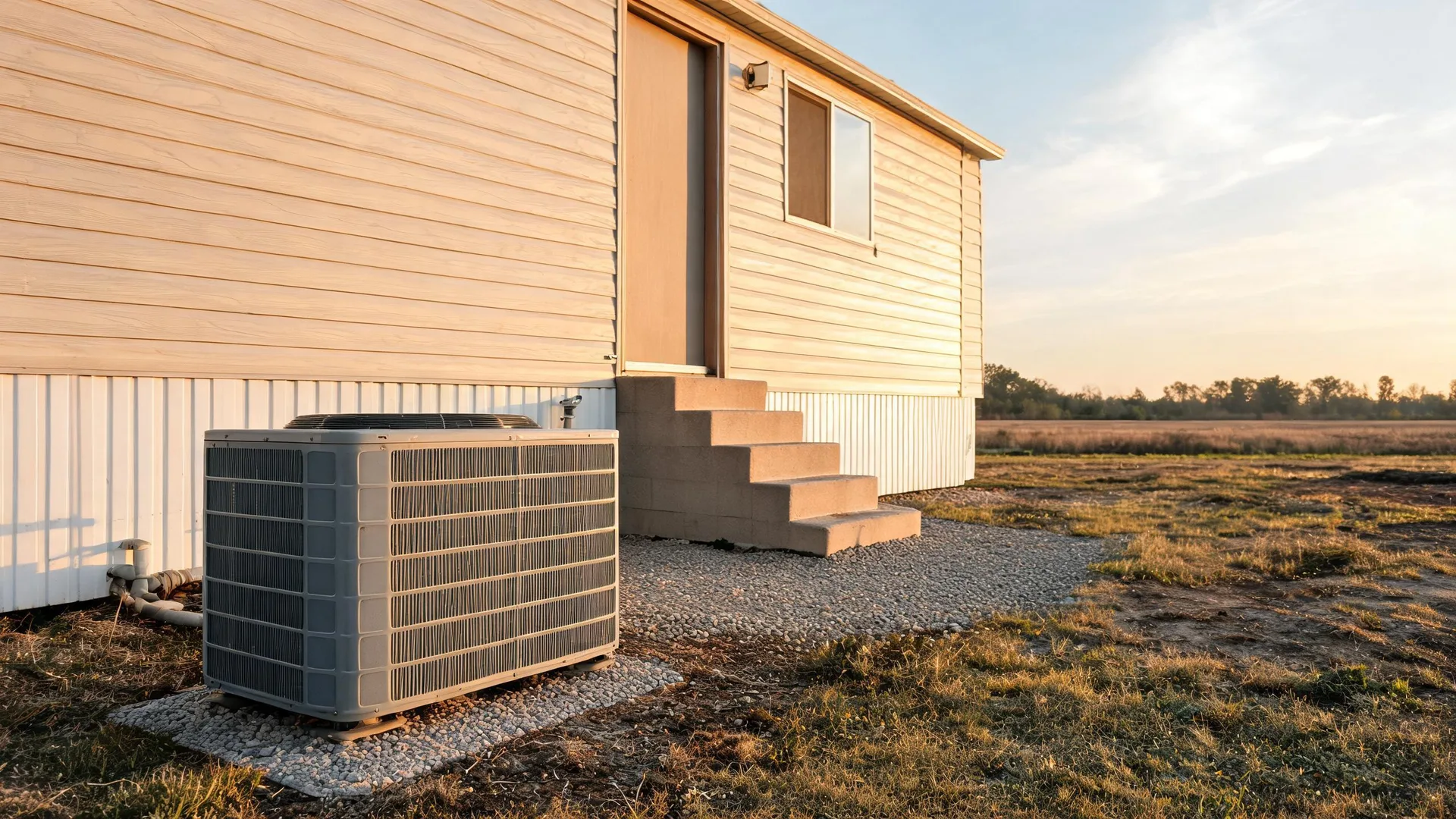
A white mini-split heat pump outdoor unit mounted on a concrete pad beside a gray-sided house, surrounded by gravel and green shrubs.

A small problem now runs on borrowed time

A weak capacitor still starts the compressor most of the time, so it's easy to let it ride. Each hard start runs more current through the windings than they're built for, and that heat adds up. Keep running it that way and the compressor gets closer to failing, not further from it. Low refrigerant charge follows the same pattern. The system still moves heat, just not as much, so it runs longer to make up the difference. That extra runtime pushes oil out of the compressor and lets it run hotter than it should. A small leak left alone turns into a bigger repair than the leak itself ever was. A failing contactor wears the same way. The pitting gets worse under load, not better, until the day it doesn't close at all. None of these announce themselves. The system keeps running, a little worse every week, until the part it was straining finally lets go.

What you can check safely

Make sure the outdoor unit isn't buried in leaves, ice or anything blocking airflow around the coil. Check that the thermostat is set to heat and the temperature is actually set above room temperature. Look at your breaker panel for a tripped breaker. Check your air filter, since a clogged one restricts airflow enough to cause real problems. If the outdoor unit is running but caked in ice beyond what a normal defrost cycle would clear, that's worth noting for the tech.

What to leave alone

Don't open the outdoor unit's panels or touch the electrical components inside. Don't try to add refrigerant or test pressures yourself, that takes gauges and training to do without damaging the compressor. If you smell burning or hear the compressor straining, turn the system off at the thermostat and let it sit until someone looks at it. Running a struggling system to see if it clears up usually just adds a second failure to the first one.

Most heat pump failures trace back to a handful of parts, and they fail for ordinary reasons. The capacitor loses its charge over years of starting the compressor and fan motors, until one day it can't deliver the jolt either one needs. Contactors pit from the arc that happens every time they open and close, the same way a light switch wears out, just slower. The reversing valve can stick from corrosion or a failed solenoid, which is usually what's behind a system blowing cold air when it should be heating. Refrigerant doesn't get used up, so a low charge almost always means a leak, often at a fitting or a coil that's corroded through. Defrost boards fail electrically, the same as any other circuit board exposed to years of temperature swings. None of this has much to do with how hard the system has been run. It's closer to how a car battery dies in the driveway as easily as on the highway.

Repair or replace usually comes down to the compressor. If that's still good, most other failures are worth fixing, since nothing else in the system costs as much to replace. A compressor failure is a different conversation, because the labor to swap one often isn't far off from putting in a new unit, and a unit old enough to lose a compressor is often close to needing other parts too. Age matters here in a different way than people expect. It's not that an old unit fails more, it's that each additional repair on an old unit is worth less, because there's less life left to spread the cost over. A tech weighing repair against replacement is really asking how many more years this buys you, not just whether the part can be fixed.