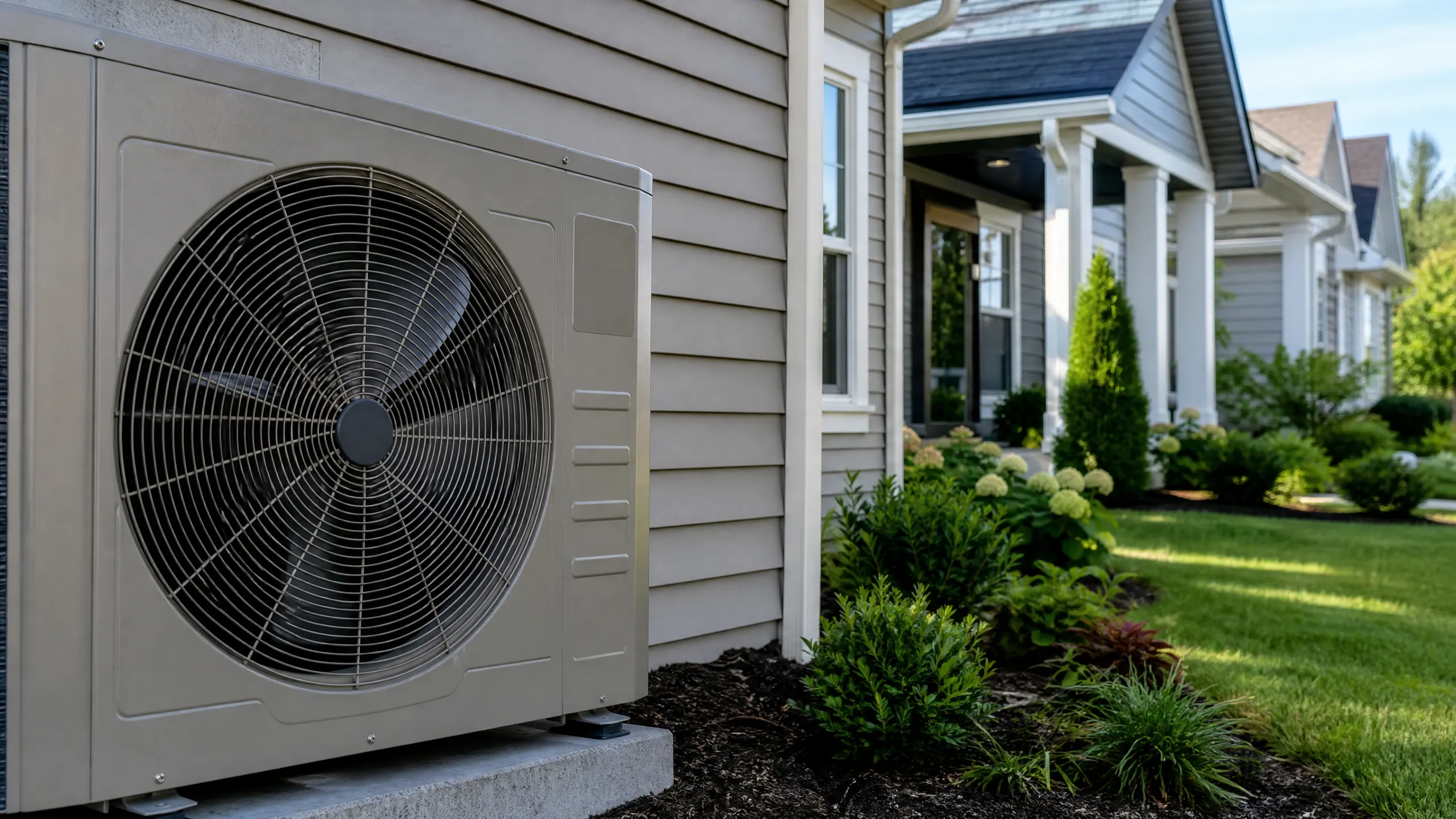






A large outdoor air-conditioning unit mounted beside a vinyl-sided house, surrounded by mulched garden beds and green shrubs.

Heat Pump Repair in Idaho Falls, ID

Tell us about the job

Takes about a minute. No obligation.

RepairHeat PumpBonneville County, ID
Step 1 of 2

What ZIP code is the job in?

Heat pumps here run September through June, about ten months of the year. August is the only real break before the system goes back to work. A part that was already weak tends to show itself in that first cold stretch, once the heat pump is asked to run hard again. A contactor, a capacitor, a sensor on its way out. If yours is short cycling, blowing cool air, or not keeping up once the weather turns, that is worth looking at now rather than waiting. Running it less will not fix a part that is already failing.

10 months
September through June, your system heats
15°F
the average winter night it heats against
77°F
the average summer afternoon it cools against
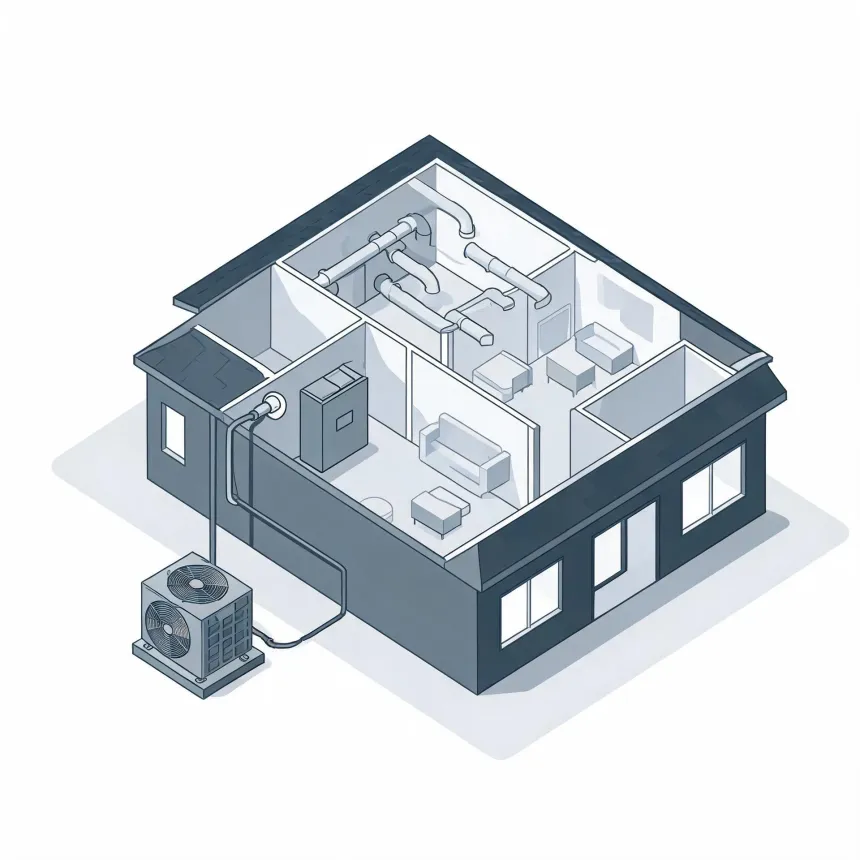
Isometric line illustration of a cutaway single-story house showing interior rooms, ceiling ductwork and an indoor air handler, connected by a line to an outdoor condenser unit on a pad beside the building.

A failing capacitor makes the compressor pull hard on every start.

A compressor run that way long enough will burn out and need a full replacement.

Idaho Falls doesn't push this system any harder than it was built for

Power costs 11.52 cents a kWh statewide
Climate zone 6B
Heat runs September through June
Idaho Falls weather isn't what's breaking your heat pump118 damaging wind events and 157 winter storms in the last decade, and this equipment is built for all of it.

Half the homes in Bonneville County were built in 1985 or later. If yours is one of them, the heat pump itself may not be old at all, even if it's acting up right now. A failing capacitor or contactor doesn't care how new the system is, parts wear out on their own schedule. But a newer system with a bad part is almost always worth repairing rather than replacing. The compressor and coils have plenty of working life left, and a repair gets you back to that rather than starting over.

If your heat pump is newer, get the part fixed

A repair gets a newer system back to work instead of replacing what still has years left in it. Get the broken part diagnosed and fixed.

Find a contractor
A man in a dark cap, gray T-shirt and tan work pants walks up porch steps toward a green front door, carrying a canvas tool bag with hand tools, beside a potted shrub.
A white mini-split heat pump outdoor unit mounted on a concrete pad beside a gray-sided house, surrounded by gravel and green shrubs.

What a heat pump tells you before it fails

Most of what a heat pump tells you comes through sound and feel before it shows up as a failure. A clicking that happens every time it switches from heat to cooling or back is the reversing valve, and once that starts, it tends to get worse, not better. Air coming out of the vents that feels barely warm, or even cool, when it should be heating, often means the system is stuck in the wrong mode or losing refrigerant. Short cycling, where it kicks on and off every few minutes instead of running a full cycle, puts extra strain on the compressor every single time it restarts. Ice building up on the outdoor unit beyond what melts off in a normal defrost cycle means that cycle isn't working right. None of these get better by running the system less. They get worse the longer the part keeps trying to do its job.

Most failures start with one worn part

A contactor pits and burns from months of opening and closing, until it stops making contact. A capacitor loses its charge over time and can no longer give the compressor the kick it needs to start. Either one failing is normal wear, not a sign something else is wrong with the system.
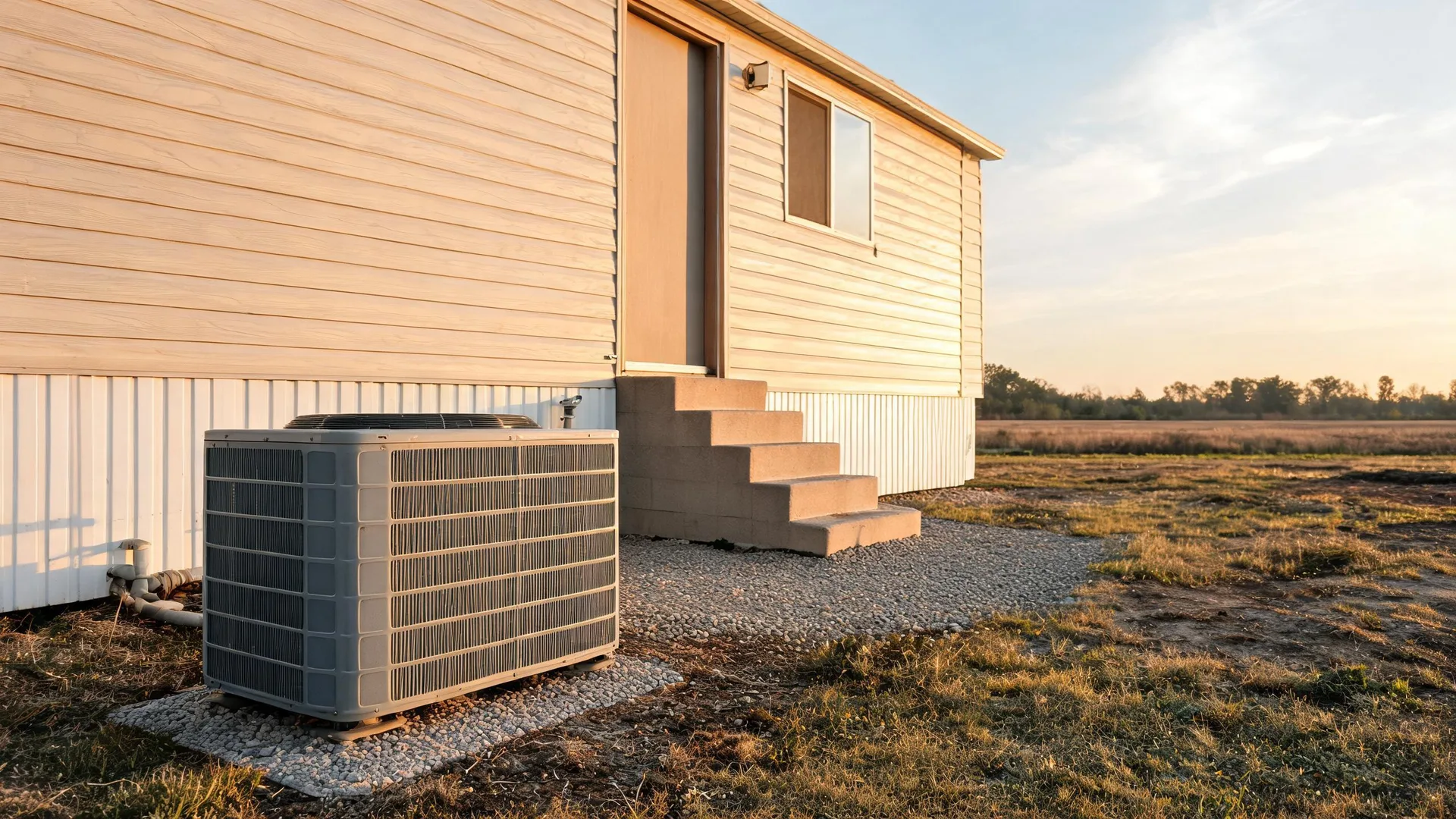
What happens if the part is not replaced

A compressor forced to start without enough capacitance pulls more current than it is built for. It will keep starting that way, a little more strain each time, until the windings burn out and the compressor seizes for good. A new contactor or capacitor is a small job. A new compressor usually means a new outdoor unit.

Before anyone comes out, there are a few things worth checking yourself. Look at the thermostat first. Make sure it's set to heat, not fan only, and that the set temperature is actually above room temperature. Check the breaker for both the indoor air handler and the outdoor unit, since a tripped breaker on either side will stop the system cold. Walk outside and look at the outdoor unit. If it's covered in ice beyond a thin frost, or buried under leaves and debris, clear what you safely can and see if it recovers on its own over the next hour. Check your air filter too. A filter clogged with dust chokes airflow and can make the system struggle or ice up even when every part is working fine. If you've done all that and it's still not heating right, the problem is inside the system, not something a homeowner can safely get at.

A repair is worth it when the compressor and coils are still sound and only one part failed around them. A contactor, a capacitor, a sensor, a reversing valve. Each of those can be swapped out on its own without touching the rest of the system. Replacement makes more sense once the compressor itself is damaged, since that is the part that actually moves the refrigerant and the most expensive piece to replace on its own. Age matters less than what's actually failed. A system that has been maintained and loses a capacitor is a repair. A system where the compressor is already drawing too much current or running hot is closer to the end, no matter how old it is.