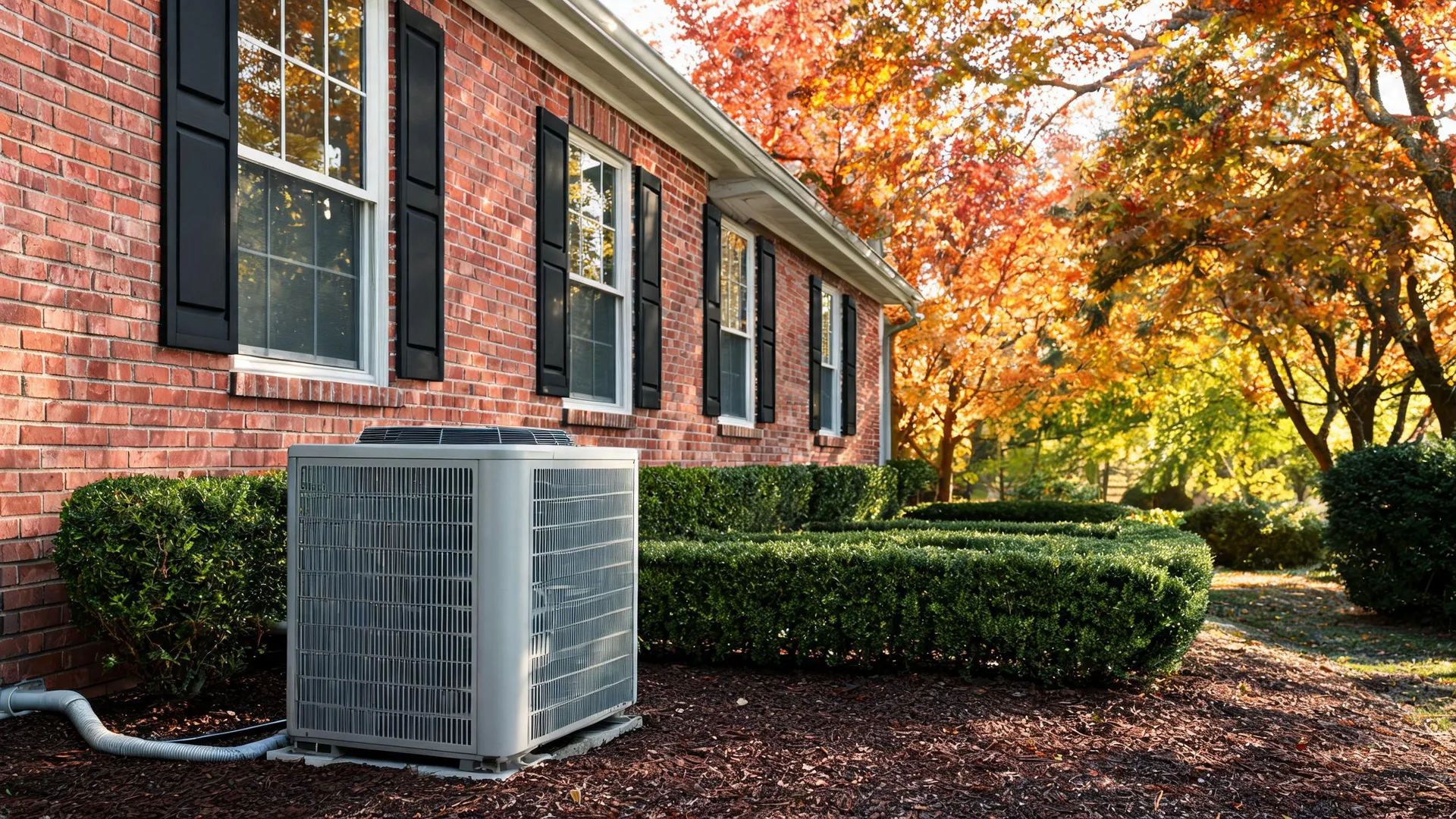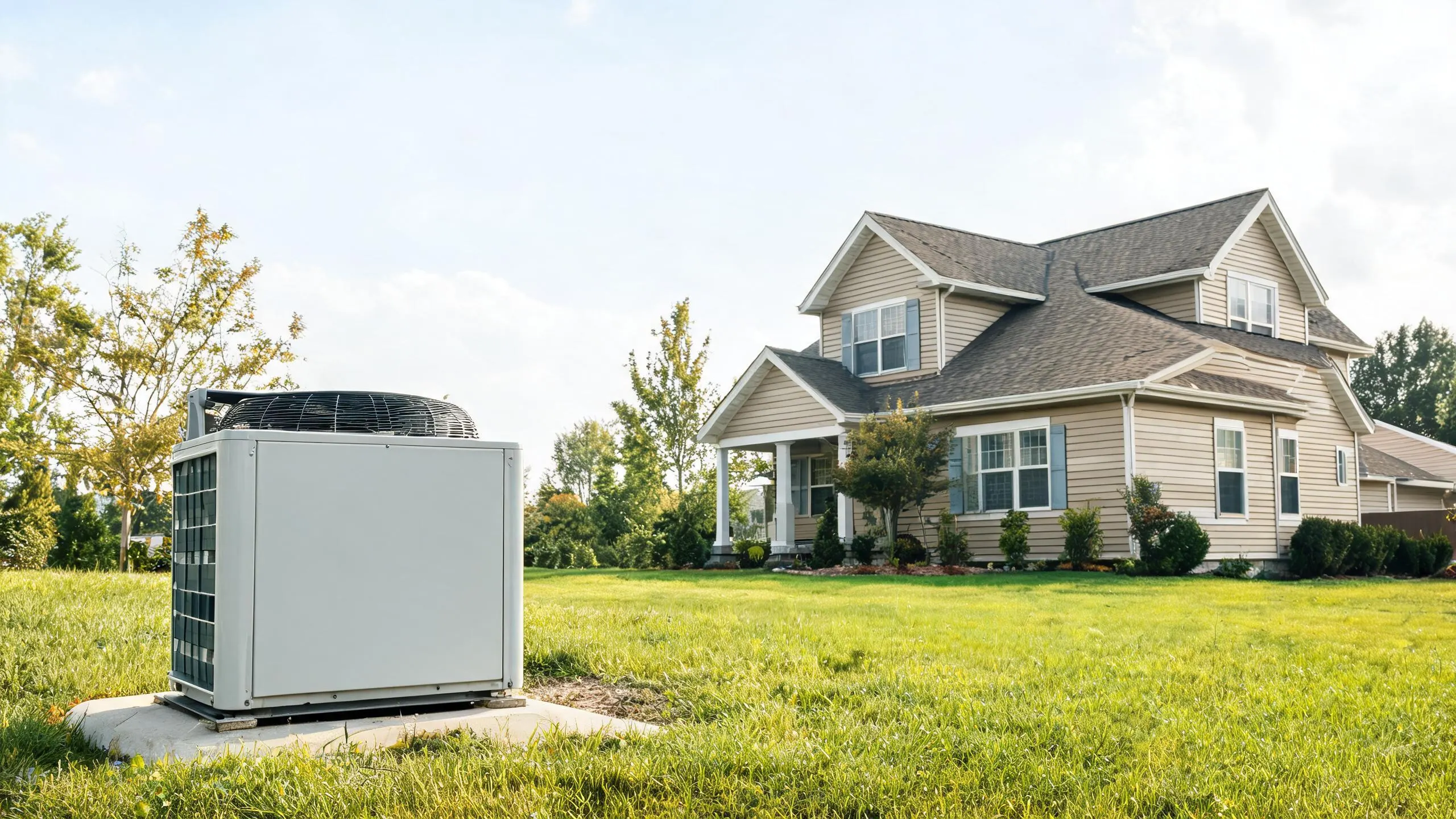
An outdoor HVAC condenser unit on a concrete pad in front of a two-story suburban house.

Heat Pump Repair in Sandpoint, ID

Tell us about the job

Takes about a minute. No obligation.

RepairHeat PumpBonner County, ID
Step 1 of 2

What ZIP code is the job in?

Check the thermostat and the breaker first

Make sure the thermostat is set to heat or cool as needed and the setpoint is actually past room temperature. Then check the breaker panel for the heat pump and the air handler. A tripped breaker or a thermostat bumped into the wrong mode causes calls that look like a failed system but aren't.


Look at the outdoor unit and the filter

Walk outside and see if the outdoor unit is caked in ice, covered in debris, or has something blocking airflow around it. Pull the filter and hold it up to light. A filter you can't see through chokes airflow and can shut the system down on its own safety switch.

10 months
September through June, your system heats
22°F
the average winter night it heats against
75°F
the average summer afternoon it cools against
Isometric line illustration of a cutaway house showing interior rooms with furniture, ceiling ductwork connected to an indoor air handler, and refrigerant lines running to an outdoor condenser unit on a pad.

Winter nights in Bonner County average 22°F, not deep subzero cold.

A heat pump here isn't straining against extreme temperatures year after year, so a repair is usually the right call before replacement.

Weather here is ordinary, so a heat pump repair usually holds up fine

392 severe weather events from 2015 to 2024
11% of homes statewide lost power a day or more in 2024
43 damaging wind events from 2015 to 2024
Get a heat pump checked in August, before Sandpoint turns the heat back onHeat runs from September through June here, about ten months a year, so a weak part gets found fast.

Electricity here runs 11.52 cents a kilowatt-hour, close to the national average. That matters because a heat pump is pulling electricity to do its job every time it runs, in both directions, heating and cooling. A unit that's losing charge or running a weak capacitor has to work harder to hit the same setpoint, and you feel that on the bill before you see it fail outright. None of this is particular to Sandpoint. It's just what a heat pump costs to run anywhere, and a repair here brings that cost back down the same way it would in any other county.

Get it checked before the next cold stretch

Get the system looked at. It hasn't spent years straining against deep cold, so there's a good chance whatever's wrong is a fixable part rather than a worn-out unit.

Find a contractor
A man in a dark cap, gray long-sleeved shirt and tan work pants, seen from behind, carries a worn canvas tool bag up wooden steps toward a green front door flanked by white columns and a potted shrub.
A gray air-source heat pump mounted on a concrete pad next to a house with gray vinyl siding, surrounded by gravel and flanked by green shrubs and white hydrangea flowers.

A newer house usually means a younger system

Half the homes in Bonner County were built in 1990 or later. If yours is one of them, the heat pump probably isn't the original equipment either, and a newer system has more years left to run than an old one does. A few-year-old unit acting up is usually one bad part, not the whole thing wearing out. Worth asking whoever comes out how old the system actually is before anyone brings up replacement.

It's blowing air that isn't the right temperature

A heat pump stuck on one mode, blowing air that feels barely warm in winter or barely cool in summer, usually points to the reversing valve. When that valve sticks, the system runs but can't switch between heating and cooling the way the thermostat is telling it to.

It's short cycling or running without stopping

A unit that kicks on and off every few minutes is usually fighting a bad sensor, a dirty coil, or a refrigerant charge that's too low to satisfy the thermostat. One that never shuts off and still can't reach the setpoint is working against the same kind of problem, just further along.

Most heat pump failures trace back to the refrigerant side or the switch that controls it. The reversing valve is the part that lets a heat pump heat and cool from the same equipment, and it's also the part most likely to stick or leak over time. A low charge shows up as weak heat, weak cooling, or a coil that ices over and stays that way. The other common failure is electrical rather than mechanical. A capacitor that's weakened wears down the compressor or the fan motor it's supposed to start, and either one can fail from being run that way too long. Outdoor coils also take a beating just from sitting outside, and a coil caked with dirt or flattened fins makes the whole system work harder until something gives out. None of this is wear-and-tear in the sense of the unit getting old. These are specific parts failing, and most of them are fixable on their own.

A tech starts at the thermostat and the unit itself, not with guesses. The refrigerant pressures get checked on both the high side and the low side. That reading alone points toward a low charge, a failing compressor, or a stuck reversing valve before anything gets taken apart. The capacitor gets tested under load, because a capacitor can sit there looking fine and still fail to start a motor once it's asked to work. The outdoor coil gets looked over for dirt, bent fins, or ice that isn't melting off. Airflow gets checked too, at the return and the supply side, since a system starved for air throws symptoms that look like a refrigerant problem but aren't. By the end of the visit, the tech should be able to name the one part that's actually failing, not just describe what it's doing.