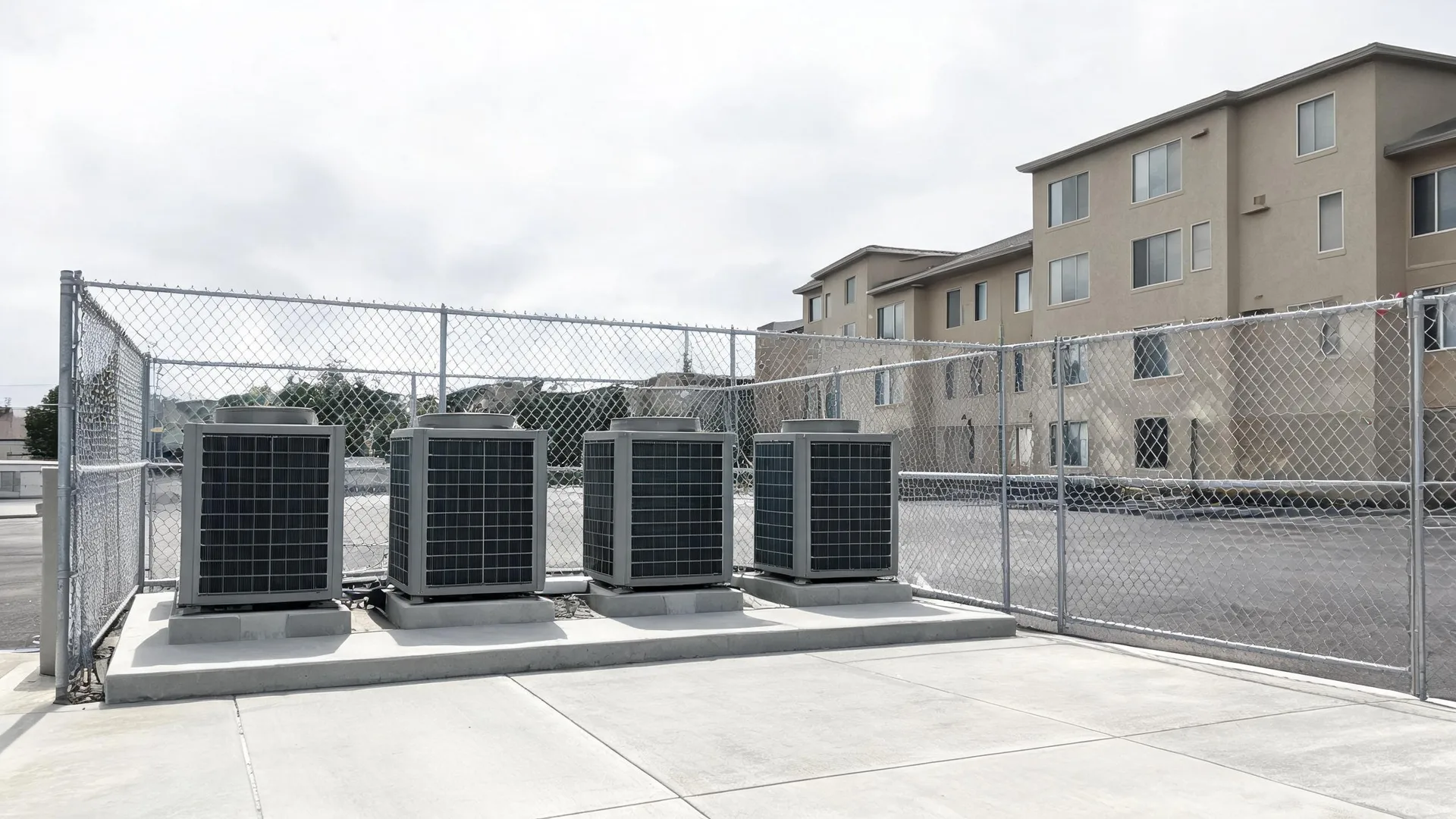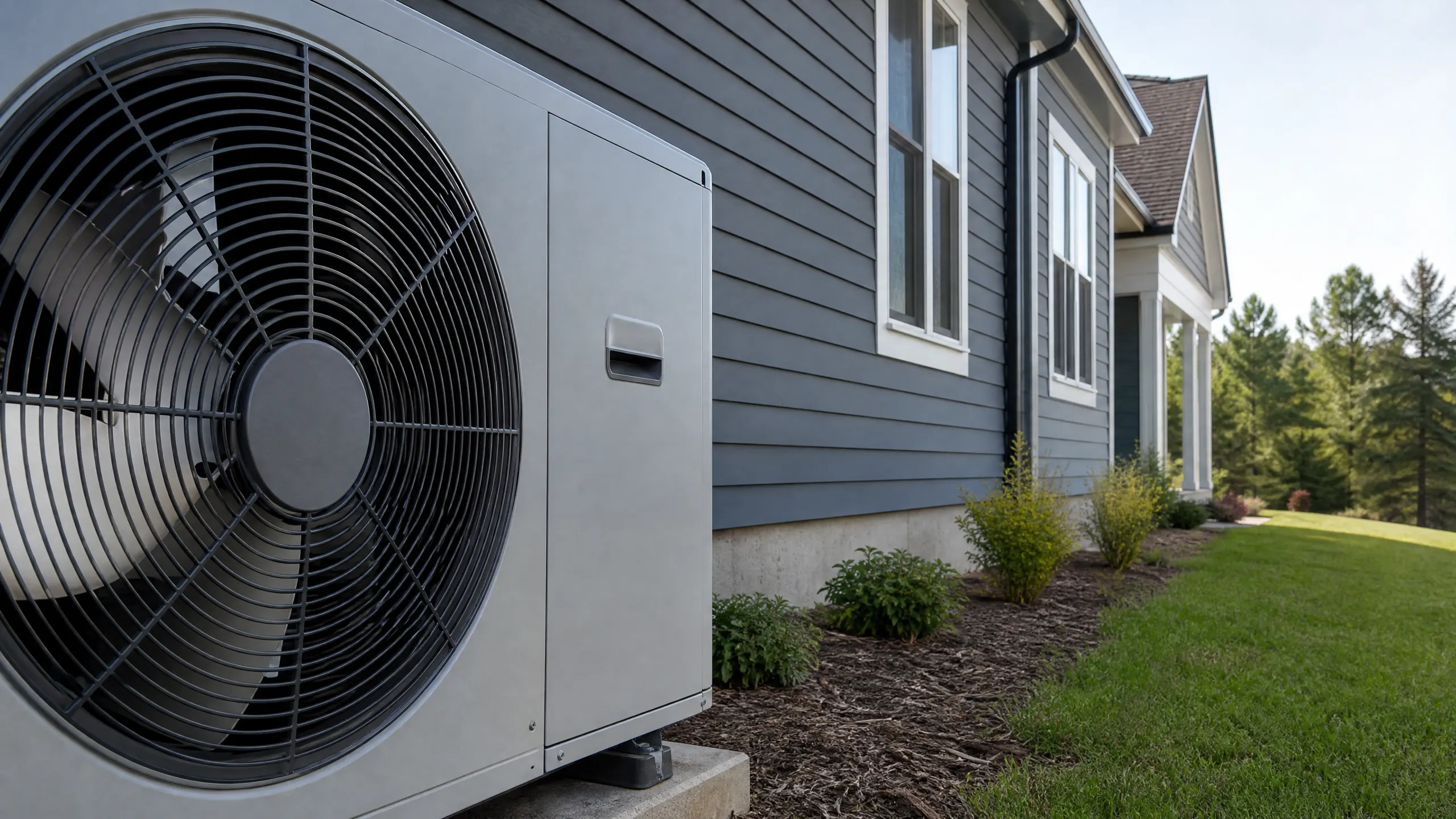
A heat pump outdoor unit mounted on a concrete pad next to the gray-sided exterior wall of a residential house.

Heat Pump Repair in Council, ID

Tell us about the job

Takes about a minute. No obligation.

RepairHeat PumpAdams County, ID
Step 1 of 2

What ZIP code is the job in?

Cold nights, normal work for a heat pump

Winters here average 19°F overnight through December, January and February. A heat pump is built to pull heat out of air that cold, and it will run longer hours to do it. That alone does not mean something is wrong with yours.


What this means for a repair call

If your heat pump is struggling, look at the unit itself before blaming the weather. A frozen coil, a failing defrost board or a low charge will show the same symptoms on a mild night as a cold one. Getting the actual cause right is what makes the fix last.

10 months
September through June, your system heats
1 months
July through July, it cools
19°F
the average winter night it heats against
78°F
the average summer afternoon it cools against
Isometric grey-toned illustration of a cutaway house showing interior rooms, ceiling ductwork and an air handler, connected by lines to an outdoor condenser unit beside the building.
Your system heats September through June and cools July through July.

NOAA nClimDiv, 1991–2020 normals

A heat pump repair almost never means a new heat pump.

Most calls end with a part swapped, a charge corrected, or a sensor replaced, and the system running the way it did before.

Half the homes in Adams County were built in 1986 or later, so the heat pump in yours is probably younger than you think

Half the homes here were built by 1986
48 winter storms from 2015 to 2024
Winter nights average 19°F

Get the usual fix

Nothing about this area is especially hard on it. It's most likely the usual problem with the usual fix.

Find a contractor
A residential heat pump outdoor unit mounted on a concrete pad next to a house with gray vinyl siding.

What all that running time does to it

A heat pump that's starting to fail usually tells you before it quits outright. It runs but blows air that isn't quite warm, or it cycles on and off more than it used to. Frost builds up on the outdoor coil and doesn't clear during defrost like it should. You hear it running almost constantly without the house catching up to the thermostat. Some of this comes down to running hours. The compressor, the reversing valve, the defrost board all wear with use, not with age on a calendar. A unit that's been cycling for months straight has had more chances for a weak capacitor or a sticking valve to finally give out. None of these signs point to a single cause on their own. That's why the fix depends on finding which part is actually behind it, not just treating the symptom.

What you can check yourself

Look at the outdoor unit first. If it's buried in snow or iced over solid, clear it and give it a chance to run a normal cycle before deciding something's wrong. Check the thermostat is set to heat and the temperature is actually set above room temperature. Inside, pull the filter and hold it up to a light. If you can't see through it, swap it or clean it. Walk your breaker panel and check nothing's tripped, both the one for the indoor air handler and the one for the outdoor unit.

What to leave alone

Don't take covers off the outdoor unit or touch anything inside the electrical panel. Don't pour water or chip at ice on the coil, you can bend the fins. If the unit is frosted over, let the defrost cycle handle it or turn the system off and let it thaw on its own. If you smell anything burning or hear grinding or screeching, shut the system off at the thermostat and leave the diagnosis to someone who can open the cabinet safely.

A heat pump that's icing up or short cycling and gets left alone doesn't hold steady. It gets worse. Frost that doesn't clear during defrost builds with each cycle, and a coil that's covered in it pulls less heat from the air, so the system runs longer to make up for it. That extra runtime is what finishes off a weak part. A capacitor that's starting to go will hold on through weeks of normal cycling and fail outright once it's asked to run nonstop. A reversing valve that's sticking occasionally will stick for good. The compressor is the part most likely to take the hit for a problem upstream that never got looked at, and it's not one you want to lose. Shutting the system off when something's clearly off, instead of letting it keep struggling, is usually what keeps a small repair a small repair.

A diagnostic visit starts outside, at the unit itself. A tech will check the refrigerant charge, since a system that's low won't move heat the way it should no matter what else is right with it. They'll pull the cover and look at the capacitor and contactor, the parts that get the compressor and fan running, because a weak one causes exactly the short cycling or hard starting you've probably noticed. The reversing valve gets tested too, since that's the part that decides whether the system is heating or cooling, and a stuck one explains a unit that runs constantly without warming the house. Inside, they'll check airflow across the indoor coil and look at the defrost board and sensor, since a defrost cycle that isn't triggering right is why frost builds up and stays. Each of these tests rules something in or out. By the end, the goal is one clear answer for why it's acting up, not a guess.