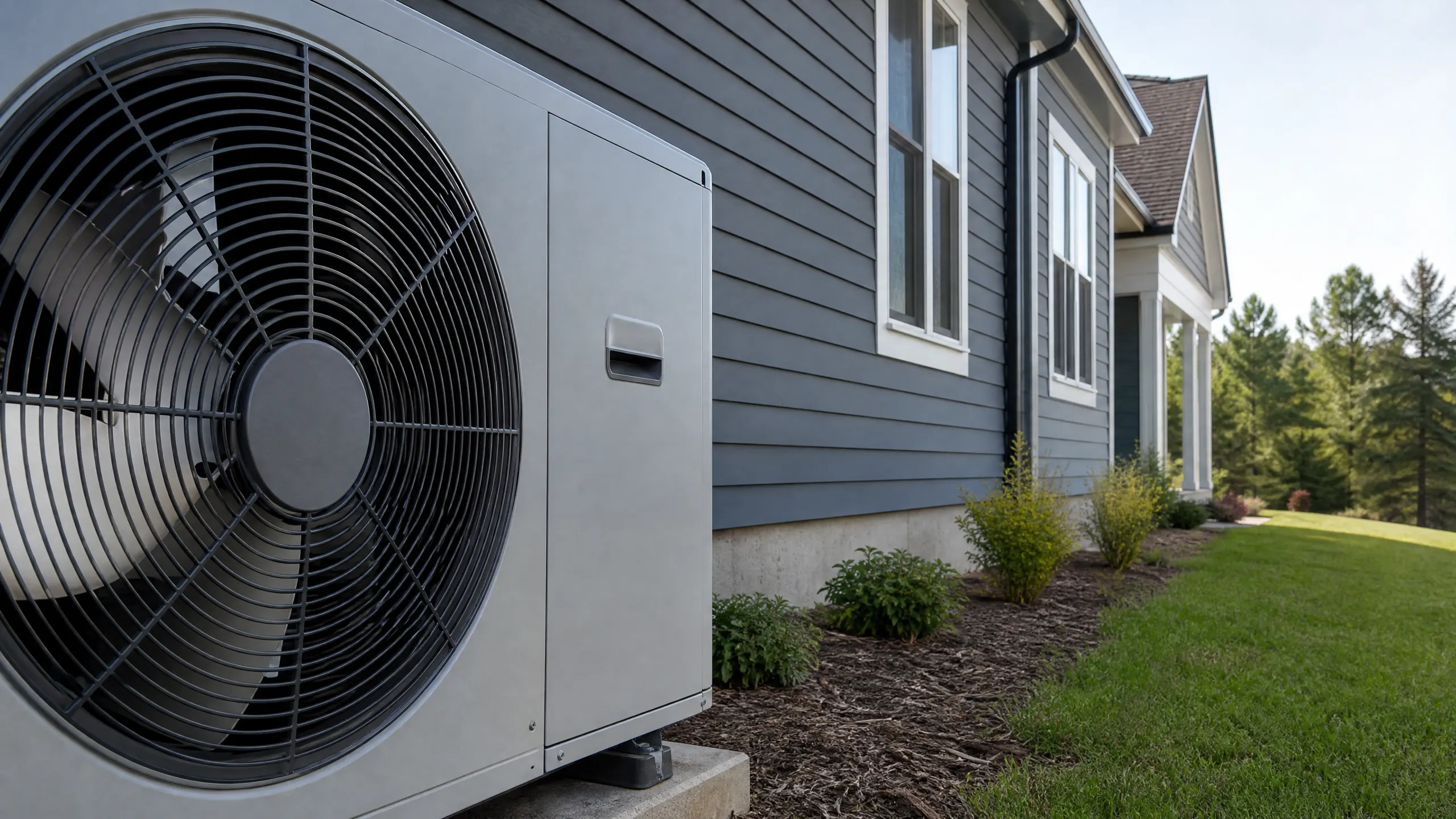





A heat pump outdoor unit mounted on a concrete pad next to the gray-sided exterior wall of a residential house.

Heat Pump Repair in Horseshoe Bend, ID

Tell us about the job

Takes about a minute. No obligation.

RepairHeat PumpBoise County, ID
Step 1 of 2

What ZIP code is the job in?

Heat pumps here run heat from September through June, close to ten months straight, with just July off for cooling. That September switch is when a lot of repair calls come in. The system sat idle through summer, and whatever was already marginal, a weak capacitor, a low refrigerant charge, a contactor with pitted contacts, tends to give out right when it's asked to make heat again. If yours is blowing air that isn't warm, cycling fast, or not kicking on at all this time of year, that's the usual pattern, not a sign something unusual is going on with your system. Getting it looked at in August, before the cold really sets in, means it gets fixed before you're relying on it every day.

10 months
September through June, your system heats
1 months
July through July, it cools
18°F
the average winter night it heats against
78°F
the average summer afternoon it cools against
Isometric grey-toned illustration of a cutaway house showing interior rooms, ceiling ductwork and an air handler, connected by lines to an outdoor condenser unit beside the building.
Your system heats September through June and cools July through July.

NOAA nClimDiv, 1991–2020 normals

Boise County gets cold, with overnight lows averaging 18°F through December, January and February.

A heat pump leaning on backup heat that often needs the backup checked too.

Cold nights and storms here, but nothing that wears out a heat pump faster than normal

Power costs 11.52 cents a kWh statewide
42 winter storms from 2015 to 2024
Winter nights average 18°F

Half the homes in Boise County were built in 1991 or later, so there's a good chance yours is one of them. A heat pump that age hasn't hit the point where parts fail just from wear. If yours is acting up, that points to one thing going bad, not the whole system wearing out. Worth finding out which part it is before anyone talks about replacing the unit.

Find the part that's failing, then fix that

A single bad part is worth tracking down and fixing rather than guessing. Get a diagnosis before anyone brings up replacement.

Find a contractor
A residential heat pump outdoor unit mounted on a concrete pad next to a house with gray vinyl siding.

What to check yourself before the call

Before anyone comes out, there are a few things worth checking yourself. Look at the outdoor unit first. If it's covered in leaves, ice, or packed with debris, airflow is blocked and the system can't move heat the way it should. Clear it off if you can reach it safely. Check your thermostat batteries if it uses them, and make sure it's actually set to heat, not just on. Go to the air filter next. A filter clogged with dust chokes airflow on both sides of the system, and it's the most common reason a heat pump runs but doesn't warm the house. If you can see the filter and it looks gray and packed, swap it. Walk your vents and make sure none are closed or blocked by furniture or rugs. Check your breaker panel too. A heat pump that won't start at all sometimes just needs a tripped breaker reset, and that's a fair thing to try once before assuming the worst. If you reset it and it trips again right away, stop there and leave that one for a tech, since a breaker that won't hold usually means something electrical is actually wrong. None of this tells you what's broken if the simple stuff doesn't fix it, but it rules out the easy answers first.

The reversing valve is the part unique to this system

A heat pump has one part a furnace or straight AC doesn't have. The reversing valve switches the system between heat and cooling. If it sticks, the system can get stuck blowing cold air when it should be heating, or it can run without ever fully switching over. A stuck reversing valve often shows up as air that's warm but never warm enough.
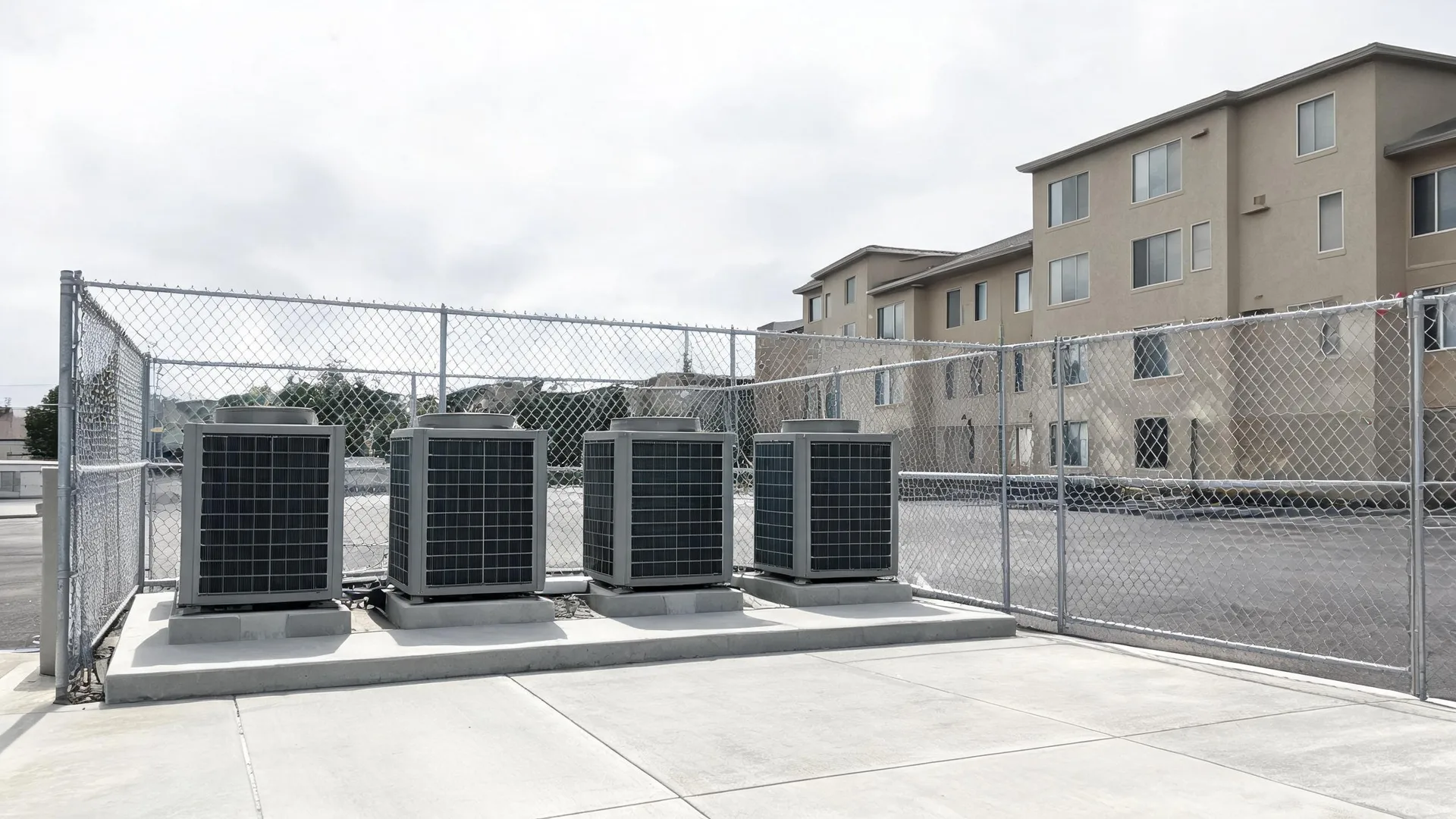
The outdoor coil takes the punishment

The outdoor unit has to pull heat out of cold air, and that means it runs a defrost cycle to melt off frost that builds up on the coil. If the defrost control board or the sensor that tells it when to defrost goes bad, ice builds up and chokes off airflow. A heat pump iced over on the outside is usually a defrost problem, not a sign the whole unit is failing.

Short cycling is one of the clearer signs. The system kicks on, runs for a short while, then shuts off before the house warms up, and keeps doing it. That usually traces back to a sensor misreading the temperature or a limit switch tripping early. Warm air that never gets hot enough is another one. You can feel it moving at the vents, it just isn't doing the job, which often points to the reversing valve or a refrigerant charge that's dropped. A heat pump making a new noise, a hard clank at startup or a steady buzz while it runs, is telling you a motor or a contactor is on its way out. Any of these is worth a call before it quits outright.

A heat pump that's otherwise kept up is usually worth repairing. Most of what fails, a capacitor, a contactor, a sensor, a motor, is a single part doing one job, and replacing that part brings the whole system back to normal. What changes the math is the compressor. It's the one part that's expensive enough and central enough that a bad one often means the unit as a whole is done, not just that part. If a tech tells you the compressor's failed, that's a different conversation than a bad capacitor or a stuck valve. Everything else on the list, the system is built to have fixed over its life.