Running the way it should
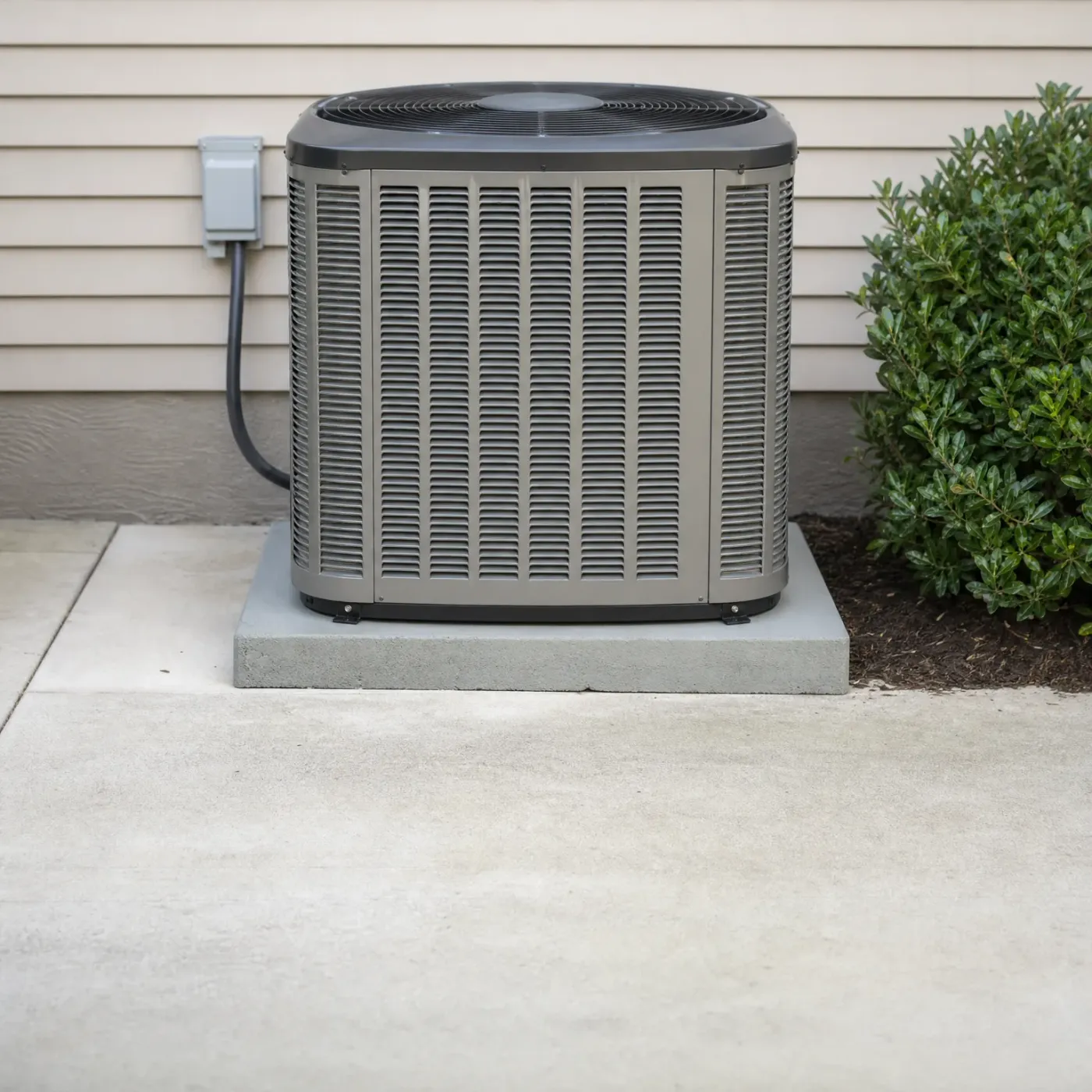
A condenser like this cycles on, runs, and shuts off again, cooling the house without you thinking about it. The lines and conduit stay secure, the pad stays clear, and the unit does its job quietly beside the house.

You walk over to a vent expecting cold air and get room-temperature air instead, right when it's hot outside and the house needs to stay comfortable for everyone in it. It could be a quick fix or something that needs a part replaced, but before anything else you want to know what's actually going on with the unit before you decide what to do next.
Warm air from the vents almost always means the refrigerant cycle has stopped working somewhere, even though the blower is still pushing air through the house. A dirty air filter can choke off airflow enough to cause this. So can a failing capacitor or a low refrigerant charge, which keep the outdoor unit from doing its job even while the indoor fan runs like normal. In Idaho's dry heat, outdoor units work hard for months at a time, and a condenser coil caked with dust or a fan motor that's given out shows up fast as warm air instead of cold. Since gas heat is standard here, your AC is a separate system from your furnace, so the problem is isolated to the cooling side and won't affect how the house heats later in the year.
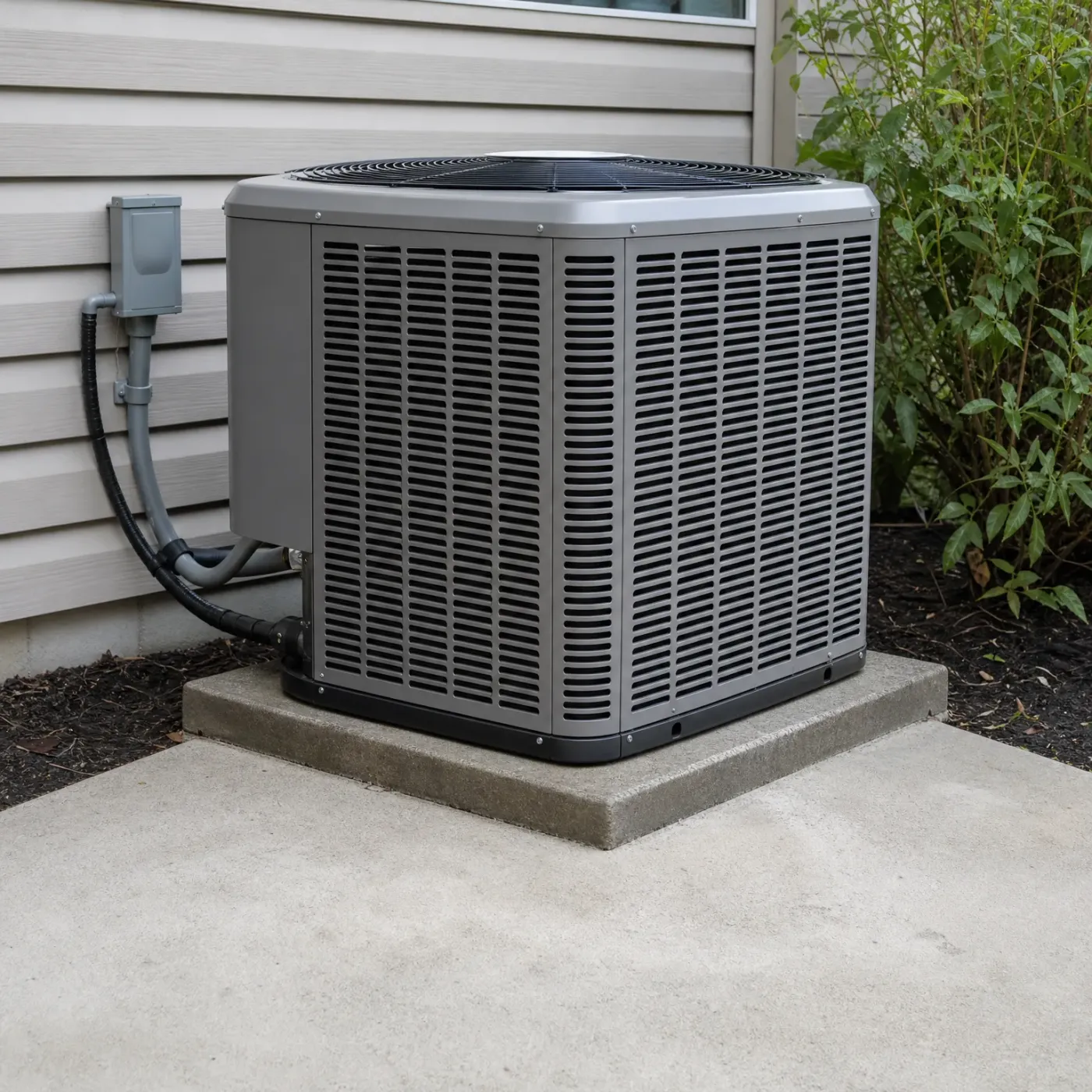
A condenser like this cycles on, runs, and shuts off again, cooling the house without you thinking about it. The lines and conduit stay secure, the pad stays clear, and the unit does its job quietly beside the house.
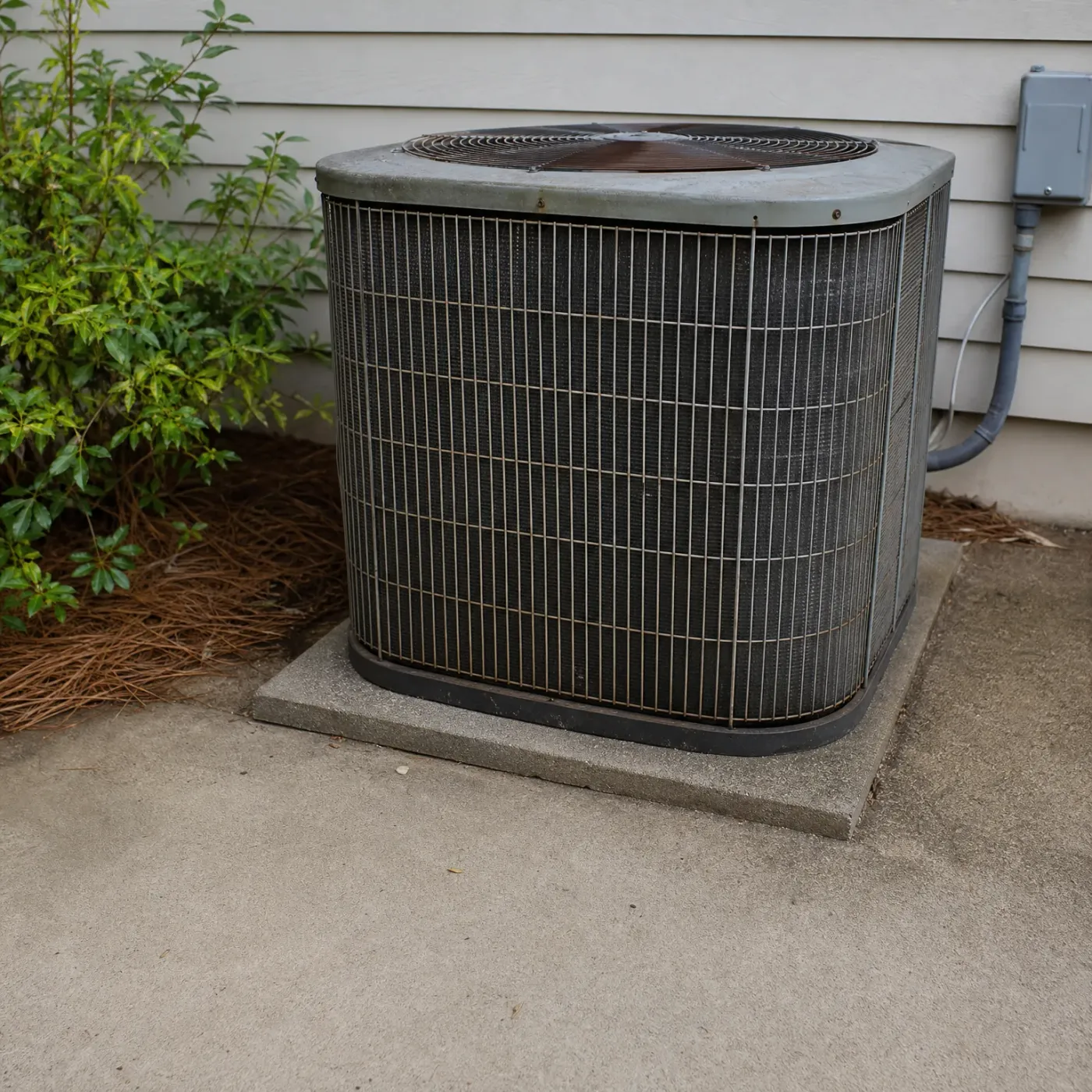
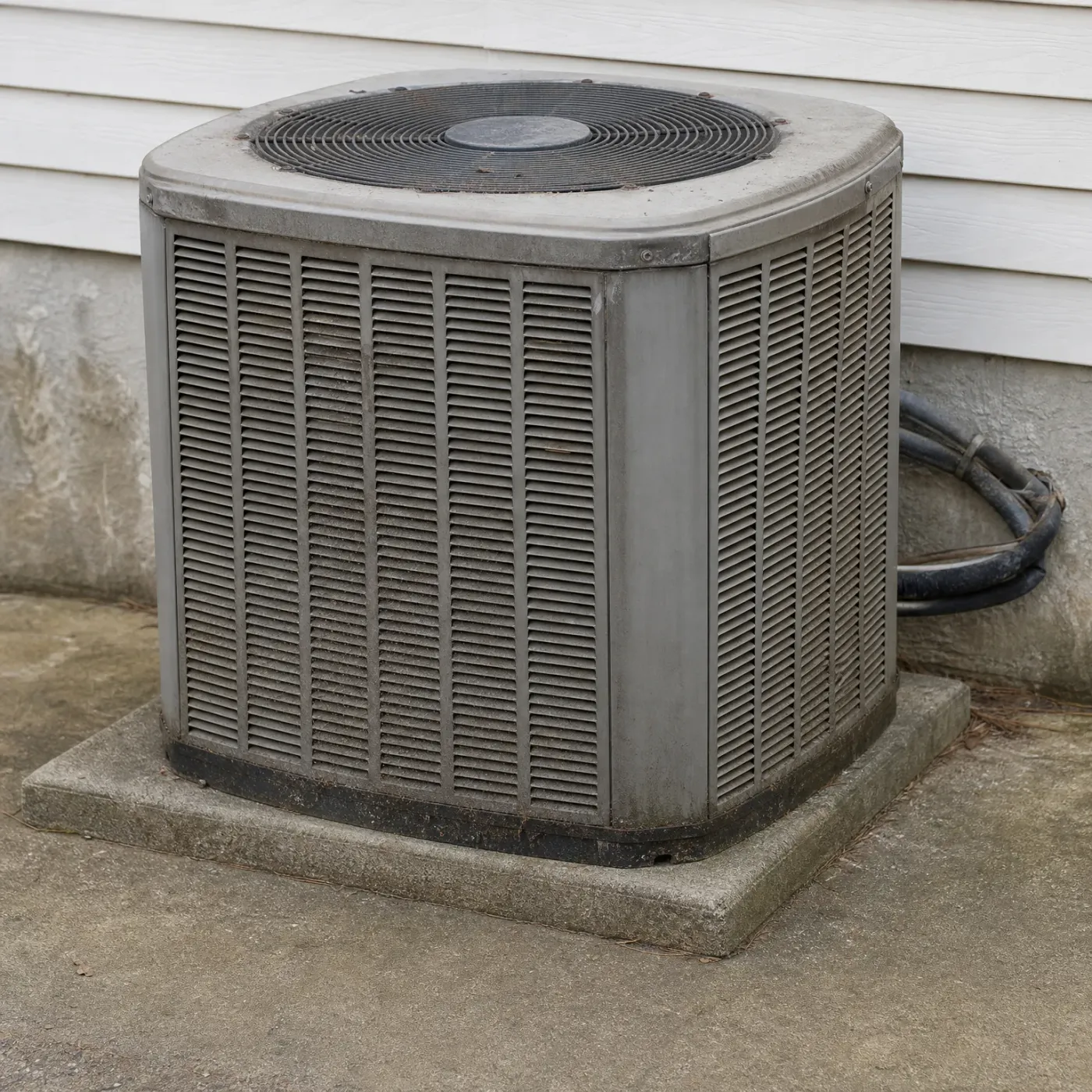
That grille is caked with dirt and weather grime, and dirt packed into the coil behind it blocks the airflow the unit needs to cool the refrigerant. Mulch and shrubs pushed up close only make it worse. A coil that can't shed heat can't send cold air back inside.
Walk the house and check each vent. If air is moving but not cold, the problem is likely with the refrigerant or the condenser outside. If there's barely any air at all, that points to the blower or something blocking airflow, like a clogged filter. Listen at the outdoor unit too. If it's silent when it should be running, or making a new rattle or hum, that's worth noting. In a dry Idaho summer, a system that can't cool the air still keeps running and pulling power, so the bill climbs while the house stays hot. Left alone, warm air blowing can mean a frozen coil or a compressor working harder than it should, and that's a more expensive repair down the line.
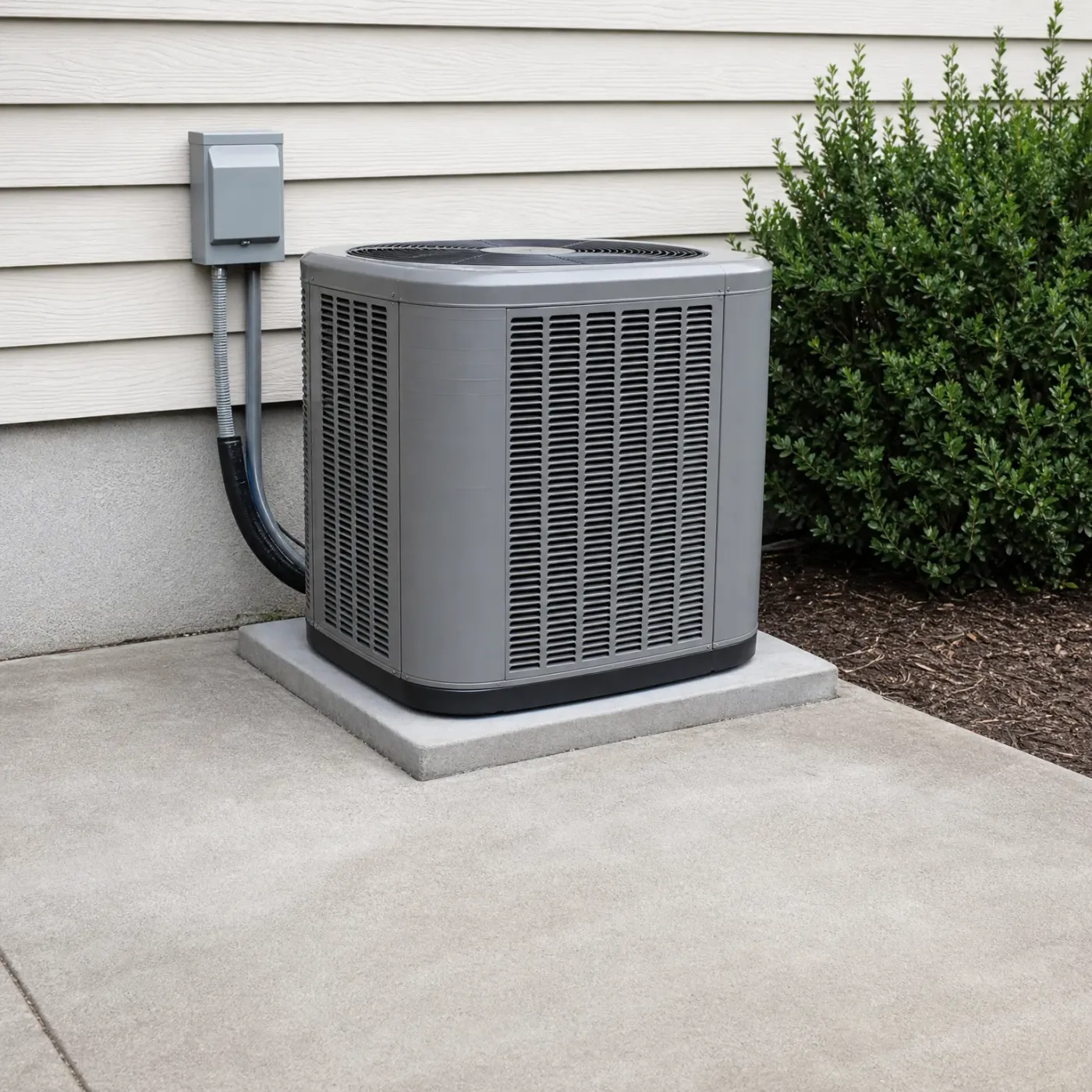
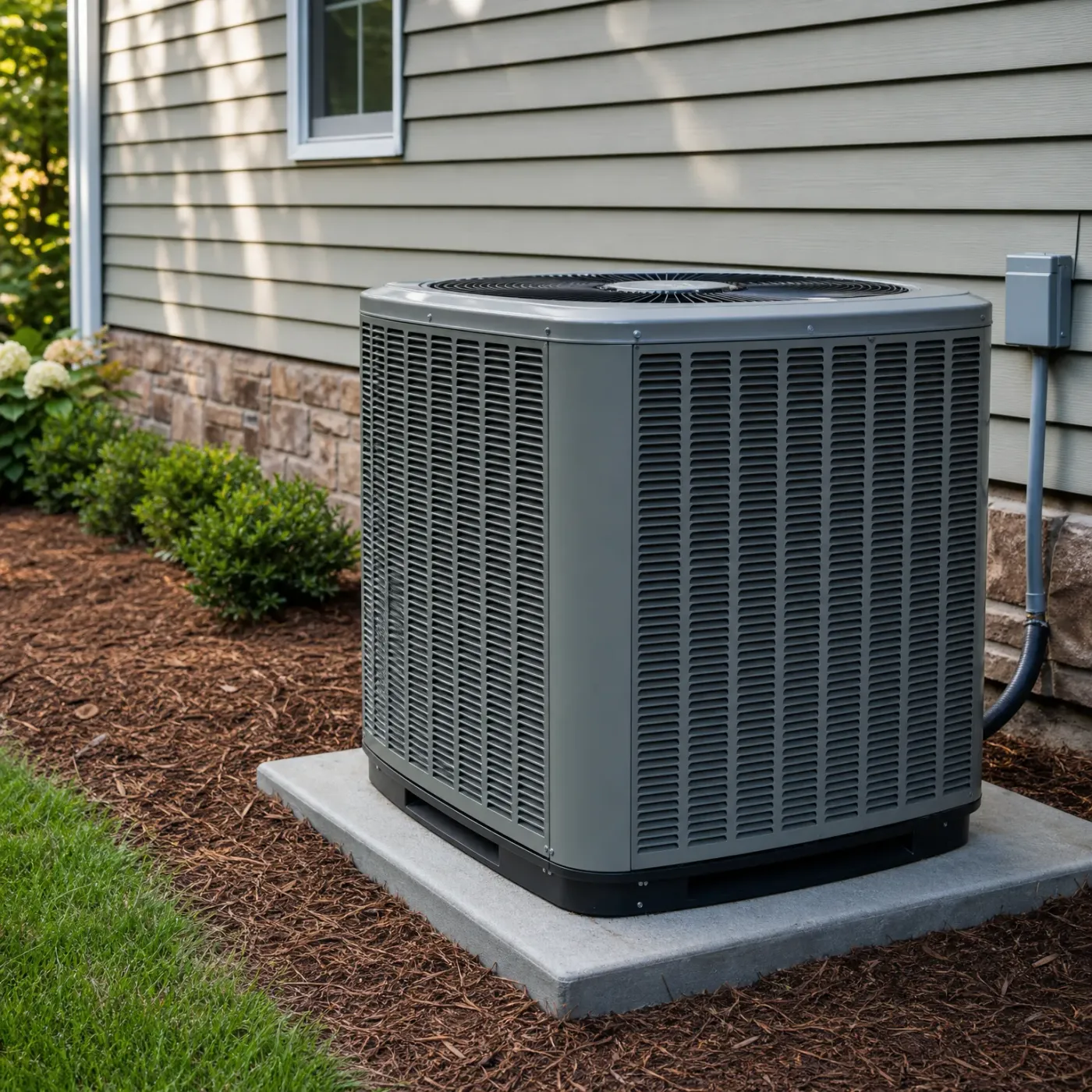
A condenser like this has open fins and a clear cage, with air moving through it freely. Dirt and grass clippings never get the chance to build up. Heat pulls out of the house and off the coil the way it's supposed to, and the unit keeps up even on a hot, dry Idaho afternoon.
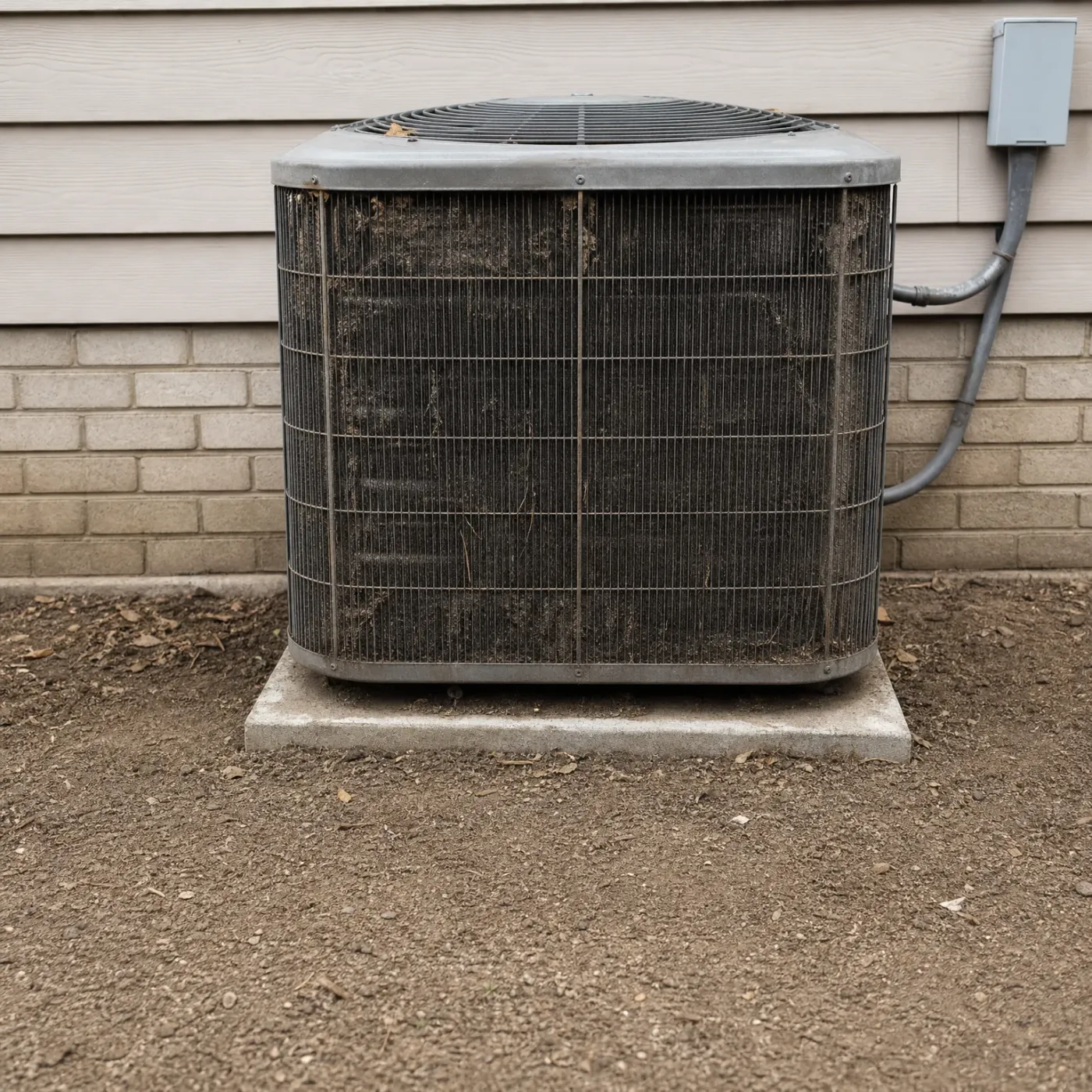
Dirt and debris have packed into the fins and the wire cage, choking off airflow through the coil. The unit can't shed heat the way it needs to, so it runs longer and still falls behind. Left like this, it's a common reason the air coming out of your vents turns warm.




A condenser moves heat from inside the house into the air outside, and in Idaho that air is often in the 90s through July and August. That difference is what the unit has to work against. When the outdoor coil is dirty or blocked, or the refrigerant charge is low, the system has to work harder to move the same heat, and sometimes it can't get there at all. That's when a vent that used to blow cold starts blowing air that's only a little cooler than the room. The hotter the day, the sooner that shortfall shows up at the vent.
Most houses in Idaho heat with gas, which means the furnace and the air conditioner share the same ducts and blower but not much else. A problem with the gas side, like the igniter or the heat exchanger, has no bearing on whether the AC blows cold. If warm air is coming from the vents in summer, the cause is on the cooling side: the refrigerant, the condenser outside, or the electrical parts that run it. Knowing the systems are separate narrows down where a repair actually needs to start.
The pro who reaches out is licensed in Idaho.
Describe what your air conditioner is doing once, in one form.
There's no charge for the request.


The thermostat calls for cooling and switches on the system
The indoor blower pulls warm house air across the evaporator coil
Refrigerant inside that coil absorbs the heat from the air
The compressor pushes refrigerant outside to the condenser coil


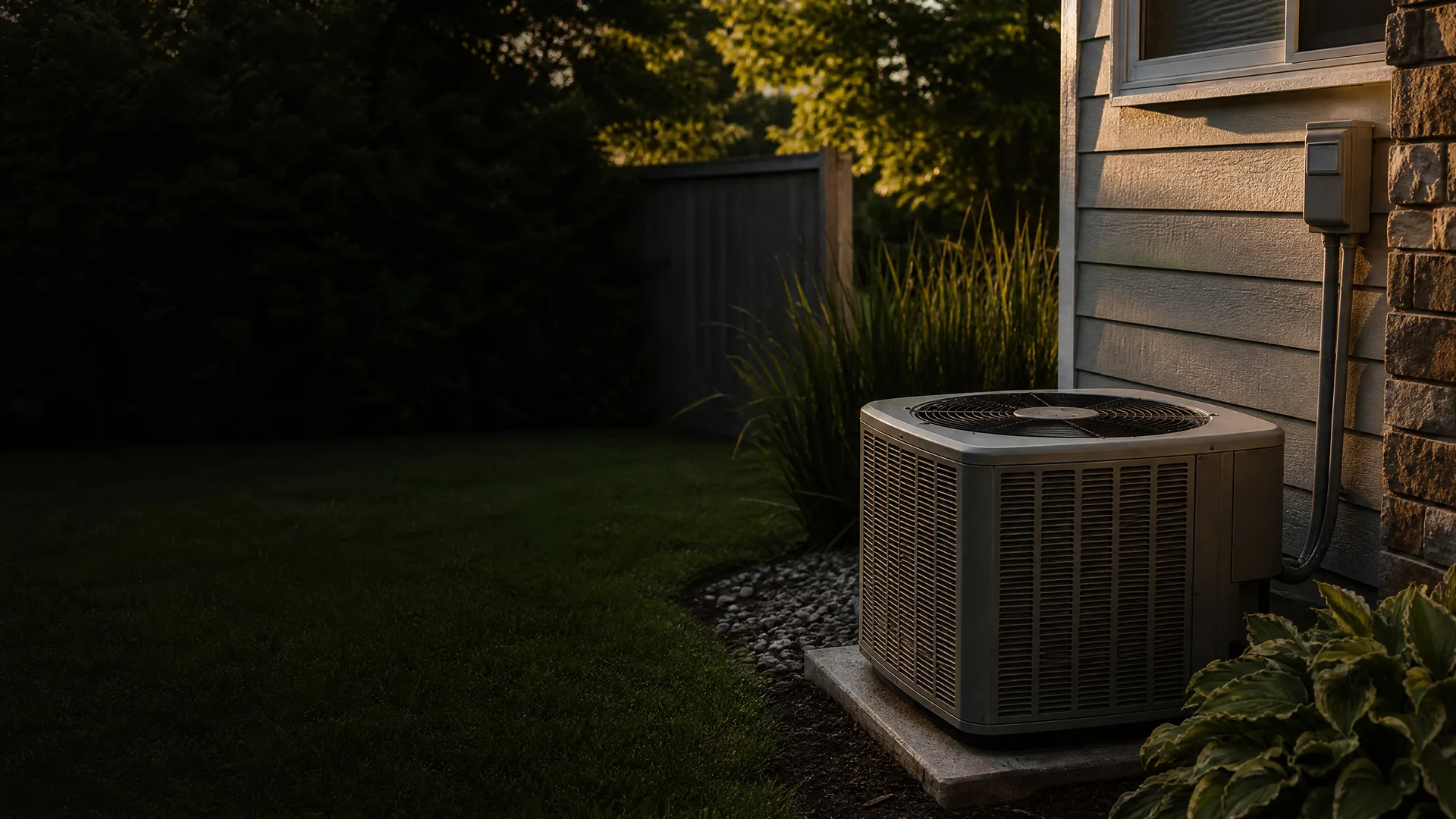
The sun is low over the fence line, that gold it gets around eight in August. You're out back checking the hose and you notice it, the quiet. The condenser should be running, you can usually hear the fan from the patio, but tonight there's just the hum of the compressor and the fan blade sitting still. Inside, your daughter keeps asking why her room is still warm. You crouch down by the unit and the top grille is warm to the touch, air pushing out the sides instead of up through the fan. The house has been holding steat at 80 since dinner, and dry Idaho heat does not let up once the sun's been on the roof all day.
At that rate, running a struggling AC harder than it should work doesn't hit your power bill the way it would in some other states. The cost that matters more is the one you can't see, a compressor working against a dirty coil or low refrigerant until it wears out early.
EIA-861 2025 statewide residential average
Warm air from the vents usually traces back to one of a few places: the airflow across the evaporator coil, the refrigerant charge, or the condenser outside struggling to shed heat in an Idaho summer. Once you know which, the fix follows. Finding a contractor is its own chore though, calling around, explaining the same warm-vent problem to each one, then sitting with a stack of quotes trying to guess who actually knows your system. This connects you with one licensed contractor local to your area, someone who works on air conditioners all season in this heat and has a good sense of what tends to fail first on a condenser that's been running hard since June. No flood of calls from competing companies, no repeating yourself. Just the one contractor, looking at your unit, telling you what it needs.





Only one pro gets your request, so you hear from one company.
You only hire the pro if you want to.