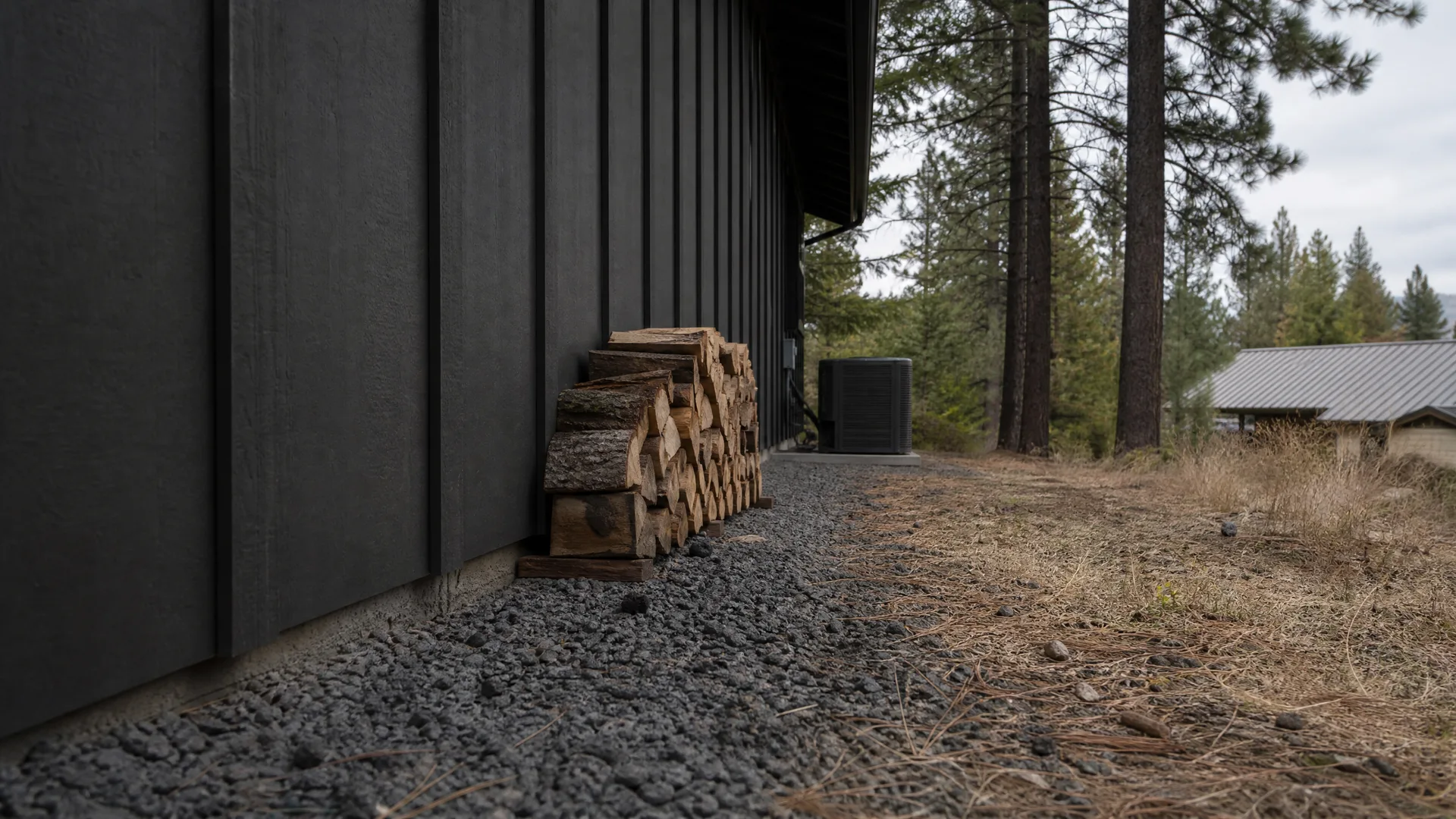


Dark vertical wood siding along the side of a house with a stack of split firewood and an outdoor condenser unit on a gravel strip, with pine trees, dry grass and a metal-roofed outbuilding in the background.

AC Installation in Kamiah, ID

Tell us about the job

Takes about a minute. No obligation.

New system or replacementCentral ACLewis County, ID
Step 1 of 2

What ZIP code is the job in?

Electricity heats close to half the homes in Lewis County, more than any other fuel. Fuel oil or kerosene is a distant second. That matters for an AC installation because most homes already have the electrical setup and ductwork a new system needs to tie into. If your home heats with electricity, adding or replacing central air usually means working with what's already there rather than adding new fuel lines or a different kind of air handler. Homes on fuel oil or kerosene heat may need a closer look at what the ductwork can handle before cooling goes in.

78°F
the average summer afternoon it cools against
10 hail events
in ten years, and hail bends the fins on outdoor coils
13.4 SEER2
the federal minimum any new unit must meet
Isometric line illustration of a cutaway house showing an indoor air handler with branching ducts in the attic space, connected by a line set to an outdoor condenser unit beside the building, with simple furniture in two rooms.
Your air conditioner works hardest from July through August.

NOAA nClimDiv, 1991–2020 normals

Half the homes in Lewis County were built in 1965 or earlier.

A new AC system has to match the ductwork and wiring already in that house, not the other way around.

Power here is cheap, so the priciest, most efficient unit isn't the automatic right call

Power costs 11.52 cents a kWh statewide
Climate zone 5B
Summer afternoons average 78°F

Afternoon highs average 78°F in June, July and August, and the rest of the year asks even less of a system. There's no stretch of hot months here for an air conditioner to grind through. A mid-range unit, properly installed, can handle this load for years without strain. The bigger risk to what you install isn't heat, it's weather. Lewis County has seen 19 damaging wind events over the past decade, so how the outdoor unit is built and where it sits matters more than chasing the highest efficiency rating.

Any new AC here has to clear 13.4 SEER2

Lewis County falls in climate zone 5B, where heating carries the bigger load, and any split-system air conditioner under 45,000 Btu/h made from 2023 onward has to meet 13.4 SEER2 at minimum. That rule narrows the field before you even start comparing units. A federal tax credit is available on qualifying equipment, worth factoring in alongside the efficiency minimum.

Find a contractor
A gray residential air conditioner condenser unit mounted on a concrete pad in an open grass field.

A light workload, year after year

No month here puts real hours on a system. With highs around 78 in summer and nothing demanding the rest of the year, an air conditioner installed now will run light for as long as it's in the house. That favors picking a unit built to hold up outdoors, since wind is what it will actually contend with, over paying more for a efficiency rating the load here never calls for.

Sizing is a calculation, not a guess from square footage

A contractor works out the right size with a room by room load calculation that accounts for window area, insulation, ceiling height and which way the house faces. Homes that look alike from the street can still need different size units. Going by floor space alone, or just matching the old unit, skips the parts of that math that actually change the answer.

The wrong size shows up in comfort, not in a warning light

An oversized unit cools the air fast and shuts off before it pulls the moisture out, so rooms feel clammy even at the right temperature on the thermostat. It also cycles on and off more, which wears the compressor harder over time. An undersized unit just runs long and never quite catches up on the hottest afternoons. Either way, nothing alerts you. The house just doesn't feel right.

An outdoor air conditioning condenser unit positioned on a concrete pad next to a blue-sided house, surrounded by green shrubs and flowering hydrangeas at sunset.

Going above the federal minimum saves little here, about $0 a year.

  • A new unit at the federal minimum, 13.4 SEER2$60 a year
  • A higher-efficiency unit$60 a year

Estimates for a typical Lewis County home, from EIA household energy data, Idaho fuel prices and NOAA climate normals. Your home will differ.

Installation starts with disconnecting and draining the old system, then pulling the indoor coil and outdoor unit out together, since one is sized to the other and swapping just one piece rarely works. The line set connecting them gets replaced or flushed, because old refrigerant oil and debris left behind will contaminate the new system. Once the new coil and condenser are set, the crew checks the ductwork for leaks at the joints and connections, since a new system pushing air through leaky ducts never performs the way it's rated to. The refrigerant lines get evacuated with a vacuum pump to pull out moisture and air before any refrigerant goes in, a step that protects the compressor down the road. Last comes the charge itself, weighed in to the manufacturer's spec rather than eyeballed, and a check of airflow at the vents to confirm the blower is moving what the system needs.