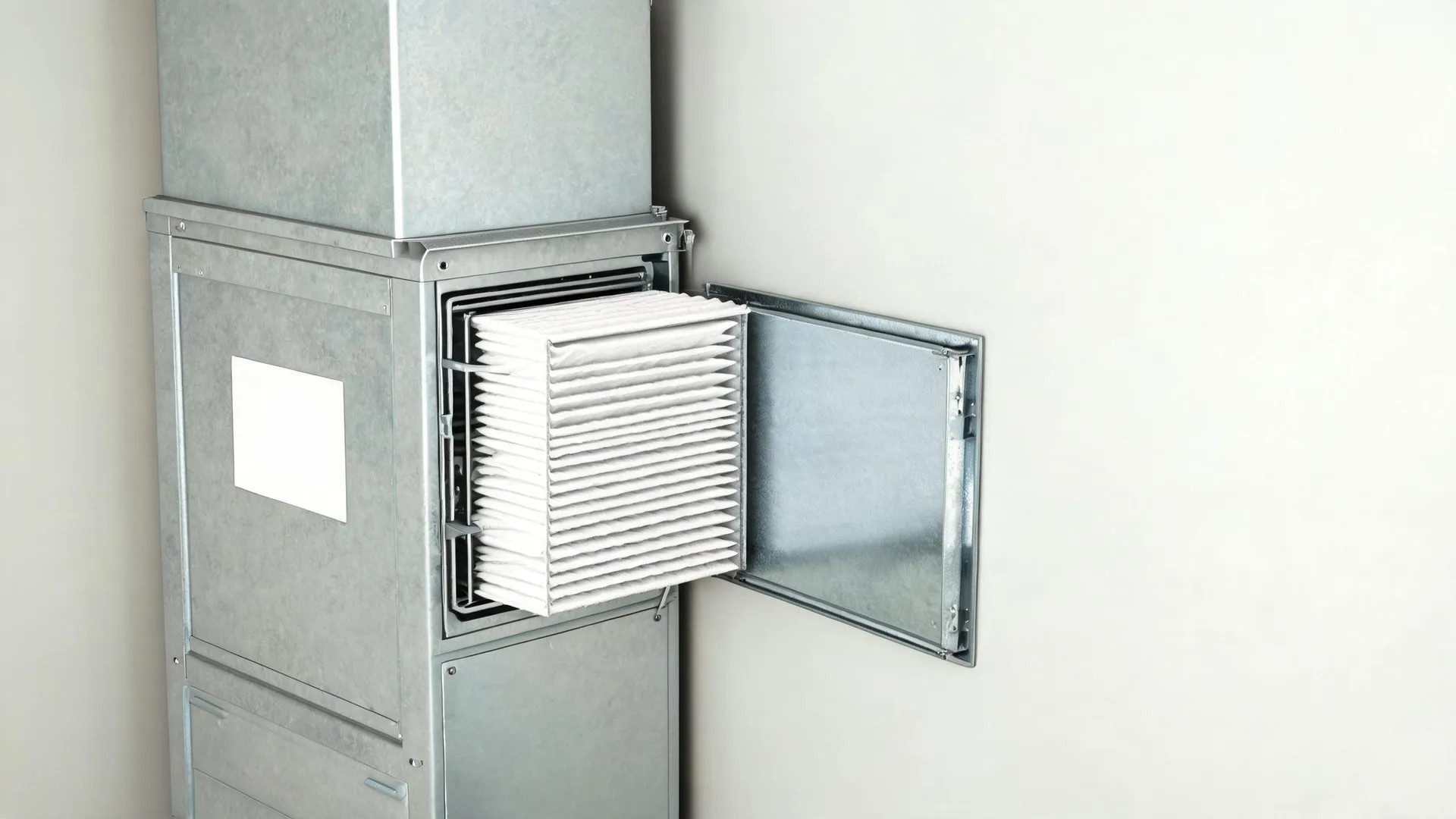
Most furnaces here run on gas
Utility gas heats 47.9% of homes in Jefferson County, more than any other fuel. Electricity comes next at 25.0 percent, with propane heating 18.4 percent of homes.
Takes about a minute. No obligation.
Utility gas heats 47.9% of homes in Jefferson County, more than any other fuel. Electricity comes next at 25.0 percent, with propane heating 18.4 percent of homes.
If your furnace runs on gas or propane, the new AC unit works alongside it, sharing the ductwork and the air handler. The install is about matching the right coil and condenser to that existing setup, not replacing it.

NOAA nClimDiv, 1991–2020 normals
Cooling in Jefferson County runs July through August.
June is the month to get a new AC installed, before the first hot stretch asks something of it.



Cooling only runs two months a year here, July and August, with afternoon highs averaging 83°F. That's not the kind of heat that works a condenser hard. The rest of the year it sits idle. So the system doesn't need to be the most efficient one on the shelf, just sized right and put together well. Wind is the bigger factor to plan around here. A unit set and mounted properly will hold up fine against that two-month stretch of real work.
Jefferson County falls under zone 6B, and any split-system AC under 45,000 Btu/h built since January 2023 has to meet a federal minimum of 13.4 SEER2. That sets the floor for what a contractor can install. There's also a federal tax credit available for qualifying high-efficiency equipment, worth checking into before the unit is picked.
Find a contractorTwo months of real work a year is not much to ask of a condenser. The rest of the time it just sits there. Given that, the install is worth putting money into good mounting and a solid pad rather than chasing the highest efficiency number on the shelf. A unit that's set level, secured well, and matched right to the ductwork will handle those July and August afternoons without issue for years.
Refrigerant has to be recovered from the old unit before it can be cut loose and removed. A licensed contractor handles that as part of the job, along with disconnecting the electrical whip and capping or reusing the line set. The old pad usually stays unless it's cracked or sized wrong for the new unit.
The evaporator coil sitting in the air handler or on top of the furnace gets swapped along with the outdoor unit, not left in place. Mismatched coils and condensers cool poorly and strain the new compressor. If the old coil stays, it should only be because a contractor confirmed it matches the new system.
Estimates for a typical Jefferson County home, from EIA household energy data, Idaho fuel prices and NOAA climate normals. Your home will differ.
Most of the day belongs to the line set and the ductwork, not the condenser itself. A contractor sets the new pad or checks the old one for level first, since a unit sitting crooked wears its compressor unevenly over the years. Then the old line set gets evacuated, cut free, and either reused or replaced, and new connections get brazed and pressure tested before any refrigerant goes in. Inside, the coil gets swapped and sealed to the ductwork so air isn't leaking around it. The whole system gets charged to the right refrigerant level, not just filled, and that charge is checked against the manufacturer's spec rather than guessed at. Only after all of that does the contractor run it, check the temperature split at the vents, and walk through the thermostat with whoever's home.