






Aerial view of a gray outdoor air conditioning condenser unit mounted on a concrete pad next to a house with vinyl siding.

AC Installation in Rexburg, ID

Tell us about the job

Takes about a minute. No obligation.

New system or replacementCentral ACMadison County, ID
Step 1 of 2

What ZIP code is the job in?

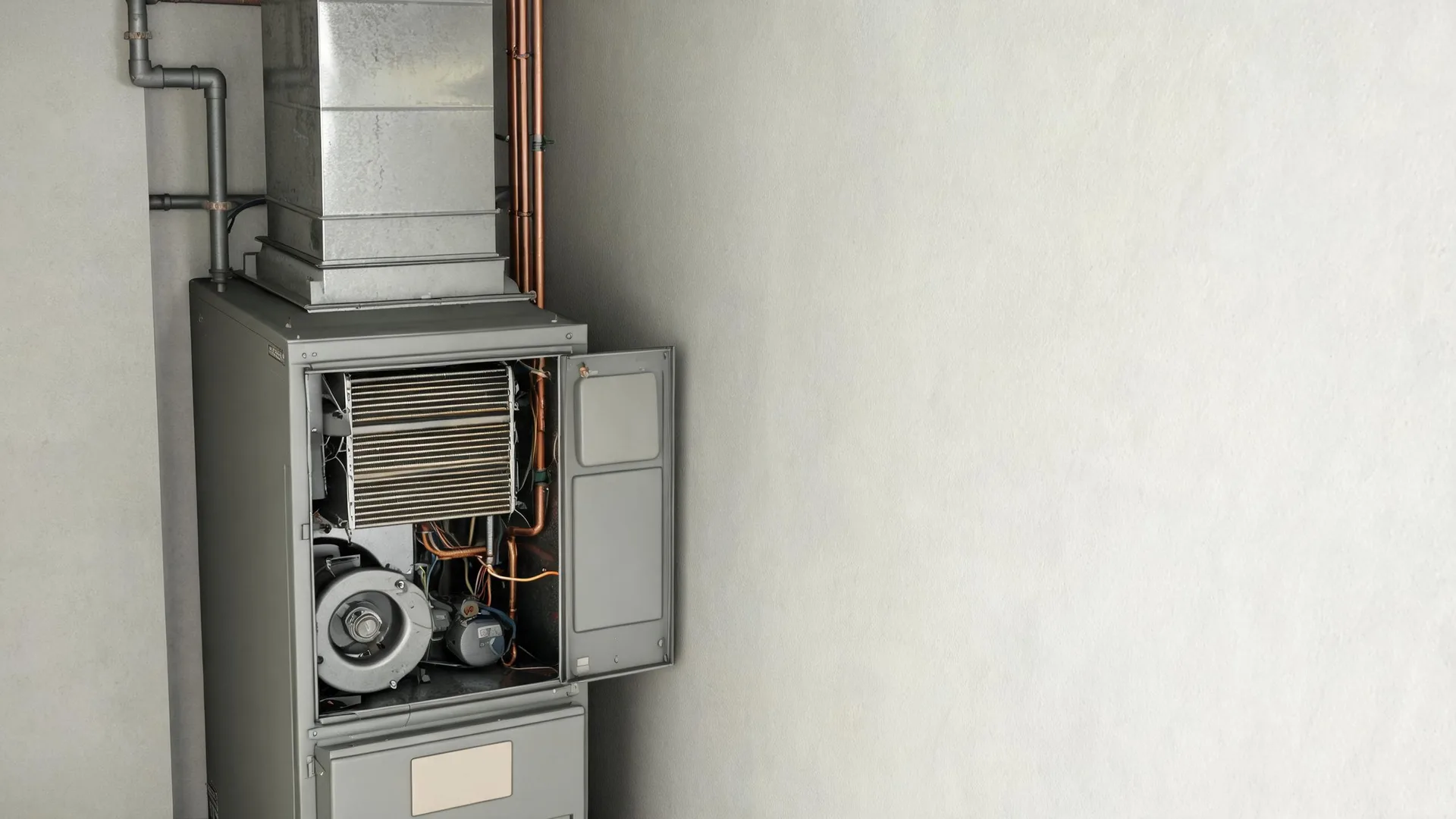
Most homes in Madison County heat with utility gas, 54.3 percent of them. That means most houses here already have a gas furnace and a duct system in place, and putting in central air usually means adding an outdoor condenser that ties into that existing ductwork and furnace blower. The furnace still handles heat. The new unit only has to handle cooling. Electricity heats 34.8 percent of homes here, and those setups may already be built around a heat pump or an air handler made for electric coils, which changes what the new equipment has to match. Whatever is heating your home now is where an installer starts when sizing what goes in for cooling.

1 months
July through July, your air conditioner is on duty
79°F
the average summer afternoon it cools against
5 hail events
in ten years, and hail bends the fins on outdoor coils
13.4 SEER2
the federal minimum any new unit must meet
Isometric line illustration of a cutaway single-story house showing interior rooms, attic ductwork and an air handler, connected by a line to an outdoor condenser unit on a pad.
Your air conditioner works hardest from July through July.

NOAA nClimDiv, 1991–2020 normals

Idaho electricity ran 11.52 cents per kilowatthour in 2024, cheaper than most of the country.

A high-SEER2 system costs more up front and takes longer to earn that back here, so pick the one that fits your ductwork and will hold up, not just the one with the best rating.

One month of real work a year

Cooling runs July through July
Summer afternoons average 79°F
60 damaging wind events from 2015 to 2024

Madison County sits in climate zone 6B, a cold zone with a long winter. Any split-system air conditioner under 45,000 Btu/h put in now has to meet 13.4 SEER2 at minimum, if it was built from 2023 on. That applies no matter what the old unit was rated. It narrows the field some, but most residential systems sold today already clear that number. A federal tax credit is available for qualifying equipment, so it's worth asking an installer which units on their list meet it before you decide.

Put it in before June closes out

July is the only month this system has to work. Get it installed before then and it goes in on a normal schedule, with time to size it right for your ductwork and furnace blower. Wait until July and you're asking for the same job in the one month everyone else needs it done too.

Find a contractor
A man in a cap, dark long-sleeve shirt and tan work pants walks up porch steps toward a green front door, carrying a worn canvas duffel bag, with a potted shrub and wall lantern beside the entry.
A gray metal air conditioning condenser unit mounted on a concrete pad in a flat grassy field under a partly cloudy sky.

Not much of a workload to design around

Afternoon highs here average 79 across June, July and August, and July is the only month this system runs. That is not a heavy load to size for. A straightforward unit that matches your ductwork and furnace blower will keep up fine. You don't need to pay for the highest SEER2 rating on the lot. Put the money into a unit that is sized right and installed clean, since that is what decides whether it holds up, not the rating on the sticker.

The ductwork decides more than the unit does

If the existing ducts are undersized or leaky, an installer has to fix or resize them before the new condenser can perform the way it's rated to. That work costs more than the equipment swap itself in some homes and less in others, but skipping it means the system never cools evenly no matter what's sitting outside.

Where the condenser sits and how far it runs

The line set between the outdoor condenser and the indoor coil has to be run through a wall or up from the basement, and the path it takes changes how much labor goes into the job. A straight run is simple. One that has to thread around framing or finished space takes longer and costs more, regardless of which unit gets installed.

Aerial view of a gray central air conditioning condenser unit on a concrete pad next to a house with vinyl siding.

Going above the federal minimum saves little here, about $10 a year.

  • A higher-efficiency unit$50 a year
  • A new unit at the federal minimum, 13.4 SEER2$60 a year

Estimates for a typical Madison County home, from EIA household energy data, Idaho fuel prices and NOAA climate normals. Your home will differ.

If this is an add-on to an existing furnace setup, there usually isn't an old cooling system to deal with, just the furnace staying put and a new line set and condenser going in alongside it. If there's an old air conditioner coming out, the refrigerant inside has to be recovered before anyone touches the lines, not vented, because it's against the law to release it into the air. The old condenser and coil get disconnected and hauled off once that's done. The line set sometimes gets reused if it's the right size and in good shape, but often it's easier to run new line than to flush and pressure-test the old one. The pad under the old unit usually stays and the new condenser sits on it, unless it's cracked or sized wrong for the new equipment.