





A twilight street scene featuring illuminated timber-frame and stone houses with a mountain range visible in the background.

AC Installation in Mountain Home, ID

Tell us about the job

Takes about a minute. No obligation.

New system or replacementCentral ACElmore County, ID
Step 1 of 2

What ZIP code is the job in?

Gas heats more homes in Elmore County than anything else, 53.4 percent. Electricity comes next at 33.5 percent, and a smaller share run on bottled or LP gas. For AC installation, that gas number points to what's probably already in place, a gas furnace with ductwork sized to move air through the house. Adding central air to that setup usually means matching a new outdoor unit and coil to the existing ductwork and furnace blower. A home that heats with electricity instead, through a heat pump or electric furnace, gives a contractor a different starting point for sizing the system.

2 months
July through August, your air conditioner is on duty
83°F
the average summer afternoon it cools against
4 hail events
in ten years, and hail bends the fins on outdoor coils
13.4 SEER2
the federal minimum any new unit must meet
Isometric line illustration of a cutaway house showing interior rooms with furniture, ductwork leading to an indoor air handler, and an outdoor condenser unit connected by a line set.
Your air conditioner works hardest from July through August.

NOAA nClimDiv, 1991–2020 normals

Elmore County only needs AC for July and August, with afternoon highs averaging 83 degrees.

Two months of work a year is a light load, so a solid mid-range unit holds up fine here without paying for top-tier efficiency.

June is the month to get this done, before cooling starts in July

Cooling runs July through August
Summer afternoons average 83°F
36 damaging wind events from 2015 to 2024

Electricity in Idaho ran 11.52 cents per kilowatthour in 2024, cheap compared to a lot of the country. That changes the math on which unit makes sense here. A high-SEER2 system costs more to buy, and with power priced this low it takes a lot longer to earn that money back. A mid-range unit sized right for your house and ductwork will cool it just as well. Put the money into getting the system sized and installed correctly instead of chasing a rating that does not mean much on a bill this size.

Any new system here has to clear 13.4 SEER2

Elmore County falls under zone 5B, and any split-system air conditioner installed since January 2023 has to meet a federal minimum of 13.4 SEER2. That sets the floor for what a contractor can put in. There's also a federal tax credit available for qualifying equipment, worth asking about when you're comparing systems.

Find a contractor
A man in a cap, dark long-sleeve shirt and tan work pants walks up porch steps toward a green front door, carrying a worn canvas duffel bag, with a potted shrub and wall lantern beside the entry.
A gray cylindrical air conditioning condenser unit mounted on a concrete pad next to a light-colored vinyl-sided house exterior.

Sized for the house, not guessed at

Sizing an AC is not a guess based on square footage. A contractor runs a load calculation, working out how much heat builds up inside the house on the hottest afternoon. That means counting the windows and which way they face, how much attic sits above the living space, how the walls are built, and what else in the house gives off heat. The answer tells them the capacity the unit needs. Bigger is not safer. An oversized unit cools the air fast and shuts off before it has pulled the moisture out of it, so the house ends up cold and still feels damp. It also cycles on and off more through the day, and that stopping and starting wears on the compressor faster than a longer steady run would. Too small has the opposite trouble. It runs almost constantly on the hottest days and still falls behind. Sized right, the unit runs long steady cycles, holds the temperature without swinging, and lasts the way it should.

The old unit gets hauled away

The outdoor unit still holds refrigerant, and a contractor has to recover that gas before the unit is disconnected. It is against the law to just vent it into the air. Once it is reclaimed, the old condenser and coil get disconnected and hauled off, along with the old refrigerant lines if they are being replaced rather than reused.

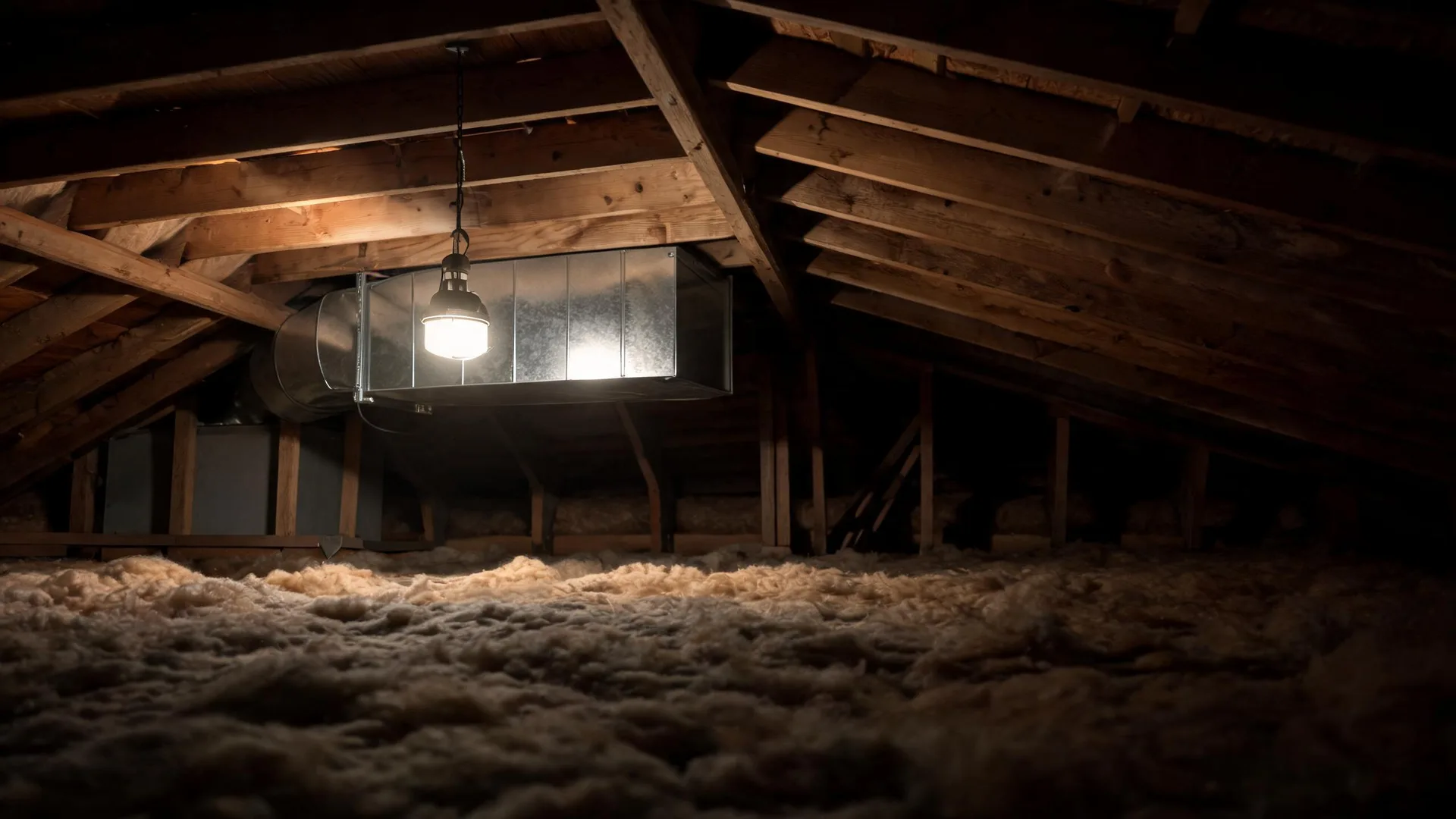
The furnace and ductwork usually stay

Replacing the AC does not mean replacing the furnace. If the blower and ducts are in good shape, a new outdoor unit and coil get matched to what is already moving air through the house. The coil sits in the plenum above or beside the furnace, so that part does get swapped even when the furnace itself is staying put.

Overhead view of an outdoor AC condenser unit on a concrete pad next to a house with a dark shingle roof.

Going above the federal minimum saves little here, about $10 a year.

  • A higher-efficiency unit$110 a year
  • A new unit at the federal minimum, 13.4 SEER2$120 a year

Estimates for a typical Elmore County home, from EIA household energy data, Idaho fuel prices and NOAA climate normals. Your home will differ.

Install day starts with the parts that do not get a second attempt. The refrigerant lines get run or reused, and every joint gets brazed and then pressure tested before any refrigerant goes in, because a slow leak found later means opening the system back up. The new coil goes into the plenum, the outdoor unit gets set on its pad, and the electrical and condensate drain get connected. Once it is all together, the system gets evacuated to pull moisture and air out of the lines before the charge goes in. The charge itself gets weighed in or checked against the line length and outdoor temperature, not just run until the gauges look about right. A contractor should walk the system through a full cooling cycle before calling the job done, checking the temperature drop across the coil and listening for anything that is not running the way it should.