

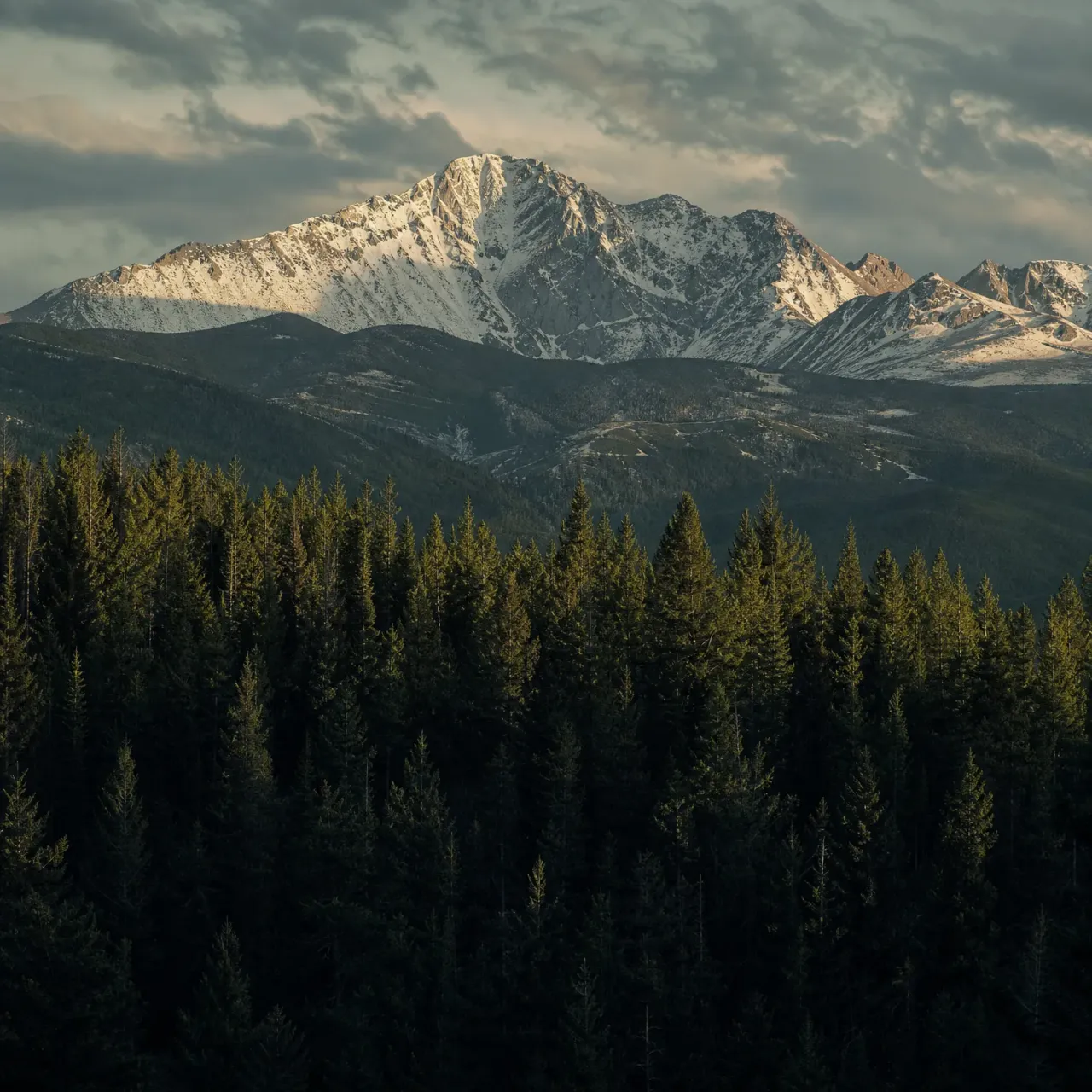



Aerial view of a square outdoor air conditioning condenser unit on a concrete pad beside a house wall with a sliding glass door.

AC Installation in Weiser, ID

Tell us about the job

Takes about a minute. No obligation.

New system or replacementCentral ACWashington County, ID
Step 1 of 2

What ZIP code is the job in?

Electricity heats close to half the homes in Washington County, and gas heats most of the rest. That split matters for AC installation because most central air conditioners pair with the home's existing ductwork and electrical setup rather than its heating fuel. If your home already has ducts from a gas furnace, a new AC unit ties into that same system. If your home heats with electric resistance or a heat pump, a new AC unit sits alongside it just as easily. Either way, the installer is working with wiring and ductwork that's probably already there, not building a heating system from scratch.

2 months
July through August, your air conditioner is on duty
83°F
the average summer afternoon it cools against
13.4 SEER2
the federal minimum any new unit must meet
Isometric line illustration of a cutaway house showing interior rooms, ceiling ductwork connected to an indoor air handler, and an outdoor condenser unit linked by refrigerant lines.
Your air conditioner works hardest from July through August.

NOAA nClimDiv, 1991–2020 normals

Half the homes in Washington County were built in 1975 or earlier, half in 1975 or later.

Older or newer, a standard size system fits what's already there.

Cheap power here means the highest-efficiency model isn't the one that pays off fastest

Power costs 11.52 cents a kWh statewide
Cooling runs July through August
Summer afternoons average 83°F

Cooling here only runs from July through August. June is the month to get a new system in. Wait until July and you're scheduling installation the same week you need the thing working, with less room to compare quotes or wait for the unit you actually want. A system put in during June sits ready for the two months it has to carry, with no pressure on either end.

Any new system here starts at 13.4 SEER2

Weiser sits in climate zone 5B, and any split-system air conditioner under 45,000 Btu/h installed here has to meet 13.4 SEER2 at minimum, since that's the federal floor for units built from 2023 on. That rules out the oldest, cheapest models but still leaves a range of systems to choose from. A federal tax credit is also available for qualifying high-efficiency equipment, worth checking against whatever system you're comparing.

Find a contractor
A man in a cap, olive shirt and dark pants walks up wooden porch steps toward a green door, carrying a waxed canvas tool bag.
An outdoor air conditioning condenser unit mounted on a concrete pad surrounded by gravel, photographed against a partly cloudy blue sky.

What the warranty actually promises

Every system on the market gets compared by cooling output and efficiency. Fewer buyers ask what happens when a part fails, and that's worth asking before you sign anything. Ask whether the warranty covers parts only, or parts and labor. Ask whether it's tied to you as the original owner or whether it transfers if you sell the house. Ask what voids it. Running the system without changing the filter, or skipping the first maintenance visit the manufacturer requires, can void coverage you assumed you had. The compressor is the part most expensive to replace on its own, and it's usually the part the warranty is really protecting. A manufacturer willing to back it for longer is telling you something about how it expects the unit to hold up.

The old unit gets hauled away

Refrigerant has to come out of the old system before it's scrapped, and a licensed installer handles that as part of the swap. The refrigerant doesn't just vent out. It gets recovered into a tank and disposed of or reused properly. You don't need to do anything with the old unit yourself, and you shouldn't try to drain it or cut lines on it.

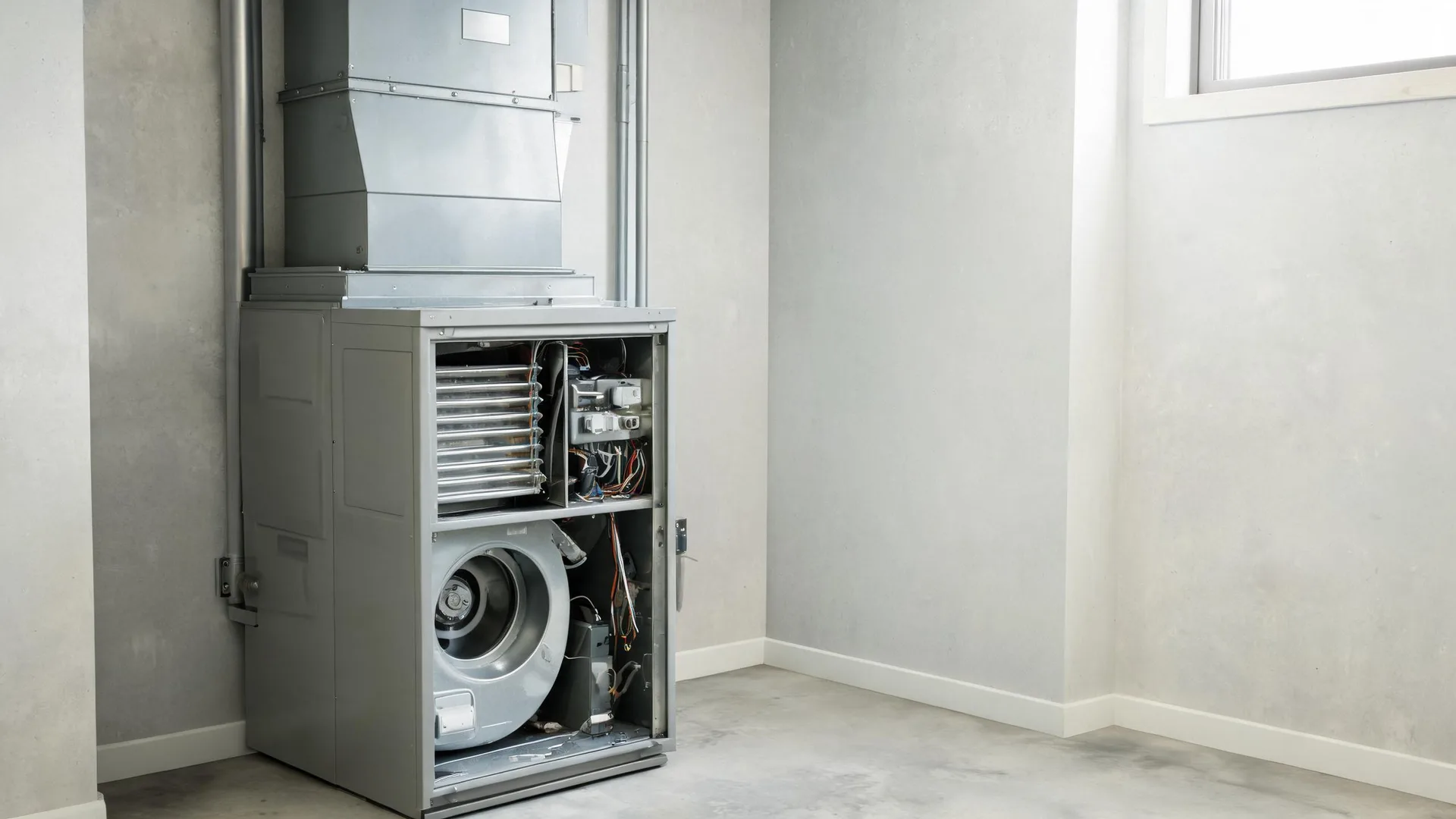
The ductwork and pad usually stay

If the old outdoor unit sat on a concrete pad, that pad likely stays and the new unit sits on it. Same with the line set and ductwork, assuming they're in decent shape. An installer checks the duct connections and the existing refrigerant lines before reusing them, since a new system is sized and charged to work with what's already run through the house.

Overhead view of an outdoor AC condenser unit on a concrete pad next to a house with a dark shingle roof.

Going above the federal minimum saves little here, about $20 a year.

  • A higher-efficiency unit$140 a year
  • A new unit at the federal minimum, 13.4 SEER2$160 a year

Estimates for a typical Washington County home, from EIA household energy data, Idaho fuel prices and NOAA climate normals. Your home will differ.

Installation day starts with the old unit getting disconnected and hauled out, then the real work begins. An installer sets the new outdoor unit level on the pad, connects the line set, and checks it for leaks before anything gets charged with refrigerant. Inside, the coil gets matched to the new unit and fitted into the plenum. Once everything's connected, the system gets charged to the exact weight the manufacturer specifies, not just filled until the pressure looks right. That charge gets checked against both the outdoor temperature and the airflow moving across the coil, since both affect the reading. Before the installer leaves, the system should run a full cycle while they check supply air temperature, static pressure in the ducts, and that the thermostat is actually talking to the unit correctly.