One month of real work
Cooling here runs in July and that's it. A system in Council spends most of the year doing nothing at all.
Takes about a minute. No obligation.
Cooling here runs in July and that's it. A system in Council spends most of the year doing nothing at all.
Summer afternoons average 78 degrees. That's not the kind of heat that pushes a system hard, so there's no need to size up or chase the highest efficiency rating to get solid, lasting cooling.

NOAA nClimDiv, 1991–2020 normals
Idaho electricity ran 11.52 cents per kilowatthour in 2024, well under what most of the country pays.
At that rate a high-efficiency condenser takes longer to earn back its extra cost, so pick one for how well it will hold up here.



The price of a new system comes down to what the job actually requires, not just the box that gets set outside. A straight swap, same spot, same ductwork, same electrical, costs less than one where the old unit was undersized or the ducts need work to match the new equipment. Ductwork matters more than most people expect. If the supply and return ducts are too small for the new system's airflow, a contractor either has to modify them or the new unit will never perform the way it's rated to. The condenser size matters too, and bigger isn't automatically better. A unit sized to the actual space costs less up front and runs more efficiently than one sized larger than the job calls for. Line set length, electrical panel capacity, and whether the indoor coil and furnace are compatible with the new outdoor unit all factor in before labor is even priced.
Electricity here runs cheap, so a pricier high-efficiency condenser takes a long time to earn that cost back. Put the money into getting it sized and installed right instead, matched to the ductwork and the space it has to cool. That's what holds up over the years.
Find a contractor
July runs the condenser. The rest of the year it just sits there. A unit that spends most of its life idle doesn't build up the wear that shortens its life, so a mid-range system installed correctly will hold up fine here. Put the attention into matching it to the space and the ductwork, not into chasing a higher rating than the job needs.
A contractor should walk through the space or pull the numbers from the existing ductwork, not quote a size off the old unit's nameplate. If bids come back with different tonnage, ask what each one was based on. The answer should be about the space and the ducts, not a guess.
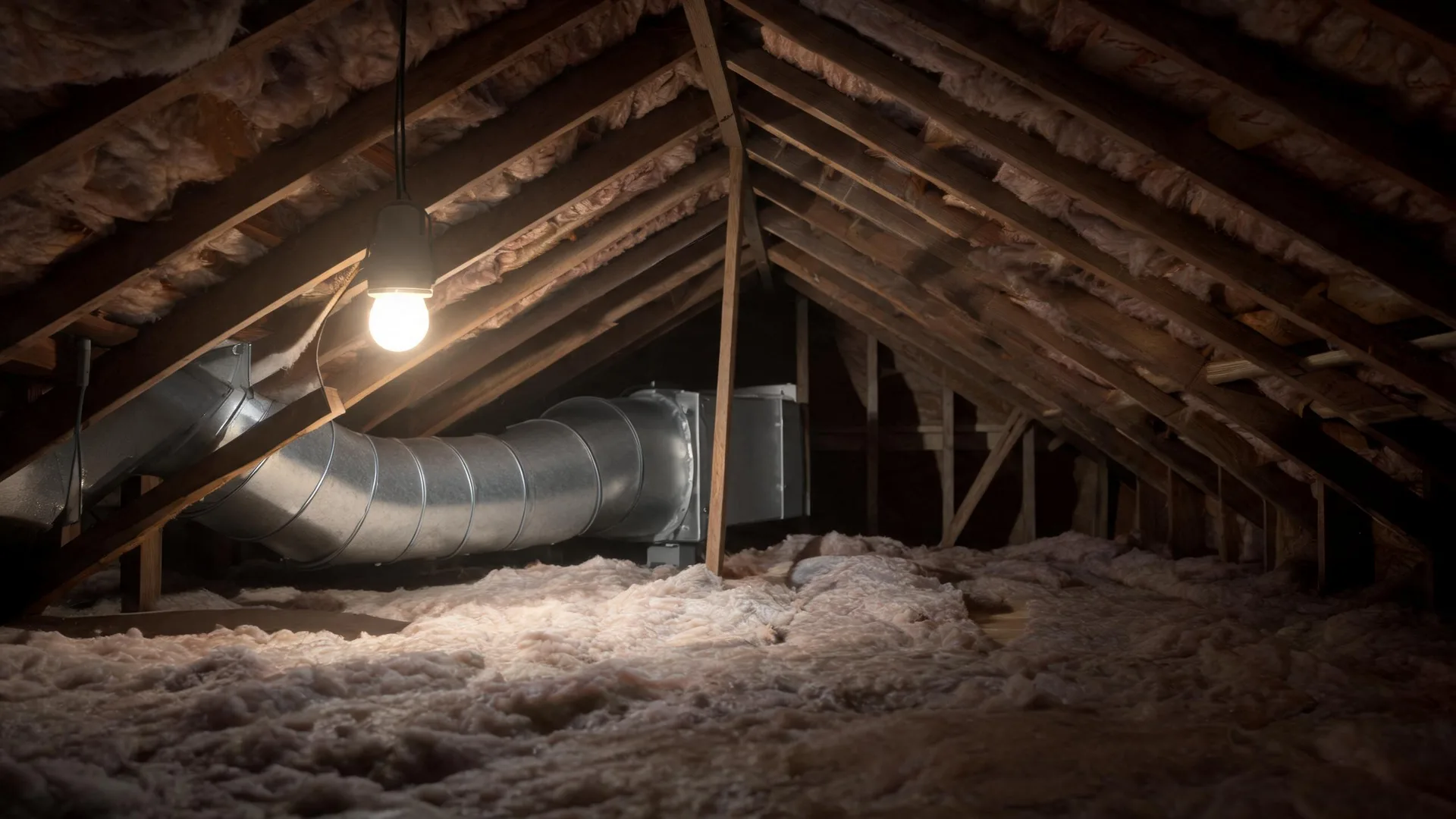
A new condenser moves a different amount of air than the one it's replacing. If the supply and return ducts were sized for the old equipment, they may not be able to deliver what the new system is rated for. Get this answered before the price is final, not after the unit is set outside.
Estimates for a typical Adams County home, from EIA household energy data, Idaho fuel prices and NOAA climate normals. Your home will differ.
Installation day starts outside. The crew sets the new condenser on its pad, runs the line set, and checks the electrical disconnect before anything gets powered on. Indoors, the coil has to match the furnace or air handler already there, and that connection needs to be tight and sealed or the system leaks capacity it should have. Once it's connected, the refrigerant charge gets set to the exact amount the manufacturer specifies, not topped off until it feels right. Then comes the test run. Airflow at the registers, the temperature split across the coil, a check that the thermostat is actually talking to the equipment. A job done right ends with the contractor walking the ducts and vents with you, not just handing over a manual and leaving.