Gas is the default here
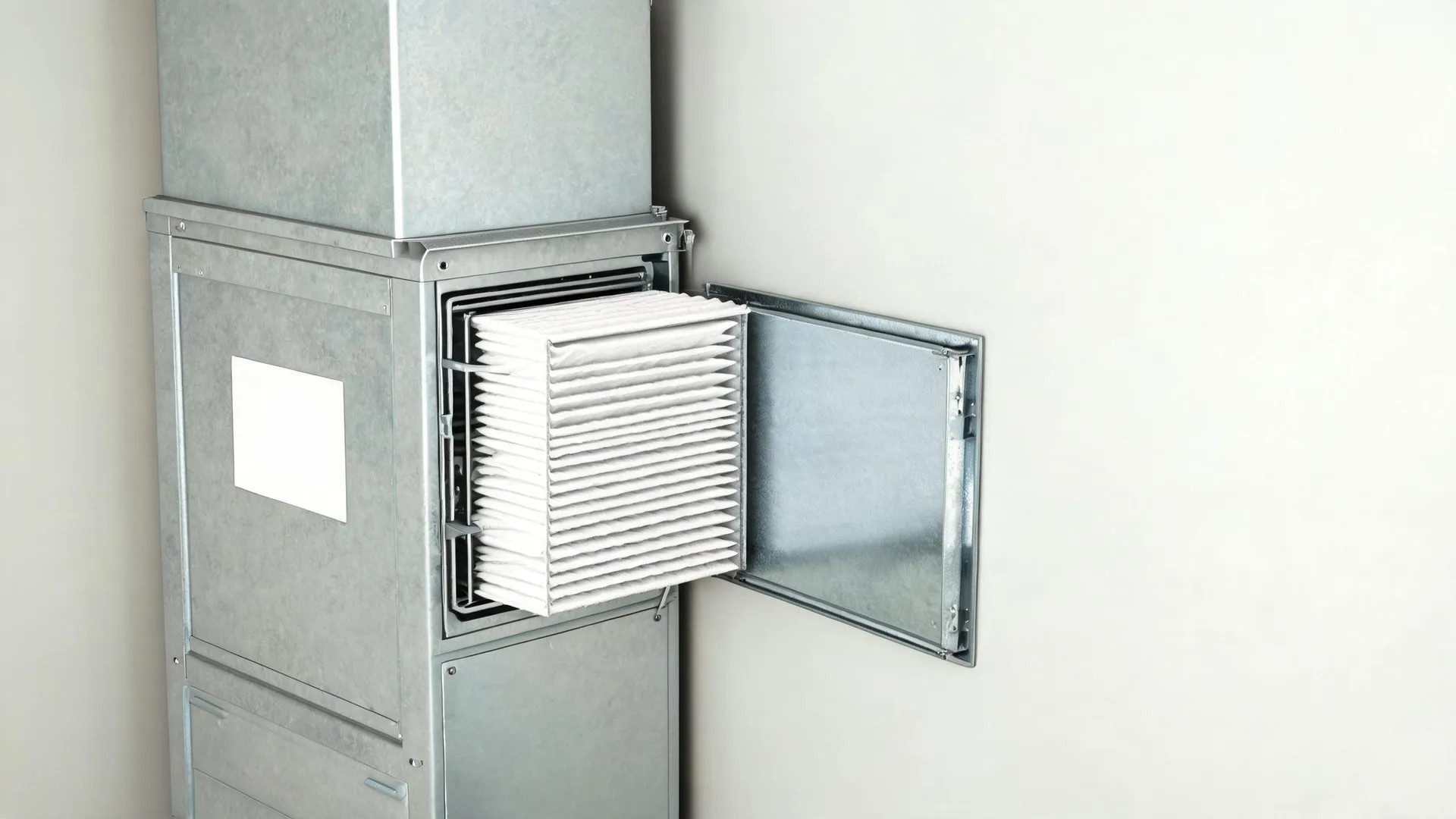
Utility gas heats 43.8% of homes in Bear Lake County, more than any other fuel. Bottled or LP gas covers another 23%. A furnace paired with a separate AC unit is the setup most homes already have.
Takes about a minute. No obligation.
Utility gas heats 43.8% of homes in Bear Lake County, more than any other fuel. Bottled or LP gas covers another 23%. A furnace paired with a separate AC unit is the setup most homes already have.
If your home already has a gas furnace, adding or replacing central air usually means matching new equipment to that existing ductwork and furnace, not rebuilding a system from scratch. That keeps the install closer to a straight swap than a full redesign.

NOAA nClimDiv, 1991–2020 normals
Idaho homes paid 11.52 cents per kilowatthour in 2024, well below the national average.
A high-SEER2 unit in Montpelier takes longer to earn back its extra cost, so picking the right fit matters more than chasing the highest rating.
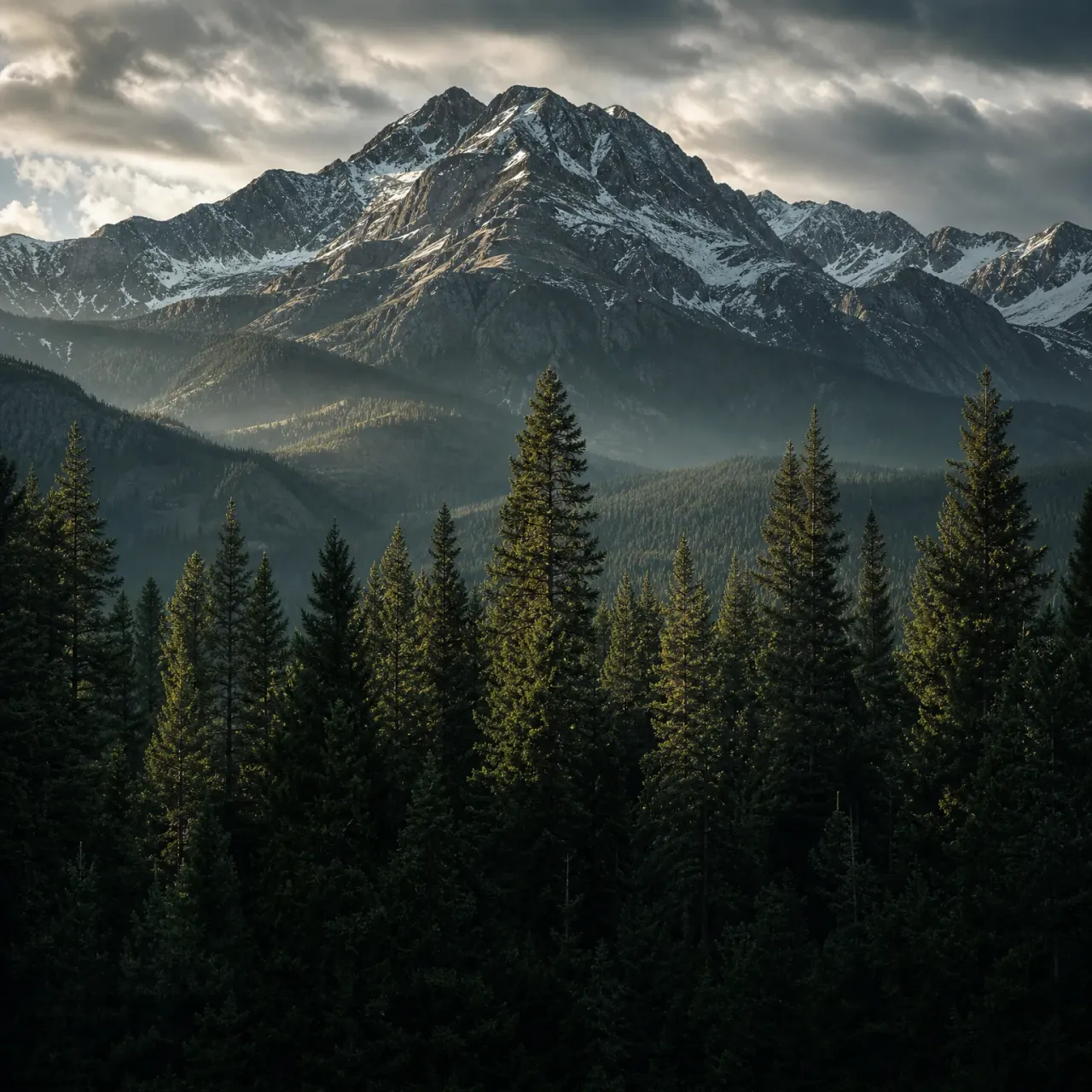
Montpelier sits in climate zone 6B, rated cold with a long winter under the energy code. Any new split-system air conditioner installed here has to meet 13.4 SEER2 at minimum. That floor is federal, not local, so it's not a sign of anything unusual about the climate here. It does mean the lowest-efficiency units sold years ago are off the table regardless of what a contractor has sitting in a warehouse. A federal tax credit is available for qualifying high-efficiency equipment, worth checking against whatever unit you're considering before you decide.
With power this cheap in Montpelier, a high-SEER2 unit won't pay back its extra cost for a long time. Put the weight on matching equipment to your existing furnace and ductwork, and on a unit that will hold up, not on chasing the top efficiency number.
Find a contractor
Afternoon highs in Bear Lake County run about 77°F in June, July and August, and that's as warm as it gets. There's no stretch of the year hot enough to call for cooling. A new AC here will cycle on during the warmest afternoons, not run for hours on end. That light duty cycle means less wear over the life of the equipment. A well-built mid-range system can hold up here as long as a higher-end one would somewhere with real summer heat. What ends a unit's life in this county tends to be age or a missed service call, not the workload.
An old AC unit still holds refrigerant, and that can't just be vented into the air. A contractor recovers it into a tank with a recovery machine before the lines get disconnected. It's a legal requirement, not an optional step, so budget the time for it even on a straightforward swap.
If the concrete pad under the outdoor unit is level and in good shape, a contractor may just set the new unit on it rather than pour a new one. The same goes for the line set, if it's the right diameter and not corroded, it can sometimes stay. What gets reused versus replaced comes down to condition, not age alone.
Estimates for a typical Bear Lake County home, from EIA household energy data, Idaho fuel prices and NOAA climate normals. Your home will differ.
Install day starts with the old equipment coming out, not the new one going in. The outdoor unit gets disconnected, the refrigerant lines get drained or recovered, and if the coil inside the furnace plenum is being swapped too, that comes out next. A contractor will check the line set while it's open, deciding whether it can be reused or needs replacing, since old lines sized for a different unit don't always match the new one. The new coil goes in above or beside the furnace, the new outdoor unit gets set on its pad, and the lines get connected and sealed. Once everything's tied in, the system gets charged with refrigerant to the exact amount the manufacturer specifies, then run through a check for airflow and proper cycling before anyone calls it done.