Firewood stacked against the dark vertical wood siding of a building, with a gravel border strip, dry grass, and pine trees under an overcast sky.

AC Installation in Shoshone, ID

Tell us about the job

Takes about a minute. No obligation.

New system or replacementCentral ACLincoln County, ID
Step 1 of 2

What ZIP code is the job in?

Electricity runs most homes here

Electric heat serves 44.4% of occupied homes in Lincoln County, more than gas, propane, or oil. A new AC system usually ties into the same electrical panel already feeding that heat, which simplifies the installation.


Gas and propane are the minority

Utility gas heats 26.5% of homes and propane another 6.7%. If your furnace runs on one of those fuels, the AC installation is still a separate electrical circuit, since the cooling side doesn't touch the gas line at all.

2 months
July through August, your air conditioner is on duty
84°F
the average summer afternoon it cools against
13.4 SEER2
the federal minimum any new unit must meet
Isometric cutaway illustration of a single-story house showing interior rooms, ductwork and an air handler in the attic space, and an outdoor condenser unit connected by lines at the exterior wall.
Your air conditioner works hardest from July through August.

NOAA nClimDiv, 1991–2020 normals

Half the homes in Lincoln County were built in 1985 or earlier, half in 1985 or later.

Either way, the AC that goes in is sized to your house, not your house's age.

Cooling only runs two months here, which is exactly why June is the month to get it done

Cooling runs July through August
Summer afternoons average 84°F
Power costs 11.52 cents a kWh statewide

Electricity in Idaho ran 11.52 cents per kilowatthour in 2024, well below the national average. That changes how you should think about this purchase. A high-efficiency system still costs more to install, and with power this cheap, it takes longer to earn that difference back in lower bills. That doesn't make efficiency a bad choice, it just means it shouldn't be the only one you're weighing. Whether the unit holds up through a Shoshone summer, and whether it's sized right for your house, matters more to how this turns out.

Two months of work a year doesn't call for the top-tier system

July and August average 84°F in the afternoon here, and that's the only stretch your AC works. Two months a year is a light job for any system. The one you pick just needs to fit your house, not win an efficiency contest.

Find a contractor
A man in a cap, dark jacket and tan work pants, seen from behind, carries a canvas tool bag up porch steps toward a green front door beside a potted shrub.
A gray residential air conditioning condenser unit mounted on a concrete pad outdoors, surrounded by green grass under a partly cloudy blue sky.

Ask what happens in the hours it isn't running

Every system on the market is built to run far longer than the time it actually spends working each year. That's not a reason to assume they're all the same. Ask what the compressor and coil are rated to handle over repeated cycles, not just how efficiently they run at full tilt, since a system here spends most of its life sitting idle, then has to start up and perform the moment it's needed. Ask what the warranty actually covers on the compressor versus the rest of the unit, because that's usually where the real difference between tiers shows up. Ask how the manufacturer rates the unit for short-cycle durability, starting and stopping often, rather than for sustained runtime, since that's closer to the job it'll actually do. A system that's built to run hard for months straight isn't necessarily the one built to start reliably after sitting unused.

Sizing drives more of the cost than the equipment tier

A contractor has to calculate the load for your house before quoting a number, factoring in square footage, window placement, insulation and duct layout. That calculation decides what size unit goes in, and size affects price more than which efficiency tier you pick. An oversized unit costs more up front and cools poorly besides, cycling on and off without pulling humidity out of the air.

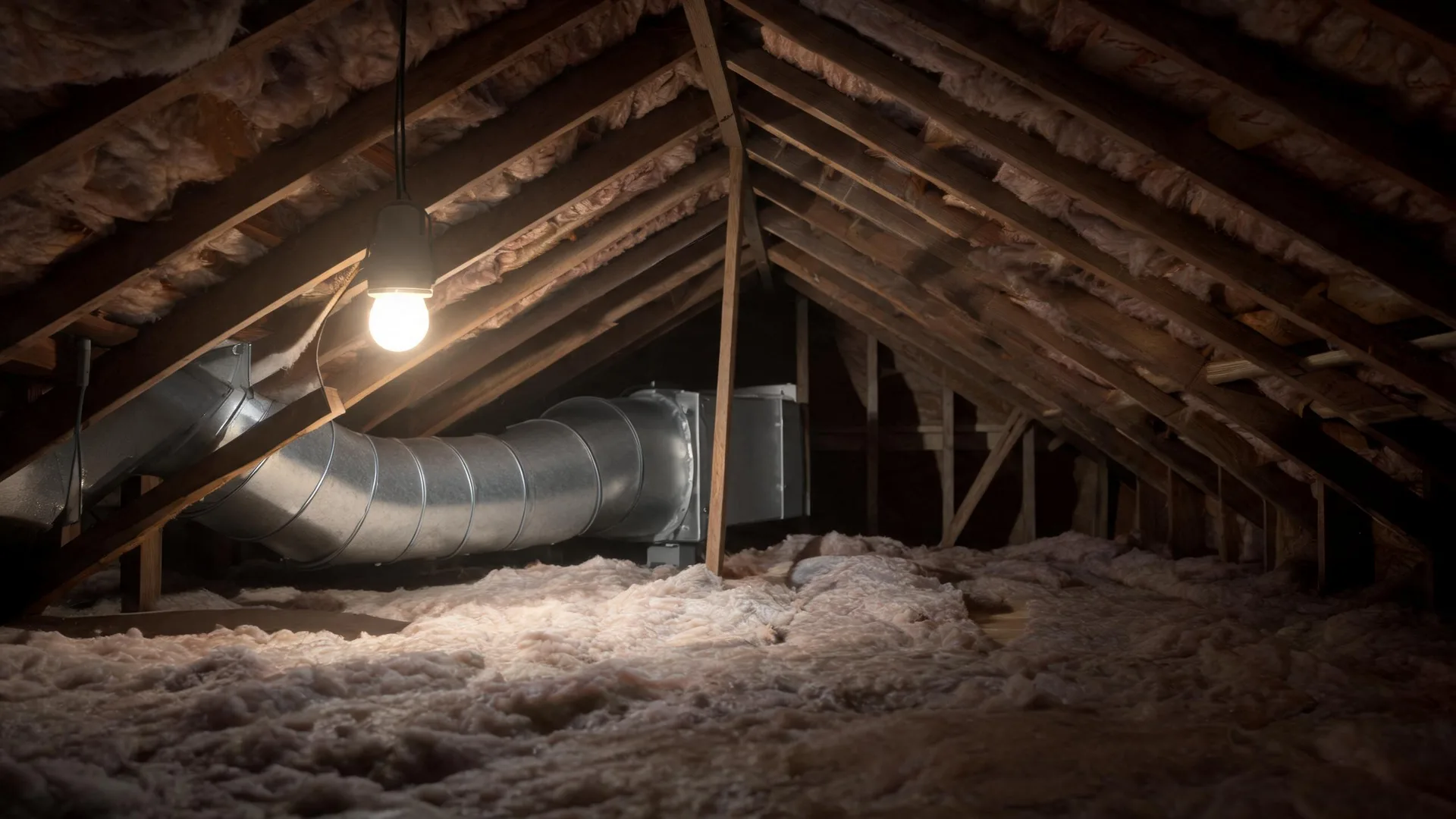
What the ductwork can take changes the job

If the existing ducts are sealed well and sized right for the new system, the installer connects to them and moves on. If they're leaky, undersized, or built for a different type of unit, modifying or replacing sections adds labor before the AC itself ever gets set. That work isn't optional. An outdoor unit matched to ducts that can't move the air it produces won't cool the house evenly, no matter how good the unit is.

Aerial view of a square outdoor air conditioning condenser unit on a concrete pad beside a house wall with a sliding glass door.

Going above the federal minimum saves little here, about $10 a year.

  • A higher-efficiency unit$120 a year
  • A new unit at the federal minimum, 13.4 SEER2$130 a year

Estimates for a typical Lincoln County home, from EIA household energy data, Idaho fuel prices and NOAA climate normals. Your home will differ.

Installation starts before anyone touches the old unit, with a walkthrough to confirm the load calculation and check where the new lineset and drain will run. The outdoor unit comes out first, then the indoor coil, which usually sits in the plenum right above or beside the furnace. A mismatched coil is a common holdup here, since the coil has to match the new condenser or the system won't perform right no matter how it's installed. Once the new coil is in, the installer brazes the refrigerant lines, pressure tests them for leaks, then pulls a vacuum on the lineset to clear out moisture and air before any refrigerant goes in. After that comes the electrical hookup, a new disconnect box at the outdoor unit, and startup, where the installer checks refrigerant charge, airflow across the coil, and the temperature split between the air going in and the air coming out. That last check tells them whether the system is actually cooling the way it should, not just running.