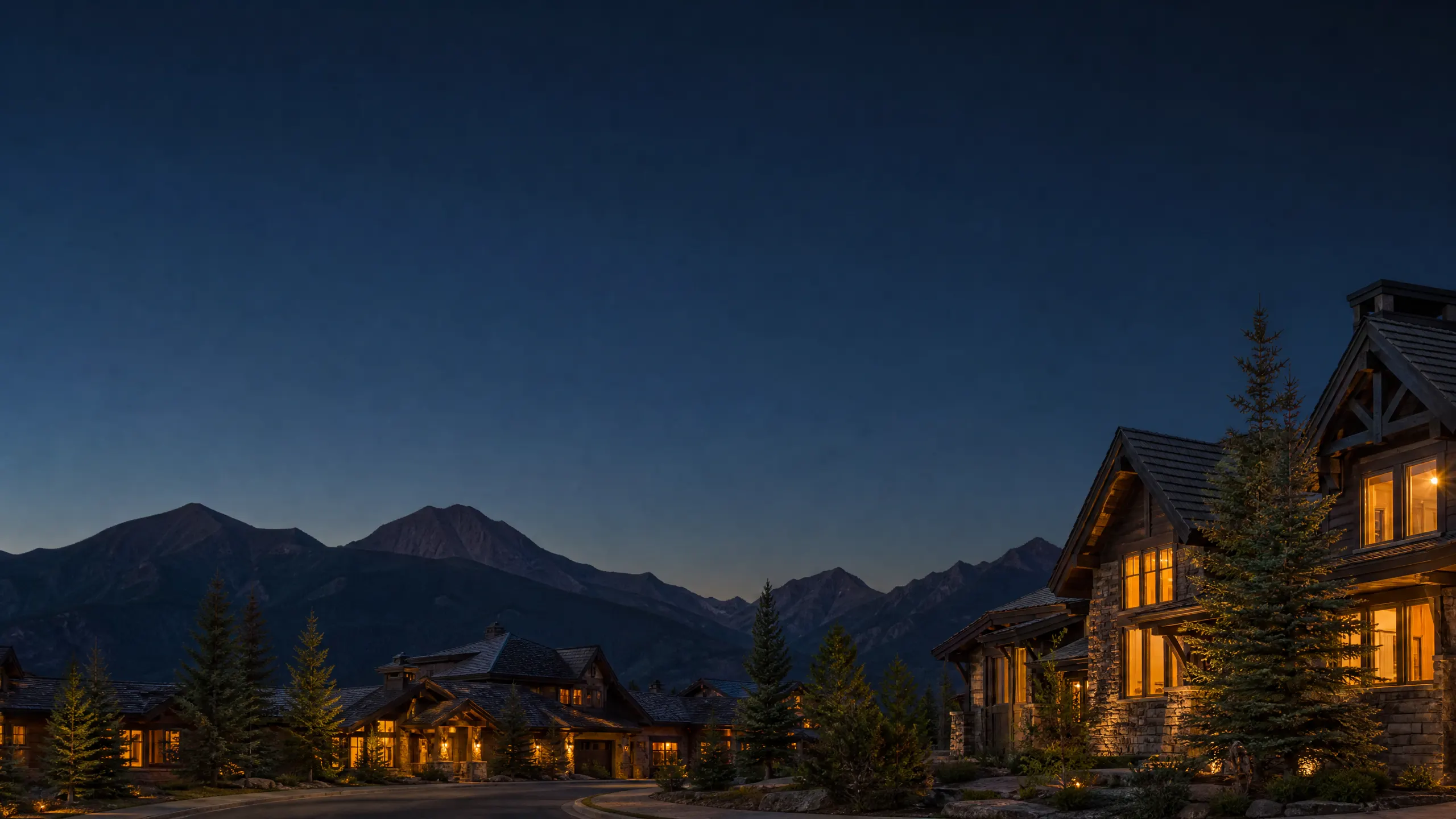
Stone and timber luxury homes with glowing windows line a mountain street at dusk, with evergreen trees and a rocky mountain range in the background.

AC Installation in Bonners Ferry, ID

Tell us about the job

Takes about a minute. No obligation.

New system or replacementCentral ACBoundary County, ID
Step 1 of 2

What ZIP code is the job in?

Most homes here run on gas

Utility gas heats 38.8% of occupied homes in Boundary County, more than any other fuel. Electricity comes in second at 25.4%, with LP gas making up a small share. A gas furnace paired with a separate AC system is the setup most contractors here will be familiar with.

That shapes the AC install

If gas already runs the furnace, the AC installation usually means adding a cooling coil and an outdoor condenser to work alongside it, not replacing the whole system. The ductwork and furnace blower that move heat through the house in winter are the same ones that move cooled air in summer.

71°F
the average summer afternoon it cools against
2 hail events
in ten years, and hail bends the fins on outdoor coils
13.4 SEER2
the federal minimum any new unit must meet
Isometric line illustration of a cutaway single-story house showing interior rooms, ductwork, an indoor air handler or furnace, and a refrigerant line running to an outdoor condenser unit on a pad.
Your air conditioner works hardest from July through August.

NOAA nClimDiv, 1991–2020 normals

Winter storms hit Boundary County 338 times in ten years, far more than wind or hail.

A standard condenser, installed and anchored the normal way, doesn't need special bracing for this.

At 11.52 cents a kWh, the payback on a premium SEER2 unit stretches out

Power costs 11.52 cents a kWh statewide
Climate zone 6B
Summer afternoons average 71°F

Afternoon highs here average 71°F through June, July and August, so the condenser going in outside will not run hard in those months. It will not see the long, repeated summer runs that wear out compressors and coils in hotter places. That kind of load is what pushes a system toward failure early. With so little of it here, a reliable mid-tier unit, sized right and installed well, can do this job as long as a top-end one would.

Zone 6B sets the floor for what can go in

Boundary County falls under zone 6B, the cold-climate side of the energy code. Any split-system AC installed here under 45,000 Btu/h has to meet 13.4 SEER2 at minimum. A federal tax credit is available for qualifying equipment. That still leaves room to pick a unit sized for this house, not just the cheapest one that clears the bar.

Find a contractor
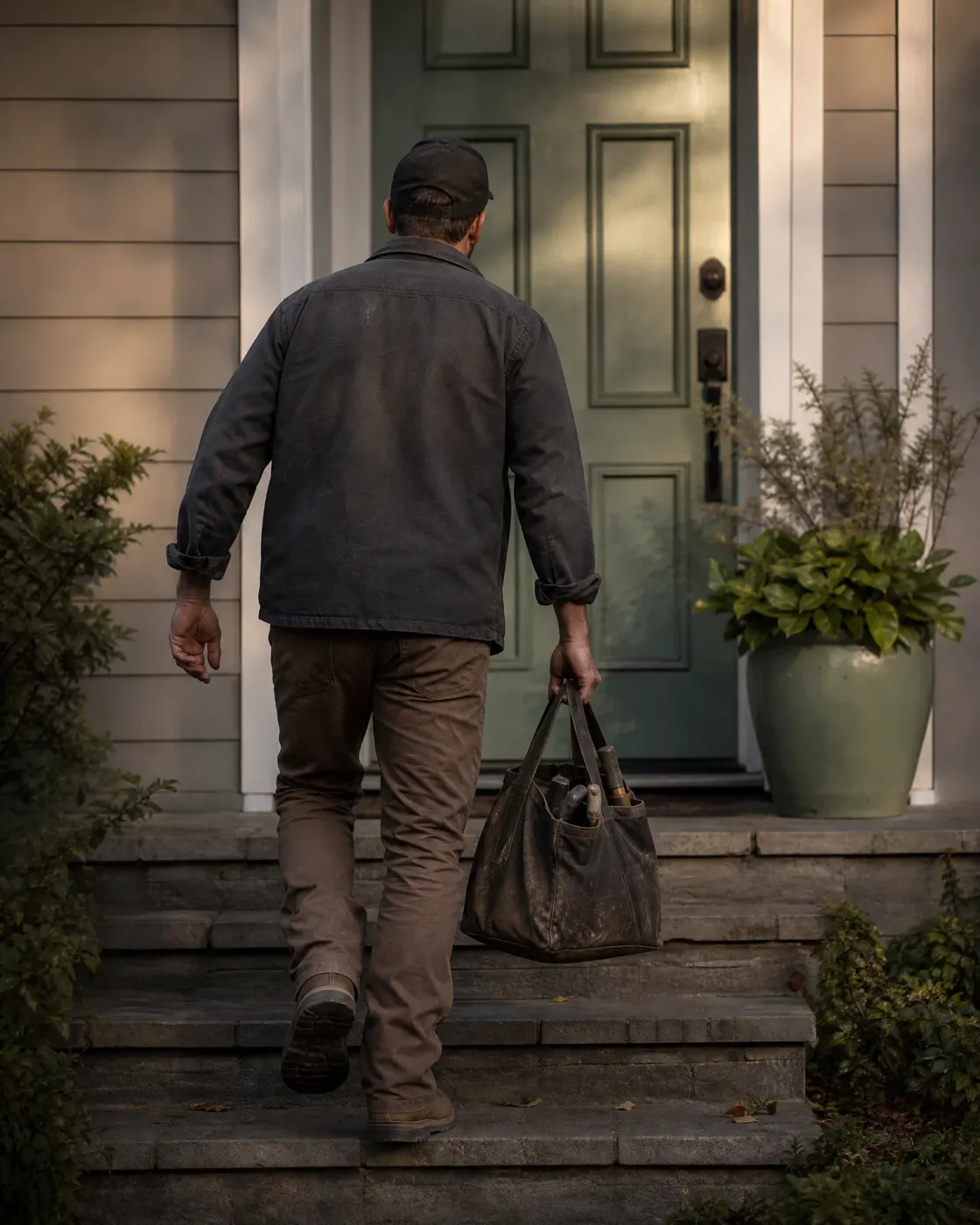
A man in a cap, dark jacket and brown pants, seen from behind, climbs stone steps toward a green front door while carrying a worn canvas tool bag.
An outdoor air conditioning condenser unit mounted on a concrete pad surrounded by gravel, photographed against a partly cloudy blue sky.

No real summer means low hours on the unit

There is essentially no stretch of warm months here to run this system hard. June, July and August stay mild, so the condenser cycles on now and then rather than running for hours at a stretch. Low hours year after year means less wear on the compressor and coil no matter which tier of unit goes in. That is the case for picking a reliable mid-tier system here instead of paying for a top-end one that will spend most of its life sitting idle anyway.

The old condenser and coil come out

A contractor disconnects the refrigerant lines, the electrical whip and the condensate drain, then removes the outdoor unit and the old evaporator coil from the plenum above or beside the furnace. The refrigerant gets recovered into a tank, not vented, since releasing it is against the law. What's left behind is an empty pad outside and an open spot in the ductwork where the new coil will sit.

The furnace usually stays put

If the gas furnace is working fine, swapping in a new AC system doesn't mean replacing it. The furnace and its blower keep doing what they already do, pushing air through the same ducts. The work is really about matching a new coil and condenser to that existing blower so the airflow and refrigerant charge are sized correctly together.

Aerial view of a square outdoor air conditioning condenser unit on a concrete pad beside a house wall with a sliding glass door.

Going above the federal minimum saves little here, about $0 a year.

  • A new unit at the federal minimum, 13.4 SEER2$20 a year
  • A higher-efficiency unit$20 a year

Estimates for a typical Boundary County home, from EIA household energy data, Idaho fuel prices and NOAA climate normals. Your home will differ.

Installation day starts with the parts, not the tools. The contractor checks that the condenser, the coil and the furnace blower are all sized to work together before anything gets cut loose. Once that's confirmed, the old coil comes out of the plenum, the new one goes in, and the line set gets run between the coil and the outdoor unit. Those lines get brazed, not just connected, then pressure tested to make sure there are no leaks before any refrigerant goes in. After that the system gets evacuated to pull out moisture and air, then charged to the amount the manufacturer specifies. Before anyone leaves, the system runs through its paces, checking airflow, temperature split and static pressure in the ducts, because a system charged right the first time is the one that won't need a second visit.