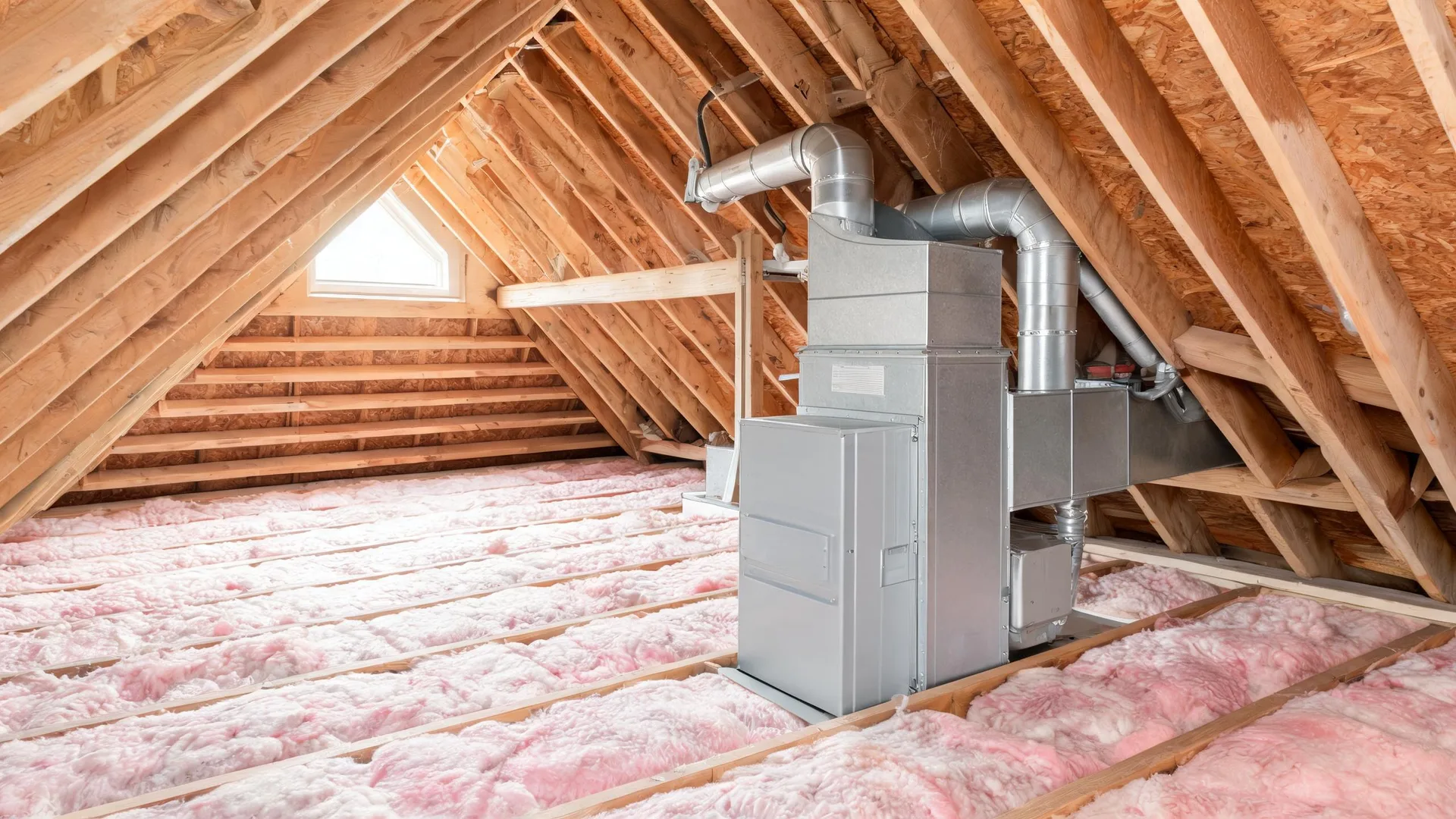
Most homes here run on gas
Utility gas heats 51.8% of homes in Nez Perce County, more than any other fuel. Electricity comes in second at 37.9%. Propane and fuel oil each account for a small share.
Takes about a minute. No obligation.
Utility gas heats 51.8% of homes in Nez Perce County, more than any other fuel. Electricity comes in second at 37.9%. Propane and fuel oil each account for a small share.
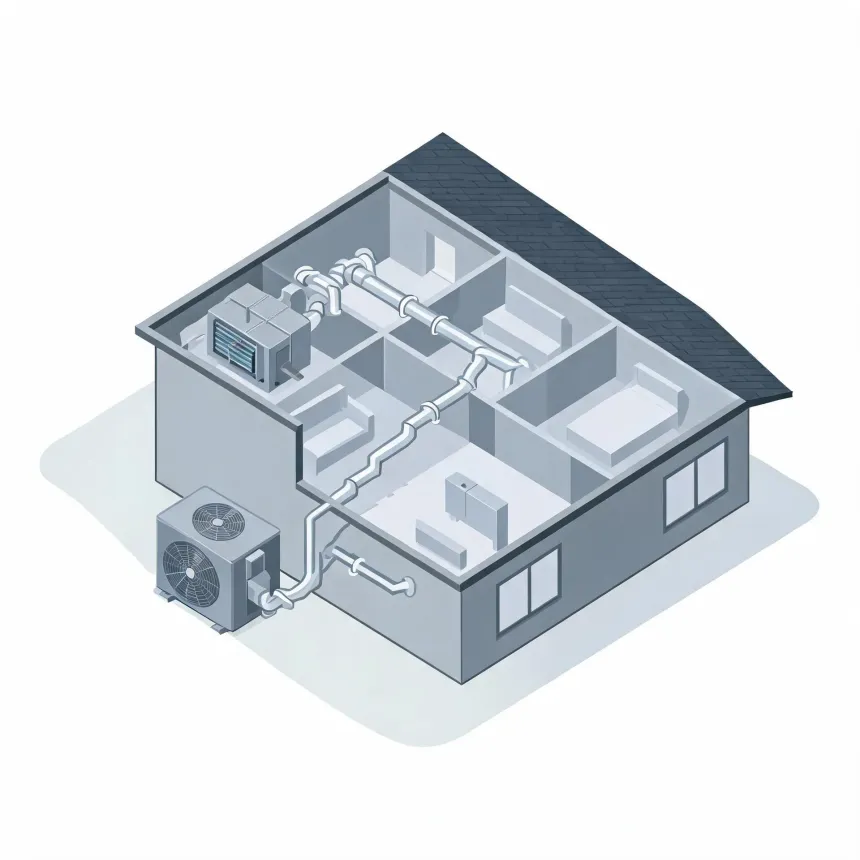
A gas furnace paired with central air is the setup most installers see in this area. If your home already has that pairing, adding or replacing the AC unit usually means matching it to the existing ductwork and furnace blower rather than rethinking the whole system.
NOAA nClimDiv, 1991–2020 normals
Lewiston only needs cooling in July and August, with afternoon highs around 82.
A system that only runs two months a year doesn't need to be the top efficiency model to be worth installing.




A two month season also means less wear on whatever gets installed. Compressors and fan motors fail from hours of run time and from stress during the hardest stretches of heat. Lewiston's system doesn't see either much. Pick a unit sized correctly for the house and installed well, and the main things that end up mattering are the installation work and regular maintenance, not whether the equipment carries the highest efficiency rating on the shelf.
It won't be worked hard here, so pick a reliable system that fits. You don't need the top efficiency model.
Find a contractorAn installer sizing new ductwork or a new line set has to work with what's already built into the house. In a home from 1973 or earlier, that means checking the duct runs and the electrical panel before quoting the job, not after. Ask what the installer found when they looked at yours.
An installer disconnects the refrigerant lines, pulls the old condenser, and removes the indoor coil if it's being swapped too. The refrigerant gets recovered, not released. If the line set or coil is staying in place, the installer checks it against the new equipment before reusing it rather than assuming it will match.
The old condenser and coil get hauled off as part of the install, usually broken down for scrap since most of the unit is metal. You shouldn't be left with an old unit sitting in the yard. If that matters to you, ask how it's handled before the work starts, not after.
Estimates for a typical Nez Perce County home, from EIA household energy data, Idaho fuel prices and NOAA climate normals. Your home will differ.
Once the old condenser is out, the new one gets set on a pad and leveled, since a unit that sits tilted puts strain on the compressor from day one. The line set gets connected, then the installer pulls a vacuum on it to clear out moisture and air before any refrigerant goes in. Skipping that step leaves moisture in the system, and moisture mixed with refrigerant forms acid that eats at the compressor from the inside. Charging happens last, and it gets measured against the manufacturer's spec rather than filled by feel. A unit charged wrong runs the compressor and fan motor harder every time the system turns on, so this is the step worth asking about when the work is done.