





A twilight street scene featuring illuminated timber-frame and stone houses with a mountain range visible in the background.

AC Installation in McCall, ID

Tell us about the job

Takes about a minute. No obligation.

New system or replacementCentral ACValley County, ID
Step 1 of 2

What ZIP code is the job in?

Electricity heats 44.7% of homes in Valley County, more than any other fuel. That usually means central air pairs with an electric furnace or heat pump already in place, so adding or replacing AC often means matching into equipment that's already there. Bottled, tank or LP gas comes in second at 23.3%. If your home runs on gas heat, the AC side of the system still needs a blower and ductwork sized to work with it. Either way, a contractor will want to know what's already installed before recommending a match.

74°F
the average summer afternoon it cools against
1 hail events
in ten years, and hail bends the fins on outdoor coils
13.4 SEER2
the federal minimum any new unit must meet
Isometric cutaway illustration of a house showing attic ductwork, an indoor air handler, refrigerant lines running outside, and an outdoor condenser unit on a pad.
Your air conditioner works hardest from July through August.

NOAA nClimDiv, 1991–2020 normals

Idaho electricity ran 11.52 cents a kilowatt-hour in 2024, well below the national average.

When power costs less, a high-efficiency AC takes longer to earn back the extra you pay for it.

74 degrees is about as hard as it gets, and that's not hard at all

Summer afternoons average 74°F
9 damaging wind events from 2015 to 2024
Power costs 11.52 cents a kWh statewide

McCall sits in climate zone 6B, which means long, cold winters and a building code that assumes it. Any split-system AC under 45,000 Btu/h installed new here has to meet 13.4 SEER2 at minimum, same as the rest of the country. That's a floor, not a target specific to Valley County, but it rules out older low-efficiency units some contractors might otherwise have sitting in a warehouse. If you're weighing a baseline unit against something higher, a federal tax credit is available on qualifying higher-efficiency equipment, worth checking into before you decide.

Pick the AC that fits your house, not the one with the highest rating

With power this cheap, the SEER2 number matters less than whether the unit is sized and installed right for your house. Put the budget toward a contractor who will match it correctly, not toward chasing the highest rating on the shelf.

Find a contractor
A man in a dark cap, dark long-sleeved shirt and brown work pants walks up porch steps toward a pale green front door, carrying a worn canvas tool bag in his right hand, with a potted evergreen shrub beside the entry.
A gray metal air conditioning condenser unit mounted on a concrete pad in a flat grassy field under a partly cloudy sky.

Light duty, most of the year idle

Days here top out around 74 in summer, so this unit won't run hard or run long. A compressor that only works on the warmest afternoons doesn't wear the way one does in a place with real heat. That's the case for picking a reliable, correctly sized system over the highest SEER2 number on the shelf. Put what you'd spend chasing efficiency into sizing and installation instead, since that's what decides how well it runs here, not the rating on the box.

The old unit gets disconnected and hauled off

A contractor will recover the refrigerant from the old condenser before touching anything else, since it's against the law to vent it into the air. After that the lines get capped, the electrical gets disconnected, and the old condenser and indoor coil come out. Most contractors include haul-away in the job, but it's worth confirming before the work starts rather than after.

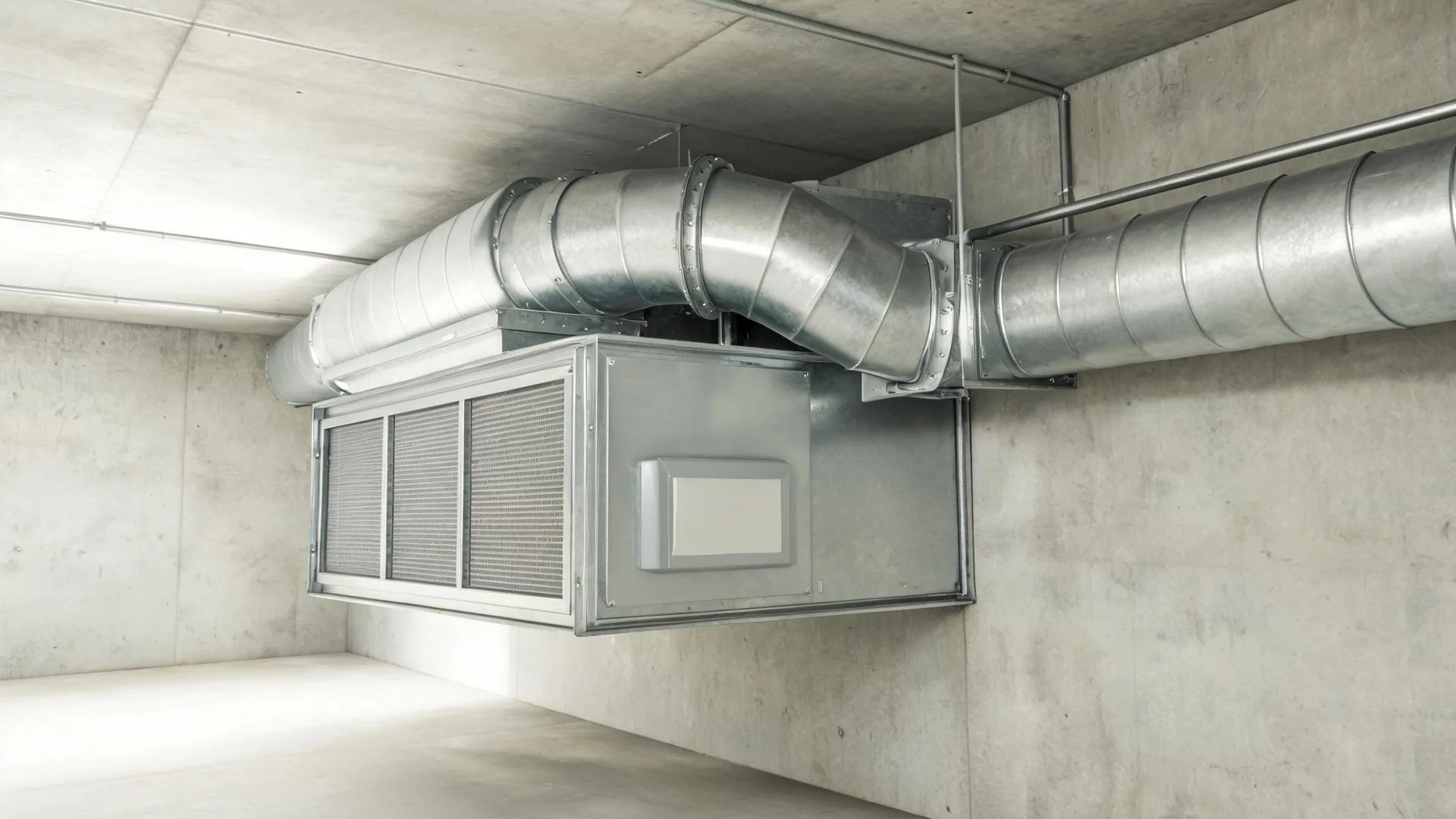
The new coil rarely matches the old lines

If the system being replaced is more than a few years old, the refrigerant lines running to the old unit were sized for a different refrigerant and a different coil. A contractor will often need to replace the line set rather than reuse it, and the same goes for the pad or mount the old condenser sat on if the new unit has different dimensions. This is normal and not a sign anything was done wrong the first time.

An outdoor air conditioning condenser unit installed beside the exterior wall of a blue vinyl-sided house at sunset.

Going above the federal minimum saves little here, about $0 a year.

  • A new unit at the federal minimum, 13.4 SEER2$10 a year
  • A higher-efficiency unit$10 a year

Estimates for a typical Valley County home, from EIA household energy data, Idaho fuel prices and NOAA climate normals. Your home will differ.

A crew usually spends most of the day on a full changeout, not because any one step is hard but because there are a lot of them. The indoor coil and outdoor condenser both need to come out and go back in, the line set gets checked or replaced, and the electrical has to be matched to the new equipment before anything gets powered on. Once it's connected, the system gets charged with refrigerant to the exact amount the manufacturer specifies, then airflow and pressures get checked while it runs. A unit that's undercharged or overcharged by even a little won't cool right and won't last as long either. Expect the power to be off for at least part of the day, and expect the contractor to walk the ductwork and registers before calling the job done, not just the equipment in the yard.