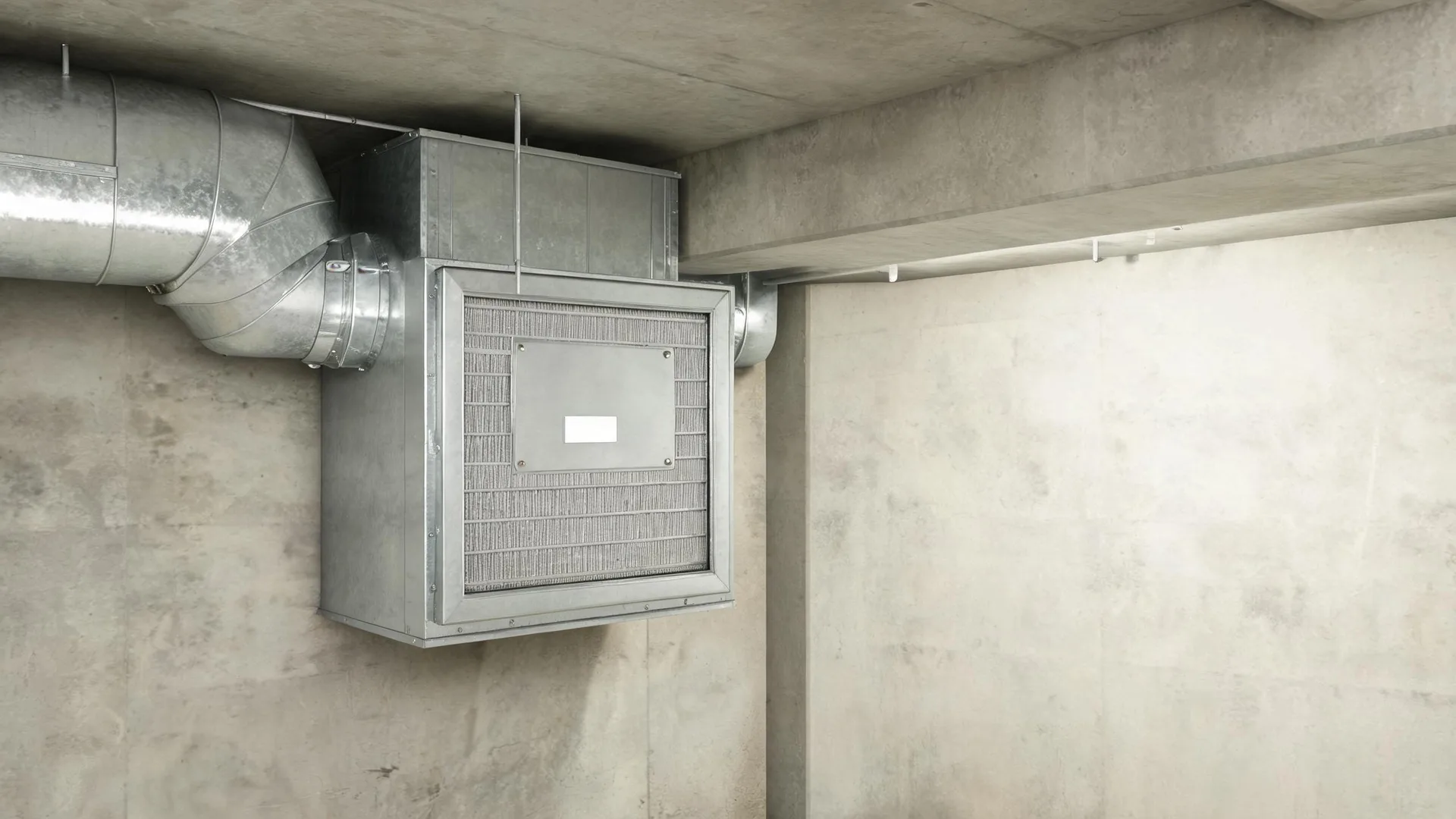
Most homes here run on gas
Utility gas heats 53.7% of occupied homes in Twin Falls County. Electricity is next at 36.9%, with the rest split between propane and fuel oil.
Takes about a minute. No obligation.
Utility gas heats 53.7% of occupied homes in Twin Falls County. Electricity is next at 36.9%, with the rest split between propane and fuel oil.
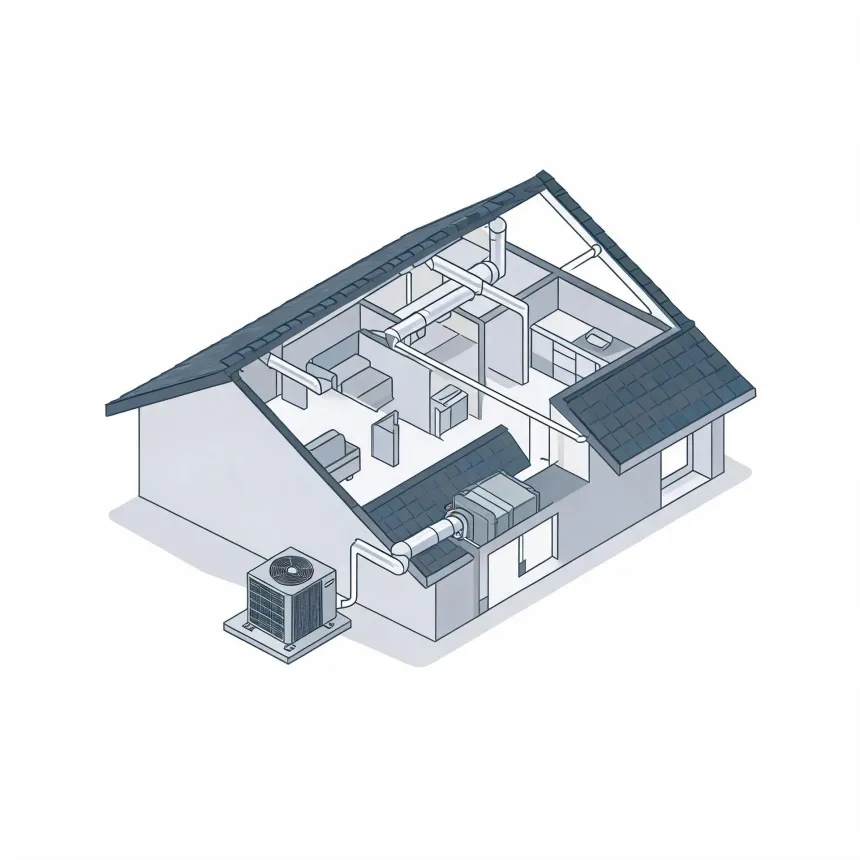
A new air conditioner installed here usually ties into an existing gas furnace, using its blower and ductwork to move the cooled air. If your home heats with electricity instead, that changes what an installer needs to check before putting in central air.
NOAA nClimDiv, 1991–2020 normals
Twin Falls County runs air conditioning about two months a year, July and August, with afternoons in the 80s.
A system here only has to handle two months of heat, so it doesn't need to be built for a longer, harder summer.
Twin Falls County is zone 5B, a cool, dry climate where heating carries most of the load, not cooling. Even so, any new split-system air conditioner installed here has to meet a federal minimum of 13.4 SEER2 if it's rated below 45,000 Btu/h. That floor applies no matter how light the summers are here. It's a minimum, not a ceiling, so plenty of units on the market clear it by a wide margin. Ask what SEER2 rating a unit carries before you agree to it.
Electricity runs 11.52 cents per kilowatthour in Idaho, below the national average. That changes the math on a new AC. A high-SEER2 model costs more up front and takes longer to earn that back when power is already cheap here. Picking a unit that fits your home and holds up matters more than chasing the highest efficiency number on the sticker.
Find a contractorThe old condenser does not have to be broken to be worth taking out. A compressor can still run and still be why the house never quite cools and the unit never shuts off. When a system comes out, the refrigerant in the lines gets recovered, not vented into the air. Whatever charge is left in the old unit gets pulled before anything is disconnected. If the old coil sits in the same cabinet the new one will use, an installer checks it on the way out. Rust or standing water in that coil says something about the ductwork around it, and that is worth knowing before the new coil goes in. None of this slows the install down. It is what makes sure the new system starts clean instead of inheriting problems from the one it replaced.
An installer has to measure your house, not just quote a tonnage off the old unit. A system sized too big cools the air fast and shuts off before it pulls moisture out, leaving the house clammy. One sized too small runs constantly and never quite catches up on the hottest afternoons. Getting that number right means a load calculation, and that work is part of what you're paying for.
If the ductwork, the electrical panel, and the pad or platform outside are already sized for central air, an installer is mostly swapping equipment. If any of those need work, the job grows. A panel without room for a new circuit, ducts too small for the air a new system moves, or a line set that has to run somewhere new all add steps before the unit itself goes in.
Estimates for a typical Twin Falls County home, from EIA household energy data, Idaho fuel prices and NOAA climate normals. Your home will differ.
Most installs run one day, start to finish. The crew sets the outdoor unit on its pad and runs the line set between it and the indoor coil. That coil ties into the existing ductwork and blower. Then comes the electrical work, a dedicated circuit, a disconnect box outside, and a condensate line so the coil has somewhere to drain. Once it's wired and charged with refrigerant, the system gets tested under load, checking the temperature split between the air going in and the air coming out. A good installer also walks the ductwork for leaks and checks that airflow matches what the new equipment needs, because a system that's wired right but starved for air won't perform the way it's rated to.