 Find my pro
AC making a loud noise in Twin Falls, ID
Get matched with a pro who fixes air conditioners in Twin Falls County.
A loud noise from your AC in July heat isn't something to wait on. Twin Falls summers push these units hard for months at a time, and a noise that showed up suddenly usually means something changed inside the unit, not just normal wear.
A bang or click at startup can mean a part has loosened. A squeal often points to the blower motor or its bearings. A grinding or rattling sound can mean something has come loose inside the cabinet, or a fan blade is hitting something it shouldn't. What it means depends on where the sound is coming from and when it happens, and that's easier to tell in person than to guess from a description.
You don't need to figure out which one it is before you do anything. What helps more is getting someone out to listen to it who works on these systems all summer long in this area and knows which noises mean a simple fix and which ones mean a part is about to fail. That's a different kind of knowledge than a general handyman has, and it matters when the heat is still weeks away from breaking.
Submit your information and you'll be matched with a licensed contractor who serves the Twin Falls area. One contractor, not several, so you're not stuck fielding calls from companies you didn't ask to hear from. They'll reach out directly to go over what you're hearing and get a look at the unit itself.
The noise might be minor. It might not be. Either way, it's worth knowing which before the compressor or motor behind it gives out on a hot afternoon.
A loud noise from your air conditioner usually points to something specific, and the sound itself is the clue. A high-pitched squeal often means a motor bearing is wearing out or a belt-driven blower is slipping, though most units here are direct-drive and won't have a belt. A grinding or screeching sound usually means a motor bearing has failed and metal is wearing against metal. A banging or clanking means something has come loose inside the unit, often a bent or broken part on the fan or compressor, and it can get worse fast if the unit keeps running. Clicking at startup or shutdown is normal in small amounts, but repeated clicking without the unit starting can mean a failing capacitor or a control board issue. Buzzing usually traces back to loose panels, a failing contactor, or electrical parts starting to go bad. Running your AC through a hot Twin Falls summer with any of these noises risks turning a repairable part into a full compressor replacement.


Most of these sounds trace back to one part, and the sound tells you which one before anyone opens the cabinet. Grinding means metal hitting metal, usually the fan blade against its housing after a mount works loose. A rattle that starts and stops with the compressor is almost always a loose bolt or panel screw vibrating against the cabinet, not the compressor itself. The buzz you hear right as the unit kicks on is the contactor doing its job of sending power to the compressor and fan, and a worn one buzzes louder each time it closes. Hissing near the indoor coil is refrigerant finding a way out of the line, and you will usually notice the house cooling slower around the same time. A thump at startup or shutdown points to a capacitor that can no longer deliver the jolt the compressor needs to get moving. Banging from deep inside the cabinet is harder news. That usually means a piece of the compressor has broken loose, and a compressor in that state is near the end of what it can do.
What Each Noise Is Telling You
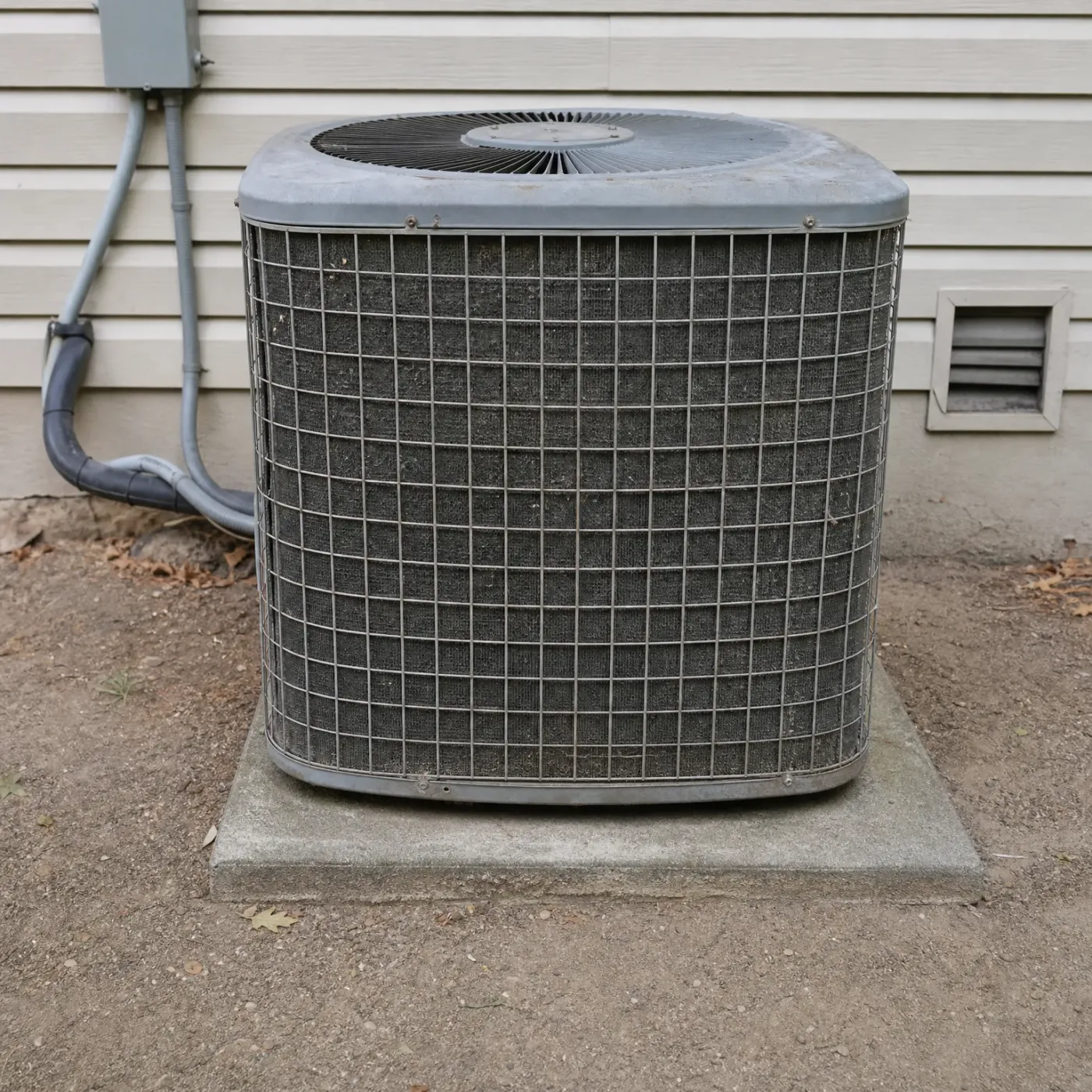
- A grinding or scraping sound usually means the fan blade inside the outdoor unit is hitting something or has come loose from its mount.
- A loud rattle that comes and goes with the compressor cycling on points to a mounting bolt or panel screw that has worked itself loose.
- A buzzing noise right when the unit starts is often a contactor, the relay that switches power to the compressor and fan.
- A hissing sound near the indoor coil can mean refrigerant escaping from a line, which also shows up as weak cooling over time.
- A loud thump at startup or shutdown often means a capacitor is failing and no longer giving the compressor the jolt it needs.
- Banging from inside the outdoor cabinet can mean a piece of the compressor itself has broken loose, which is a sign it is near the end of its life.


Get matched with an air conditioner pro in Twin Falls County
A licensed pro who repairs air conditioners in Twin Falls County gets your request.
Sending the form costs nothing.
What That Noise Is Costing You
- A noisy unit in a Twin Falls July is often still cooling the house, which is what makes it tempting to ignore until it stops.
- A loose fan blade or worn mount left alone can eventually damage the compressor, turning a cheap fix into a major repair.
- A failing motor bearing tends to get louder over days or weeks, not quieter, so the noise rarely resolves on its own.
- Running a unit with a grinding or scraping sound can shorten the life of the fan motor well before it would otherwise fail.
- A rattle from a loose panel or screw is usually harmless to the system but can be loud enough to notice from inside the house.
- If the noise started suddenly during a hot stretch, the system has likely been working harder than usual and something shifted or gave way under that load.
A noisy air conditioner in Twin Falls rarely shuts itself off. It keeps running through the hot stretch, keeps the house cool, and that's exactly why the noise gets put off. But the sound is telling you something changed inside the unit, and most of those changes don't fix themselves. A fan blade that has worked loose will keep hitting whatever it's hitting every time the unit cycles on, and that kind of contact wears on the compressor until a simple mount repair turns into a compressor replacement. A motor bearing that's starting to go gets louder over time. It doesn't quiet down on its own, and running it in that state wears the motor down faster than it would otherwise fail. Not every noise means the same risk. A loose panel or screw rattling in the outdoor unit is usually harmless to the system itself, even if it's loud enough to hear from the living room on a still night. The difference matters because it tells you how much the timing matters. A grinding or scraping sound is doing damage every hour the unit runs, while a rattle is mostly a nuisance. If the noise showed up suddenly during a stretch of hot days, the unit was likely working harder than normal when something shifted or gave out under that load, which is often why the timing feels sudden even though the part had been wearing down for a while.
Is this noise something you should worry about?
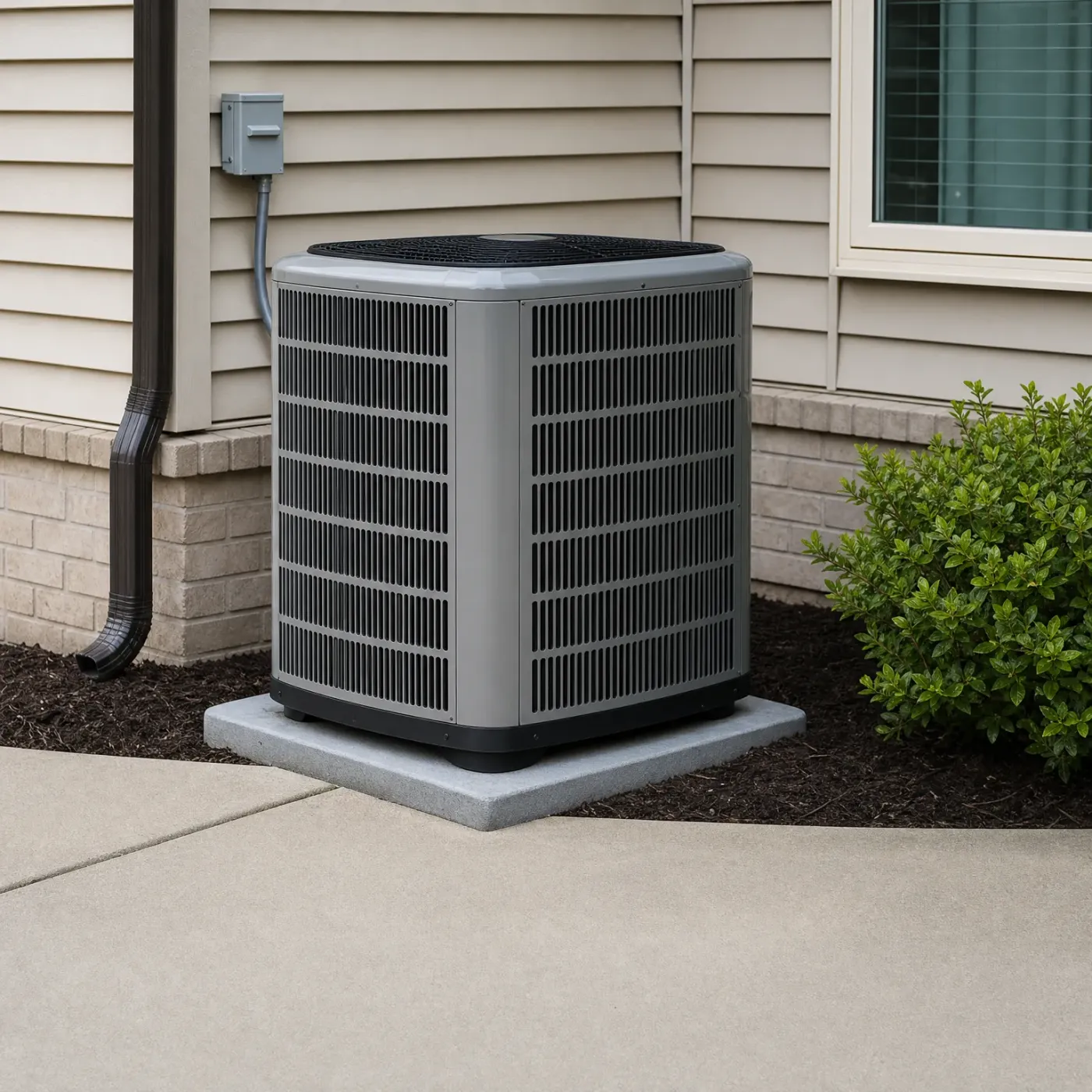
You probably noticed it from inside the house first, a clanking or screeching that cuts through whatever room you're in, or a rattle outside that gets louder when you walk past the unit. Maybe the air coming through the vents feels weaker than it did last week, or the thermostat shows the AC running longer to hit the same temperature. Some homeowners catch a burning smell along with the noise, which means it's worth shutting the unit off until someone looks at it. Left alone through a Twin Falls summer, a noise like this tends to get worse, not better, and the part causing it keeps wearing against whatever it's hitting.
Summer air here carries a dew point of 38°F, which is dry, according to NOAA climate normals for Twin Falls County. Dry air is easier on a struggling air conditioner because the unit isn't fighting humidity on top of heat, but it also means a noisy unit gets noticed fast. There's no background hum of a swamp cooler or a neighbor's unit to cover a new rattle or squeal. A sound that would blend into a muggier climate stands out clearly in a Twin Falls backyard, which is part of why homeowners here tend to catch a failing part early, before it turns into a bigger repair.
NASA POWER T2MDEW




Cooling runs July through August
Your AC only has to earn its keep in July and August here. A loud noise during those two months means the unit is working its hardest right when you need it most, so a problem that starts small has less time to show itself before you're relying on the system every day.
NOAA nClimDiv 1991-2020
Running it through the noise
A contractor can sometimes get the unit cooling again that same day, cycling it a few times to see if the sound repeats and checking the easy things first, like a loose panel or a bolt that backed out. If the fix is quick, your system keeps running on the hottest afternoons without a second visit, and you know what caused it instead of waiting to find out again.
Letting it run as is
Leave the noise alone and the unit keeps cooling for now, which is why so many people put this off through a Twin Falls summer. But a loose fan blade or a bearing going bad doesn't fix itself with time. It gets worse under load, and the parts around it, the compressor especially, start absorbing the strain until a cheap fix turns into a far bigger bill.

A loud AC in Twin Falls is telling you something specific
The noise is information, not just an annoyance. A squeal, a grind, a rattle that comes and goes with the compressor all point to different parts, and the sound you're hearing is worth describing exactly when you talk to someone about it. That detail is what lets a contractor know what to bring before they ever get to your unit.
A contractor who works on these units all over Twin Falls County hears this kind of noise every July and knows which ones can wait a day and which ones can't. Getting matched with one means someone local looks at your specific unit and your specific noise, not a general checklist. You'll hear from one contractor, not a handful calling at once.

Find an air conditioner repair pro in Twin Falls County
The pro who gets in touch is licensed in Idaho and works in Twin Falls County.