
Running clean
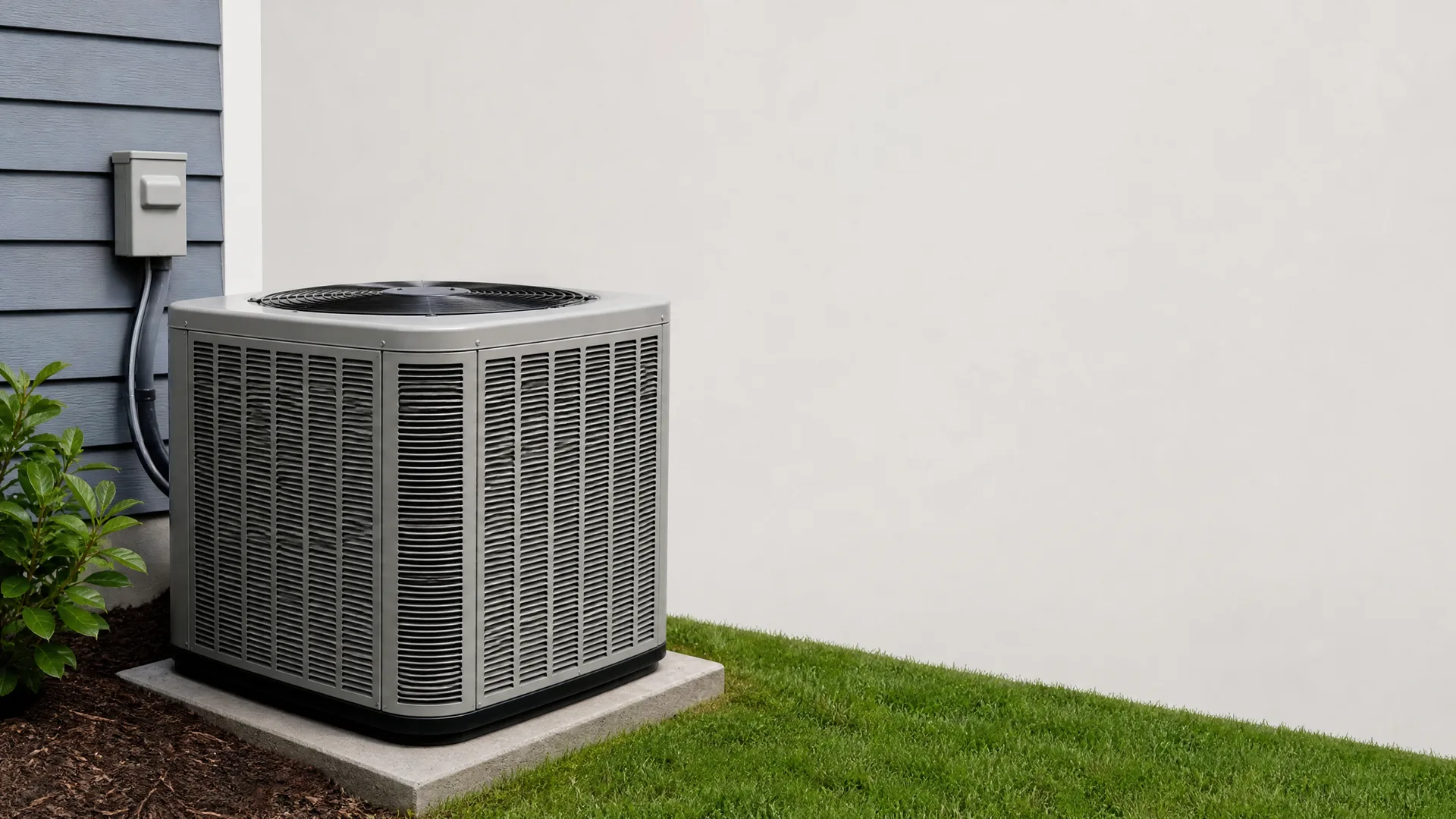
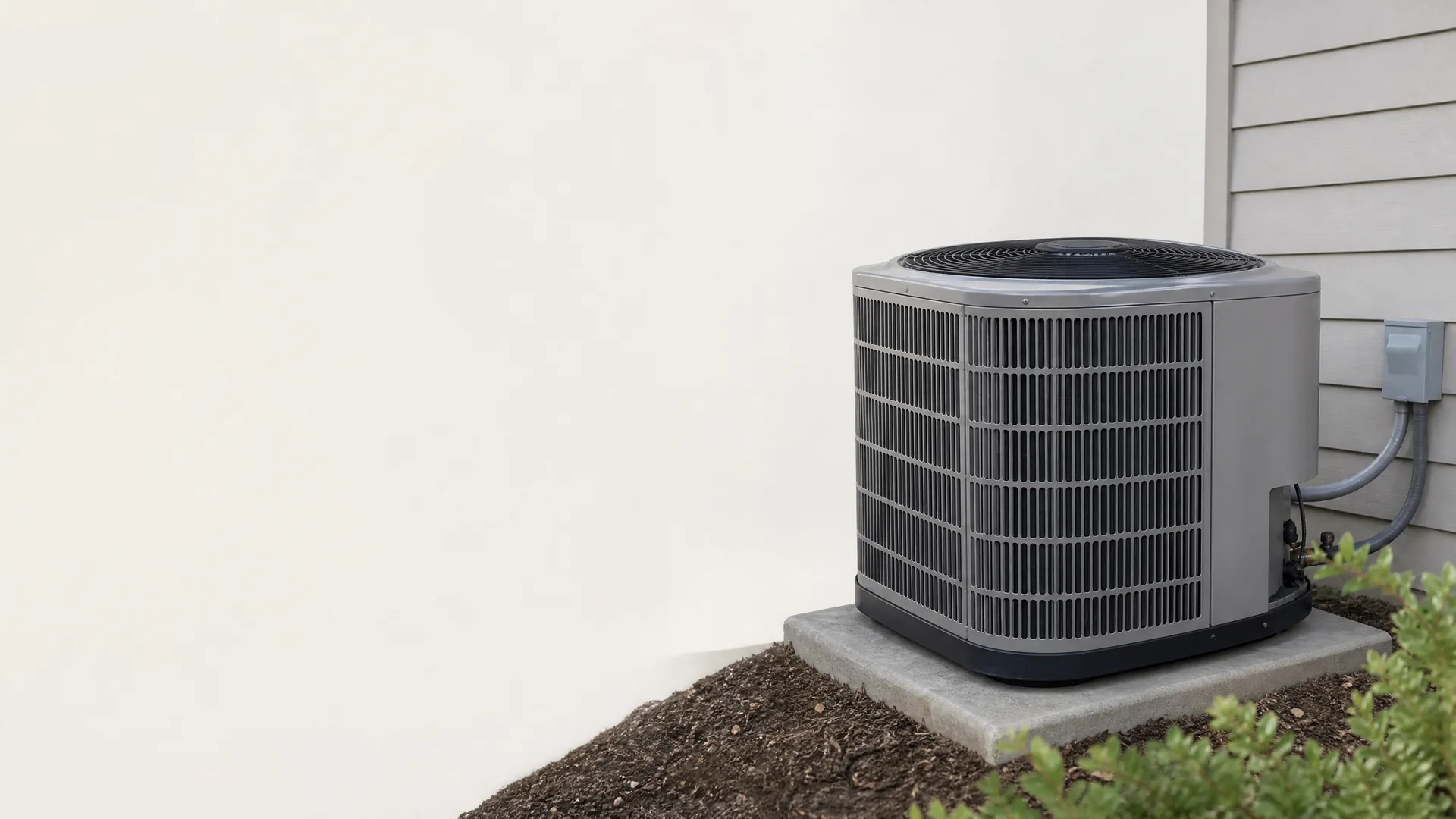
This is what a healthy condenser looks like, sitting on its pad with clear coil fins and open airflow. Air moves through it the way it was built to, so heat leaves the system instead of building up anywhere inside it.
A burning smell from an AC is one of the first things people in Sandpoint catch, since the unit runs hard through the dry, hot stretch of summer here and any strain on it tends to show up as heat and odor before it shows up as a breakdown. You want to know if it's something to shut off right away or something that can wait for a look.
A burning smell almost always means something electrical is running hotter than it should. The blower motor can overheat if it's straining, a capacitor can burn out, or wiring and connections inside the unit can get hot enough to smell. Dust burning off a coil that's been sitting unused also smells like this, but it clears in a few minutes and doesn't come back. If the smell lasts past that, or you see any haze near the vents, turn the system off at the thermostat or breaker. With Bonner County summers putting long hours on these units, a motor or part under strain tends to announce itself this way before it fails outright.
A sharp, electrical smell often points to the fan motor or a wiring connection working harder than it should. A dusty, hot smell can just mean the unit is pushing air across a dirty coil or a clogged filter. Either way, the smell shows up before a breakdown does, which is why it's worth checking the outdoor unit and the filter as soon as you notice it rather than waiting to see if it runs its course.
Bonner County summers stay hot and dry for weeks at a stretch, and a dry, dusty environment feeds right into a condenser coil or a motor housing that isn't sealed perfectly. Dust and fine debris collect faster than they would in a wetter climate, and that buildup insulates parts that are supposed to shed heat. A motor running hotter than it should will often smell like it before it ever trips a breaker or stops working.
This is what a healthy condenser looks like, sitting on its pad with clear coil fins and open airflow. Air moves through it the way it was built to, so heat leaves the system instead of building up anywhere inside it.

Dirt packed into the fins and cage like this blocks the airflow the unit needs to cool itself. The motor and wiring behind that coil end up working against the clog, and that extra strain is where a burning smell often starts.




A licensed pro who repairs air conditioners in Bonner County gets your request.
Sending the form costs nothing.
Keep running it and you're gambling with a motor that costs far more to replace than to catch early. A burning smell during a Sandpoint summer afternoon isn't the AC working hard. It's the AC failing.
Shut it off and get it looked at, and most of the time it's one part swapped out, not a whole system down in the middle of July.


The AC keeps the house cool for now, but a motor or wiring issue under strain doesn't fix itself. It gets worse the longer the unit runs on a hot Sandpoint afternoon.
The house warms up for a while without it, but a contractor can look at a part that failed before it takes the whole motor or a circuit board with it.
Walk around the house and check where the smell is strongest. Near a vent, it's likely coming from the air handler or the ductwork. Near the outdoor unit, it's the condenser itself. You might notice the air coming out warmer than usual, or the unit cycling on and off more than it normally does. Some people hear a faint buzz or hum that wasn't there before. If anyone in the house has breathing trouble or asthma, a burning smell circulating through the vents is worth taking seriously, since whatever is overheating is pushing that odor into the air you're breathing all day.

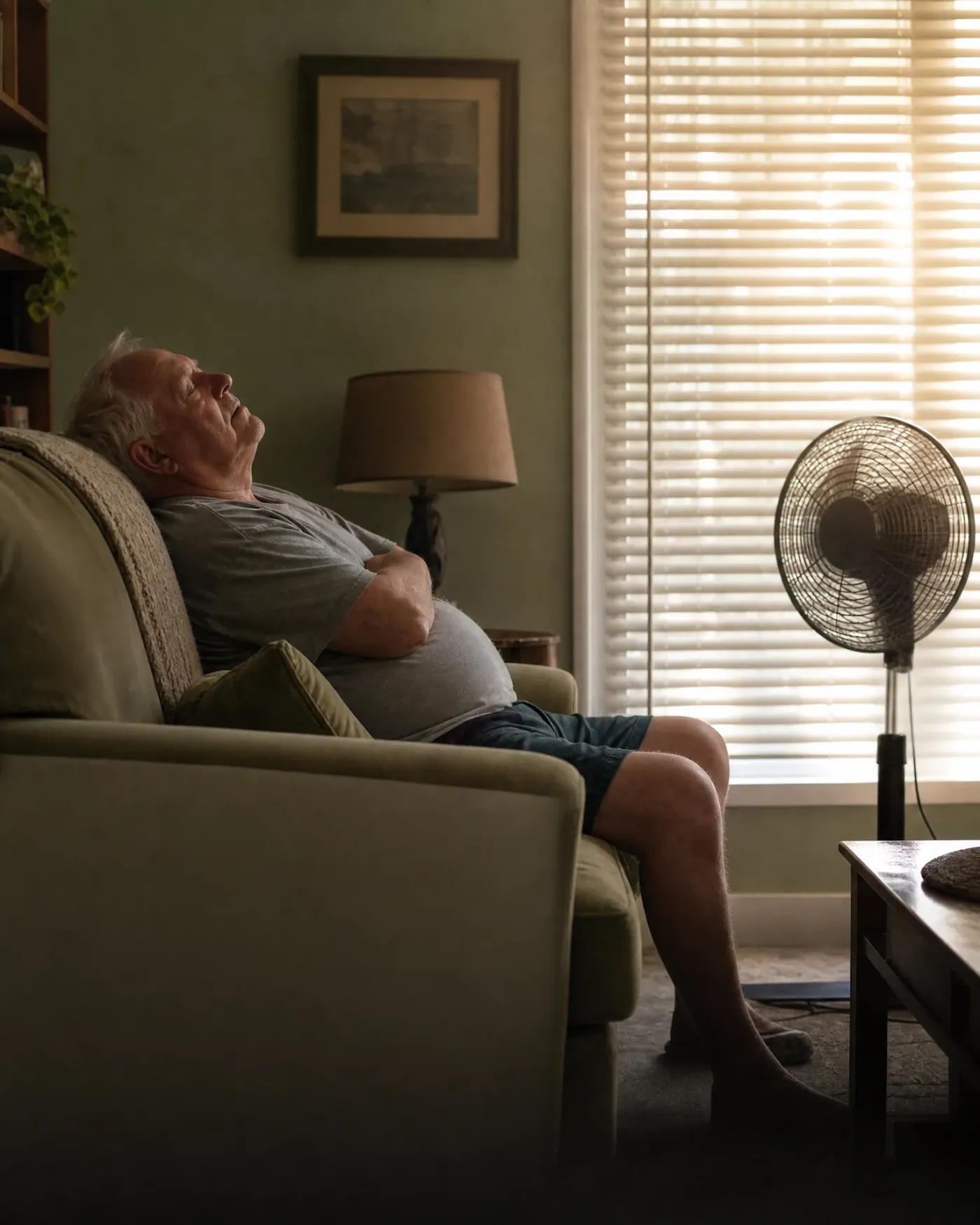
The blinds are down against the afternoon sun, and the fan by the couch is doing half the work the AC should be doing alone. You've had it on since late morning, the way you do most July days in Sandpoint, and for the last twenty minutes there's been a smell that wasn't there before. Hot, a little sharp, coming through the vent near the hallway. You get up and check it again, like it might have been your imagination. It isn't. The house is still cool enough, the fan still turning, but you're standing in the middle of the room now instead of sitting down, trying to decide if this is something you can wait out until evening.


Refrigerant gas is compressed and sent to the outdoor condenser coil
A motor spins the condenser fan to pull air across the coil
Dirt or strain on the motor turns electrical load into heat
Heat builds in the windings until insulation starts to scorch
At that rate, running the AC hard through a Sandpoint summer doesn't run up your bill the way it might elsewhere. That's worth knowing before you decide whether to shut a unit down over a burning smell. The cheap power isn't the problem. A strained motor is, and it won't fix itself just because electricity is affordable here.
EIA-861 2025
A burning smell is the AC telling you something failed before it gets worse. Shut it off, and get it checked before you run it again. That part hasn't changed since the first section on this page, and it won't. What changes now is who looks at it. A contractor working in Bonner County sees this same smell come through condensers and air handlers every summer, in the same dry heat your unit is running in right now, and knows which part is behind it before the panel comes off. Send the request and it goes to one licensed contractor local to Sandpoint, not a handful of companies competing for the job, so you're not fielding calls all afternoon trying to sort out who to trust. You've done the hard part already by noticing the smell and shutting it down. The rest is getting someone who works on this equipment all season to look at it.





A licensed pro who works in Bonner County gets your request.
It costs nothing to send, and you don't have to hire anyone.